









Personal Trainer Qualifications & Certifications to Look For | Crunch Fitness
July 23, 2026
Starting your fitness journey is exciting, but figuring out who to trust with it? That’s where things get tricky. A certified personal trainer helps you build smart exercise routines, stay on track, and avoid injury. With so many trainers available, how can you tell who is truly qualified?
This guide explains what personal trainers do, which qualifications matter, and how to choose a local trainer who matches your fitness goals. You’ll learn about top certifications such as the National Academy of Sports Medicine and American Council on Exercise, what to expect from a trainer, and whether credentials alone lead to results.
We’ll also discuss the risks of working with unqualified coaches and the important questions to ask before you decide. Choosing the right fitness professional can make a big difference in your progress.
Let’s dive in.
First, it’s important to understand why personal trainer qualifications matter before starting any training program. A certified trainer does more than lead workouts. They create exercise plans tailored to your goals, experience, and any physical limitations. This helps you make steady progress and lowers your risk of injury.
Not all personal trainers have the same knowledge. Good credentials and proper certification show your coach understands movement, recovery, and how to build a program. Without this foundation, workouts may seem random or even cause setbacks.
For example, if you are new to strength training and want to build muscle, an unqualified trainer might have you lift heavy weights too soon, raising your risk of injury. A qualified trainer would focus on proper form first, slowly increase intensity, and adjust your plan as you progress. This helps you build strength safely and steadily.
Understanding what to expect from a personal trainer and how to choose a qualified one helps you feel confident in your choice. The right trainer does more than lead workouts; they guide you safely toward lasting results.
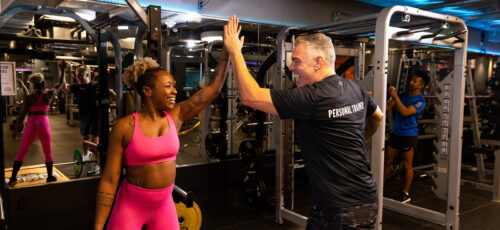
If you’ve wondered what a personal trainer does, it’s more than just leading workouts. They help you move better, stay consistent, and reach your fitness goals with purpose.
A key role of personal trainers is designing exercise programs just for you. Rather than guessing at the gym, your trainer creates a plan based on your goals, experience, and schedule. For example, if you want to lose fat, your program might mix strength training, cardio, and rest days to help you get results without burning out.
Discover more: YES, Personal Trainers Tailor Programs to Your Needs
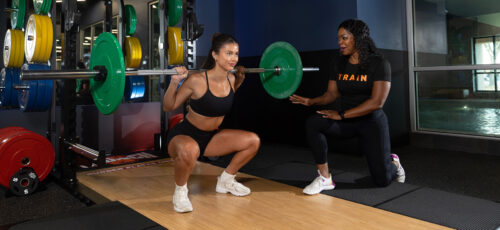
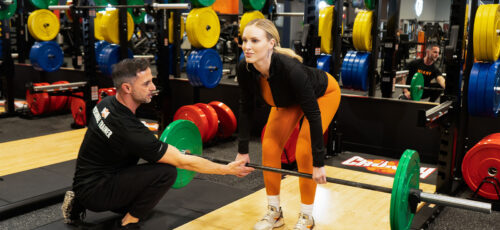
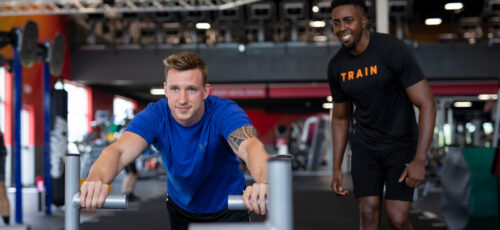
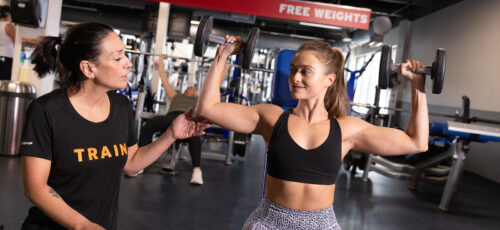
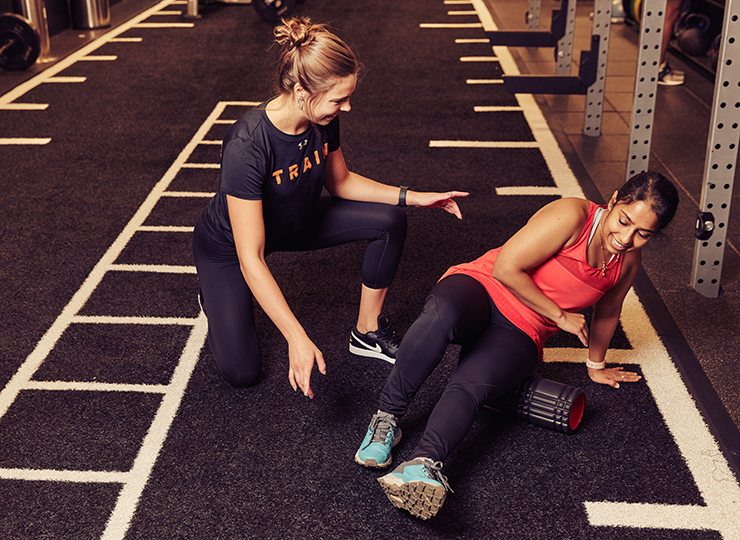
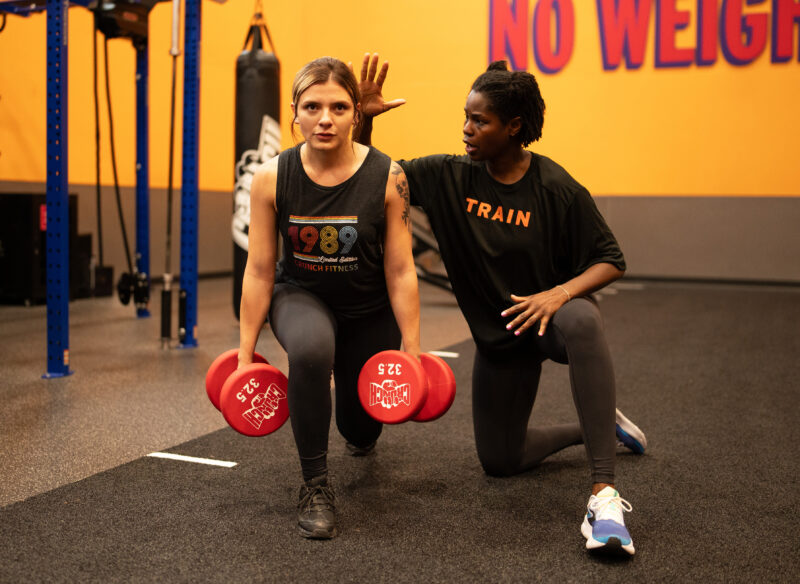
Good technique is key to progress and safety. A certified trainer watches your movements and corrects them to help you avoid injury. For example, a squat may seem simple, but small posture mistakes can cause knee or back pain. A trainer helps you fix these details early, making every rep count.
Read: Can A Personal Trainer Help Me Rehabilitate an Injury?
Staying consistent can be the hardest part of fitness. That’s why accountability matters. Trainers help you stay on track, adjust your plan when needed, and motivate you when your energy is low. For example, knowing your trainer expects you can be the push you need to show up on days you’d usually skip.
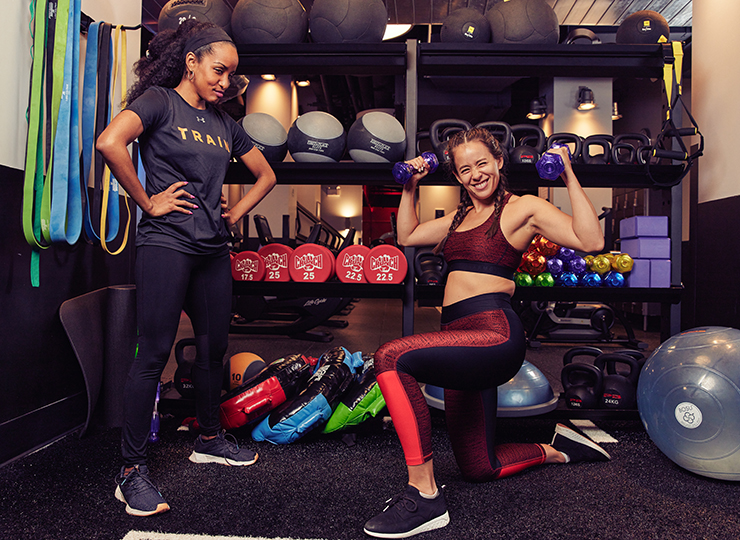
When you look into personal trainer qualifications, you’ll see there’s more than one way to become certified. Several respected organizations set the standards for certification, each with its own focus and approach.
Knowing about these organizations can help you choose the right coach, or even decide if you want to become a trainer yourself.
NASM is one of the most recognized certifications in fitness. It uses an evidence-based approach and the OPT (Optimum Performance Training) model, which focuses on building programs that progress over time.
This means NASM-certified trainers are skilled at creating structured programs that change as you improve. If you want long-term progress with a clear plan, many NASM trainers are a great choice.
ACE focuses on making fitness accessible and encouraging behavior change, which is great for most people. Trainers with ACE credentials are often good at helping beginners and meeting clients at their current level.
If you’re new to personal training or coming back after a break, an ACE-certified trainer can guide you safely, help you avoid injury, and build your confidence.
ISSA is known for its flexible online courses and worldwide reach. It covers many topics, from anatomy to nutrition, giving trainers a solid foundation. Many ISSA-certified trainers work with a variety of clients and offer programs that fit different lifestyles.
This is helpful if you want a trainer who understands real-life challenges like busy schedules, travel, or work commitments.
ACSM certifications are known for being clinical and science-based. They are respected in medical and research fields, and many trainers with this background work with clients who have special health needs.
If you want to manage a health condition like high blood pressure or recover from an injury, an ACSM-certified trainer can offer extra expertise.
The NSCA-CPT is respected for its focus on strength and performance. Trainers with this certification often work with athletes or people who want to improve power, speed, and overall performance. Their technical approach is a good fit if you want advanced strength training or sports performance.
Besides these main organizations, many other certifications exist for personal trainers. Some focus on special areas like corrective exercise, mobility, or group fitness.
These extra certifications can add value, but it’s important to check the basics first. A solid certification and ongoing education usually matter more than any single specialty.
When you look at your options, see certifications as a starting point, not the end goal. The best trainers integrate knowledge with experience, good communication, and adaptability. That’s how credentials lead to real results.
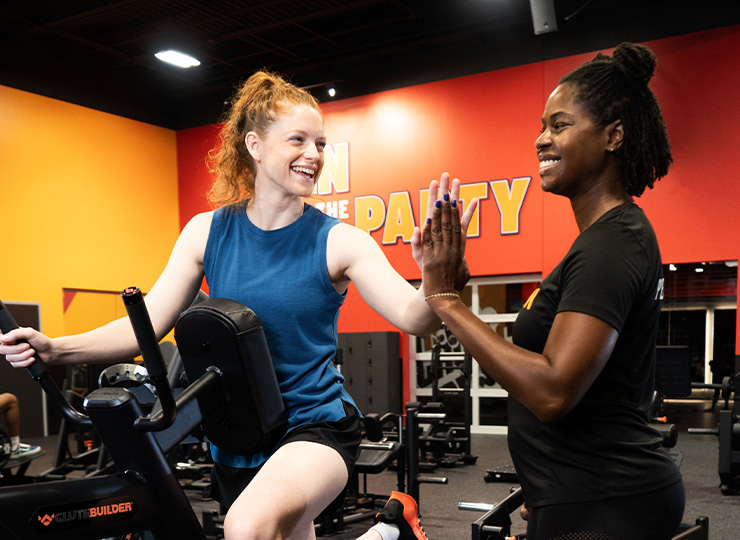
When you first look at personal trainer qualifications, it’s easy to think all certifications are equal. If someone is certified, you might assume they’re ready to guide your fitness journey. But it’s important to check what each certification covers and if it matches your needs.
Accreditation is a key factor. Top certifications are often approved by groups like the NCCA, which ensures quality and consistency. This means the trainer has been tested on important topics like anatomy, program design, and safety. Without this, some credentials may look good but lack the depth needed for safe, effective programs.
A good certification is not a one-time thing. Many top programs require trainers to keep learning to maintain their credentials. This matters because fitness is always changing. New research on recovery, strength, and performance can help trainers keep clients safe and on track.
Not all certifications cover the same topics. Some focus on general fitness, while others specialize in areas like strength, corrective exercise, or working with special groups. For example, training for a 5K is different from recovering after a back injury. It’s important to match a trainer’s specialty to your needs.
Looking beyond the title can make a big difference. In the end, what matters is what the certification actually prepares the trainer to do.
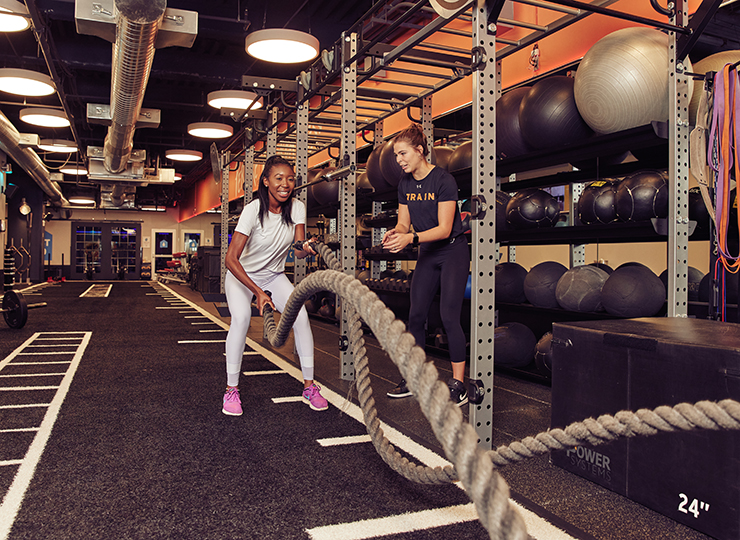
Choosing the right certified personal trainer is mostly about finding someone who fits your needs. The best trainers understand your goals, your starting point, and what success means for you.
This means you should ask the right questions early. Are you trying to lose weight, build strength, improve mobility, or train for something specific? A good coach should clearly explain how their programs will help you reach your goals.
Notice how the trainer communicates. Do they listen to you, or do they offer a one-size-fits-all plan? A good trainer will check your movement, ask about your lifestyle, and make a plan that fits your schedule.
For example, if you have a busy job, they might create shorter, more efficient sessions instead of long, unrealistic workouts.
Also, think about how comfortable you feel with your trainer. Trust is important. If you’re always doubting your trainer, it’s harder to stay consistent. Clear guidance, steady progress, and ongoing support help you know when you’ve found the right fit.
Personal trainer qualifications are important, but they’re just one part. The best trainers combine knowledge with people skills to make your experience both effective and enjoyable.
Certifications give trainers a strong foundation, but they don’t guarantee results. Success depends on your consistency, effort, and your relationship with your trainer. Even the best plan won’t work if it doesn’t fit your lifestyle.
See certifications as proof of knowledge, not results. What matters is how trainers use that knowledge. Trainers who mix education, experience, good communication, and accountability help clients succeed over the long term.
Learn more: Is A Personal Trainer Really Worth It?
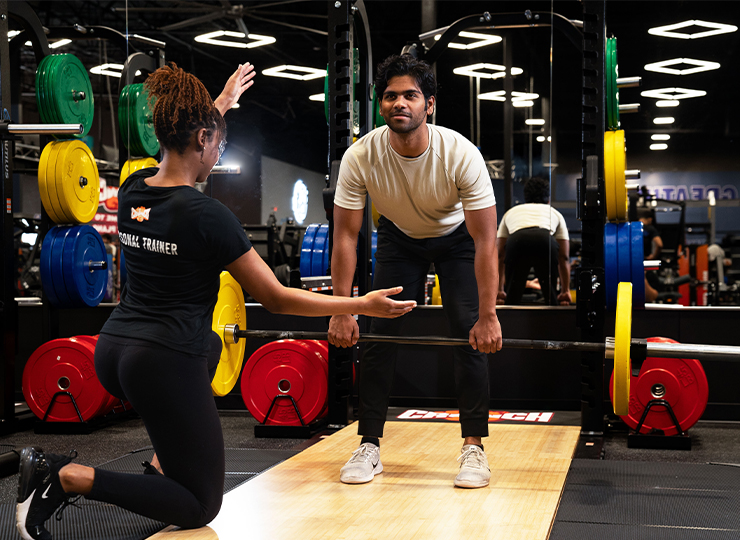
At Crunch Fitness, personal training is meant to be clear, supportive, and practical. The goal is to help you build a routine that fits your life and helps you reach your fitness goals with confidence.
Crunch hires certified personal trainers who meet high standards and keep learning through ongoing education. This means your coach knows how to design effective programs, adjust for different fitness levels, and help you avoid injury.
You’re not just getting someone to lead a workout. You’re working with a knowledgeable professional who knows how to help you progress safely over time.
One of the biggest advantages is access. Crunch gyms are built with different equipment, from free weights and machines to functional training zones. This allows personal fitness trainers to create more dynamic and personalized workouts. For example, instead of repeating the same routine every week, your trainer can rotate exercises, introduce new tools, and keep your sessions both challenging and engaging.
Consistency is easier when training doesn’t feel like a chore. Crunch incorporates personal training with high-energy group fitness classes, giving you options to stay motivated. On days you want extra energy, you can jump into a class and feed off the group. It’s a simple way to stay accountable, meet people, and enjoy the process while still working toward your goals.
Crunch promotes a culture of positivity, inclusivity, and fun with no judgments by providing an environment for all individuals, regardless of their health and fitness goals. Find a Crunch gym near you to try our free trial membership, or join Crunch now. We’re here for you – at the gym or home. Access the best live & on-demand workouts anytime, anywhere with Crunch+. Ready to get sweaty? Try hundreds of workouts for free! Start your free trial now!
Personal trainer cost varies based on location, experience, and session format, so there isn’t one fixed price. Many gyms offer different options, from one-on-one training to small-group sessions, so you can choose what fits your goals and budget.
Most people benefit from seeing a personal trainer 1–3 times per week, depending on goals, experience, and schedule. Even once a week can improve accountability, form, and progress when combined with independent workouts.
Most personal training sessions last 30–60 minutes. Shorter sessions can be effective for focused strength or core work, while longer sessions allow time for warm-ups, lifting, and low-impact workouts like Pilates or Barre.
No, you don’t need a personal trainer to lose weight, but one can help make the process safer and more consistent. Trainers support weight loss through balanced strength and cardio workouts, habit-building, and accountability, not crash dieting.
You don’t need a trainer to build strength or muscle, but having one can speed up progress and reduce injury risk. Trainers help with proper form, progressive overload, and balanced routines that target all major muscle groups.
Yes, a personal trainer can help support injury recovery by adjusting exercises and focusing on proper movement patterns. They often work alongside medical guidance and may recommend low-impact options like Pilates or controlled strength work.
Yes, even fit and active people can benefit from a personal trainer for performance tuning, structure, and new challenges. Trainers can refine technique, prevent plateaus, and add variety through strength, core training, or low-impact workouts like Barre.
Fitness coaching focuses on overall habits like nutrition, mindset, and lifestyle, while personal training is more hands-on and centered around workouts. A certified personal trainer designs structured exercise programs, corrects form, and helps you progress safely toward your fitness goals. Read our article: Fitness Coaches vs. Personal Trainers – Which One Do I Need?
You can verify a trainer’s certification by checking the official website of the certifying organization (like NASM or ACE) or asking the trainer directly for proof. A qualified certified personal trainer should have up-to-date personal trainer credentials and be open about their education and experience.
Crunch requires its personal trainers to hold NCCA-accredited certifications, which means they’ve completed rigorous education and testing that meet industry standards. This ensures every certified personal trainer can design safe, effective exercise programs and help you avoid injury. It’s always a good idea to ask about a trainer’s credentials, so you know exactly who you’re working with.