









10 Best Exercises for Building Upper Body Strength
January 15, 2026
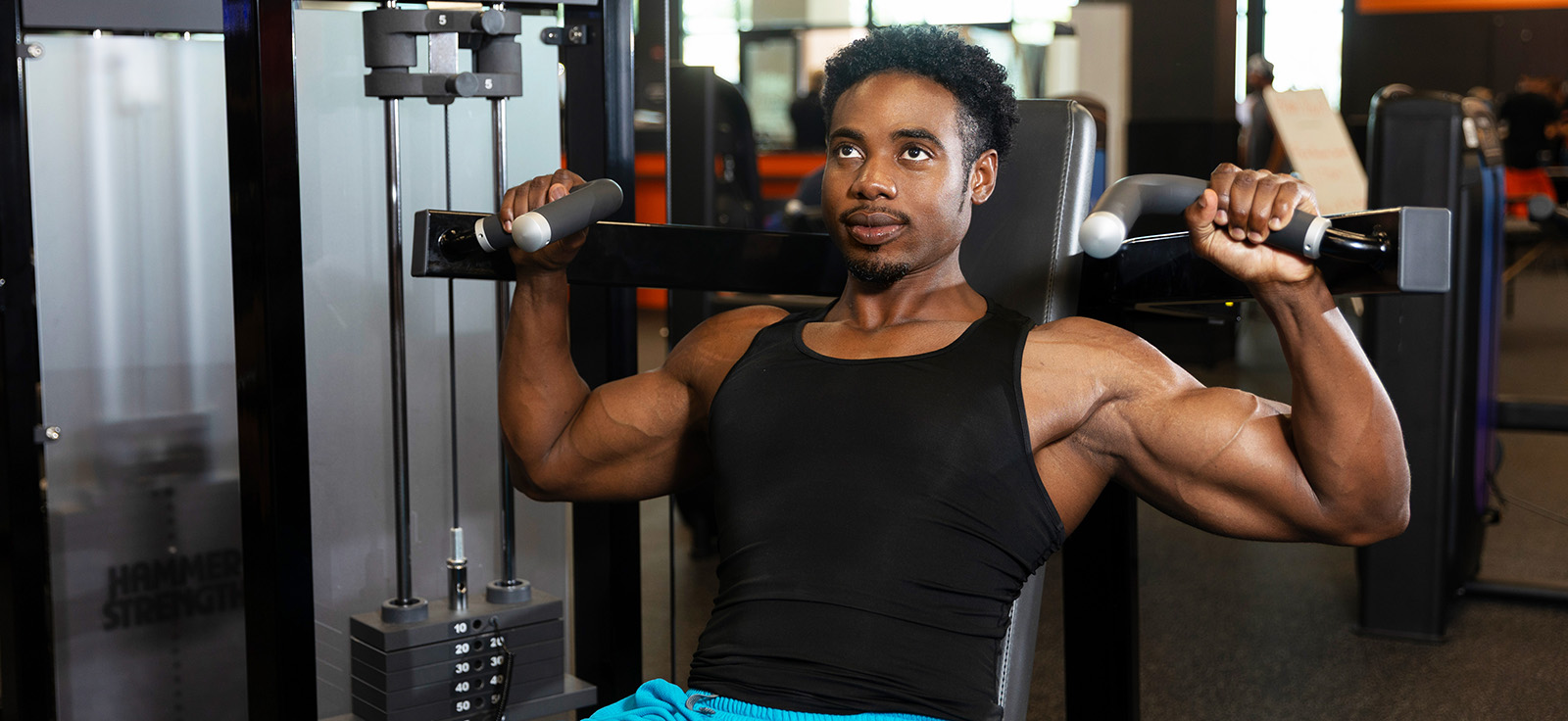
Most of our daily activities happen right in front of us. We walk forward, reach forward, and often hunch over our phones. But building real upper body strength goes beyond what you see in the mirror. It’s not just about toned arms or a strong chest; it’s also about balance, posture, and how well your body performs.
Picture your upper body muscles (shoulders, chest, arms, back, and core) working together as a team. If one area is overused or ignored, your form, stability, and even your breathing can suffer.
Research shows that strength training not only boosts muscle mass and injury prevention but also improves overall mobility and independence as we age.
In this guide, you’ll discover the 10 best exercises for building upper body strength, designed to develop your chest, shoulders, arms, and back while helping you maintain perfect posture and prevent injuries.
Are you ready to get more out of your next workout? Let’s get started. And if you ever need help, Crunch Fitness personal trainers are here to support you on your journey to becoming stronger.
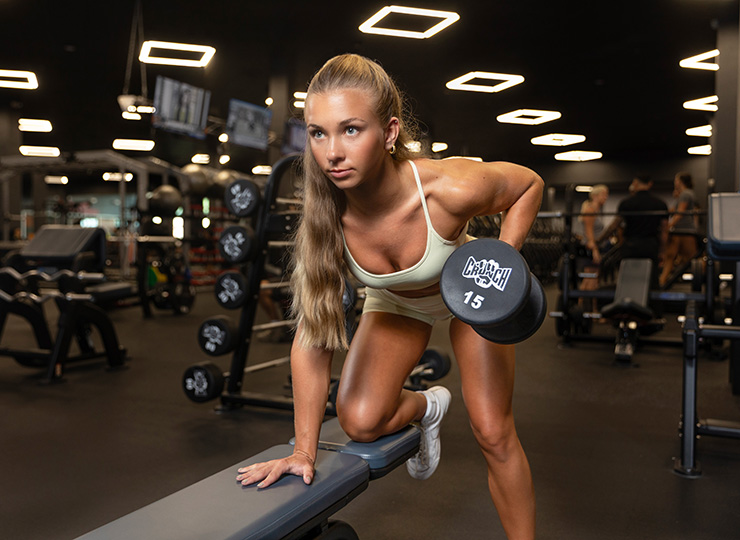
You already know that real upper body strength is not just about pushing; pulling is just as important. When you pull a barbell, row a dumbbell, or lift your own body weight, you shape your upper body muscles and support good posture.
Pulling exercises work your lats, rhomboids, traps, and biceps. These muscles help make your back wider, your shoulders stronger, and your body more balanced.
Here are 10 of the best upper-body pull exercises to help you build a strong, balanced body. You can do these whether you’re at a gym or working out at home with dumbbells.
The classic dumbbell row targets your rhomboids, lats, and traps; essential for good posture and pulling strength.
Trainer Tip: Don’t twist your torso. Focus on control, not momentum.
Sets/Reps: 3 sets of 8–10 reps per arm.
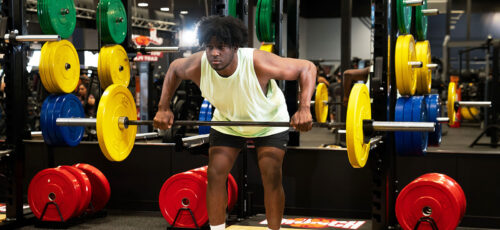
This compound lift builds muscle mass in your upper and mid-back while reinforcing good form for heavier lifts.
Trainer Tip: Think about pulling with your elbows, not your hands, to better engage your back muscles.
Sets/Reps: 3 sets of 8–10 reps.
The chin-up is one of the most effective bodyweight exercises for developing lat strength and arm definition.
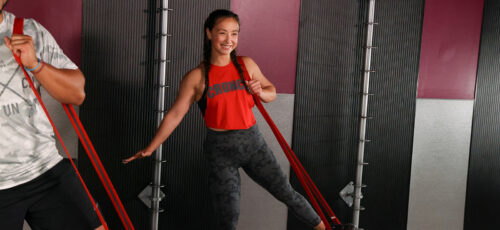
Trainer Tip: If bodyweight reps are tough, try using an assisted pull-up machine or resistance bands.
Sets/Reps: 3 sets of 6–10 reps.
This combo move works your back, core, and shoulders simultaneously. Think of it as a smarter, sweatier plank.
Trainer Tip: Keep your abs tight to prevent rotation; your torso should stay as still as possible.
Sets/Reps: 3 sets of 10–12 reps per side.
Simple, timeless, and effective. The biceps curl builds the front of your arms and complements all your pulling movements.
Trainer Tip: Don’t swing the weights; control equals results.
Sets/Reps: 2–3 sets of 10–12 reps.
Try this: Strength Training for Runners: Routines & Exercises
This gym staple mimics the chin-up motion but lets you adjust the weight for progressive overload.
Trainer Tip: Focus on squeezing your shoulder blades together instead of just pulling the bar.
Sets/Reps: 3–4 sets of 6–8 reps.
By resting on an incline bench, you isolate your upper back muscles while protecting your lower back.
Trainer Tip: Pause for one second at the top of the movement to feel your back muscles working.
Sets/Reps: 3 sets of 6–8 reps.
A perfect way to isolate the biceps and eliminate “cheat reps.”
Trainer Tip: Focus on lowering the weight slowly. This is one of the best ways to build muscle mass.
Sets/Reps: 2–3 sets of 10–12 reps.
One of the most balanced upper body workouts, this move trains your back while improving shoulder stability.
Trainer Tip: Don’t lean back too far. Let your back muscles, not momentum, do the work.
Sets/Reps: 3–4 sets of 10–15 reps.
A twist on the standard curl that targets your brachialis, a key muscle for arm width and strength.
Trainer Tip: Use this exercise along with regular curls to develop your arms evenly.
Sets/Reps: 3–4 sets of 12–15 reps.
Discover more: The Most Effective Full Body Strength Routine
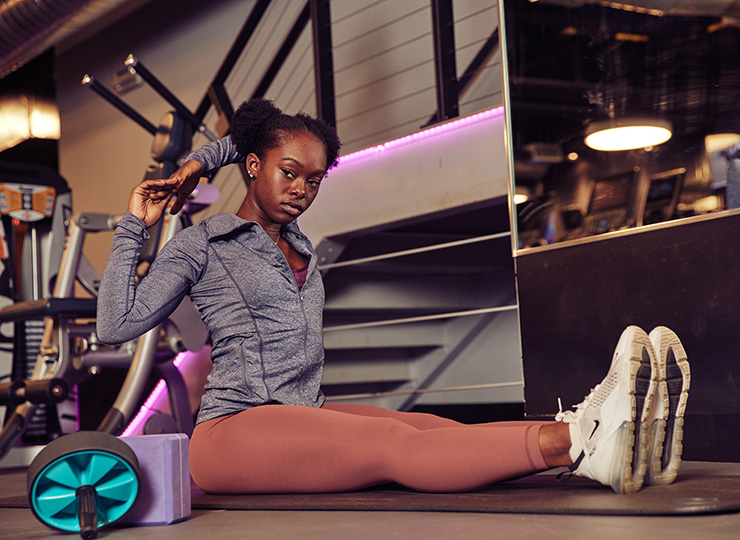
Building upper-body strength is about more than just lifting heavy weights. You also need to master good form, stay consistent, and keep your workouts balanced. Whether you want toned arms, a stronger back, or better posture, these tips will help you get results safely and efficiently.
Focus on multi-joint exercises that target several muscle groups at once. Movements like pull-ups, push-ups, rows, and shoulder presses not only build muscle mass but also improve coordination and stability.
A balanced workout plan should include exercises for your chest, shoulders, triceps (push), and your back and biceps (pull). This prevents muscle imbalances, improves posture, and lowers injury risks.
Quality is more important than quantity. Keep your core tight, pull your shoulder blades back, and bend your knees slightly during lifts. Keeping your torso straight helps protect your joints and spine.
Progressive overload, which means increasing resistance, sets, or reps over time, is key to continued growth. Start with weights you can handle, then challenge your muscles each week as you get stronger.
Your muscles grow when you rest, not while you’re lifting. Make sure to include rest days between heavy upper-body workouts and get enough sleep for full recovery.
Your core gives you stability and power, even during upper-body exercises. Tighten your abs during moves like planks, push-ups, and rows to keep your whole body under control.
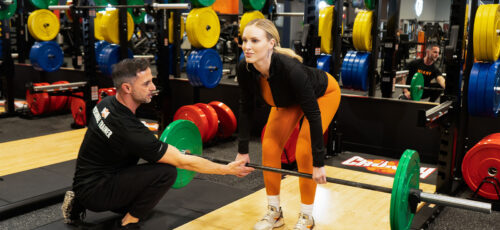
Not sure about your starting position or grip width? Crunch Fitness personal trainers are always ready to fine-tune your form, design personalized programs, and help you achieve your fitness goals safely and effectively.
Read: How to Set Fitness Goals With Your Personal Trainer
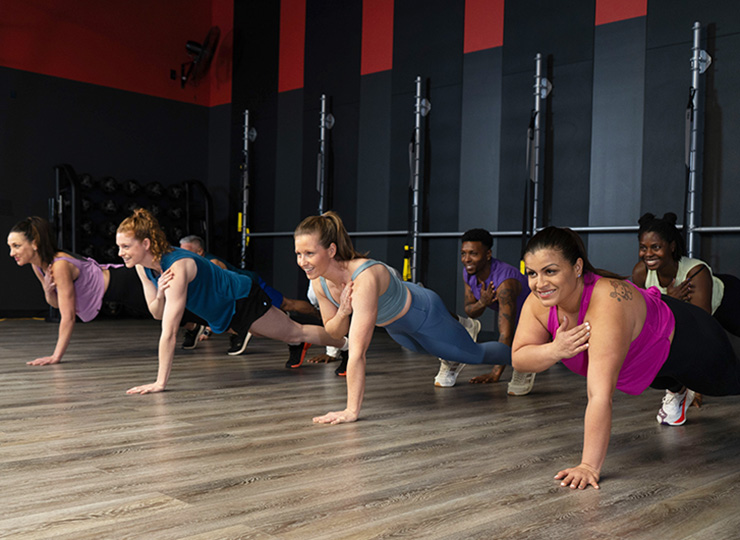
You don’t have to spend hours lifting or do every exercise in the gym to build upper-body strength. What you need is a smart, balanced plan. Think of it as your own formula for strength: a mix of push, pull, rest, and recovery.
Start with three to four exercises that hit different muscle groups. For example, pair a chest press with a barbell row and finish with a biceps curl or shoulder press. Aim for 10–15 reps or 30 seconds per movement, progressing to 2–3 sets as your endurance grows. Consistency matters more than complexity.
Next, give your body time to recover. Your muscles repair and strengthen between workouts, not during them. Allow 48–72 hours of rest before training the same area again. So if you train your upper body on Monday, focus on your lower body or take a rest day on Tuesday. By Wednesday or Thursday, you’ll be ready to lift heavier and move better.
Before you start lifting, make sure to warm up. Spend 5 to 7 minutes doing light cardio, such as rowing, jumping jacks, or brisk walking. Then do dynamic stretches like arm swings and torso rotations. This gets your joints ready, improves shoulder movement, and helps prevent injuries.
Finally, fuel your progress. Strength training without proper nutrition is like driving without gas. Focus on lean protein, complex carbs, and plenty of water. A good benchmark? Around 1 gram of protein per pound of body weight daily, and steady hydration throughout the day.
Building upper-body strength takes patience, precision, and passion. If you ever need help with your form or want a personalized workout plan, Crunch Fitness personal trainers are here to help you get the most out of every rep.
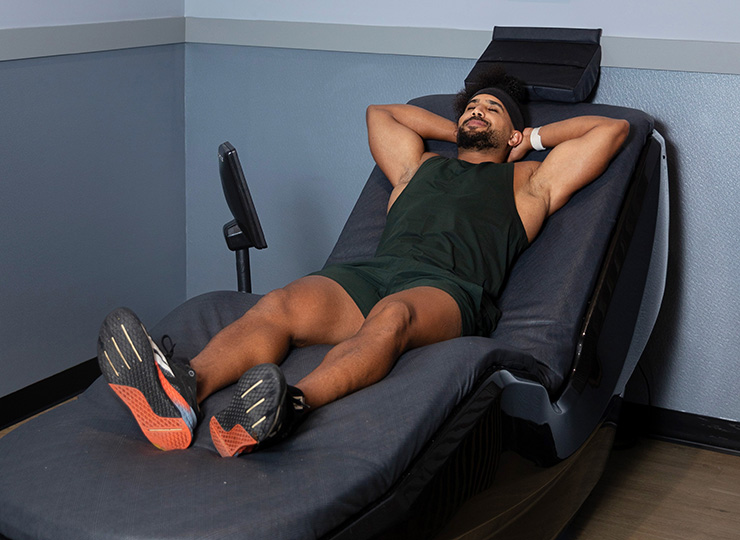
Even people who work out regularly can slow their progress without realizing it. Here are some common mistakes to avoid so you can keep making progress.
At Crunch Fitness, we help you train smarter, recover better, and lift stronger.
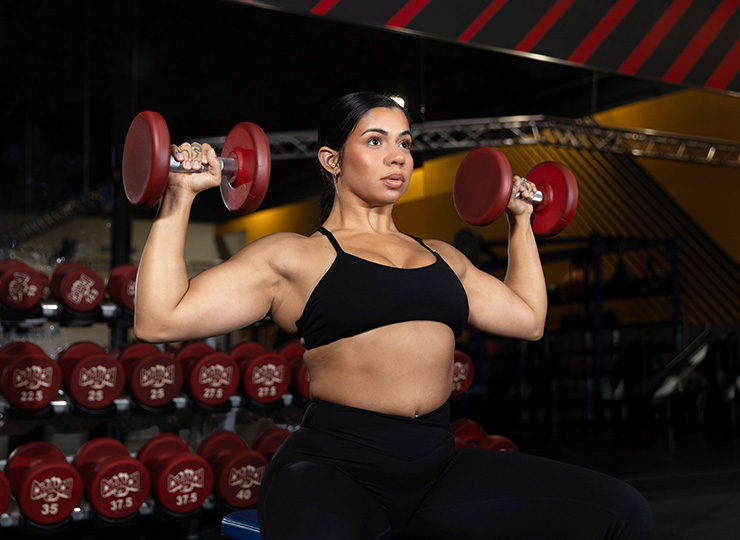
When you want to build real upper body strength, having the right guidance, structure, and motivation makes a big difference. That’s exactly what you’ll find at Crunch Fitness.
At Crunch, your fitness journey is anything but ordinary. Our trainers are here to help you design a personalized workout plan that fits your goals, schedule, and skill level. Whether you’re a beginner learning proper form and technique or an advanced lifter chasing new PRs, we’ll make sure every rep counts.
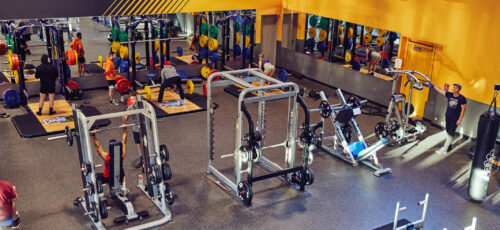
You’ll have access to a wide range of upper-body workout equipment, from free weights and cable stations to resistance bands, benches, and bodyweight options. Want to strengthen your shoulders, chest, back, and arms? Our strength zones are equipped for everything from barbell rows and shoulder presses to pull-ups and plank variations that activate your entire core.
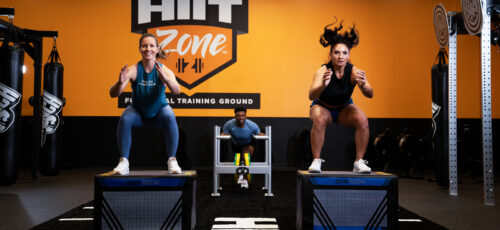
Prefer a little energy and community? Jump into our group training classes where functional movements, dumbbell circuits, and HIIT sessions help you sculpt lean muscle mass while keeping things fun and challenging.
And we don’t stop at the gym floor. We also teach you the basics of recovery, injury prevention, and nutrition so your results last. From tips on eating enough protein to advice on posture and rest, Crunch gives you everything you need for strength training success.
With expert support, top-notch equipment, and a culture focused on progress, Crunch Fitness is more than just a place to lift weights. It’s where you build lasting confidence, resilience, and real upper body strength.
Crunch promotes a culture of positivity, inclusivity, and fun with no judgments by providing an environment for all individuals regardless of their health and fitness goals. Find a Crunch gym near you to try our free trial membership, or join Crunch now. We’re here for you – at the gym or at home. Access the best live & on-demand workouts anytime, anywhere with Crunch+. Ready to get sweaty? Try hundreds of workouts for free! Start your free trial now!
Upper body strength means having the stability of well-trained muscles in your chest, shoulders, arms, and back to help you lift, push, and pull both during workouts and in everyday activities.
To get stronger, do resistance exercises like push-ups, rows, and shoulder presses. Make sure you use good form, eat a balanced diet, and get enough rest so you build strength safely.
Weakness usually happens because of muscle imbalances, bad posture, or not doing enough strength training. If you work all your upper body muscles with good technique, you can get stronger over time.
Start with bodyweight and dumbbell basics like push-ups, bent-over rows, shoulder presses, and planks, focusing on control, correct form, and 2–3 sessions per week.
Most people see progress in 4 to 8 weeks if they train regularly, recover well, and eat a balanced diet with enough protein to help their muscles grow.