









10 Best Leg Strength Training Exercises You Can Do At The Gym
December 1, 2025
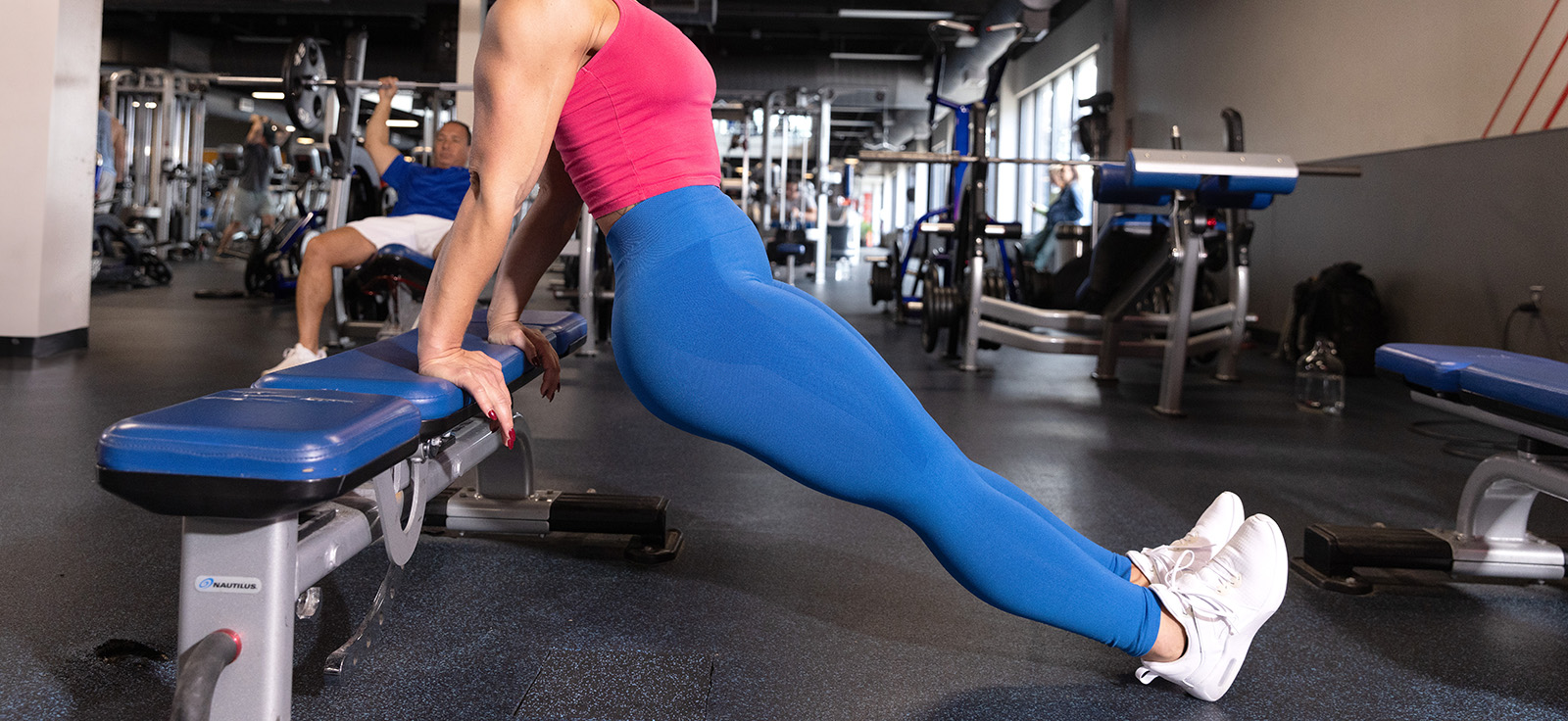
Leg day, the workout everyone loves to hate until they start seeing results. If you’ve ever tried climbing stairs after a tough session, you know leg strength training means business. Effective leg strength training for beginners includes fundamental compound movements like bodyweight squats, lunges, and deadlifts.
But here’s the deal: leg workouts aren’t just about building muscular legs; they’re about creating a strong foundation for your entire body. Leg workouts should include exercises that utilize all major muscle groups and patterns.
Your legs are home to your major muscle groups (quads, hamstrings, glutes, and calves), and training them right helps boost performance, balance, and even metabolism. Stronger leg muscles burn more calories at rest, contributing to a higher metabolism and aiding in weight management.
From bodyweight squats to Bulgarian split squats and hip thrusts, these compound leg exercises will challenge your stability, fire up your core, and push you past your comfort zone. Compound exercises are essential for building overall leg size and strength.
In this complete leg training guide, you’ll discover: The best leg workout targets not just larger muscles, but also smaller muscles in the legs.
So, next time you’re standing at the squat rack, set your feet shoulder-width apart, keep your torso upright, and remember, your legs do more than hold you up. They move you forward. Training legs regularly helps prevent injuries in other physical activities.
Ready to crush leg day and walk out stronger than ever? Let’s make those reps count.

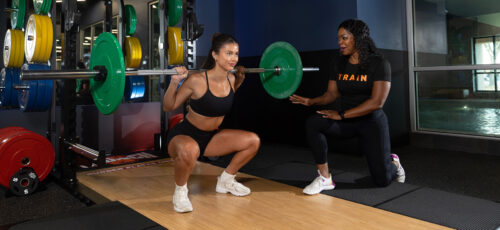
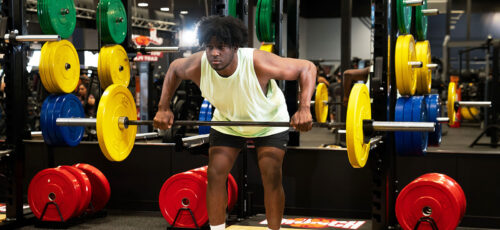
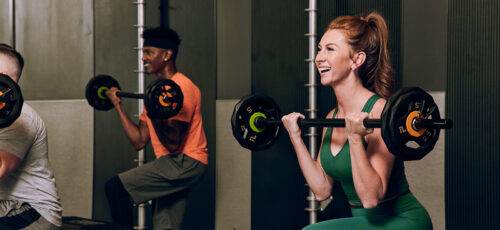
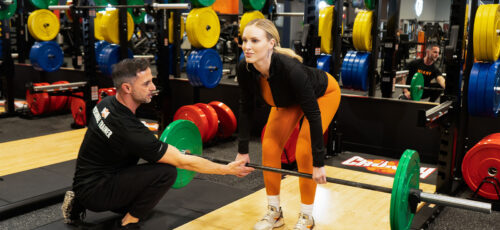
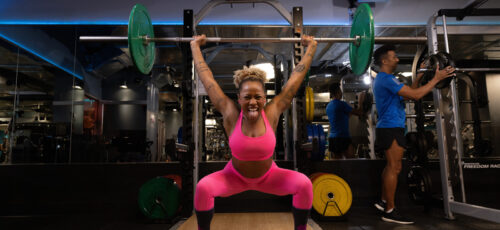
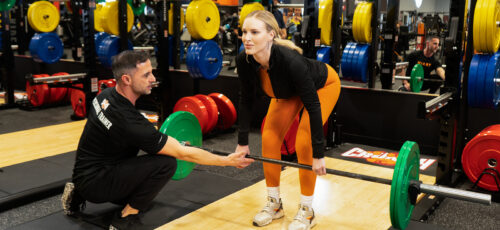
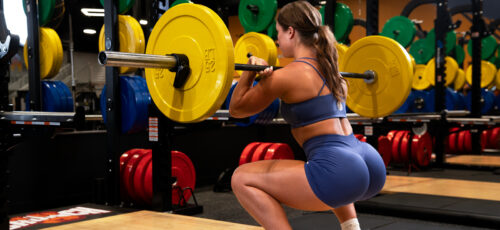
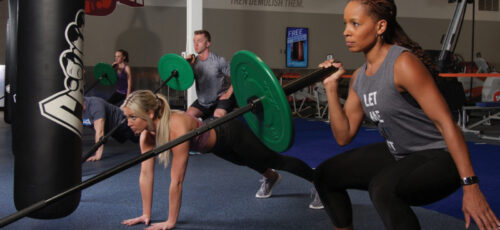
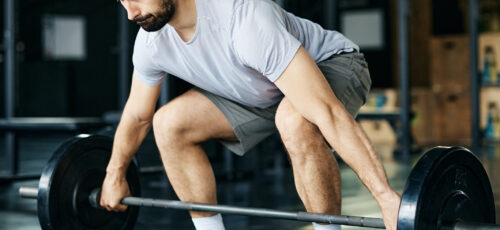
When it comes to leg day, the barbell squat reigns supreme. It’s a full-body powerhouse that fires up your lower body muscles (quads, hamstrings, glutes, and even your core). If you want real muscle growth, this is where you start. Back squats target the posterior chain, including the glutes and hamstrings.
Why It Works: The barbell squat recruits nearly every major muscle group in your legs. It’s a compound leg exercise that helps you develop leg strength, balance, and stability, a true must for any effective leg training routine.
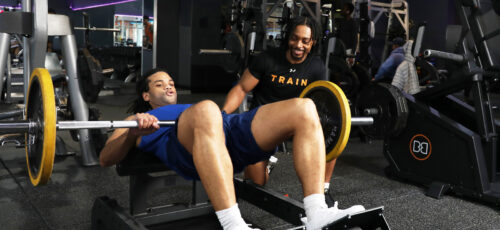
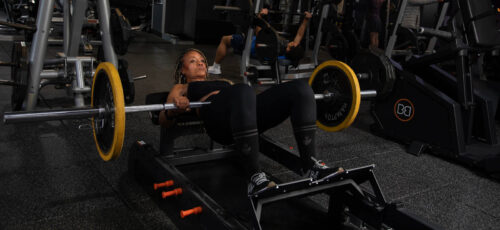
If you want that strong, explosive lower body look, it’s time to make friends with the barbell hip thrust. This move isolates your glutes and hamstrings while protecting your lower back. Hip thrusts effectively target the glutes and can contribute to hip extension strength.
Why It Works: The barbell hip thrust is one of the best lower-body exercises for developing glute strength and size. Start light, focus on proper form, and let your glutes drive the movement, not your back.
Read our article: 10 Must-Try Glute Training Exercises for Stronger Lifts and a Sculpted Booty
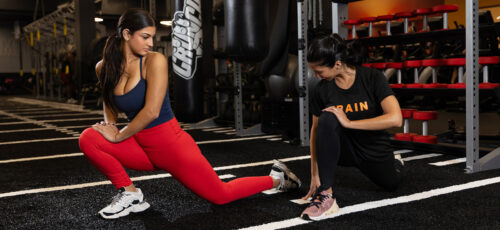
This Bulgarian split squat variation alternates between upright and sprinter-style lunges to hit your glutes and quads from all angles. Perfect for fixing muscle imbalances and boosting coordination. Walking lunges engage the quads, hamstrings, and glutes while also improving balance.
Why It Works: Training one leg at a time teaches control and balance. This variation keeps your hips forward, improves mobility, and creates serious lower-body strength without needing huge weights.
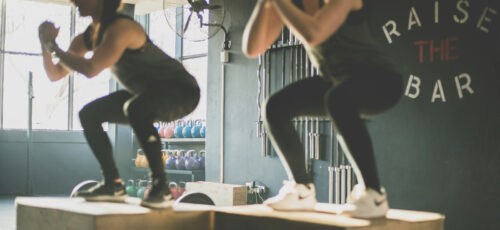
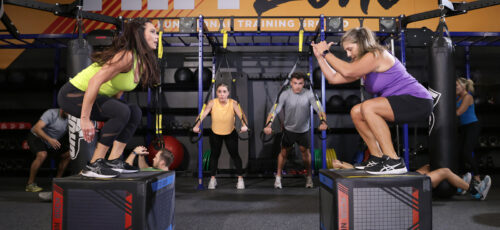
Ready to test your balance and coordination? The bodyweight plyo Bulgarian split squat adds a jump to each rep, boosting power and athleticism.
Why It Works: This bodyweight leg exercise builds speed and knee stability while improving how your body handles landing forces, perfect for athletes and weekend warriors alike.
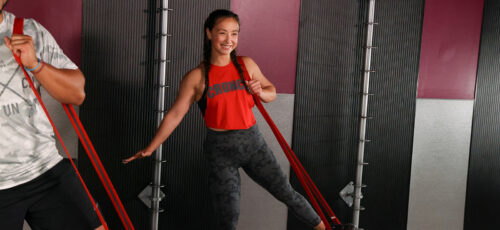
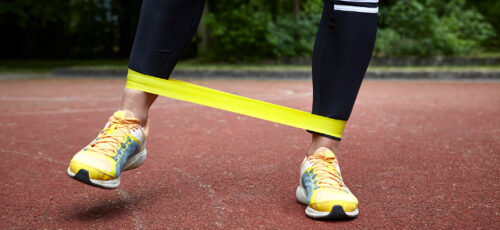
Time to give your knees some extra love. The TKE (Terminal Knee Extension) Drop Lunge strengthens your quads and helps improve knee health.
Why It Works: The band provides constant resistance, activating the rectus femoris muscle while helping prevent knee instability. This is a great move for anyone returning from injury or improving joint strength.

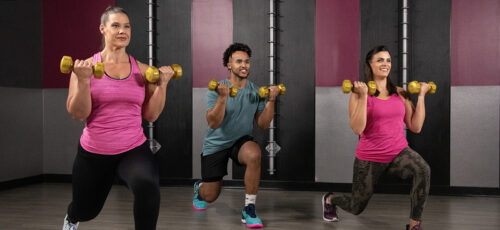
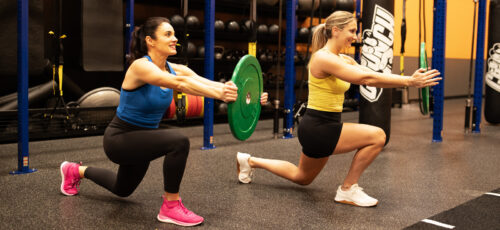
Don’t forget your adductors, the inner thigh muscles that stabilize your lower body. The dumbbell goblet adductor lunge is perfect for building total-leg symmetry.
Why It Works: This move fires up your adductor muscle fibers, improving balance and inner thigh strength, essential for running, lifting, and everyday movement.
Read our article: What’s the Best Dumbbell HIIT Workout
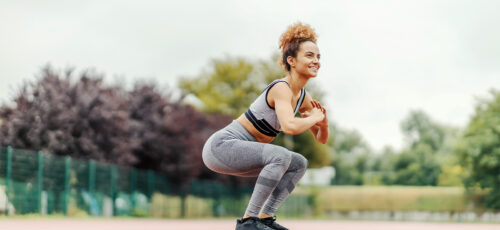
Sometimes, stillness builds the most strength. The isometric squat hold challenges endurance, control, and stability.
Why It Works: Holding tension without movement strengthens stabilizers, improves squat depth, and tests the endurance of your lower body muscles, especially your quads and glutes.
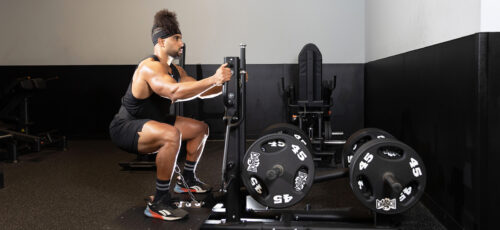
Once you’ve mastered the isometric hold, it’s time to level up with the pause squat. Think of it as a squat with an attitude; you stop mid-rep to build power and precision.
Why It Works: That pause eliminates momentum, forcing your muscles to do all the work. It’s perfect for building stability, power, and strength through a full range of motion.
Feeling confident? Time to add more weight and test your progress.
Why It Works: This version increases muscle mass in the quads and teaches your body to generate force from a dead stop, a key skill for athletes and lifters alike.
The reverse lunge is one of the most underrated leg strength training exercises. It’s easier on your knees, builds balance, and effectively strengthens your quads and glutes.
Why It Works: Unlike forward lunges, reverse lunges are “closed chain,” meaning your front foot stays planted, reducing impact on the knee joint. You can safely add dumbbells or a barbell for progressive overload and serious strength gains.
Here’s a fun thought: when was the last time you didn’t use your legs? From walking up the stairs to crushing a deadlift, your legs are the silent engine behind nearly everything you do. Without strong legs, even simple movements (running, jumping, or carrying groceries) become harder than they should be.
Research from the American Council on Exercise shows that lower-body strength training not only boosts athletic performance but also supports better balance, joint stability, and even metabolism. In other words, stronger legs = a stronger you.
Think of your legs as the foundation of a house. You wouldn’t build a mansion on weak ground, right? The same goes for your body. Whether you’re sprinting down a field, changing direction on the court, or simply chasing your dog, it’s your quads, hamstrings, glutes, and calves doing most of the heavy lifting.
And here’s the cool part: the more you challenge your lower body through strength training, the more powerful, agile, and explosive you become.
So next time you’re tempted to skip leg day, remember this: your legs don’t just carry you, they define how far, how fast, and how strong you go.
Read our article: What Exercises Should I Do to Lose Leg Fat?
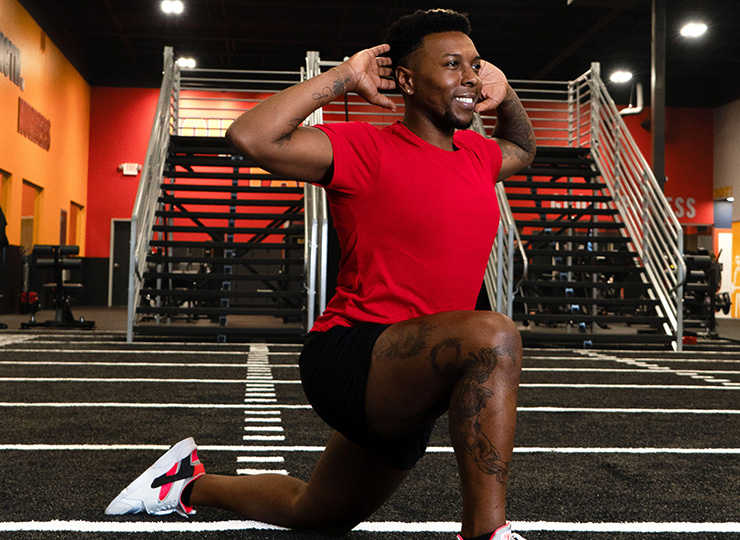
You don’t need a mystery formula to crush leg day. You’ve already got the tools! Your 10 best leg strength training exercises are more than enough to sculpt serious lower-body power.
Here’s how to make them work for you:
Pick 3 to 5 exercises from this list for each workout, and perform 3 sets of 8–12 reps with control and focus. Don’t just go through the motions, own every rep.
Your powerhouse lineup:
Why only a few per session? Because going all-in on perfect form beats half-heartedly rushing through ten. A shorter, focused leg workout means better range of motion, less fatigue, and faster progress.
As for frequency, find your groove; one heavy session or two moderate ones per week works wonders. Just remember: consistency beats intensity every time.
So grab the barbell and give those lower body muscles the challenge they deserve. Your future self (and your jeans) will thank you.
Now that you’ve got the moves, it’s time to put them together. Here’s how to structure your best leg workout:
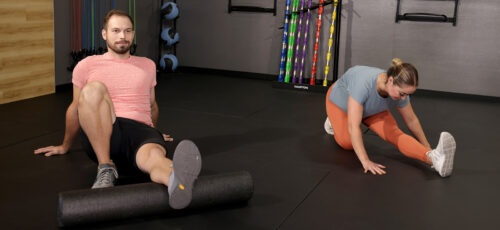
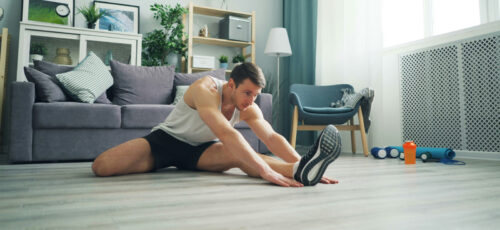
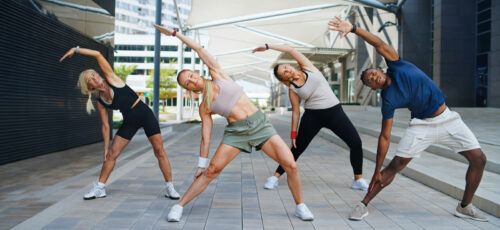
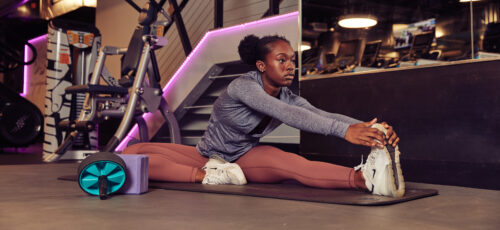
After leg day, don’t skip the cooldown! It’s your best defense against muscle soreness and tightness.
Crunch promotes a culture of positivity, inclusivity, and fun with no judgments by providing an environment for all individuals regardless of their health and fitness goals. Find a Crunch gym near you to try our free trial membership, or join Crunch now. We’re here for you – at the gym or at home. Access the best live & on-demand workouts anytime, anywhere with Crunch+. Ready to get sweaty? Try hundreds of workouts for free! Start your free trial now!
Absolutely. Strong legs improve speed, stability, and power, which directly enhances performance in running, cycling, and most sports. Exercises like barbell squats, Bulgarian split squats, and hip thrusts build explosive strength and endurance, helping you sprint faster, jump higher, and move more efficiently on the field or court.
Most people begin noticing improvements in strength and muscle tone after 4 to 6 weeks of consistent leg strength training. Visible changes depend on factors like intensity, recovery, and nutrition. However, if you stay consistent with your sets, reps, and rest, results will follow sooner than you think.
Avoid rushing through reps or loading heavy weights with poor form. Skipping warm-ups, ignoring recovery, and neglecting both legs equally can also slow your progress and increase injury risk.
Yes, leg day is the backbone of total-body strength. Your legs support major muscle groups that drive nearly every movement, from lifting to jumping. Regular lower body training boosts metabolism, improves balance, and enhances performance in all other workouts, including the upper body.