









Arm Strength Exercises That Build Size and Power
February 19, 2026
Which Arm Strength Exercises Work Best for Building Muscle?
When it comes to building arm strength, the key is in the details: how you move, how often you train, and how your muscles adapt over time.
What makes certain arm exercises better for building muscle? Is it lifting heavier weights, doing more reps, or just using better form?
You don’t build strong arms by working them alone. Your biceps, triceps, and forearms team up with your shoulders, core muscles, and back during strength training, whether you’re doing barbell curls, cable tricep pressdowns, push-ups, or farmer’s carries.
A well-structured arm workout helps you build muscle, improve grip strength, and keep your upper body balanced, all without putting too much stress on your joints or recovery.
In this article, you’ll find the best exercises for your biceps, triceps, and forearms, tips on how to plan your arm workouts for real progress, and a look at how Crunch’s trainers help members train smarter.
Ready to learn which exercises really make a difference and how to use them to build strong, capable arms that last?
Your biceps are important for pulling strength, grip, and overall arm growth. Training them with good form and steady progress helps you build muscle and makes daily tasks like lifting and carrying feel easier. The secret is to keep your routine simple and consistent.
Top bicep exercises:
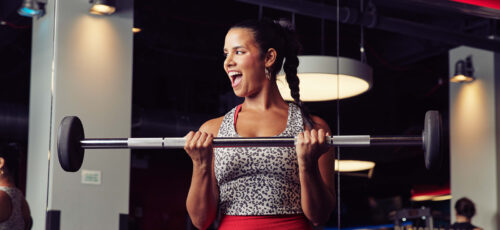
This classic curl is popular because it gets results. A barbell lets you work both arms at once and use a bit more weight, which helps build strength and muscle if you keep your form controlled.
How to do it:
Crunch tip:
Avoid swinging the bar. Slow down the lowering phase and let your biceps do the work.
Optional variation:
Use an EZ bar or a slightly narrower grip to change the feel and reduce wrist strain.
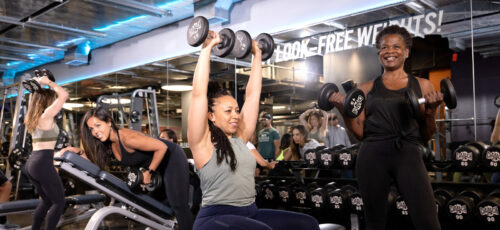
Preacher curls help you avoid using momentum, so you can focus on clean reps and build strength evenly in both arms. Using dumbbells lets each arm work on its own, which helps keep your muscles balanced.
How to do it:
Crunch tip:
Keep your upper arm glued to the bench. If it lifts, the weight is too heavy.
Optional variation:
Use a neutral (hammer) grip to shift emphasis slightly and reduce elbow stress.
Cables keep your muscles working the whole time, so you can feel each rep and control your speed better.
How to do it:
Crunch tip:
Focus on smooth, steady reps instead of rushing. Keeping tension on your muscles is more important than lifting heavy weights.
Optional variation:
Try one arm at a time to improve focus and control.
Discover more: The Best Arm Fat Workouts – Exercises That Tone & Strengthen Arms
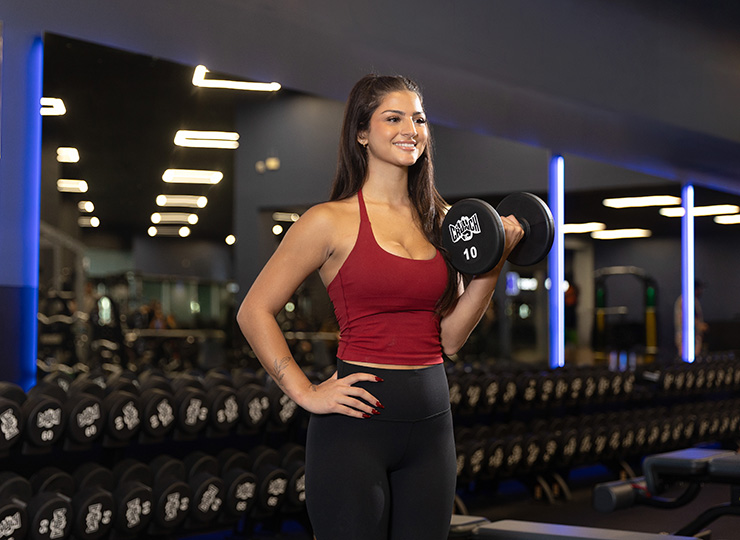
Your triceps make up most of your upper arm and are key to pushing strength. Strong triceps help with presses, push-ups, and keeping your arms balanced. Training them well boosts both your performance and muscle growth.
Top tricep exercises:
Skull crushers work your triceps with deep elbow bends and extensions, making them great for building arm strength if you do them with proper form.
How to do it:
Crunch tip:
Start light and move slowly, control beats heavier weight here.
Optional variation:
Use a barbell or EZ bar if it feels more stable.
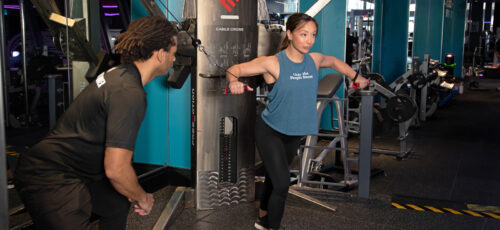
This exercise is easy to fit into any workout and simple to adjust. Using cables helps you keep steady resistance and smooth movement.
How to do it:
Crunch tip:
If your shoulders start to move, reset your stance and reduce the amount of weight on the cable.
Optional variation:
Try a reverse grip to place more emphasis on the inner triceps and reinforce controlled, balanced arm training.
Doing this exercise overhead stretches your triceps, letting you move through a full range and activate the muscle better.
How to do it:
Crunch tip:
Brace your core to avoid arching your lower back.
Optional variation:
Perform seated for added stability.
Read: What Are the Best Shoulder Strength Exercises?
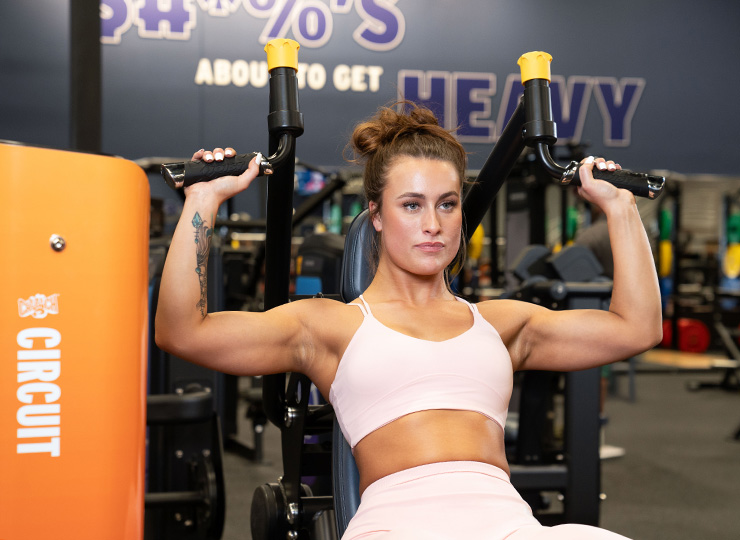
Your forearms help with grip, wrist control, and keeping your arms steady. Training them makes lifting, carrying, and daily tasks easier, and it boosts your performance in other upper-body exercises.
Top forearm exercises:
Wrist curls target your forearms and help you build endurance and better control.
How to do it:
Crunch tip:
Doing slow reps keeps your muscles working longer, so take your time with these.
Optional variation:
Flip palms down to train the opposite side of the forearm.
Farmer’s carries are simple but very effective. They boost your grip, posture, core and overall strength all at once.
How to do it:
Crunch tip:
Choose a weight that challenges your grip without compromising posture.
Optional variation:
Carry one weight at a time to add a core challenge.
Zottman curls mix a regular curl with a slow lowering phase that works your forearms and biceps, helping you build balanced arm strength.
How to do it:
Crunch tip:
Use lighter weight and focus on smooth transitions.
Optional variation:
Alternate reps with hammer curls for variety.
Check our article: What Are The 10 Best Exercises for Building Upper Body Strength?
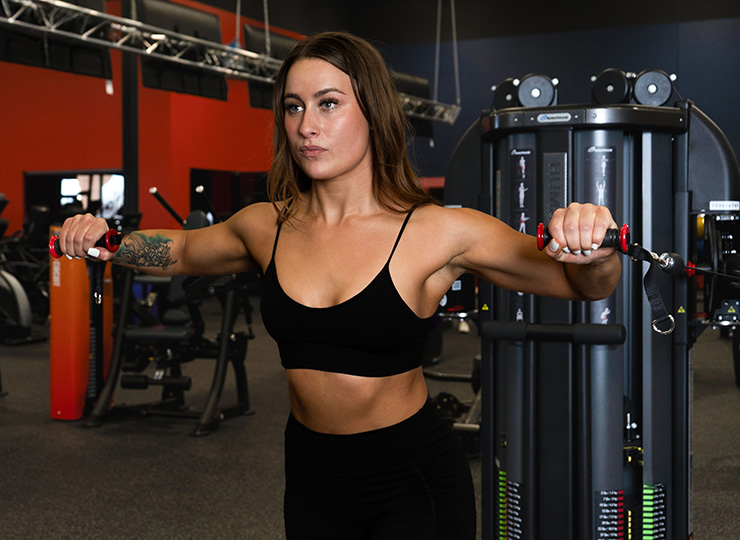
Planning your arm workout should feel clear, not overwhelming. Aim to train your arms with balance and control, so you get stronger without putting too much stress on your joints or burning out.
Begin by working both the front and back of your arms in the same session. Pairing bicep and tricep exercises keeps your pushing and pulling muscles balanced and makes your workout more efficient.
A simple arm workout structure:
Pay attention to your form, not just the weight you lift. If you start using momentum, use less weight, and slow down. Controlled reps and moving through a full range help your muscles grow and keep you making progress.
Finish your workout with some forearm or grip exercises to boost stability and help with other lifts. Gradually add more reps, sets, or weight over time. This steady progress keeps your arm workouts effective, manageable, and enjoyable.
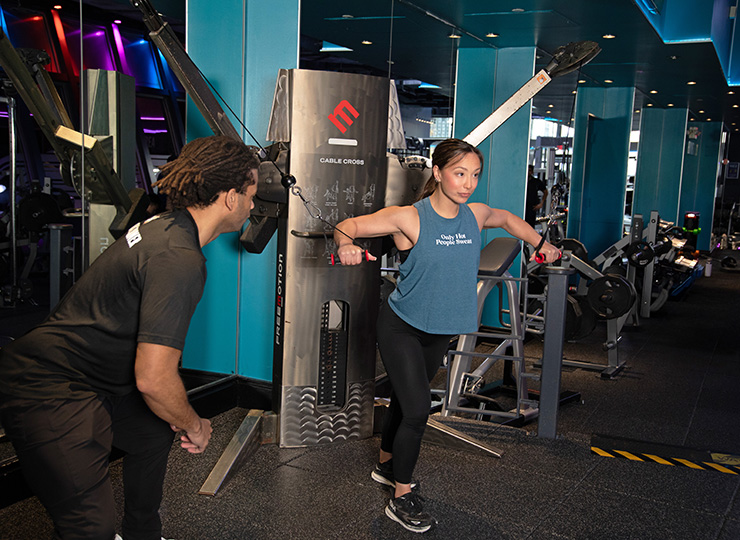
Building bigger arms isn’t about doing every curl you can find. It’s about training with purpose. At Crunch Fitness, trainers help members turn arm workouts into a clear, repeatable plan instead of just guessing.
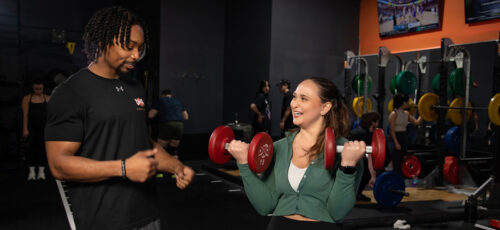
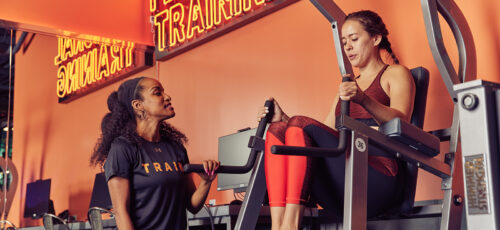
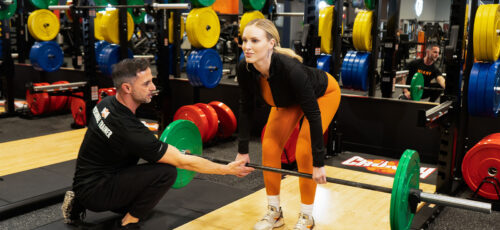
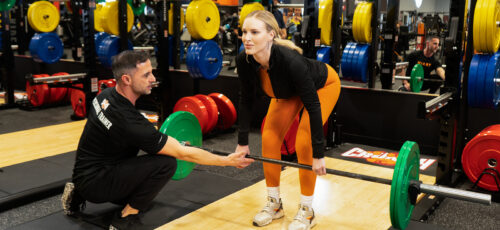
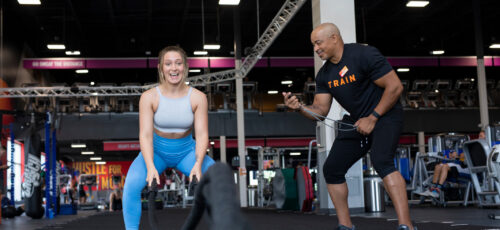
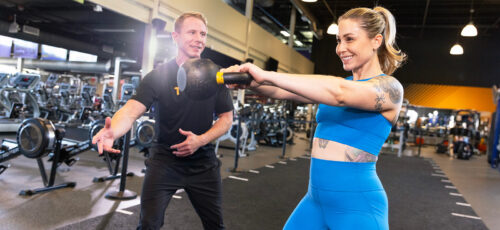
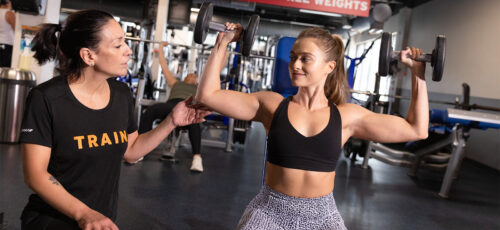
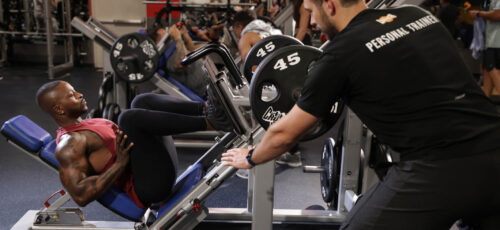
Personal trainers start by making sure you move well. They help you improve your form, control your pace, and make sure your biceps, triceps, and forearms are really working. Then, they organize your workouts so that pushing and pulling exercises are balanced, and your joints stay healthy.
As you get stronger, trainers help you increase reps, weight, or rest in a smart way so you keep building muscle without overtraining. They also help you notice plateaus early, make easy exercise changes, and stay consistent week after week.
The result isn’t just bigger arms; it’s confidence on the gym floor, better workouts, and progress you can feel every time you train.
Crunch promotes a culture of positivity, inclusivity, and fun with no judgments by providing an environment for all individuals, regardless of their health and fitness goals. Find a Crunch gym near you to try our free trial membership, or join Crunch now. We’re here for you – at the gym or at home. Access the best live & on-demand workouts anytime, anywhere with Crunch+. Ready to get sweaty? Try hundreds of workouts for free! Start your free trial now!
Most people see results with 2–4 sets of 8–12 repetitions per arm exercise. This range supports muscle growth while letting you maintain good form and control.
Yes, training biceps and triceps in the same workout is effective and time-efficient. Pairing exercises that target pushing and pulling muscles helps keep your arm training balanced.
Use a weight that feels challenging but allows you to complete all reps with proper form. If you’re swinging or rushing reps, the weight is too heavy for muscle growth.
Pushups mainly work the chest, shoulders, and triceps, not the biceps. Your biceps act as stabilizers, but they’re not the primary muscle being trained.
Most people notice visible arm muscle changes in 6–8 weeks with consistent strength training and proper recovery. Progress depends on workout quality, nutrition, and consistency.
Biceps typically respond within a few weeks, but meaningful size gains take 1–3 months of regular arm strength exercises and progressive overload.