









Best Core Muscle Workout for Beginners
January 13, 2026
Remember the last time your back twinged as you lifted a suitcase or your shoulders slouched after a long day at the desk?
These moments may seem minor, but they’re your body’s way of signaling that your core needs attention. You might think core workouts are just about getting six-pack abs, but they’re essential for stability and preventing these everyday strains.
Your core muscles play a key role in your body. They keep your spine stable, protect your lower back, and help with almost every movement, whether you’re carrying groceries or doing a HIIT workout.
Studies show that a strong core can reduce injury risk by up to 40% and significantly improve posture and balance. Not bad for something often skipped at the end of a workout, right?
So, where should you begin? Skip the endless crunches. True core strength comes from dynamic exercises that work your deep core muscles, hip flexors, glutes, and shoulders.
It’s about full-body coordination. Moves like planks, bird dogs, dead bugs, and side planks work your whole core, not just your abs.
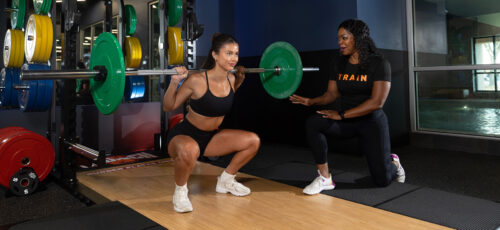
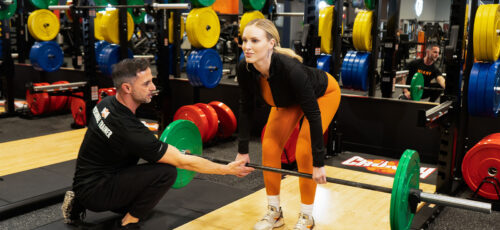
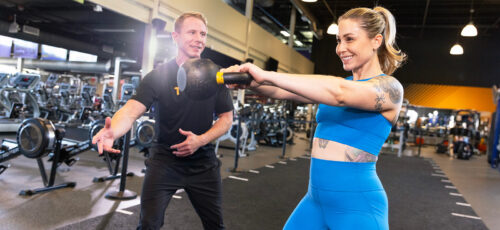
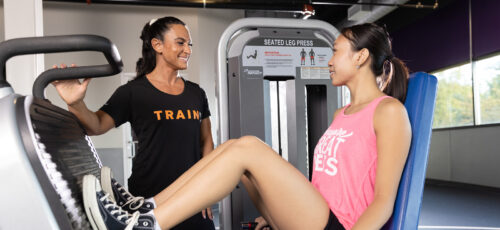
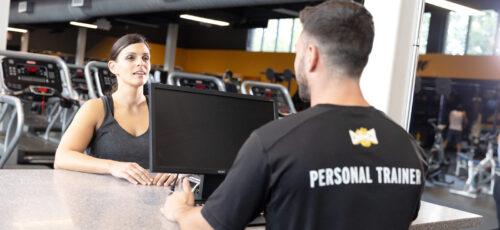
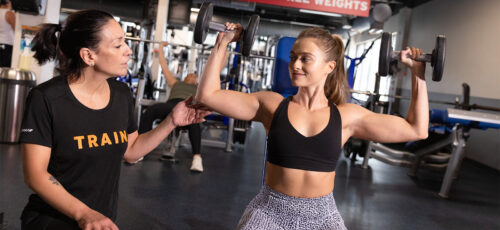
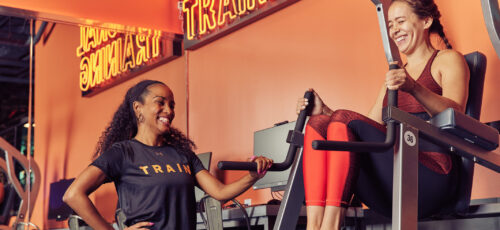
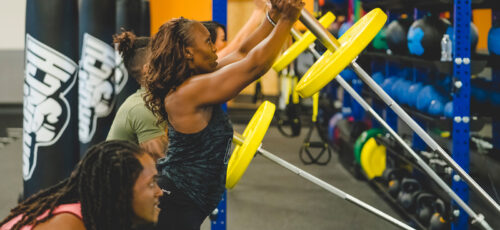
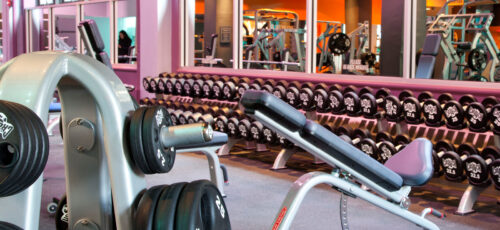
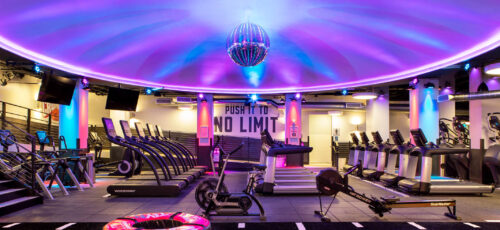
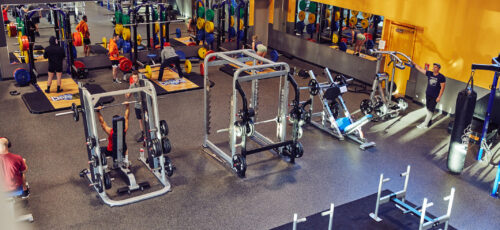
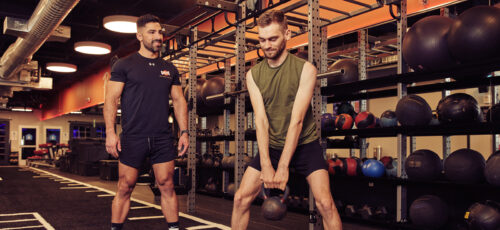
The good news is that Crunch Fitness has everything you need to begin. Our gyms have core-strength machines, stability tools, and personal trainers who can guide you through each exercise safely and effectively.
Whether you’re learning to keep a neutral spine, practicing core engagement, or working on your form with a certified trainer, we’re here to help you build strength, confidence, and control; one rep at a time.
Ready to fire up your core and discover where real strength begins? Keep reading to learn the ultimate core muscle workout for beginners.
If you’re ready to start your core muscle workout, these are the seven moves that will strengthen your midsection from every angle: front, side, and deep within.
No fancy tricks, just smart movement, consistent form, and a little grit.
Let’s go through each one.
If the plank were a movie, it’d be the timeless classic that never leaves the gym. This simple, no-equipment move targets your rectus abdominis, transverse abdominis, shoulders, glutes, and quads. Basically, your entire core.
How to do it:
Coach’s Tip: Try to keep your back so steady that you could balance a cup of coffee on it.
The bird dog may have a funny name, but it’s very effective. It builds core stability, improves balance, and helps your body move as one unit.
How to do it:
Why it matters: This is one of the best core exercises for beginners because it teaches control, which is the foundation for good lifting and better posture.
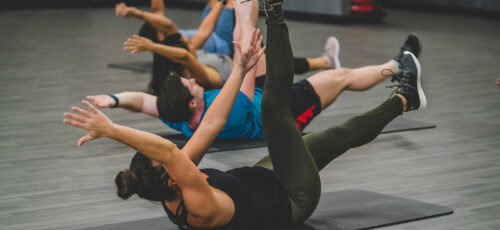
Don’t be misled by the name. This exercise is very effective. The dead bug helps you build coordination and stability by working your deep core muscles, obliques, and hip flexors at the same time.
How to do it:
Form Focus: Keep your back flat. If it lifts off the ground, your core is not fully engaged.
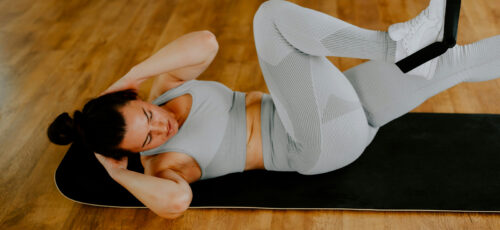
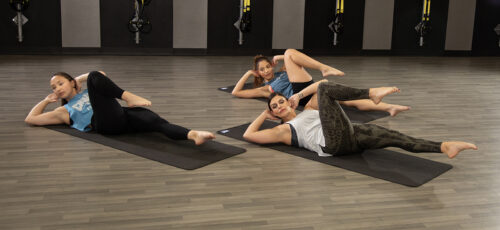
The bicycle crunch is a gym favorite for good reason. It works your rectus abdominis, obliques, and hip flexors, and also helps improve your endurance and coordination.
How to do it:
Crunch Humor: This is the only bike ride where you don’t move, but you still make progress.
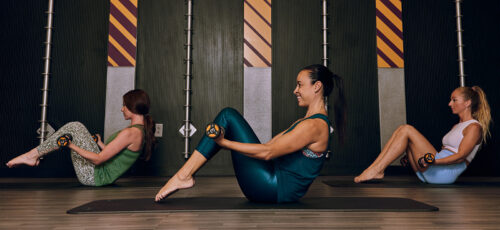
For training rotation, the Russian twist is one of the best. It strengthens your obliques and rectus abdominis, helping to make your torso strong and stable.
How to do it:
Challenge Mode: Try keeping your feet off the floor to improve your balance even more.
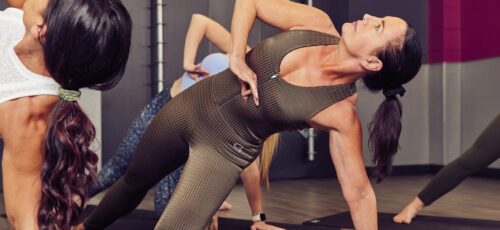
While the plank is a classic, the side plank is just as important. It targets your obliques, shoulders, and glutes, and helps train core stability from a new angle.
How to do it:
Why it works: This exercise builds practical strength that helps you stay upright, balanced, and strong.
Finish your core workout with mountain climbers. This exercise combines strength and cardio, working your shoulders, abs, and legs while raising your heart rate.
How to do it:
Bonus: Mountain climbers help you build speed and stamina. Your abs will feel the burn, and your endurance will improve.
Want to strengthen your core but not sure where to begin? Start your journey at Crunch Fitness, where every rep brings you closer to a stronger core.
Here’s why the gym is the perfect place to kick off your new core muscle workout routine:
Whether you’re doing your first plank or your hundredth, Crunch makes core training efficient, effective, and enjoyable. Strong abs begin here.
Discover more: Core Strength Exercises You Should Do Every Day to Build Strength & Stability.
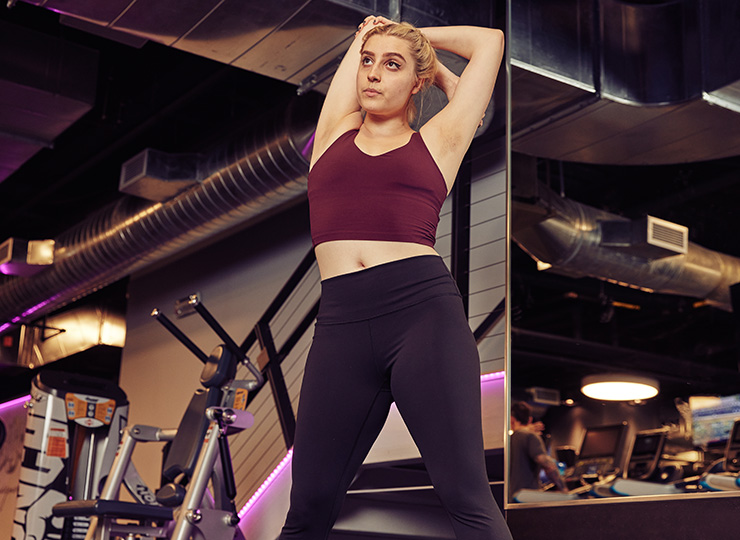
Let’s clear something up: your core is a group of muscles that work hard to keep you upright, stable, and moving well. It’s like your body’s own support team, helping you maintain good posture.
Here’s who’s in the lineup:
Together, they’re your core dream team; building strength, stability, and balance for everything from lifting weights to laughing too hard during a workout.
Starting your core workout as a beginner is a smart choice. But before you jump into planks and crunches, let’s talk about the best approach.
Building a strong core takes patience, focus, and sometimes a sense of humor, since your abs will definitely let you know they’re working.
Here are some fun but essential tips to get you started safely and effectively:
Start with stationary exercises like planks or side planks to activate your deep core muscles. Once your form is strong, move on to dynamic exercises like mountain climbers, plank rotations, or bicycle crunches. It’s like learning the basics before moving to more advanced moves.
It’s not about how fast you move; it’s about what you feel. Focus on engaging your rectus abdominis, obliques, and transverse abdominis every time you move. This connection keeps your spine stable and helps prevent injuries.
Avoid arching or rounding your back. Imagine balancing a glass of water on your lower back. If it would spill, adjust your form.
Your core moves in more than one direction. Be sure to train all three planes of motion:
Don’t forget your lower back, it’s part of your core. Strengthen your erector spinae and multifidus with exercises like supermans or bird dogs to improve posture and stability.
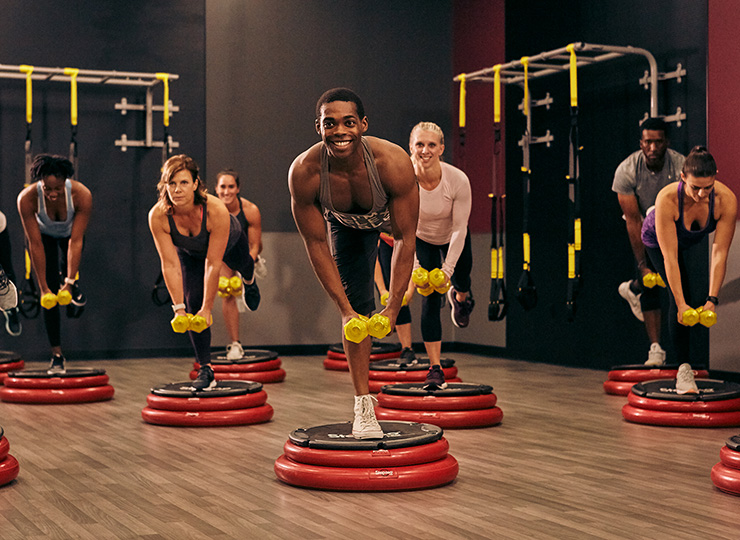
If you believe core training is only for getting visible abs, think again. Your core muscles connect your upper and lower body and are important for posture, performance, and injury prevention. Whether you’re lifting, playing sports, or sitting at a desk, a strong core helps everything work together.
A study in Isokinetics and Exercise Science found that participants who practiced core-focused Pilates three times a week improved their postural stability and stood taller after just two months. A strong transverse abdominis and erector spinae help maintain spinal alignment, preventing that dreaded forward hunch that comes from weak or underused core muscles.
Want a bigger chest, stronger legs, or heavier lifts? It starts at your center. Without proper core strength, your bench press, squat, or deadlift won’t reach full potential.
As Crunch Fitness expert trainers explain, a weak midsection often leads to rounded shoulders and poor lifting posture. Strengthening your deep core muscles stabilizes your spine, allowing you to generate more power through your entire body and lift heavier, safely.
Your core acts as a bridge between your upper and lower body. The stronger your core, the more efficiently you can move, lift, and perform.
No matter what sport you play—running, cycling, basketball, or yoga—your core is key to good form and endurance.
A study from Ohio State University Wexner Medical Center showed that runners with weak deep core muscles were more likely to experience low-back pain due to instability and poor posture.
If your core gets tired, your form and performance suffer. For example, a runner might hunch over with slumped shoulders and struggle to breathe. Strengthening your rectus abdominis and obliques helps you stay upright, breathe better, and move more efficiently.
To be clear, doing lots of crunches won’t make belly fat disappear. Core exercises strengthen and tone the muscles in your midsection, which is important for a defined core, but they don’t target fat in that area.
The key to reducing belly fat is creating an energy deficit, which means burning more calories than you eat.
According to research published by Examine, exercise alone isn’t the most efficient way to achieve weight loss. The article notes that while workouts support your goals, true fat reduction happens when smart nutrition meets consistent movement. In other words, your crunches matter, but your kitchen habits matter more.
Studies also show that spot reduction (losing fat from a specific area) is a myth. Research in Human Movement confirmed that “localized muscle training had no effect on localized fat loss.”
What does this mean? You can’t get rid of belly fat just by doing planks, but you can lose overall fat by combining strength training, cardio, and core workouts.
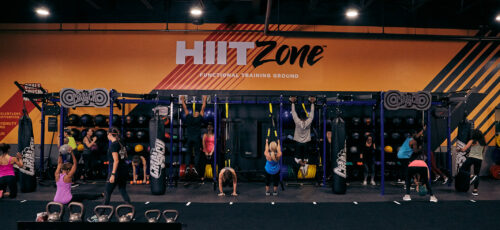
At Crunch Fitness, we help members approach fat loss in a balanced way. Combine core training with full-body workouts, HIIT sessions, and nutrition advice from our certified trainers. With portion control, healthy food choices, and regular exercise, you’ll become stronger, leaner, and more confident over time.
Pick two moves today, log your hold times, and beat them next week. This small challenge can turn your newfound knowledge into momentum toward a stronger you.
Crunch promotes a culture of positivity, inclusivity, and fun with no judgments by providing an environment for all individuals regardless of their health and fitness goals. Find a Crunch gym near you to try our free trial membership, or join Crunch now. We’re here for you – at the gym or at home. Access the best live & on-demand workouts anytime, anywhere with Crunch+. Ready to get sweaty? Try hundreds of workouts for free! Start your free trial now!
Start with basic moves like planks, bird dogs, and dead bugs. Focus on proper form, slow control, and breathing to engage your deep core muscles safely.
Yes, if done right! A 20-minute core workout with consistent tension, correct form, and minimal rest can effectively strengthen your abs and improve stability.
The “Big 3” are the plank, side plank, and bird dog. These target your entire core, improving strength, posture, and spinal stability without straining your back.
Common signs include poor posture, lower back pain, and difficulty balancing during exercises or daily movements.
Most people notice improvements in 2 to 4 weeks with consistent workouts and proper nutrition. Visible muscle definition takes longer, depending on body fat levels.
It’s best to train your core 3–5 times per week. Your muscles need rest to recover and grow stronger; balance consistency with recovery for the best results.