









Best Hip Flexor Exercises to Improve Mobility & Reduce Tightness
March 10, 2026
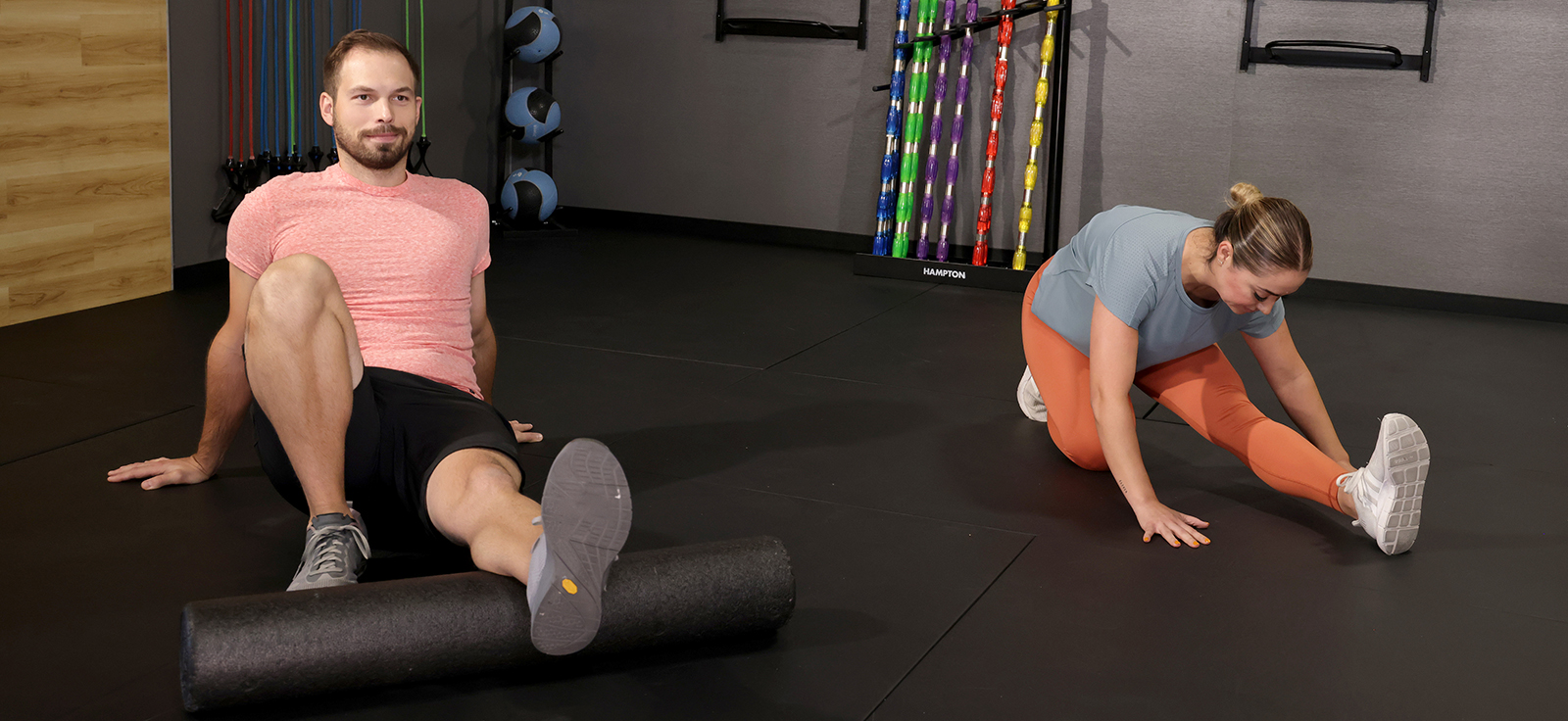
If your hips feel tight, stiff, or not quite right, your hip flexors could be the reason. These important muscles (Iliopsoas, rectus femoris, and other deep hip muscles) help you lift your knee, keep your pelvis steady, and control hip movement whenever you walk, run, squat, or stand up.
Long hours of sitting, hard workouts, or repeating movements like cycling can make your hip flexors shorter and limit how well your hips move. When your range of motion drops, your posture can change, and your glutes or hamstrings might have to work harder. This can lead to discomfort in your lower back or knees. Tight hips can affect your balance, core strength, and how well you move overall.
The right hip exercises can help you move better and get stronger at the same time. Rather than sticking to just one stretch, it’s best to use a mix of dynamic warm-ups, controlled strength moves, and drills that boost hip strength and coordination.
Want to move more easily and feel less stiff? Read on to find the best hip flexor exercises for better mobility, posture, and more comfortable training.
Think of your hips like a set of well-oiled hinges. When they move smoothly, everything feels easier, walking, squats, cycling, and even getting up from the couch.
Better hip mobility isn’t just about holding one long stretch. Real progress comes from gentle stretching, moving your hips through their full range, and building strength with control.
The exercises below are organized by level, so you can start where you are and progress at your own pace.
If you’re also looking to level up strength, check out our guide to the best hip strength exercises.
If you’re new to mobility exercises, begin with simple moves. These basics help ease stiffness from sitting and make you more aware of your pelvis and posture.
Try:
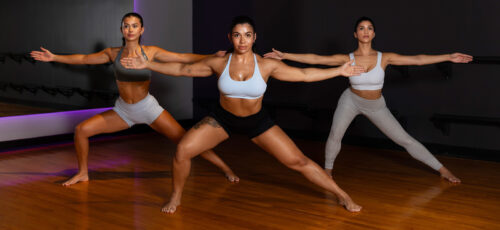
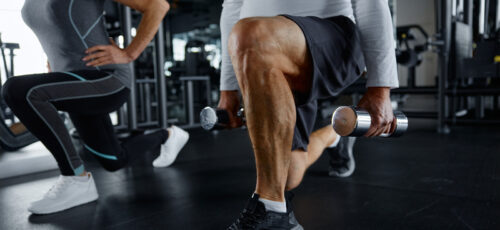
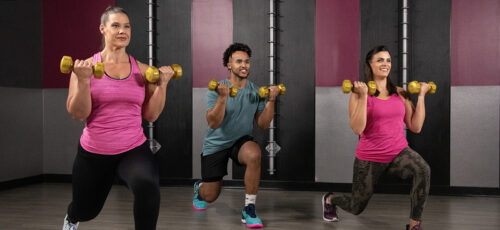
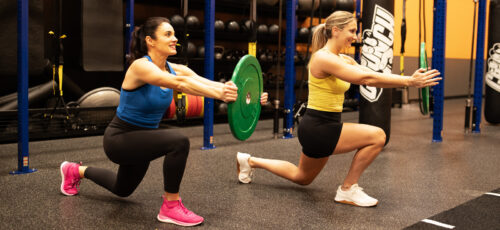
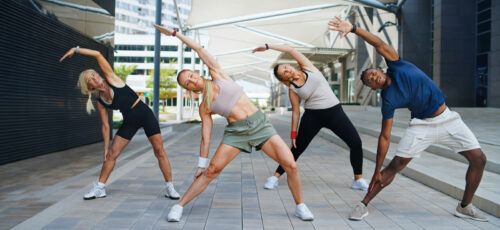
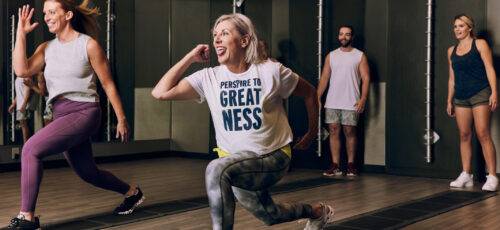
Before doing squats or mountain climbers, get your hips moving. Try walking lunges with a reach, step forward, lift your arms overhead, and feel your front hip open as your glutes work. You can also add leg swings or dynamic split squats to gently move your hip joint through its range.
Move with control, as if you’re practicing for a performance. This helps build balance, coordination, and mobility without putting extra stress on your knees or lower back.
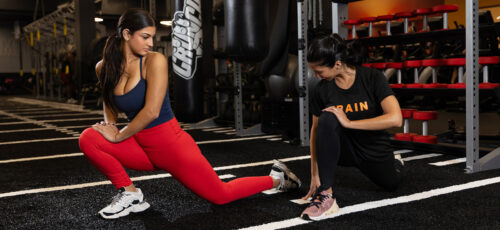
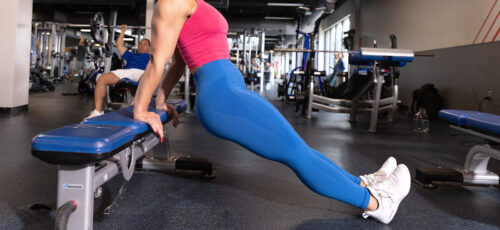
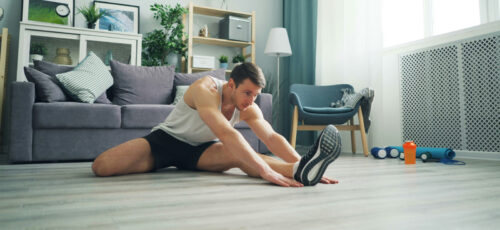
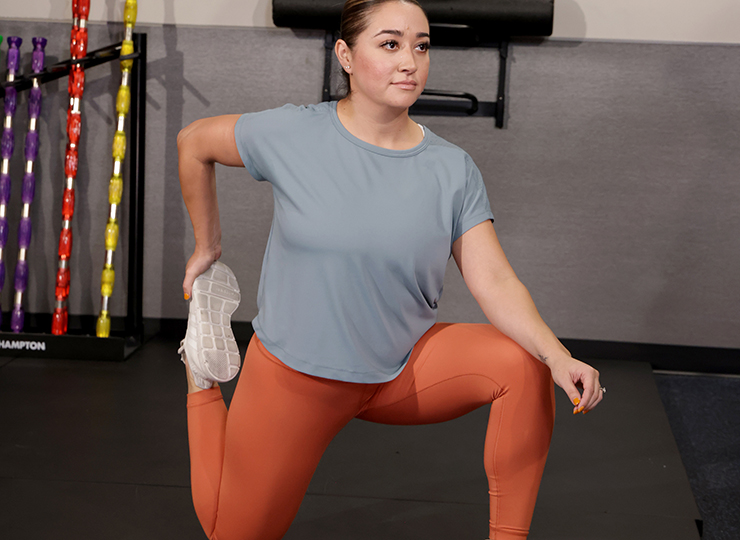
Try the classic couch stretch:
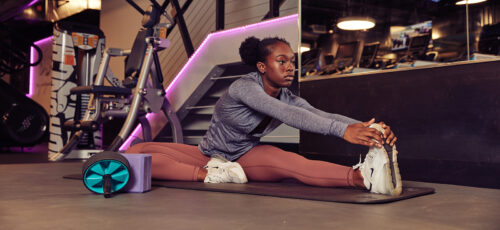
You should feel a stretch in your iliopsoas and quadriceps. Hold for 30 to 60 seconds and breathe slowly. Don’t arch your lower back or hold your breath.
You can explore more daily flexibility ideas in our guide to stretching exercises you should do every day.
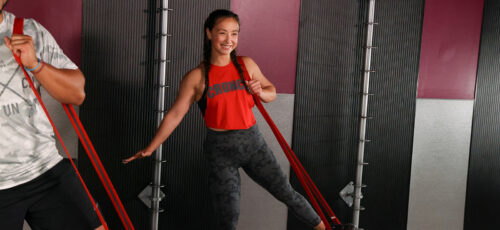
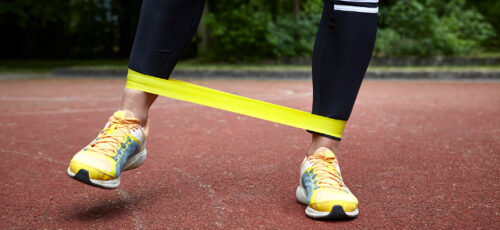
Mobility improves when you also build strength. Try standing banded hip flexion: loop a resistance band around your foot and slowly lift your knee as if stepping over a hurdle. You can also do slow step-ups, focusing on your glutes and core stability.
Aim for 8 to 12 slow, controlled repetitions. Focus on doing each rep well, not quickly.
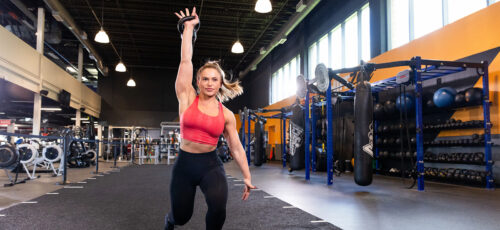
When you’re comfortable with the basics, try more advanced moves. Pistol squat progressions challenge your balance and hip control. Kettlebell goblet squat pulses in a deep squat help build strength at the end of your range.
These are advanced hip exercises, so be sure to master the basics first. That way, your hips will move with more power and confidence.
Your hip flexors might not get as much attention as your glutes or core muscles, but they quietly influence almost every lower-body movement you make. This muscle group (iliopsoas, rectus femoris) controls hip flexion, helps lift the knee, and stabilizes the pelvis during walking, running, squats, and even simple transitions from sitting to standing.
When hip flexors become tight, often from prolonged sitting, repetitive cycling, or skipping proper mobility work, they can pull the pelvis into an anterior tilt. That forward tilt increases pressure on the lumbar spine, contributes to lower back pain, and changes how your body distributes force.
When your gluteus maximus isn’t working as it should, your lower back and hip joint may take on stress they aren’t meant to handle.
Restricted hip mobility can impact:
Good hip flexor mobility helps you move more smoothly, improves balance, and makes you feel more comfortable overall. Strengthening the muscles around your hips can also protect your spine. Learn more in our guide to the top exercises for lower back strength.
Improving hip flexor mobility is not just about being more flexible. It also helps you regain coordination, strength, and control in your lower body. Whether you’re an athlete, work at a desk, or just want to feel less stiff, better hip mobility can make a real difference.
Here’s what you may notice:
Mobility and strength go hand in hand. To see how movement and strength training work together, check out our guide to functional strength training.
When your hip flexors move well and work together with your glutes, hamstrings, and core, your whole lower body works better. This means you’ll perform better, feel less pain, and have more confidence in every step.
Your hip flexors aren’t just one muscle; they’re a small group that helps you lift your leg and move with control. Every time you walk, climb stairs, get into your car, or step into a squat, these muscles are working.
The most important one is the iliopsoas. It’s actually two muscles, the iliacus and the psoas major, that work together. Think about lifting your knee to tie your shoe or stepping over something on the floor.
That movement comes from your iliopsoas. It connects your lower back and pelvis to your thigh bone (femur), which means it also affects your posture. If you sit for long periods, this muscle can tighten up. That’s why your hips might feel stiff when you stand after being at a desk all day.
Next is the rectus femoris, one of your quadriceps muscles. What makes it different is that it crosses both the hip and the knee. Imagine doing a lunge: as you bend your knee and lower your body, this muscle is working at both joints. Because it has two jobs, it can get tight more easily, especially if you run, cycle, or do a lot of squats.
The sartorius is a long, thin muscle that runs across the front of your thigh. It helps when you lift your leg and turn it outward, like when you sit cross-legged.
Then there’s the tensor fasciae latae (TFL) on the outside of your hip. It helps keep your pelvis steady when you stand on one leg, walk, or climb stairs.
All these muscles work together to help you move smoothly, stand upright, and keep your hips stable during daily activities and exercise.
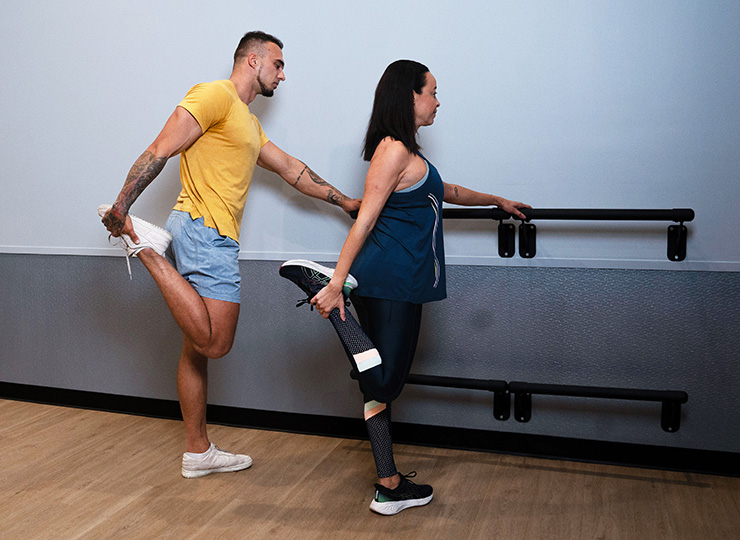
Tight or weak hip flexors often don’t cause obvious problems at first. Instead, you might notice small changes in how you move each day.
You might notice:
If standing up from a chair feels stiff, climbing stairs is hard at the top, or standing tall takes effort, your hip flexors could be the cause. Tight hip flexors can pull your pelvis forward, put extra strain on your lower back, and change how your glutes and core work.
Over time, this imbalance can contribute to lower back pain, knee pain, and reduced athletic performance. When hip mobility is limited, other joints, like the knees and ankles, often compensate, increasing injury risk.
If you notice these signs early, you can work on your mobility, strengthen weak spots, and restore balance before discomfort gets worse. Targeted mobility and strength exercises can help your hips move better and support the rest of your body.
If you only stretch your hip flexors and ignore the other muscles around them, your progress may not last. Real hip mobility comes when your whole hip area, including glutes, hamstrings, and core, works together.
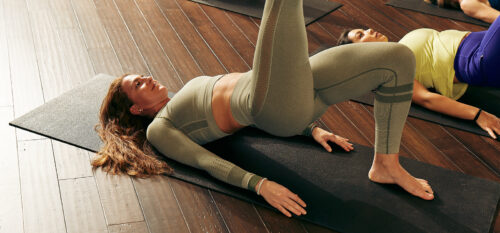
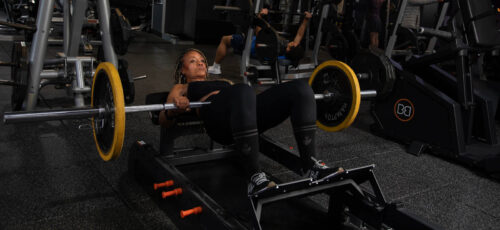
Tight hip flexors often overpower underactive glutes. Adding glute activation exercises like glute bridges, clamshells, and hip thrusts helps restore balance. When your gluteus maximus and gluteus medius fire properly, they reduce excessive strain on the hip joint and improve movement patterns in squats, walking lunges, and even cycling.
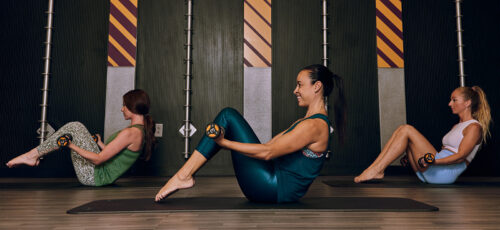
Your core stability also plays a major role. Muscles that stabilize the pelvis and lumbar spine help maintain proper alignment during hip flexion and mobility drills. Exercises like planks, dead bugs, and controlled marching strengthen the connection between your core and hip muscles. If you’re new to this, explore our guide to the best core muscle workout for beginners.
Don’t forget your hamstrings. When hamstring flexibility is limited, it can alter pelvic positioning and restrict the overall range of motion. Balanced flexibility between hip flexors and hamstrings supports smoother stride length, deeper squats, and better posture.
At Crunch, our comprehensive equipment, from resistance bands to strength machines, supports this balanced approach. For more lower-body programming ideas, check out lower body strength training that delivers results. Addressing the entire muscle group around the hips creates more sustainable mobility than focusing on hip flexors alone.
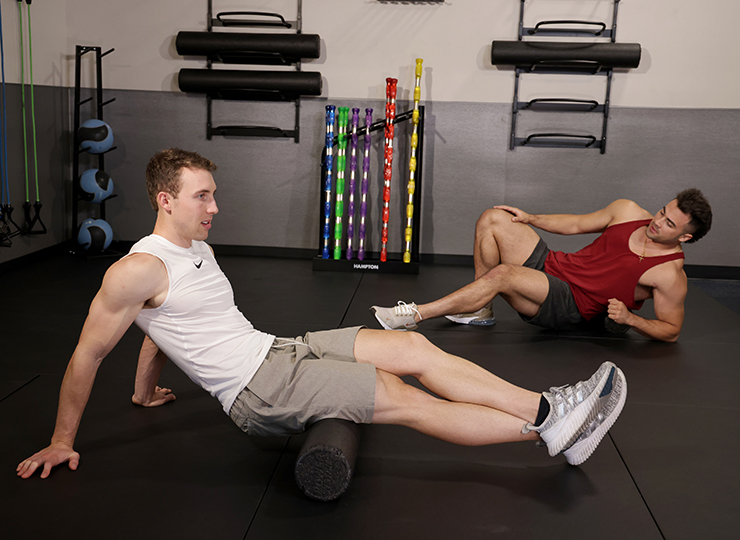
For mobility, being consistent is more important than working really hard. Short sessions of about 10 to 15 minutes, done three to five times a week, work much better than one long workout every few weeks.
If you spend much of your day sitting, brief daily mobility drills can be especially helpful. Gentle hip flexor stretches, dynamic warm-up movements like leg swings, or light strengthening exercises can easily fit into a warm-up, cool-down, or standalone session.
Here’s a simple weekly example:
Change how often you do these exercises based on how your body feels. It’s normal to feel a little sore, but if you have sharp hip pain or ongoing lower back pain, you should do less. For more help, check out our beginner’s guide to strength training.
With consistent practice, many people notice reduced stiffness and improved comfort within 1–2 weeks. Early changes often include better posture, smoother transitions from sitting to standing, and less tightness in the lower back.
More significant functional improvements, like deeper squats, longer stride length, and improved balance, typically appear after 4–6 weeks of steady work. The timeline depends on your starting mobility, age, activity level, and how long tightness has been present.
Keeping your hips flexible takes regular effort. Since many of us sit a lot, hip flexors can get tight again if you don’t move often. That’s why it’s important to make mobility exercises part of your weekly routine.
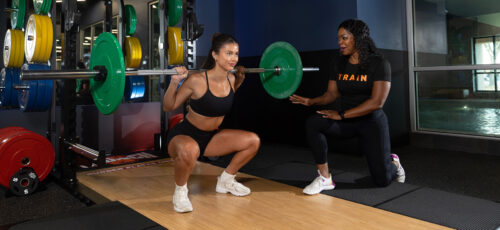
Crunch personal trainers can assess your hip mobility, identify imbalances in surrounding muscles, and create realistic timelines based on your goals, helping you move better, faster, and with confidence.
A common mistake is overstretching or forcing your hips to move too far. If you push too hard into a deep stretch, your muscles may tighten up instead of relaxing.
Another common error is arching the lower back during stretches. If your pelvis tips forward and your lumbar spine overextends, you’re no longer targeting the hip flexors effectively and you may strain your lower back. A slight posterior pelvic tilt (gently tucking the pelvis) keeps the focus where it belongs.
Rushing through mobility exercises can also slow your progress. Doing lunges or leg swings too quickly doesn’t give your body time to adapt. Moving at a steady pace helps improve your range of motion, balance, and joint stability.
Many people also make the mistake of stretching without strengthening. Lengthening tight hip muscles without building strength in the glutes, hamstrings, and core muscles limits long-term results. True mobility requires both flexibility and control.
Not practicing regularly is another problem. Doing exercises only once in a while won’t help your hips improve. Short, regular sessions work much better.
Finally, skipping a proper warm-up before deeper stretches increases injury risk. Light dynamic warm-up movements improve blood circulation and prepare tissues safely.
Hip flexor mobility training isn’t only for athletes. It’s for anyone who wants to move better.
When your hips move better, your whole body benefits, from posture to performance.
Crunch Fitness offers the ideal environment to improve hip mobility safely and effectively.
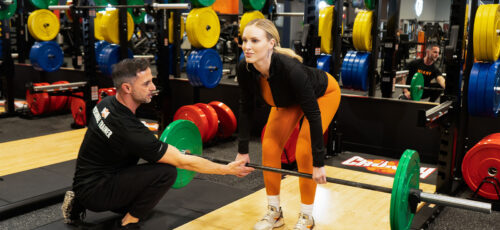
First, professional assessment from certified personal trainers helps identify tight hip flexors, weak glutes, or core imbalances.
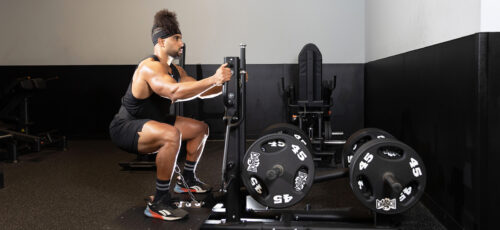
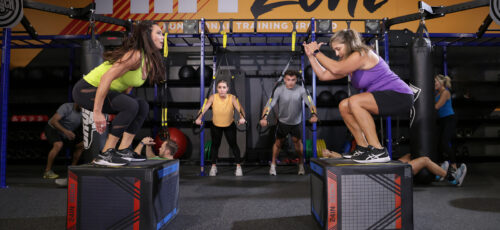
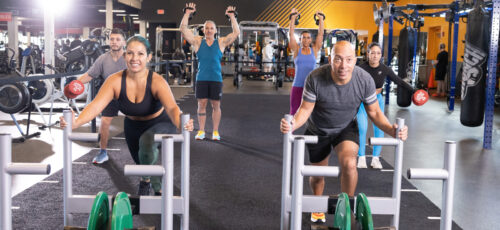
Second, comprehensive equipment, from resistance bands and free weights to functional training spaces, allows you to combine stretching, strengthening, and dynamic mobility work.
Third, engaging programming keeps mobility work fun and sustainable, whether through personal training or structured workouts.
With expert help, great facilities, and balanced programs, Crunch makes it easier to build stronger, more flexible hips for long-term movement health.
Crunch promotes a culture of positivity, inclusivity, and fun with no judgments by providing an environment for all individuals, regardless of their health and fitness goals. Find a Crunch gym near you to try our free trial membership, or join Crunch now. We’re here for you – at the gym or at home. Access the best live & on-demand workouts anytime, anywhere with Crunch+. Ready to get sweaty? Try hundreds of workouts for free! Start your free trial now!
Hip flexors are muscles that help lift your thigh toward your body and control hip movement. The main ones are the iliopsoas (psoas major and iliacus) and rectus femoris. These muscles support walking, running, squats, and help keep your pelvis stable. They also affect your posture and lower back alignment.
Hip flexors can feel tight if you sit for long periods, do repetitive activities like cycling, or don’t work on mobility. Sitting a lot makes the iliopsoas shorter and limits hip movement, which can cause stiffness, lower back discomfort, and less range of motion.
Yes, doing specific hip flexor exercises can help you move better and improve your posture by keeping your pelvis in the right position. Stretching and strengthening these muscles can reduce pelvic tilt, support your core, and take pressure off your lower back.
Yes, it’s safe to do gentle hip flexor mobility exercises every day, especially if you spend a lot of time sitting. Short sessions of stretching and light strengthening help keep your hips moving well and prevent stiffness, without putting too much stress on your joints.
Both stretching and strengthening are important for keeping your hips healthy over time. Stretching makes you more flexible, while strengthening exercises help your hips stay stable and keep the progress you make.