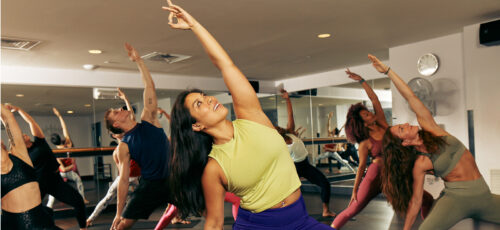










Can Pilates Help You Lose Weight?
December 5, 2025
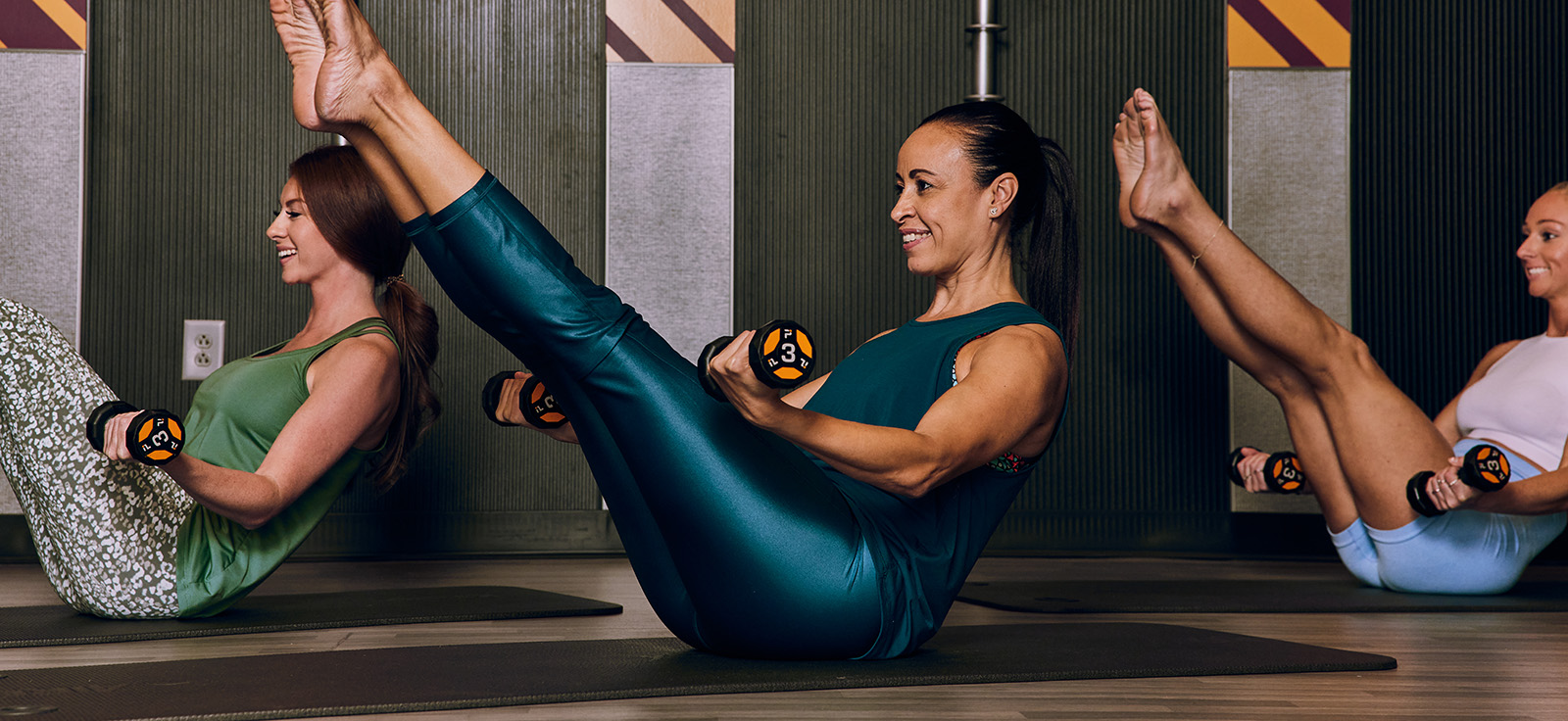
If you’ve been wondering, “Can Pilates help you lose weight?”, the answer is a confident yes! But not because it’s magic, because it’s movement with intention.
Pilates combines muscle toning, core strength, and controlled breathing for a workout that reshapes both your body and your mindset.
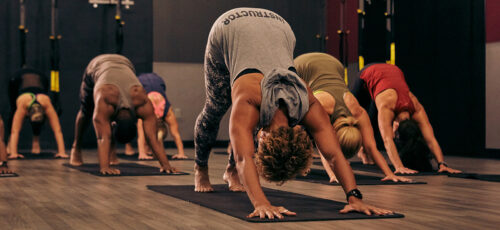
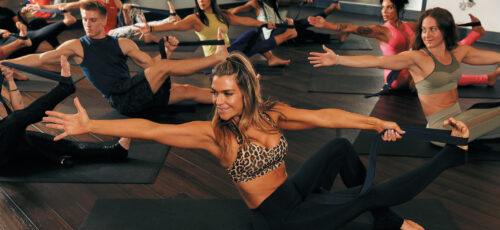
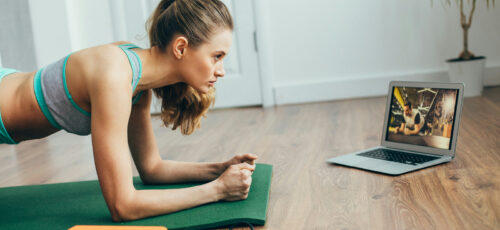
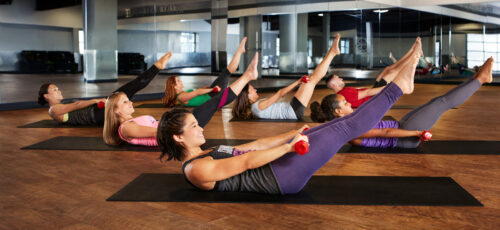
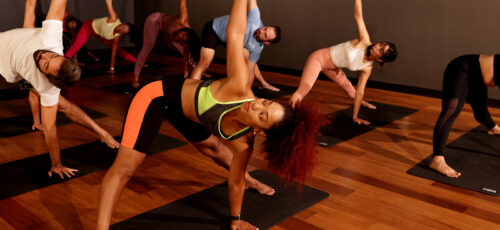
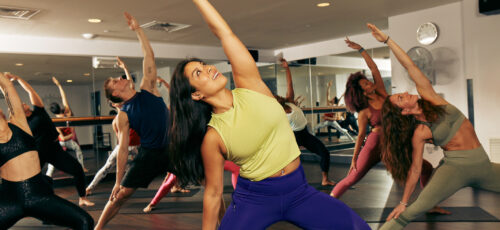
This isn’t your typical aerobic exercise; it’s a full-body therapeutic workout that improves pelvic mobility, balance, and flexibility. Whether you’re in Pilates classes on a reformer or following an online mat Pilates routine, every session activates major muscle groups and helps sustainably burn calories.
The secret? Pilates trains you to build lean muscle and maintain a healthy metabolism, essential for long-term weight loss success. And when you pair it with strength training or brisk walking, you’ll see even faster results.
In this article, you’ll uncover:
Get ready; Crunch Fitness is about to prove that slow and steady does win the fitness race.
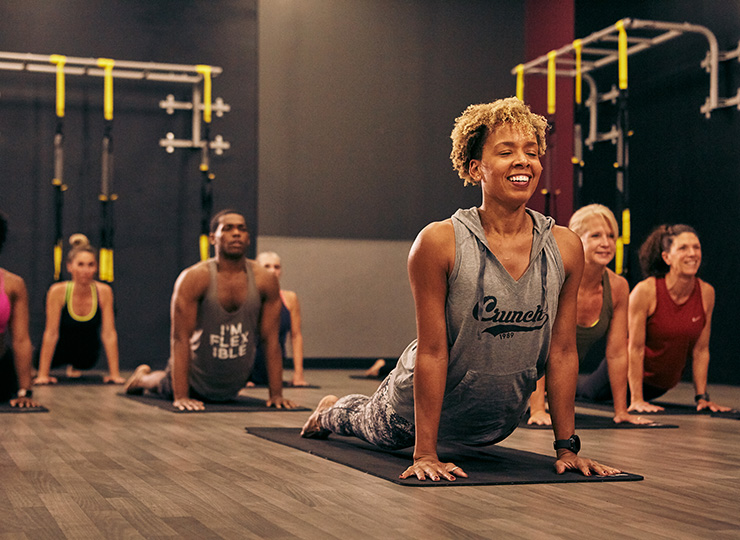
Pilates is about precision, control, and connecting your mind and body. Still, many people ask, “Can Pilates help me lose weight, or is it just about stretching?” The answer depends on your goals, your workout routine, and yes, your eating habits.
Pilates is a low-impact exercise that tones muscle groups, strengthens your core, and improves posture, all essential for maintaining a healthy weight.
A 2017 study published in the Archives of Physical Medicine and Rehabilitation followed 37 overweight women who practiced Pilates for eight weeks.
The results? Noticeable weight loss, reduced waist size, and improved body composition, without any grueling cardio. Pretty impressive for an exercise developed during World War I, right?
But let’s be real, if your goal is major fat loss, traditional mat Pilates might not burn as many calories as a spin class or walking.
Depending on your fitness level, a 50-minute session burns around 175 calories, while reformer Pilates can push that number closer to 254. The secret is to maintain consistency by combining Pilates with aerobic exercise and strength training.
The American College of Sports Medicine shows that people who enjoy their workouts are more likely to stick with them long-term. So if you love your Pilates classes, you’ve already won half the battle, because consistency beats intensity every time.
Think of Pilates as the backbone of your weight loss plan; it builds core strength, boosts stability, and primes your body for more dynamic workouts. Add a little cardio, eat smart, and you’ll not only look better but also feel stronger, stand taller, and move through life with more energy and confidence.
Now that’s a transformation Joseph Pilates would celebrate.
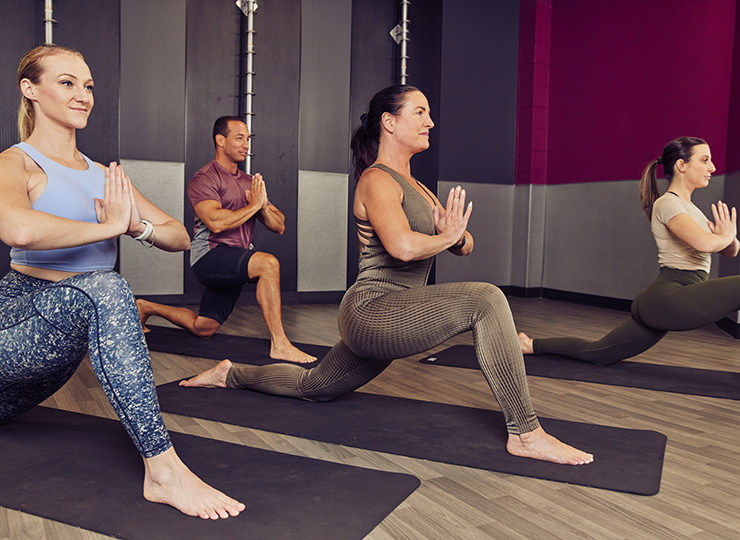
When it comes to losing weight with Pilates, both mat Pilates and reformer Pilates can help you slim down, tone up, and feel stronger, but they do it in slightly different ways.
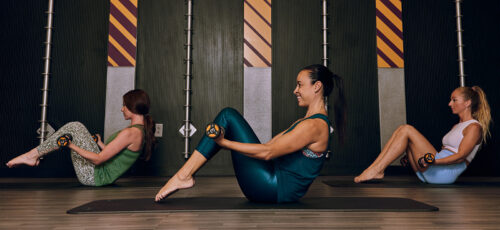
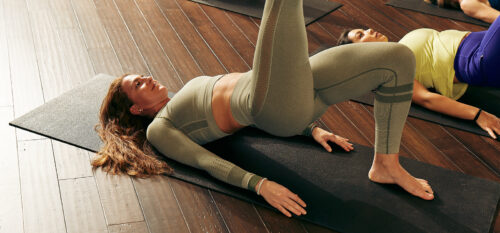
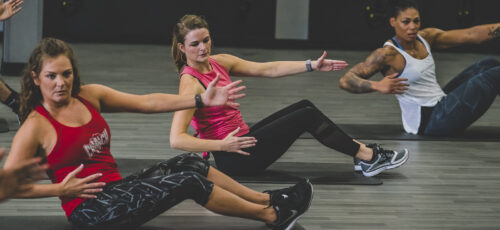
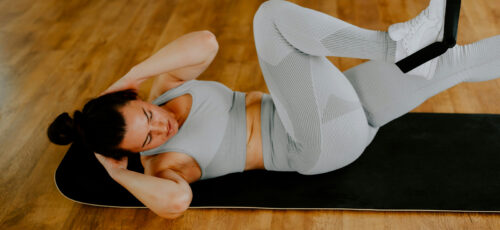
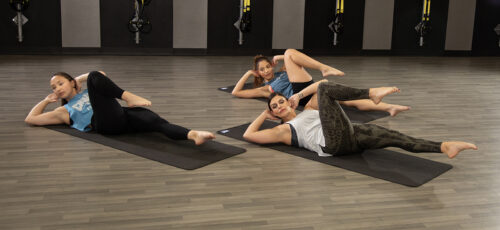
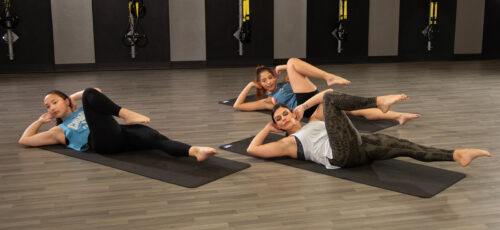
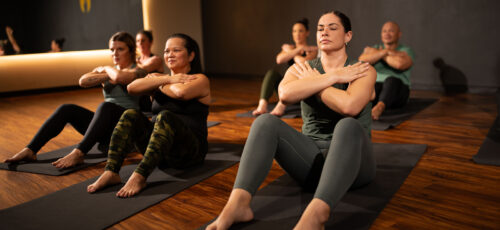
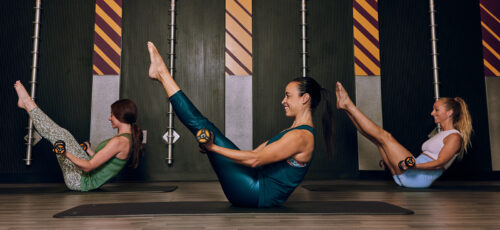
Mat Pilates is the classic style: no fancy equipment, just you, a mat, and gravity. It’s perfect for beginners because it focuses on using body weight as resistance to strengthen your core muscles, improve posture, and increase flexibility. It’s accessible, portable, and great for consistency, especially if you’re practicing at home.
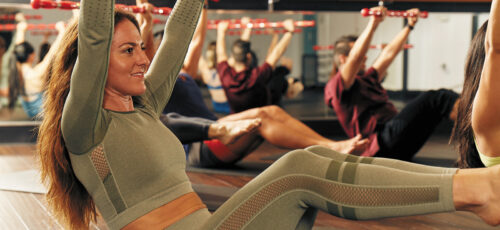
Reformer Pilates, on the other hand, cranks things up a notch. Using a machine with springs, straps, and a moving platform, it challenges your muscle groups with adjustable resistance, often more than your body weight alone. That means more calorie burn, faster muscle conditioning, and higher intensity, making it slightly more effective for weight loss than mat Pilates.
Still, the “best” type of Pilates is the one you’ll stick with. If reformer classes motivate you, go for it! If mat Pilates keeps you consistent and confident, that’s your winner. Add either one to a balanced diet, regular aerobic exercise, and solid sleep habits, and you’re on the right track to lasting results.
If you’re serious about seeing changes in your body composition and overall fitness, consistency is key. According to a systematic review published in the Journal of Bodywork and Movement Therapies, practicing Pilates for 60 minutes a day, five times per week, over four weeks showed the best improvements in strength, tone, and posture.
But don’t worry, if your schedule doesn’t allow for that much mat time, any amount of movement still counts. Even a few shorter sessions per week can enhance core strength, flexibility, and mental focus. The most important part is staying consistent and making Pilates a regular part of your fitness routine.
Health experts, including the Centers for Disease Control and Prevention (CDC) and the Physical Activity Guidelines for Americans, recommend at least 150 minutes of moderate to vigorous exercise per week. That’s just 30 minutes a day, five days a week, a perfectly achievable goal for most people.
So whether you’re flowing through a reformer workout or squeezing in a mat session between meetings, keep moving. With regular practice, you’ll notice better muscle tone, improved posture, and a calmer, stronger body that supports your long-term health and weight management goals.
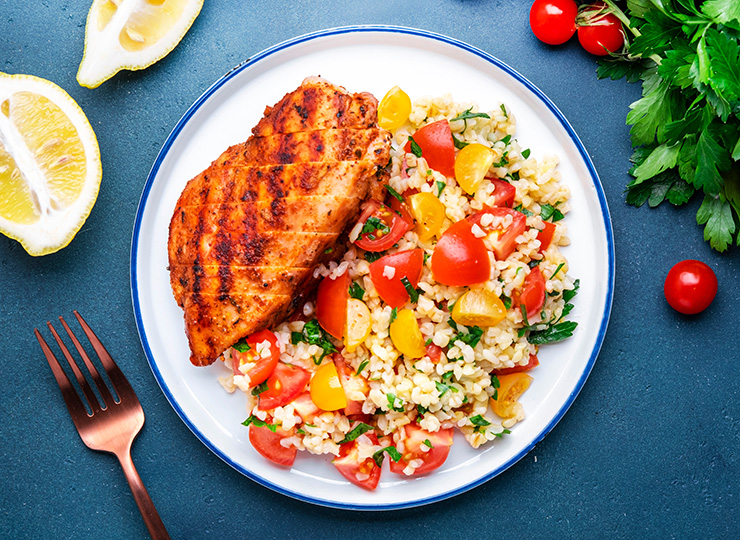
Remember, losing weight isn’t just about sweating harder; it’s about moving smarter, eating better, and staying consistent.
Here are some practical, research-backed tips to make your weight loss journey more effective and sustainable:
A high-protein diet helps you stay fuller for longer by lowering ghrelin (the hunger hormone) and boosting satiety hormones. Think lean meats, eggs, tofu, Greek yogurt, or legumes. Protein also supports muscle recovery, especially important if you’re mixing Pilates with strength training.
Combine Pilates workouts with aerobic exercises like brisk walking, cycling, or dance classes. Cardio not only burns calories but also boosts heart health.
For ideas, check out Crunch Fitness articles like “Step Up Your Fat Burn: How to Lose Weight by Walking Like a Pro” or “What Are the Best Workout Classes to Lose Weight?”
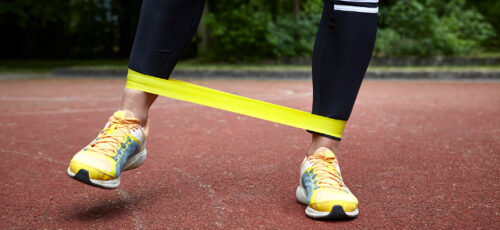
Building muscle through resistance training increases your basal metabolic rate (BMR), meaning you burn more calories even at rest. Bodyweight moves, resistance bands, or light dumbbells pair perfectly with Pilates-based exercises for toning and fat loss.
Going 14–16 hours without eating (with doctor approval) may help you reduce calorie intake and burn fat while maintaining lean muscle mass.
Read our article: Intermittent Fasting and Strength Training – How to Do it Correctly
Poor sleep and dehydration can slow metabolism and increase cravings. Prioritize 7–8 hours of rest and plenty of water daily.
Do you want to dive deeper? Explore more Crunch Fitness reads like “Strength Training Exercises You Can Do Every Day To Stay Fit” and “How to Lose Weight Fast & Keep it Off Permanently.”
Small, consistent changes lead to lasting results, one rep, one meal, and one mindful breath at a time.
Thinking about starting Pilates? Great choice, it’s one of the best low-impact exercises for improving strength, flexibility, and posture.
Here’s how to begin safely and confidently:
Almost anyone! Pilates suits all fitness levels, from beginners to athletes. However, always consult your doctor before starting if you’re:
Start where you are, move mindfully, and let Pilates reshape not just your body, but your mindset too.
Crunch promotes a culture of positivity, inclusivity, and fun with no judgments by providing an environment for all individuals regardless of their health and fitness goals. Find a Crunch gym near you to try our free trial membership, or join Crunch now. We’re here for you – at the gym or at home. Access the best live & on-demand workouts anytime, anywhere with Crunch+. Ready to get sweaty? Try hundreds of workouts for free! Start your free trial now!
Yes, Pilates can help reduce stomach fat by strengthening your core muscles and improving posture. While it may not burn fat as quickly as cardio, it tones your abs and supports long-term weight management when combined with a balanced diet and regular exercise.
Pilates is more effective for toning and muscle conditioning, but it also supports weight loss when paired with cardio and proper nutrition. It strengthens your core, improves flexibility, and boosts energy.
Pilates alone won’t spot-reduce belly fat, but it strengthens your abdominal muscles and improves posture. Combine it with cardio and a healthy diet for visible results.
Pilates focuses on core strength and precise muscle control. Yoga emphasizes flexibility, breath, and mindfulness. Both improve balance and can complement each other beautifully.
Common weight loss blockers include overeating healthy foods, lack of sleep, stress, dehydration, or skipping strength training. Track your habits and adjust slowly for steady progress.