









Core Stability Workouts That Really Strengthen Your Core
February 8, 2026
What Are the Most Effective Core Stability Workouts for Gym-Goers?
When most people think about core training, they picture crunches and sore abs, but core stability workouts are about much more than that.
A strong, stable core helps your whole body move better, lift more safely, and stay balanced in daily life and at the gym. Your core muscles support good posture, protect your lower back, and help you use strength during exercises like squats, deadlifts, planks, and kettlebell moves.
What does it take to build real core strength, and how can you tell if you’re training it correctly? Many people wonder, “Why do I still feel unstable or get back pain even when I do ab workouts?” Often, it’s about how well you use your deep core muscles, which support your pelvis, spine, and balance.
This guide will explain how your core works, why stability is important, how to activate the right muscles, and how core training is different from regular ab exercises. With this knowledge, you can train smarter, feel stronger, and move with more control at Crunch Fitness.
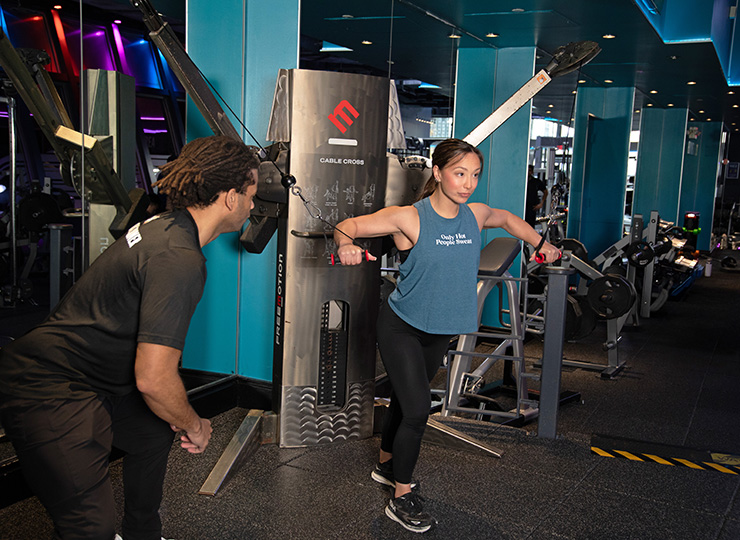
Building real core stability is about training your core muscles to support your spine and keep your body steady during everyday movements, like lifting weights, carrying groceries, or staying upright after sitting for a long time.
Rather than letting one part of your body do all the work, your core learns to share the effort. This helps you move with more control and less strain.
Deep core exercises help your body stay connected and efficient, so your core supports every movement. If you sit most of the day, these exercises can also help you regain stability and improve your posture.
If you lift heavy weights, these exercises help you brace better and transfer force more effectively. If you combine strength training, yoga, or cardio, they make your movements feel smoother, stronger, and more controlled, both in and out of the gym.
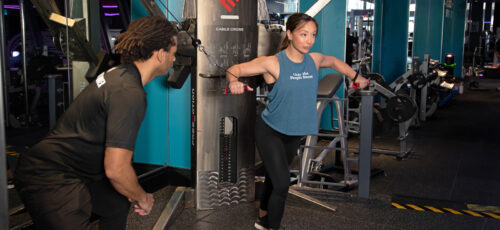
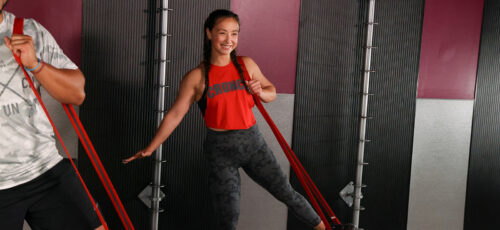
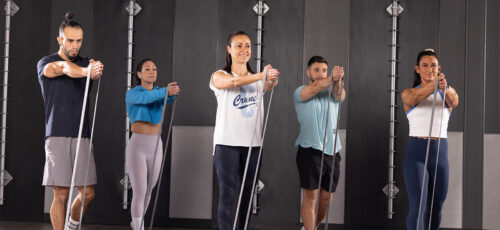
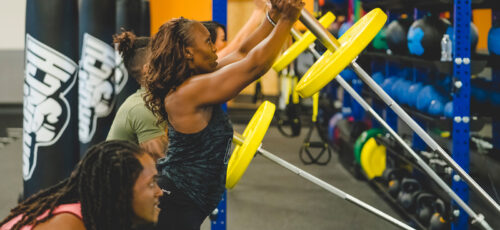
This is a straightforward but effective core exercise that helps your body resist rotation and maintain good posture.
How to Do It
Why It Matters
The Pallof Press helps your core stay stable when something tries to pull you out of position, just like during squats, deadlifts, or daily lifting.
Tips
This exercise helps you rotate with control and improves your balance through your hips and torso.
How to Do It
Why It Matters
Training rotation helps your core manage twisting forces safely, improving posture and performance during sports and lifting.
Tips
This is a tough exercise that makes your whole core work to keep your spine stable under pressure.
How to Do It
Why It Matters
Rollouts help you build strength to prevent your back from overextending, which protects your lower back when you lift or carry things.
Tips
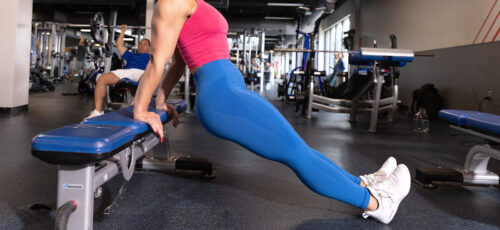
This is a joint-friendly way to train your core by adding a bit of controlled instability.
How to Do It
Why It Matters
This exercise helps your core, shoulders, and hips work together and teaches you to control your spine.
Tips
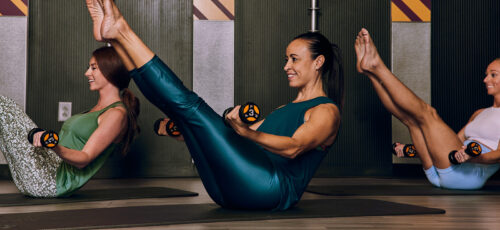
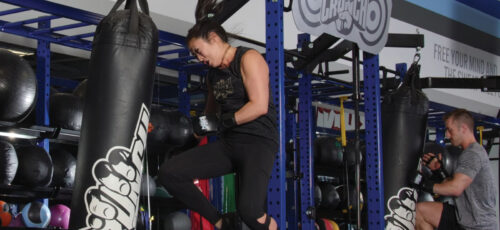
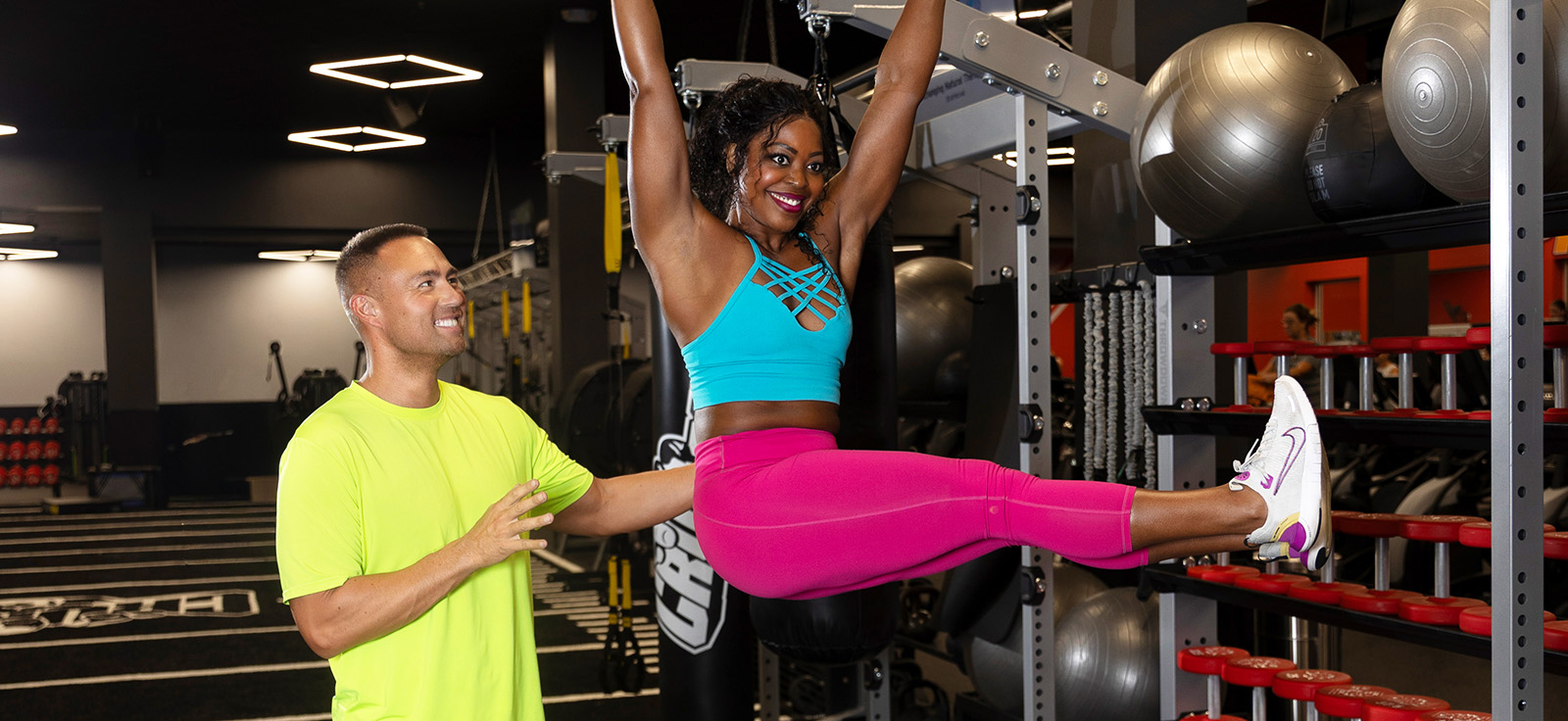
This bodyweight exercise works your lower abs and helps you control your hips.
How to Do It
Why It Matters
Doing knee raises with control builds strength without putting too much strain on your spine, so they are a better choice than lots of crunches.
Tips
A functional exercise that trains your core to stabilize while you move.
How to Do It
Why It Matters
Farmer’s carries help you improve your posture, balance, and overall body strength, which makes lifting safer.er lifting.
Tips
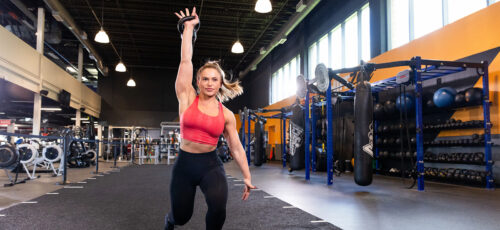
This exercise lets you safely build rotational core strength by moving a bar along a set path.
How to Do It
Why It Matters
Landmine rotations help you control rotation, so your core can transfer force better during lifting and sports.
Tips
You should try: Hardcore 360
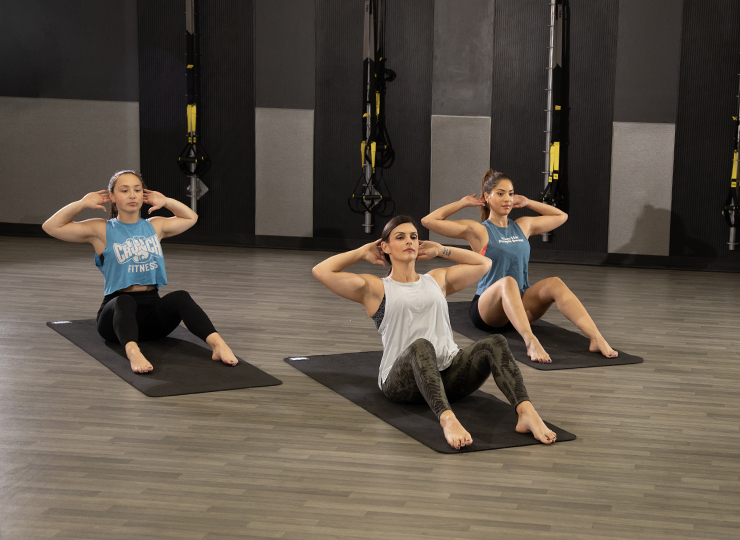
Core training is more than just working your abs or doing a few crunches at the end of your workout. Your core supports almost every move you make, whether you’re lifting, running, playing sports, or sitting at your desk.
When your core is strong and stable, the rest of your body works better, too. That’s why core stability training is so important for better workouts at Crunch Fitness.
If you spend a lot of time sitting, looking at your phone, or driving, your posture can suffer. Research shows that regular core stability training can help you stand taller and stay balanced by keeping your body upright and aligned.
A strong core helps you:
When you hold a plank or control a side plank, you use the same muscles that keep your pelvis and spine in line when you’re standing or walking. Over time, better posture can mean less stiffness and fewer aches after long days.
If you want to get stronger, your core is more important than you might think. Big lifts like squats, deadlifts, and presses need a stable core to transfer force from the ground up.
A strong core allows you to:
Without core stability, your body loses strength, your hips shift, your lower back works too hard, and your posture suffers. Training your deep core helps you stay strong and steady, so your arms and legs can work better.
Many people do core stability workouts to help prevent injuries. Studies show that weak deep core muscles are linked to poor movement, especially during repetitive activities like running or lifting.
Core training helps by:
When your core keeps your body stable, your joints don’t have to work as hard. This leads to better form and a lower risk of overuse injuries over time.
Whether you’re running, cycling, or playing sports, your core helps you move more efficiently. A stable core supports your breathing, balance, and posture, especially when you get tired.
Core stability improves performance by:
When your core is tired, your form usually suffers. Training your core regularly helps you move better for longer, both in and out of the gym.
Core training is an important part of getting stronger, staying healthy, and moving with confidence every day.
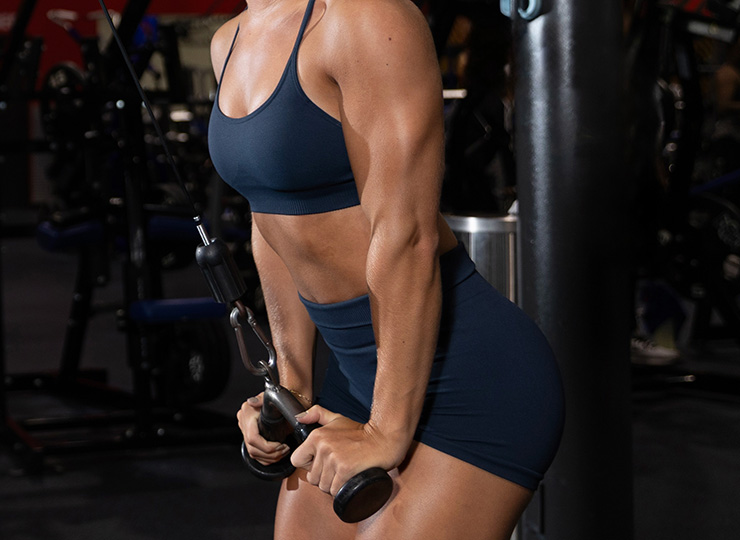
When people say they’re “training their abs,” they usually mean just one muscle group. But your core includes much more than that.
Think of it like this: your abs are one muscle, but your core is a combination of muscle groups located in your trunk or abdominal area that support and stabilize your body.
Training your core means working all the muscles that help you move, balance, and stay upright, both in and out of the gym.
Your core muscles go from your ribs down to your pelvis and wrap around your torso. Each muscle helps with stability, posture, and control:
When all these muscles work together, your core becomes a strong support system. It’s not just something you feel during crunches; it powers every workout.
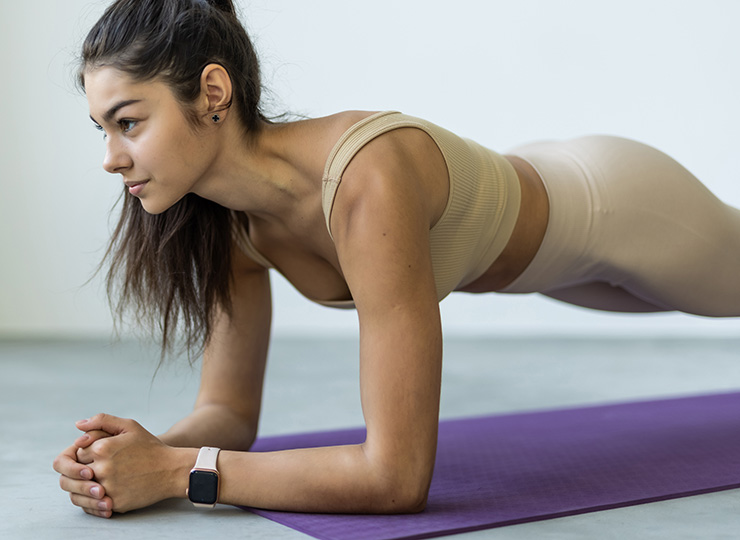
It’s helpful to know which exercises train your core, but learning how to engage your core properly is what really makes those exercises work.
Engaging your core turns a regular lift into a safer, more effective move. When you learn to brace the right way, your core supports everything you do in the gym, no matter what muscle group you’re working.
Engaging your core doesn’t mean sucking in your stomach or holding your breath. Instead, gently brace your body as if you’re getting ready for a light bump to your midsection. Your core muscles tighten just enough to support your spine, but you can still breathe and move.
A simple way to practice:
Once you know what this feels like, try it while standing. This helps you connect core engagement to real movements, such as squats, presses, or carrying weights.
A common mistake is bracing too hard. If you can’t breathe, you’re doing too much. Proper core engagement means:
With practice, bracing your core becomes automatic. You won’t have to think about it; it will happen naturally when you lift, run, or even stand for a long time.
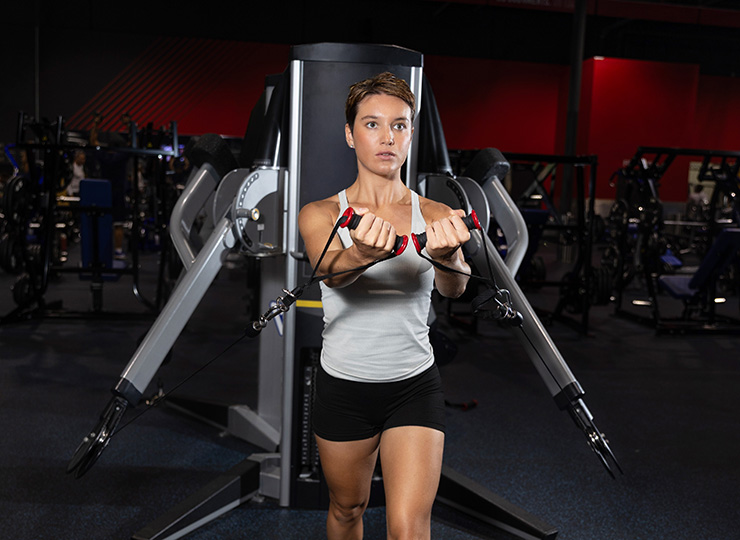
Once you know how to engage your core, it’s much easier to strengthen it. Core training is most effective when you challenge your body in different directions, not just by bending forward.
Try to include 1 to 3 core exercises in each workout, 2 to 3 times a week. Focus on doing each rep well instead of rushing through your sets.
Helpful guidelines:
To build balanced core strength, mix these categories:
By mixing up your movements, you teach your core to stabilize, resist force, and support your body in everyday situations. Over time, this means better posture, safer lifting, and stronger performance in every workout.
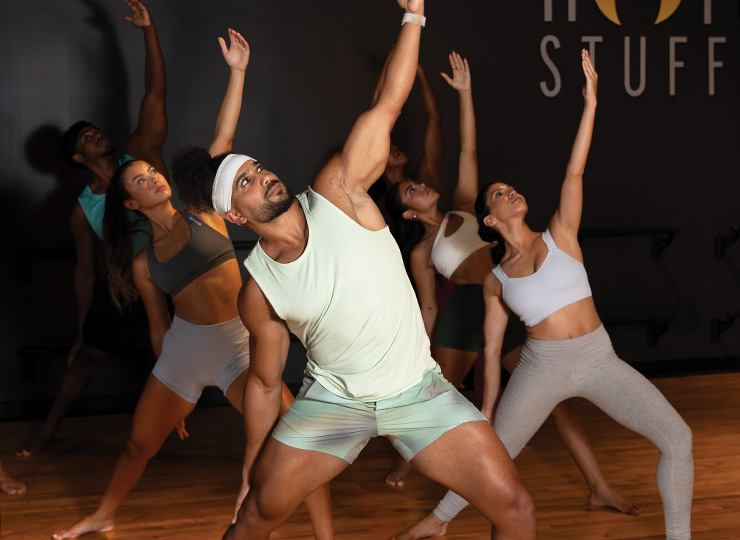
For many people at the gym, building that mind-body connection takes time. Bigger surface muscles often take over at first, so it’s important to slow down and focus.
When working on deep core exercises, keep these signals in mind:
Once you can feel your deep core working regularly, it’s easier to plan how often to train. A good approach is to:
When you make deep core training a regular part of your routine, not just an afterthought, you’ll build better stability, stronger movement, and more confidence in all your workouts.
| Category | Ab Workouts | Core Training |
| Primary Focus | Targets the visible abdominal muscles | Trains the entire core system |
| Main Muscles Worked | Rectus abdominis, internal obliques, external obliques | Abdominals, lower back, hips, glutes, pelvic floor |
| Primary Purpose | Build ab strength and muscle definition | Improve stability, balance, posture, and movement control |
| Type of Movement | Mostly spinal flexion (bending forward) | Anti-rotation, anti-extension, stabilization, controlled rotation |
| Common Exercises | Crunches, sit-ups, leg raises, Russian twists | Plank variations, bird dogs, dead bugs, bridges, stability ball exercises, torso rotations |
| Carryover to Lifts | Limited transfer to compound lifts | Strong carryover to squats, deadlifts, presses, and carries |
| Injury Prevention | Minimal on its own | Helps support the spine and pelvis during movement |
| Posture & Balance | Little impact | Improves posture, balance, and body control |
| Best For | Isolating abs or adding finishers | Building functional strength for everyday movement and workouts |
| How It Feels | Often a burning sensation in the abs | Feels like bracing, control, and full-body tension |
| When to Use | As accessories or aesthetic-focused training | As a foundation for strength training and performance |
Crunch promotes a culture of positivity, inclusivity, and fun with no judgments by providing an environment for all individuals, regardless of their health and fitness goals. Find a Crunch gym near you to try our free trial membership, or join Crunch now. We’re here for you – at the gym or at home. Access the best live & on-demand workouts anytime, anywhere with Crunch+. Ready to get sweaty? Try hundreds of workouts for free! Start your free trial now!
Planks are one of the most effective core muscle workouts for beginners because they train the abs while also building core stability. They’re simple, low-impact, and help you learn proper core engagement.
Core exercises strengthen and tone the core muscles, but they don’t directly reduce belly fat. Fat loss comes from overall calorie balance, while core workouts improve strength, posture, and muscle definition.
Exercises like hanging knee raises, cable crunches, and ab wheel rollouts are effective for building visible ab muscles. For best results, pair them with core stability workouts and consistent strength training.
Low-intensity core strength exercises like planks, dead bugs, and bird dogs can be done daily if performed with good form. These movements build control and stability without overloading the muscles.
Core strength focuses on building muscle force, while core stability focuses on controlling and supporting movement. Both work together to improve balance, posture, and safer lifting.