









Female Strength Training Tips
January 21, 2026

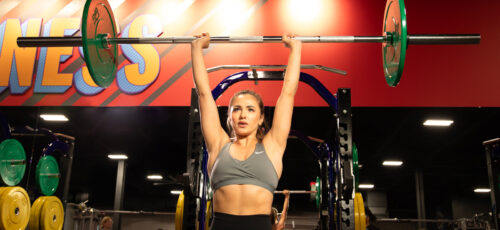
Think strength training is just for guys? Think again. Female strength training is one of the most powerful tools for fat loss, toning up, and building serious physical confidence, without bulking up or burning out.
In fact, studies show that women who consistently engage in strength training workouts can increase lean muscle, reduce body fat, and boost their metabolism more effectively than with cardio alone.
So whether you’re brand-new to lifting weights or finally ready to trade that endless treadmill session for something smarter, this guide is your go-to resource.
In this Crunch Fitness article, you’ll uncover why strength training is a game-changer for women, how to start safely, and what types of exercises truly work. We’ll explore topics like:
Whether your goal is to tone up, lose weight, or build upper body strength, Crunch Fitness is here to guide you. Let’s redefine what strong looks like, together.
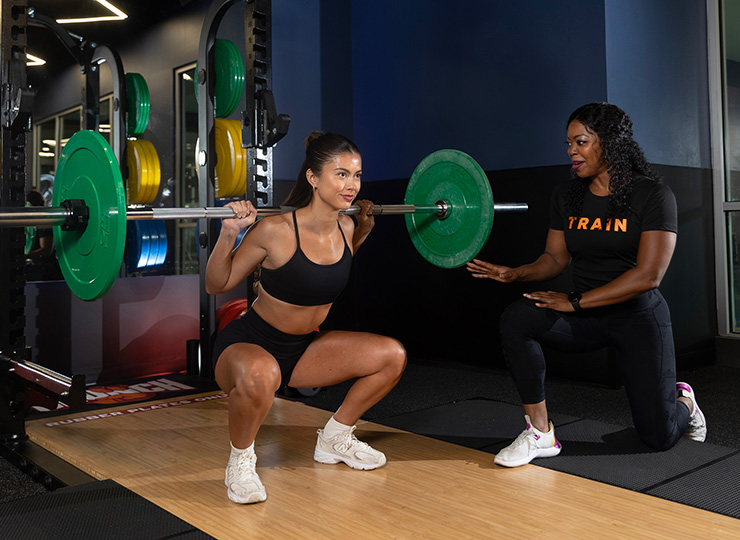
Strength training is any form of exercise where your muscles contract against resistance. That resistance can come from dumbbells, barbells, weight machines, resistance bands, or even your own body weight.
Whether you’re pushing through a bench press, slowing down during a controlled squat, or holding a plank, you’re engaging in different types of muscular contraction: concentric, eccentric, and isometric.
Each phase triggers your muscle fibers to adapt, and that’s where the magic happens. With consistent strength training workouts, your body begins to increase lean muscle mass, which in turn helps you burn more calories at rest and shift your body composition.
You don’t just lose body fat; you build physical strength and confidence that carries into everyday activities.
Now here’s the thing: skipping resistance training doesn’t just halt your progress, it can reverse it. Studies show that after the age of 30, women who don’t engage in regular strength training may lose up to 5% of their muscle mass per decade.
That muscle loss impacts metabolism, bone density, and overall functional strength. In contrast, a well-designed strength training program can prevent this decline, improve cardiovascular health, and promote long-term wellness.
And no, you won’t “bulk up.” You’ll sculpt. You’ll tone. You’ll thrive. Whether you’re doing full-body resistance exercises, focusing on major muscle groups, or learning proper technique with lighter weights, strength training is a vital component of any woman’s fitness routine.
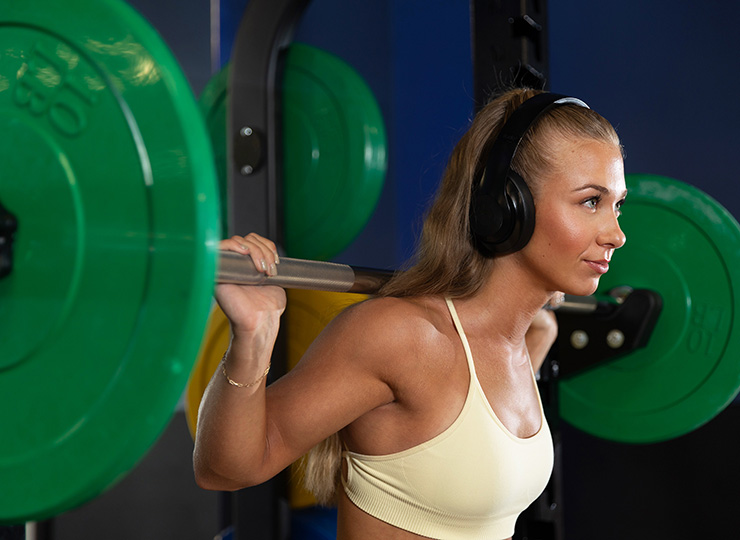
One of the biggest myths women hear is: “If I lift heavy, I’ll get bulky.” No. The reality is, women naturally have lower testosterone levels than men, which means we’re biologically less likely to gain large amounts of muscle mass. What you will gain is definition, tone, and physical strength, without the bulk.
You’ll probably even notice that your clothes fit better and your waistline tightens up. That’s because as you build muscle and lose fat, you lose inches. And you can still mix in cardio to keep your heart healthy, just don’t skip the weights!
If you’ve ever felt like your metabolism was slowing down, you’re not alone. Women typically have a lower resting metabolic rate than men, which makes fat loss a bit trickier.
But strength training can increase your RMR by up to 7%, meaning your body will naturally burn more calories throughout the day, even when you’re not working out.
Muscle takes more energy to maintain than fat, so the more you build, the more your metabolism works in your favor. And while supplements and “fat-burning teas” promise quick fixes, resistance training is the real, science-backed solution to a fired-up metabolism.
As we age, we risk losing muscle mass and bone density, especially post-menopause. That’s why strength training is a non-negotiable for long-term health. Just 30 minutes of resistance exercise twice a week has been shown to significantly improve bone strength and help prevent osteoporosis. This condition affects millions of women.
You don’t have to lift the heaviest weights in the gym. Even starting with body weight movements or weight machines helps support your joints and keep your skeleton strong and resilient.
Cardio isn’t the only heart-friendly workout. Studies show that strength training exercises lower blood pressure, reduce cholesterol, and improve cardiovascular health. As your lean muscle mass grows, your heart gets more efficient at circulating blood, easing pressure on your arteries.
Even better? Strength training can help you sleep better, manage stress, and lower your risk of heart attack or stroke. It’s not just about sculpted arms or toned legs, it’s about thriving from the inside out.
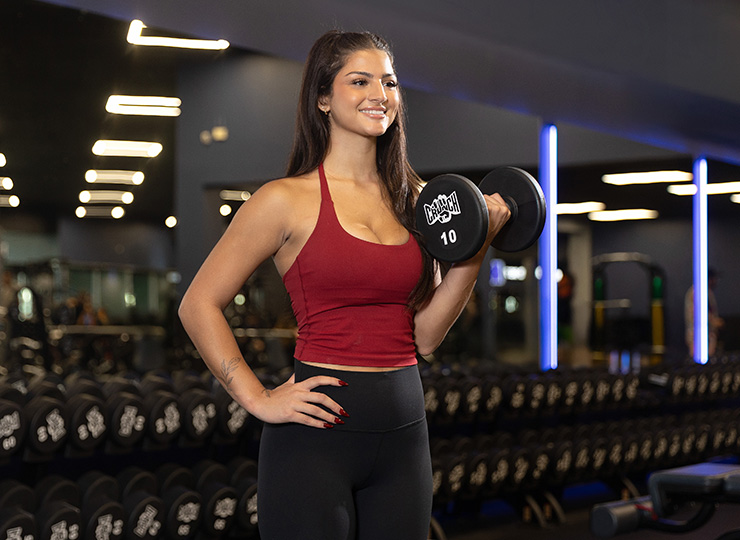
Strength training is about training smart, staying consistent, and challenging your muscles in a way that feels empowering and sustainable.
According to the American Heart Association, women should aim for resistance training at least twice a week. Focus on different muscle groups each session; for example, upper body one day, lower body the next. Give yourself at least 48 hours between sessions that target the same muscle group so your body can rest and rebuild stronger than before.
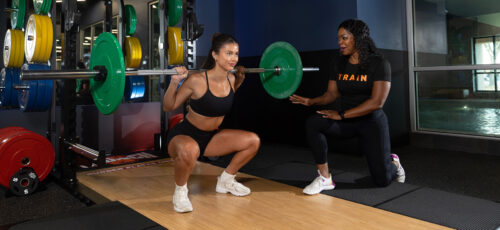
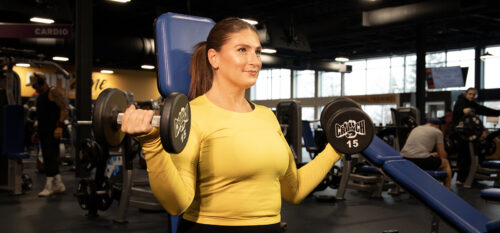
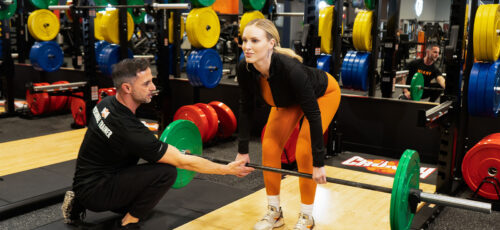
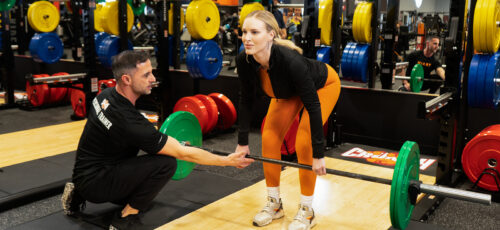
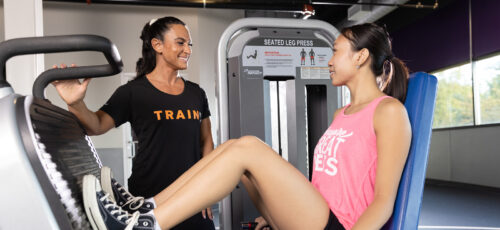
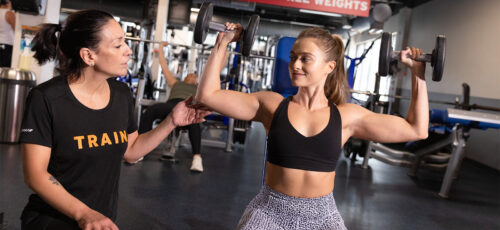
Form first, always. Learning and maintaining correct form is what keeps you safe and ensures you’re actually hitting the muscles you intend to strengthen. If you’re unsure, ask a Crunch Fitness trainer to walk you through your starting position, posture, and how to progress over time. Once you can do 8 to 12 reps comfortably, it’s time to add weight by about 5–10%.
Read our article: YES, Personal Trainers Tailor Programs to Your Needs
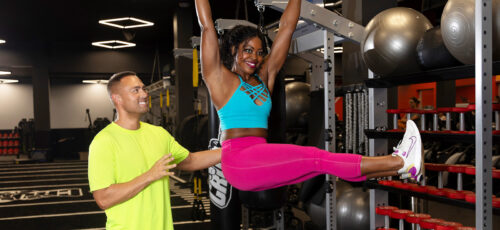
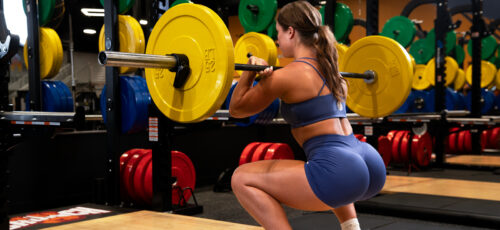
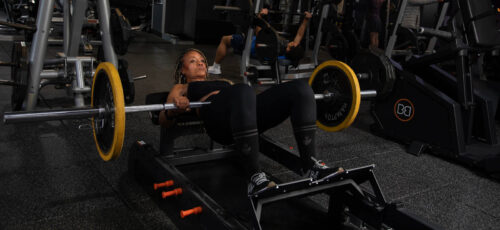
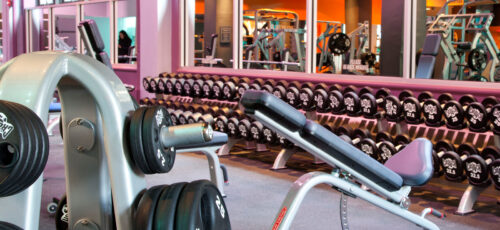
Your body thrives on variety. You can use free weights, cable machines, resistance bands, or even your own body weight through exercises like squats, planks, push-ups, or pull-ups.
The goal is to find what you enjoy, and keep doing it. The more you challenge your muscles, the more strength improvements you’ll see across your entire body.
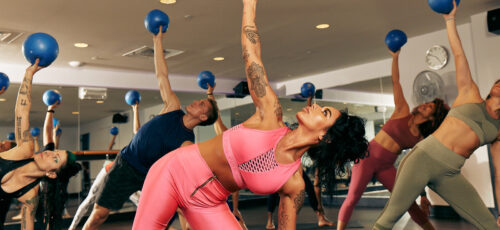
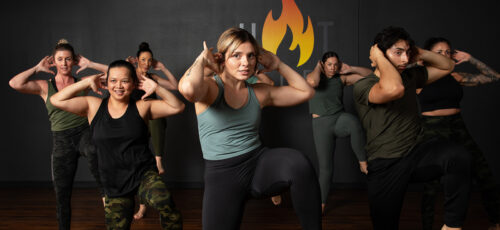
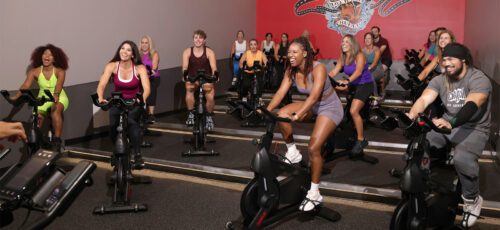
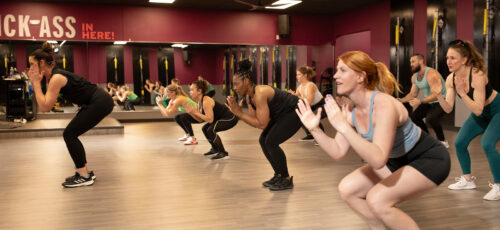
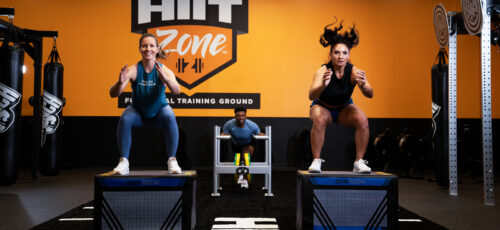
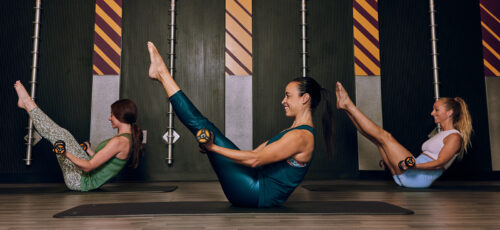
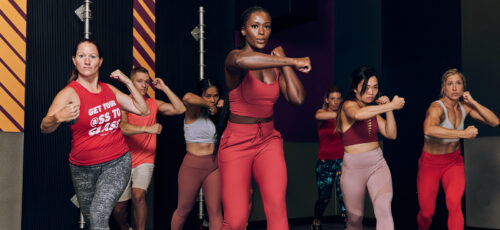
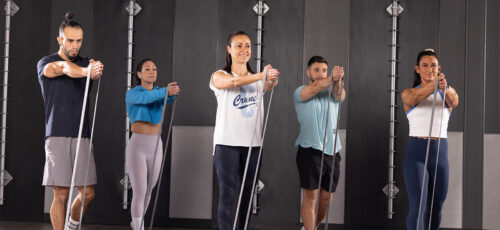
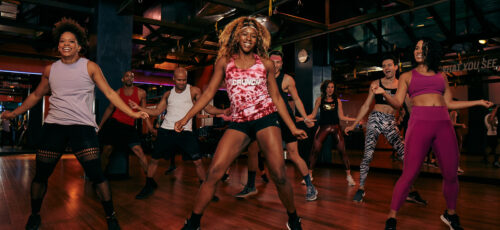
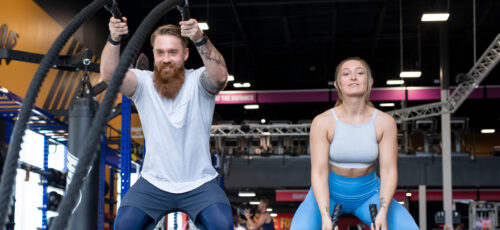
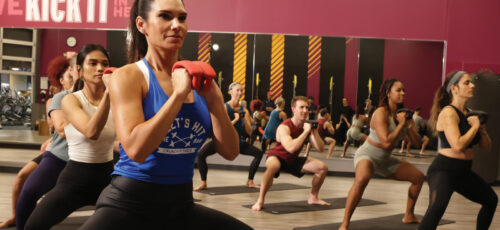
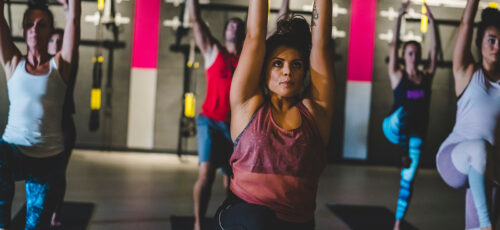
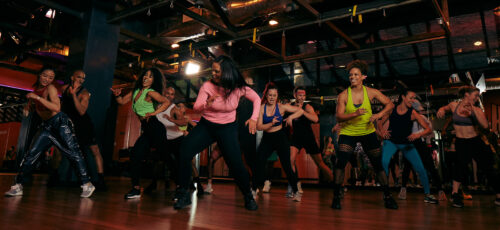
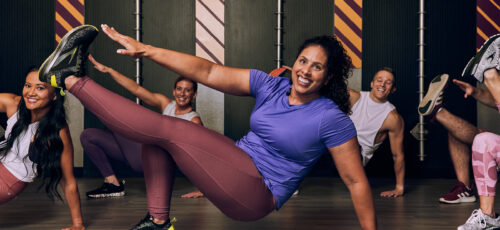
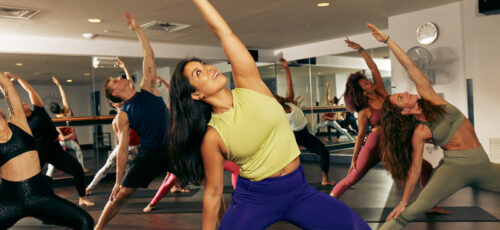
Crunch Fitness has group fitness classes that incorporate strength training:
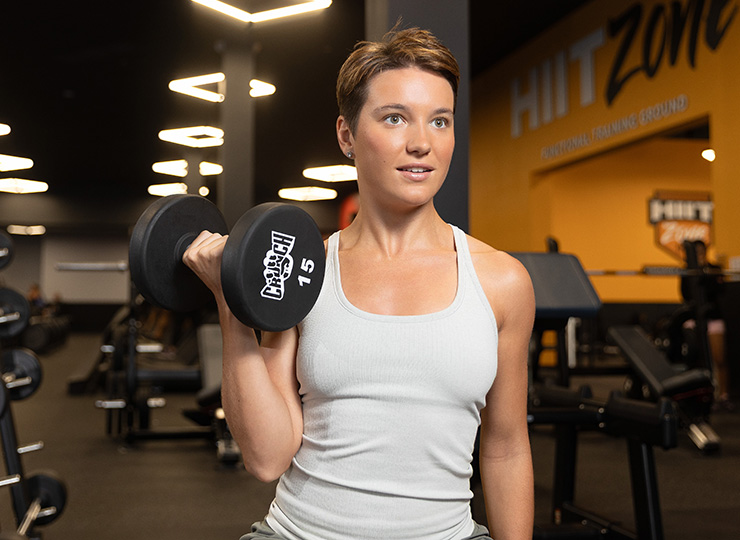
Starting your strength training journey can feel intimidating, especially if the weight section of the gym feels unfamiliar. But don’t worry, you don’t need to be an expert to begin.
With a little guidance and a lot of consistency, you’ll discover just how empowering and rewarding it can be to lift, move, and grow stronger every week.
Before you pick up a dumbbell or hop on a machine, ask yourself: What do I want out of this? Whether you’re here to lose weight, build lean muscle, improve posture, feel more energized, or simply get strong enough to carry groceries without strain, clarity matters. Your goals will shape your training plan and keep you motivated when the novelty wears off.
Read our article: How to Set Fitness Goals With Your Personal Trainer
Jumping into resistance training without learning the basics is like driving a car without knowing how the brakes work. Take time to learn the major muscle groups, how different exercises target them, and what correct form looks like.
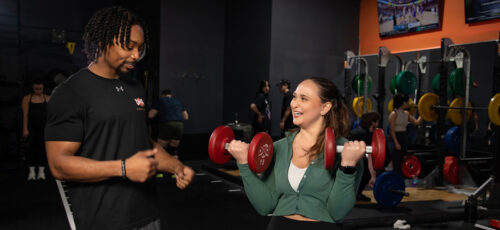
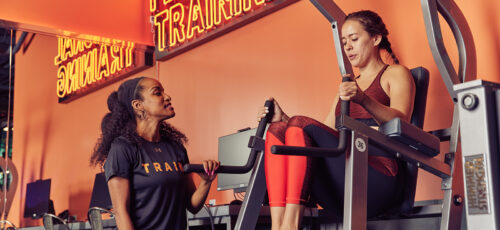
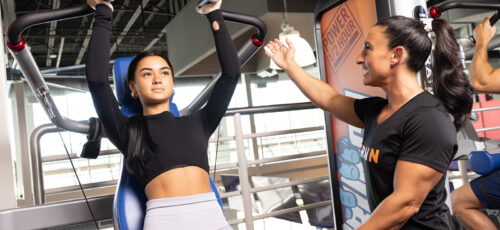
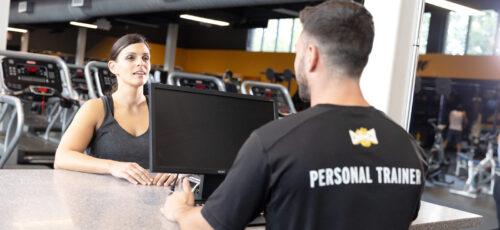
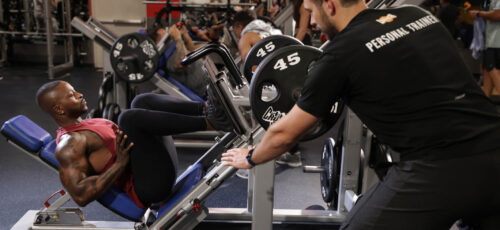
Consider working with a Crunch Fitness personal trainer or attending a beginner class to receive personalized guidance on technique. This foundation will prevent injury and fast-track your confidence.
A smart strength training program should target all major muscle groups: legs, glutes, back, chest, arms, and core. This balance prevents overtraining one area while neglecting others. It helps you develop functional strength you can use in real life, whether it’s lifting luggage, hiking trails, or doing push-ups with your kid. Start with 2–3 full-body sessions per week and give your muscles time to rest and repair.
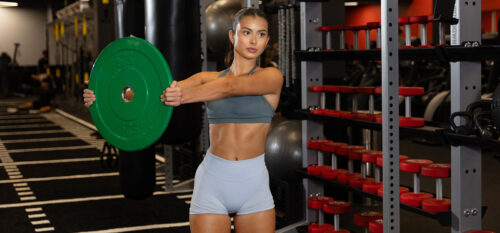
The right weight is the one that challenges you without compromising form. For beginners, lighter weight and higher reps (8–12) help you learn the movement. As you get stronger, don’t be afraid to add weight. If your final reps feel too easy, it’s time to increase resistance. This balance ensures you’re progressing safely without plateaus.
Progressive overload is the science-backed principle that drives results. It means gradually increasing the difficulty of your workouts over time. This could look like lifting heavier weights, adding an extra set, slowing down each rep for more time under tension, or reducing rest time between sets. Your muscles only grow when they’re asked to do a little more than last time, so challenge them regularly.
Rest days aren’t lazy days, they’re when your body rebuilds stronger. Leave at least 48 hours between working the same muscle group, and listen to your body’s signals. Sore is okay. Pain isn’t. Also, don’t underestimate the power of sleep and recovery; these are essential components of any well-rounded fitness plan.
Muscle isn’t built on workouts alone. Proper nutrition, especially enough protein, plays a huge role in supporting muscle repair and energy. Carbohydrates fuel your workouts, while healthy fats support hormone balance. Drink water throughout the day and especially before, during, and after training to stay hydrated and maintain performance.
You don’t have to be perfect. You just have to show up. Aim for two to three strength training workouts per week, and as your confidence grows, so will your routine. Some days you’ll feel strong and unstoppable. Other days, just showing up is the win. That’s how female strength training becomes more than a workout, it becomes part of who you are.
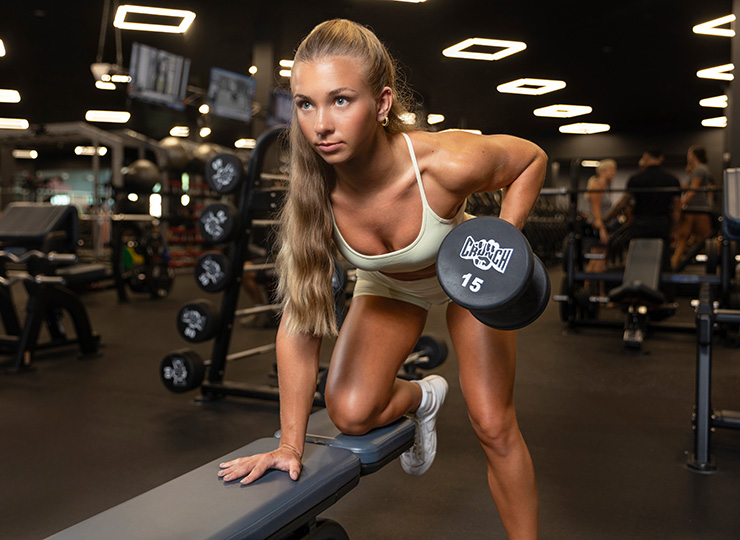
Let’s bust this myth once and for all: Strength training does not make you bulky. Women simply don’t produce enough testosterone to pack on large amounts of muscle like men. Instead, strength training helps you develop lean muscle, sculpt a toned physique, and improve body composition, without looking “too muscular.”
Age is not a barrier; it’s a reason to start. Resistance training is one of the most effective tools for maintaining muscle mass, bone density, and balance as you age. Whether you’re in your 40s, 50s, 60s, or beyond, strength training can support joint health, reduce the risk of falls, and improve quality of life. It’s never too late to feel stronger, more confident, and more capable.
Strength training protects your joints by strengthening the muscles around them. When done with proper technique and an emphasis on correct form, resistance training actually reduces joint pain and improves mobility, especially for those with arthritis or sedentary lifestyles. Start light, move with control, and increase intensity gradually.
Time is tight, we get it. But with as little as 20–30 minutes twice a week, you can make real progress. Crunch Fitness offers express strength training workouts, supportive coaches, and energizing group classes that fit your busy schedule. The key is consistency, not perfection.
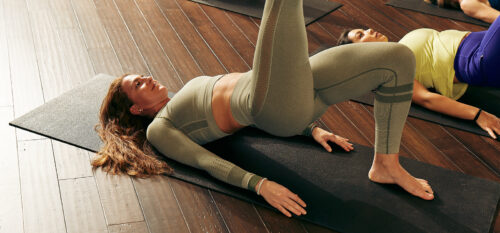
Incorporating strength training exercises into your daily routine is a game-changer for building muscle, improving endurance, and staying fit. Whether you’re doing squats, push-ups, or glute bridges, consistency is key.
Crunch promotes a culture of positivity, inclusivity, and fun with no judgments by providing an environment for all individuals regardless of their health and fitness goals. Find a Crunch gym near you to try our free trial membership, or join Crunch now. We’re here for you – at the gym or at home. Access the best live & on-demand workouts anytime, anywhere with Crunch+. Ready to get sweaty? Try hundreds of workouts for free! Start your free trial now!