









Gym Machines vs. Free Weights – Pros, Cons, and Typical Use Cases
March 22, 2026
Imagine walking into the gym, ready to work out. Your music is playing, your goals are clear, and you stop for a moment. On one side, there are strength machines. On the other side, you see dumbbells and barbells.
When choosing between gym machines and free weights, how do you decide? Is one better for building muscle or strength? Do you need both to see results?
Both choices have real benefits. Gym machines offer guided movement, extra stability, and a structured setup that often feels more comfortable, especially for beginners. Free weights, on the other hand, help build functional strength, muscle growth, and overall performance.
There are also trade-offs. The drawbacks of gym machines and free weights depend on your goals, experience, and how you like to train.
Let’s break down the pros, cons, and the best ways to use gym machines and free weights so you can train smarter every time you work out.
Understanding the benefits and drawbacks is just the start. Knowing when to use gym machines or free weights is key to smart training. It’s not about picking one forever, but about choosing the right tool for each situation.
Gym machines are often the best choice when you want structure and control. If you’re new to strength training, machines help you learn movement patterns without worrying about balance or coordination. The guided path removes guesswork and lets you focus on feeling your muscles work.
They’re also a good choice for isolating a specific muscle group. For example, after squats, using a leg extension machine helps you target your quads directly.
Machines are also helpful when you’re rebuilding strength after time off or dealing with minor joint discomfort, since they provide extra stability.
If you value confidence and comfort, machines are a reliable starting point.
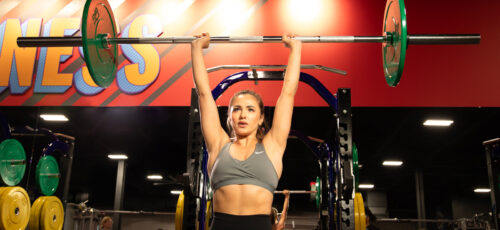
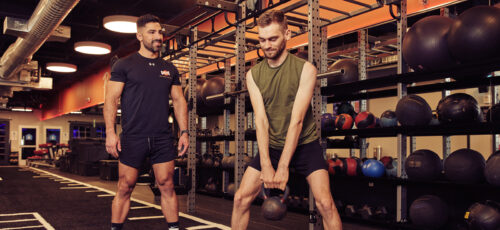
Free weights are best when your goal is functional strength and total-body engagement. Because the weight moves freely, your stabilizer muscles and core work harder. This extra effort can improve coordination, balance, and overall performance.
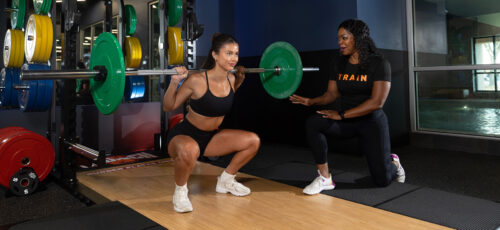
If you want to build strength with compound movements like squats, presses, or rows, free weights often transfer better to real-life movement. They also let you adjust your stance, grip, and range of motion, which can feel more comfortable for different body types.
For long-term strength development and athletic performance, free weights are often the top choice.
Here’s the good news: you don’t have to pick just one. Many effective training programs start with free weight compound exercises to build overall strength and then transition to machines for controlled isolation work.
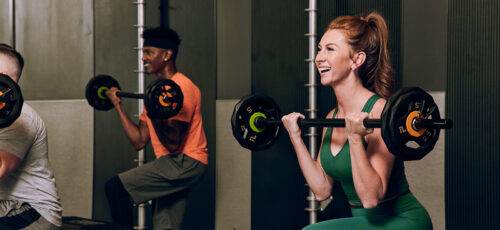
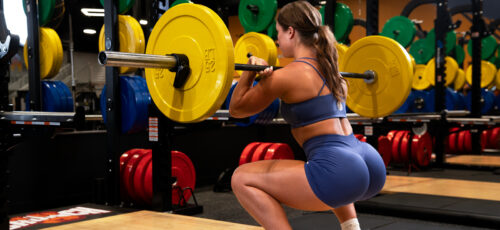
For example, you might begin with barbell squats to train multiple muscle groups, then move to a hamstring curl machine to focus specifically on the back of your legs.
This combination gives you the best of both worlds: functional strength from free weights and targeted muscle work from machines. Instead of debating which is better, think about how each one supports your goals in different ways.
Choosing between gym machines and free weights should depend on your experience, goals, and how your body feels that day.
A balanced strength program often uses both methods. You might start your workout with one or two compound free weight exercises that work several muscle groups, then add machine exercises to isolate muscles and safely increase your training volume.
Beginners may use more machines at first to build confidence and learn good technique. As strength and coordination improve, free weights can become a bigger part of your routine. If your goal is muscle growth, combining compound lifts with machine isolation helps you train efficiently and avoid form breakdown from fatigue.
The key is to be intentional. Every exercise should have a purpose in your overall plan.
Discover: The Best Fitness Program for Beginners
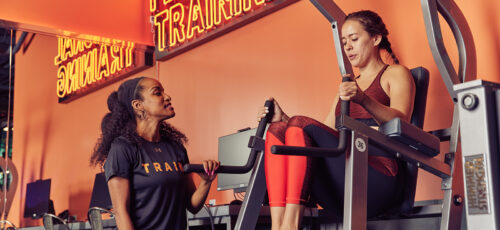
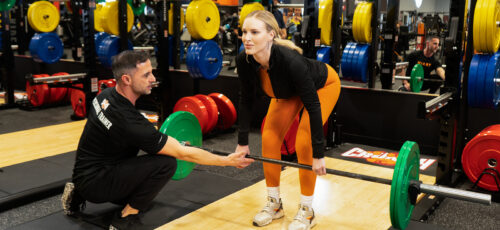
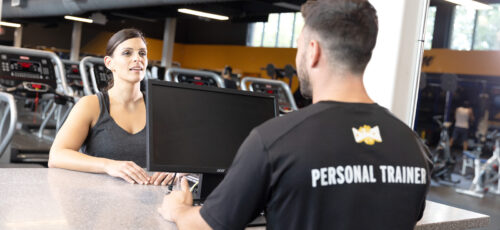
If you’re not sure how to combine gym machines and free weights, getting guidance can help a lot. Crunch Fitness Personal Trainers can teach you proper technique, adjust machines to fit your body, and create a program that matches your strength and performance goals.
Instead of guessing, you train with a clear plan. Instead of copying someone else’s routine, you follow a program made just for you.
In the end, gym machines and free weights are just tools. When you know when and how to use each, your workouts become more focused, effective, and rewarding.
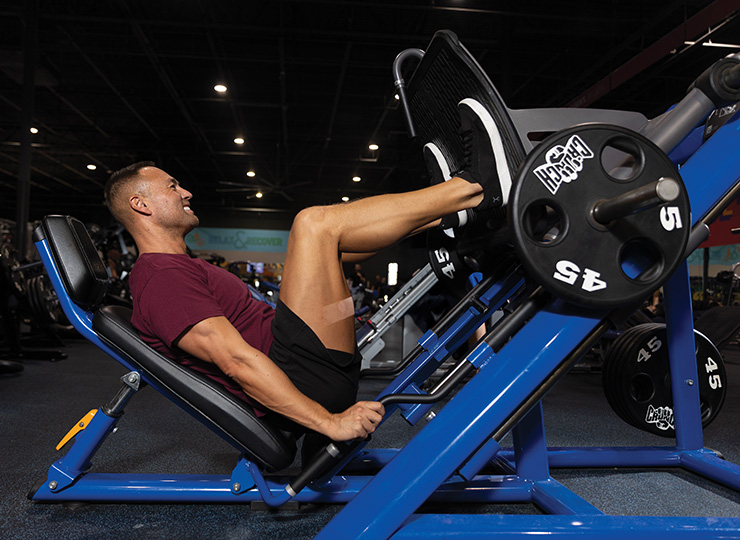
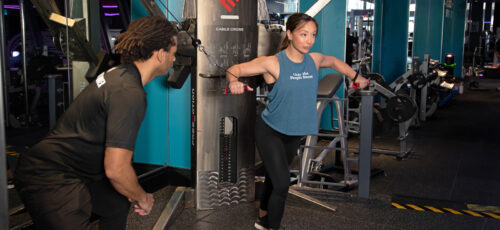
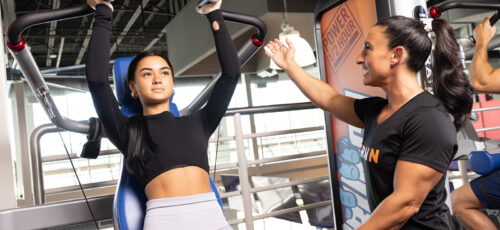
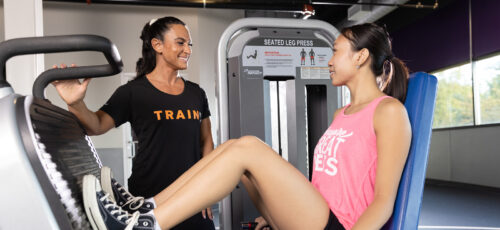
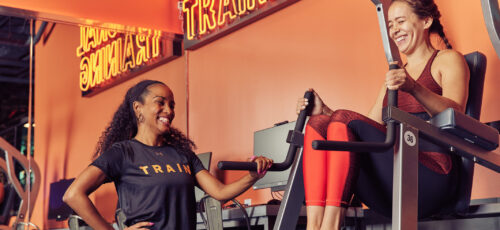
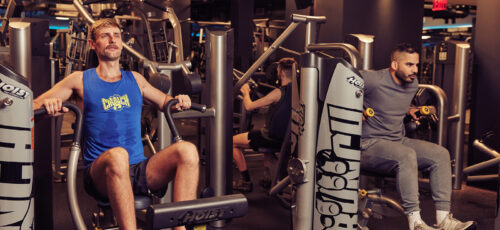
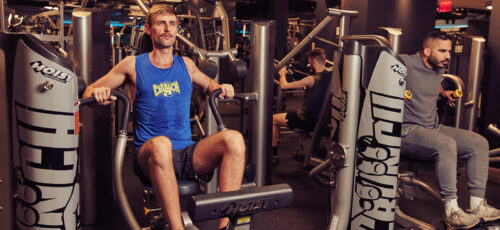
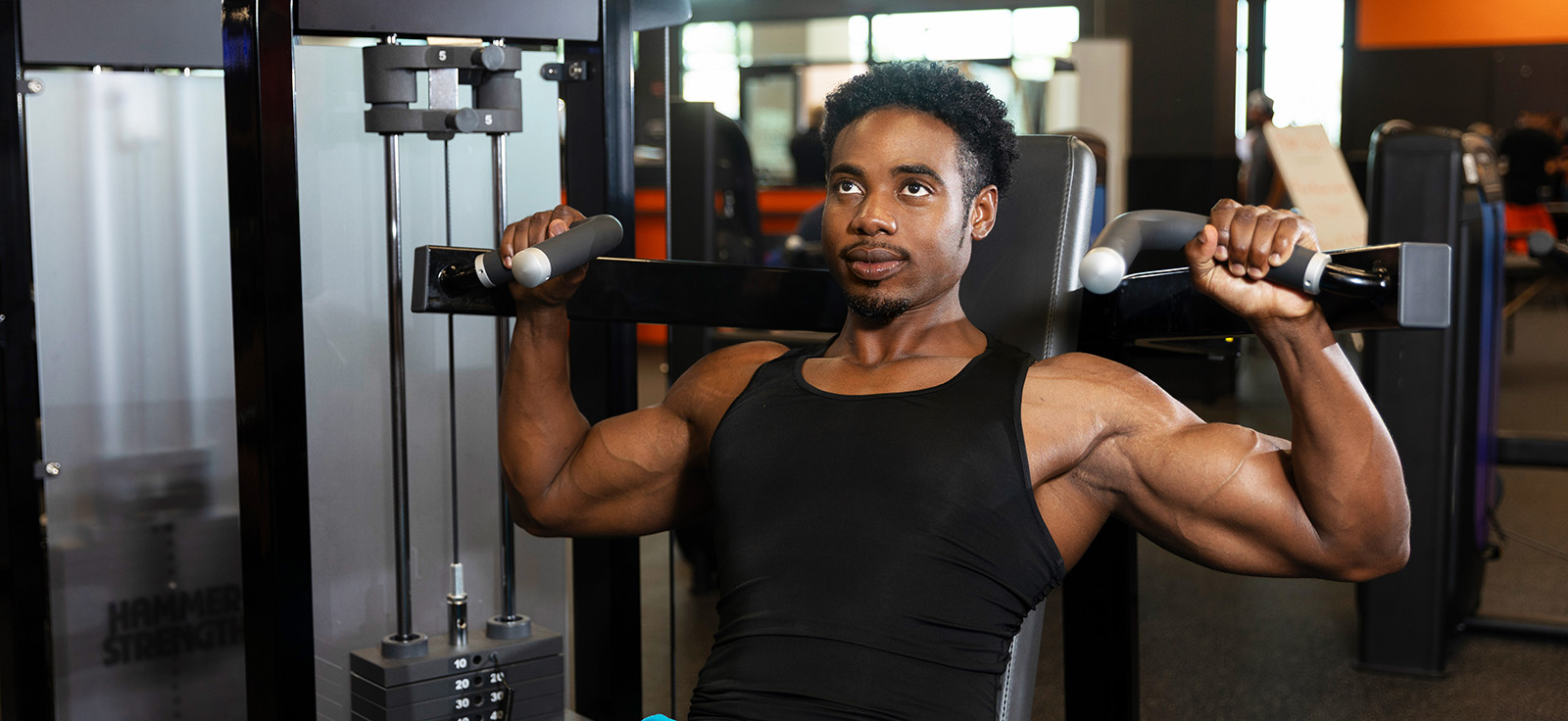
Gym machines guide your movement along a set path. They act like a built-in support system. You adjust the seat, pick your weight, and move in a controlled way. The machine helps with stabilizing, making strength training feel more structured and comfortable.
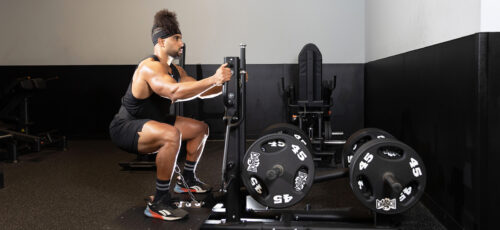
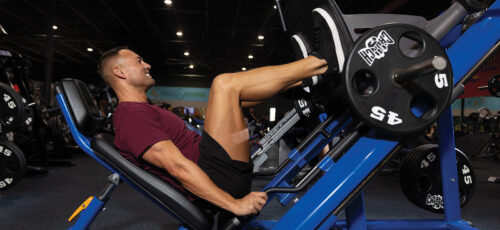
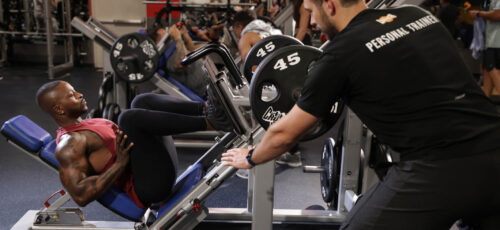
For example, on a leg press machine, your back is supported while your legs push the platform. In contrast, a barbell squat requires your core, hips, and balance to work together. This guided system is why gym machines often appeal to beginners or anyone wanting to focus on controlled reps.
You’ll typically see:
Each machine targets specific muscle groups, making them useful for isolation exercises and steady progress.
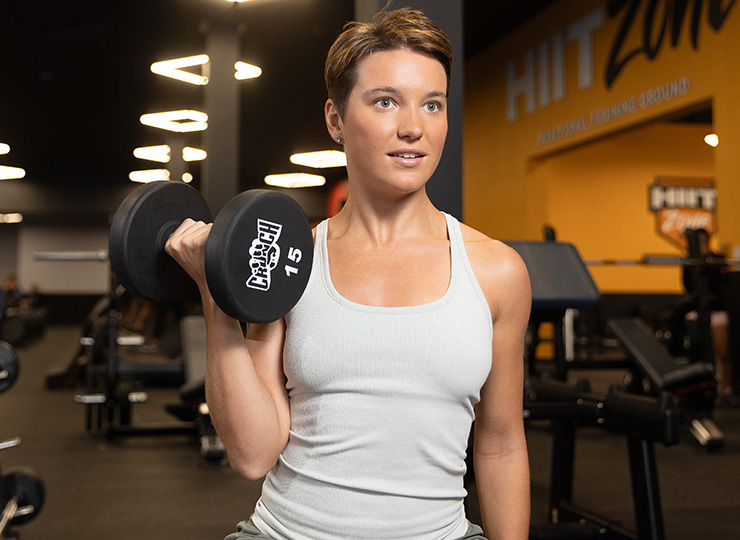
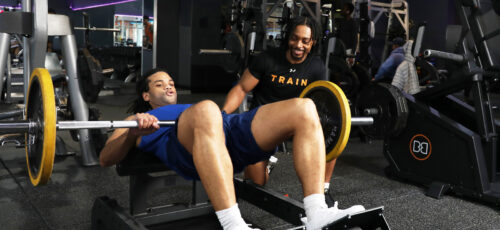
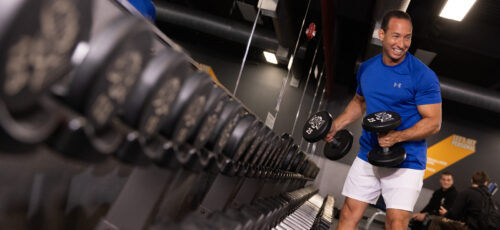
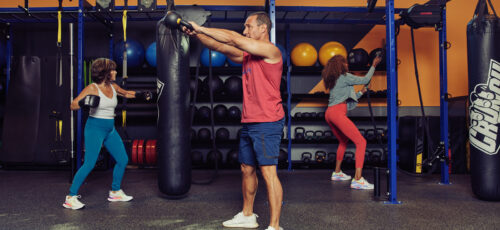
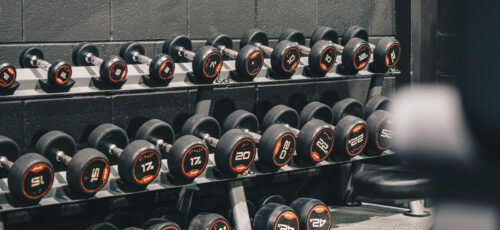
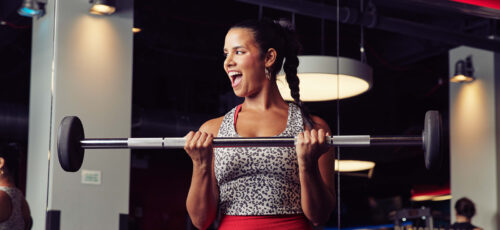
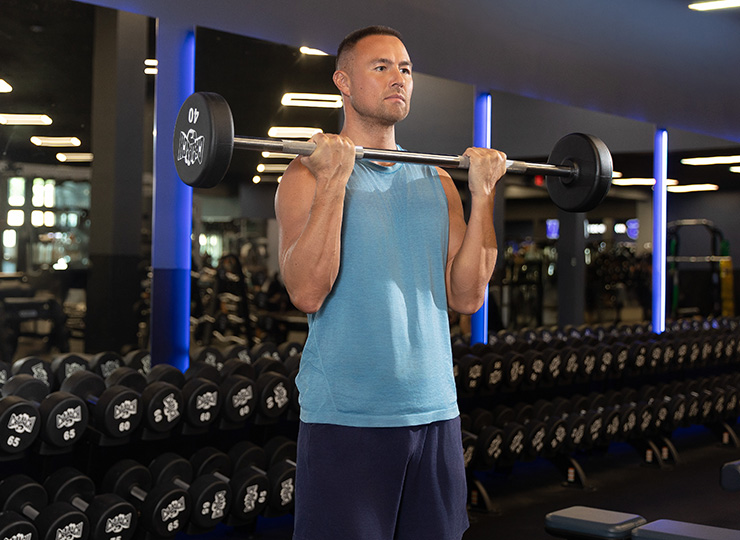
Free weights are equipment not attached to a machine. This group includes:
Unlike machines, free weights move in any direction. You control the direction, speed, and range of motion.
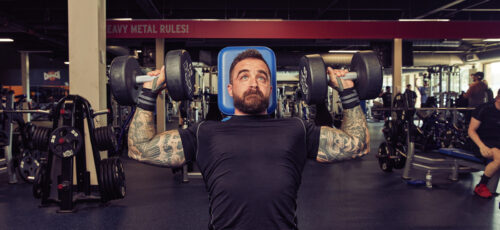
With free weights, your body does the stabilizing. More muscles work to control the weight, especially your core and smaller stabilizers. For example, a dumbbell bench press requires more balance and coordination than a chest press machine.
This extra control is why free weights often help build functional strength and improve overall performance. However, while you get more muscle activation, you also need better technique.
Now that you know how each works, let’s look more closely at the benefits and drawbacks of gym machines and free weights.
Discover more: What Equipment Does Crunch Fitness Provide?
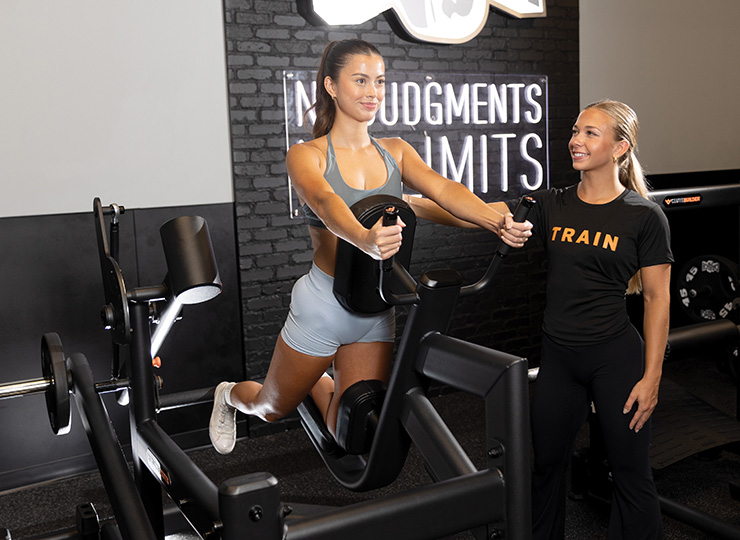
A big benefit of gym machines is their ability to isolate specific muscles. Because the movement path is guided, you can focus on one muscle group without worrying about balance or coordination.
For example, a leg extension machine works your quadriceps directly. You don’t need to stabilize a barbell or control several joints at once. This makes machines especially helpful when:
If you want controlled muscle growth, gym machines work especially well.
Many machines are built to give steady tension throughout the whole movement. This means the resistance stays consistent from start to finish.
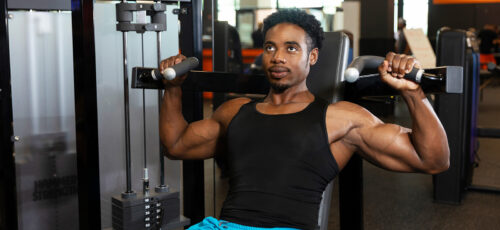
For example, on a chest press machine, the weight stack gives even resistance as you push and return. This consistency makes it easier to focus on time under tension and controlled reps, which are key for muscle growth. For people who prefer a predictable system, this structure is a big advantage.
Gym machines remove much of the need for balance. The seat, back pad, and rails support your body, so you can focus on moving the weight safely.
This is particularly helpful for:
When stability is built in, you often feel more confident. Feeling confident helps you stick with your workouts over time.
Another practical benefit is precision.
Weight stacks allow for small, measurable increases. Instead of jumping up by 10 pounds, you might increase by 5 or even less, depending on the machine.
This gradual progression supports steady strength gains and lowers the risk of overload. For new gym-goers, this controlled approach can make strength training feel less intimidating.
There are pros and cons to using gym machines. Let’s look at the trade-offs.
Machines follow a fixed path. While this improves control, it may not match your body’s natural movement.
Not everyone’s limb length, joint angle, or movement style fits a one-size-fits-all design. Over time, using only fixed paths may limit your mobility or ability to adapt your movements.
In real life, movements are not fixed or guided.
When you lift groceries, carry luggage, or move furniture, your body stabilizes naturally. Machines reduce that stabilization demand.
So while machines can build strength, they may not transfer as well to real-world movement as free weights do. This is one reason why the debate about machines versus free weights for strength is so common.
Because machines guide your movement, smaller stabilizer muscles don’t have to work as hard.
For example:
This doesn’t make machines ineffective; it just means they don’t demand as much total-body coordination.
Now let’s take a look at the other side.
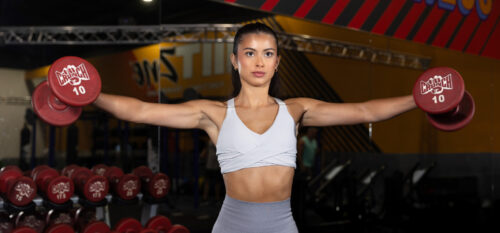
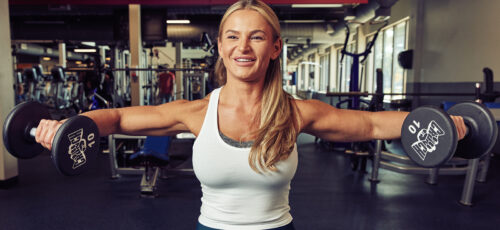
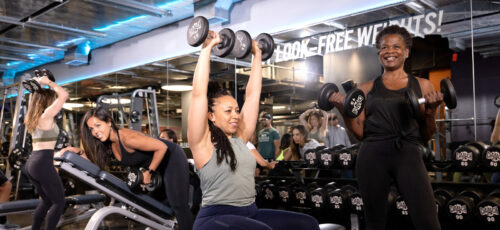
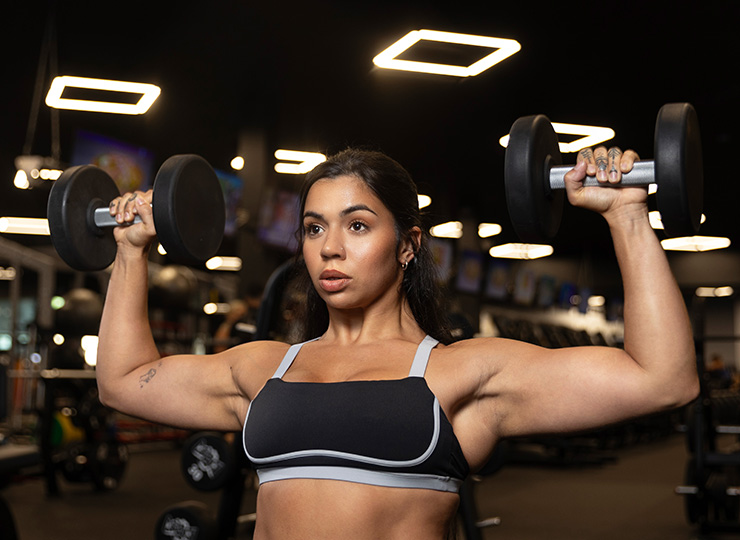
One of the main benefits of free weights is muscle activation. Because the weight moves freely, your body has to stabilize it.
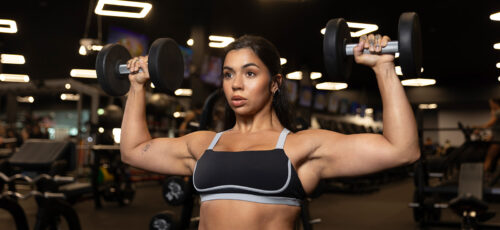
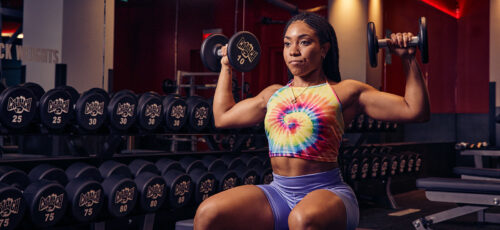
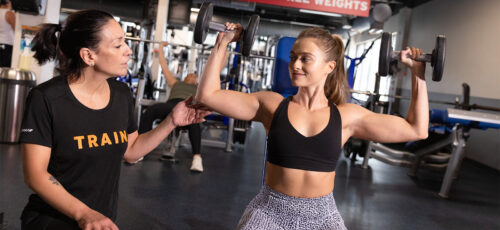
A dumbbell shoulder press, for example, requires:
This helps improve coordination, joint stability, and overall performance.
With a set of dumbbells, you have many options. You can squat, press, row, lunge, hinge, carry, and rotate, all using the same equipment.
This flexibility makes free weights ideal for:
If you like variety in your workouts, free weights are a great choice.
Unlike machines, free weights allow you to move in ways that feel natural to your body.
You control:
This adaptability can improve your movement quality and comfort over time. It’s also why many people choose free weights for muscle growth and athletic performance.
Compound movements are a major strength of free weight training.
Exercises like:
These exercises work several muscle groups at once. This means you can train more efficiently in less time, which is great for busy schedules.
Free weights offer unlimited progression potential. As you grow stronger, you simply add more load or increase complexity.
For experienced lifters, this scalability helps you keep improving strength and muscle growth. That’s one reason free weights are linked to long-term progress.
Read more: How to Define SMART Fitness Goals and Stick to Achievable Routines
Free weights have real pros and cons. While they offer versatility, they also require responsibility.
Because you control the movement, poor form can lead to strain.
Common issues include:
This doesn’t mean free weights are unsafe. It just means technique is important.
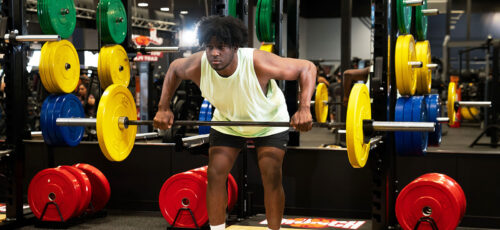
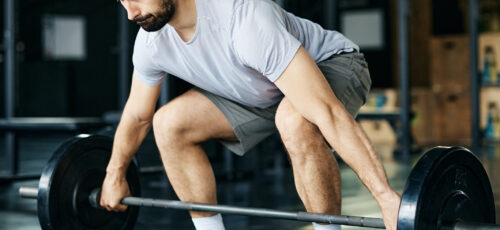
Approaching a barbell rack for the first time can feel intimidating.
Without guidance, beginners may struggle with:
That’s why choosing between machines and free weights is important for beginners. Machines often provide an easier starting point.
Unlike weight stacks, free weights usually increase in larger increments. If your gym only has 5-pound dumbbells, small progression steps can be harder to manage.
This can make early strength gains feel less controlled compared to using machines.
Here’s a simple summary to bring it all together:
| Category | Gym Machines | Free Weights |
| Muscle Isolation | Excellent for targeting specific muscles | More compound-focused |
| Stability | Built-in support and guidance | Requires full-body stabilization |
| Range of Motion | Fixed path | User-controlled and natural |
| Functional Strength | Moderate transfer | Strong real-world carryover |
| Beginner-Friendly | Very approachable | Higher learning curve |
| Progression | Small, precise increments | Larger load jumps |
| Core Engagement | Lower | Higher |
| Exercise Variety | Limited per machine | Extremely versatile |
| Injury Risk | Lower with proper setup | Higher without proper form |
Understanding the benefits and drawbacks is just the start. Knowing when to use gym machines or free weights is key to smart training. It’s not about picking one forever, but about choosing the right tool for each situation.
Gym machines are often the best choice when you want structure and control. If you’re new to strength training, machines help you learn movement patterns without worrying about balance or coordination. The guided path removes guesswork and lets you focus on feeling your muscles work.
They’re also a good choice for isolating a specific muscle group. For example, after squats, using a leg extension machine helps you target your quads directly.
Machines are also helpful when you’re rebuilding strength after time off or dealing with minor joint discomfort, since they provide extra stability.
If you value confidence and comfort, machines are a reliable starting point.
Free weights are best when your goal is functional strength and total-body engagement. Because the weight moves freely, your stabilizer muscles and core work harder. This extra effort can improve coordination, balance, and overall performance.
If you want to build strength with compound movements like squats, presses, or rows, free weights often transfer better to real-life movement. They also let you adjust your stance, grip, and range of motion, which can feel more comfortable for different body types.
For long-term strength development and athletic performance, free weights are often the top choice.
Here’s the good news: you don’t have to pick just one. Many effective training programs start with free weight compound exercises to build overall strength and then transition to machines for controlled isolation work.
For example, you might begin with barbell squats to train multiple muscle groups, then move to a hamstring curl machine to focus specifically on the back of your legs.
This combination gives you the best of both worlds: functional strength from free weights and targeted muscle work from machines. Instead of debating which is better, think about how each one supports your goals in different ways.
Choosing between gym machines and free weights should depend on your experience, goals, and how your body feels that day.
A balanced strength program often uses both methods. You might start your workout with one or two compound free weight exercises that work several muscle groups, then add machine exercises to isolate muscles and safely increase your training volume.
Beginners may use more machines at first to build confidence and learn good technique. As strength and coordination improve, free weights can become a bigger part of your routine. If your goal is muscle growth, combining compound lifts with machine isolation helps you train efficiently and avoid form breakdown from fatigue.
The key is to be intentional. Every exercise should have a purpose in your overall plan.
Discover: The Best Fitness Program for Beginners
If you’re not sure how to combine gym machines and free weights, getting guidance can help a lot. Crunch Fitness Personal Trainers can teach you proper technique, adjust machines to fit your body, and create a program that matches your strength and performance goals.
Instead of guessing, you train with a clear plan. Instead of copying someone else’s routine, you follow a program made just for you.
In the end, gym machines and free weights are just tools. When you know when and how to use each, your workouts become more focused, effective, and rewarding.
Walking into a gym full of machines and free weights can feel overwhelming. That’s where Crunch makes a difference. Instead of guessing which equipment fits your goals, you get guidance, variety, and an environment that helps you move with confidence.
Choosing between machines and free weights is easier when you know your starting point. Crunch Personal Trainers can assess your movement, strength, and goals, then create a program that uses both tools in a smart way. Whether you want muscle growth, strength, or just to feel better each day, your plan is made for you, not taken from a generic template.
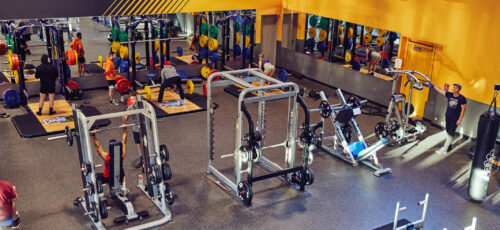
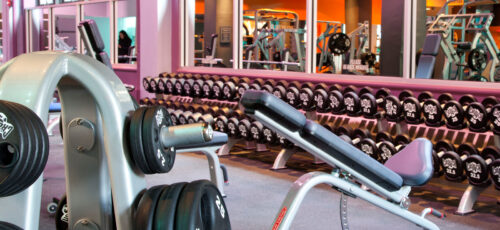
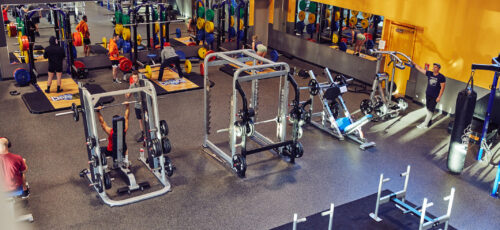
Crunch gyms are built to give you options. From selectorized machines and plate-loaded equipment to dumbbells, barbells, and functional training zones, you have everything you need in one place. This flexibility lets you move easily between machine work and full-body free weight training.
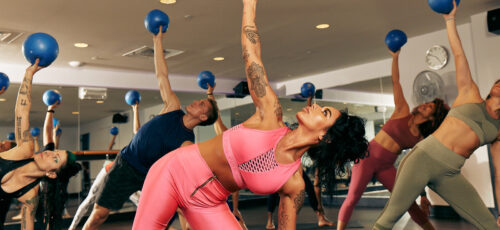
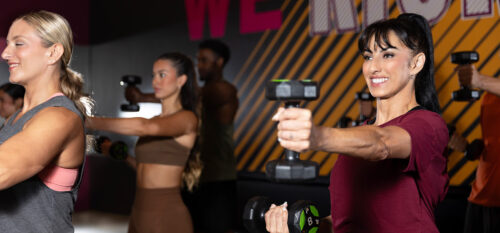
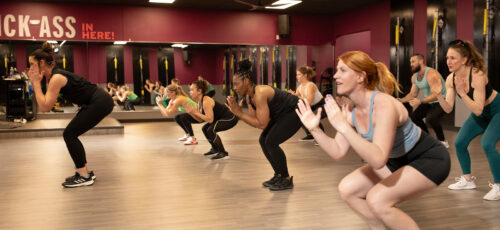
Not sure where to start? Group fitness classes make equipment less intimidating and more fun. With expert instructors and a motivating atmosphere, you’ll learn proper form, try new movements, and build confidence while enjoying the process.
Crunch promotes a culture of positivity, inclusivity, and fun with no judgments by providing an environment for all individuals, regardless of their health and fitness goals. Find a Crunch gym near you to try our free trial membership, or join Crunch now. We’re here for you – at the gym or at home. Access the best live & on-demand workouts anytime, anywhere with Crunch+. Ready to get sweaty? Try hundreds of workouts for free! Start your free trial now!
Free weights are usually better for full-body workouts because they work several muscle groups at the same time. Exercises like squats, presses, and rows also train your core and stabilizer muscles. While machines can help with full-body training, free weights tend to activate more muscles overall.
Gym machines are often safer for beginners because they guide your movements and offer extra stability. Free weights need more control and good technique, so there is a higher risk of injury without proper guidance. Both options are safe if you use good form and choose the right weight.
Both gym machines and free weights can help with weight loss if you train regularly and eat well. Free weights often burn more calories during big movements, while machines let you focus on certain muscles with more control. The best option depends on your workout habits and how consistent you are.
Yes, using both gym machines and free weights in one workout is often very effective. Free weights help you build real-world strength, while machines let you target certain muscles and add more sets safely. Mixing both can boost your strength, muscle growth, and overall results.
You might notice strength gains in about 3 to 4 weeks with both machines and free weights. Visible muscle changes usually take 6 to 8 weeks if you train regularly. Your results depend more on your effort, progress, and recovery than on the type of equipment you use.