









Hamstring Strength Exercises for a Stronger Lower Body
February 12, 2026
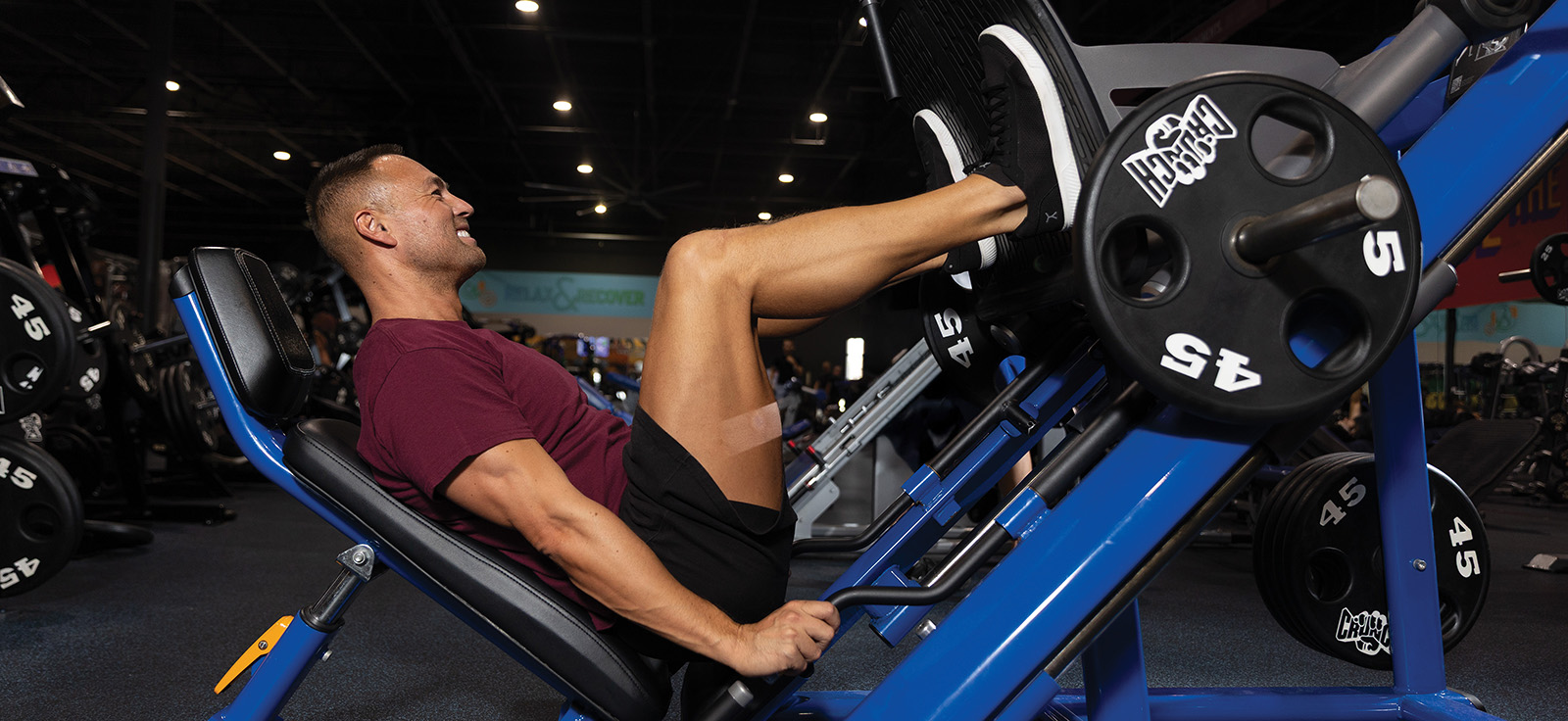
Have you ever felt strong at the bottom of a squat but unsteady when you hinge, run, or change direction? This usually means your hamstrings could use some extra focus.
At Crunch Fitness, we believe building a stronger lower body means training all the muscles in the back of your body, not just your quads and glutes. This helps your muscles work well together.
Hamstring strength exercises help you build power, control, and balance in your hips and knees. Your hamstrings are important for moves like deadlifts, lunges, and hip hinges, and they help keep your knees stable and your movements smooth.
When your hamstrings are strong, both your workouts and daily activities like bending or climbing stairs feel easier and more stable. Strong hamstrings also help prevent injuries, especially during tough workouts or sports.
This article will show you how stronger hamstrings can boost your performance, make your workouts safer, and help you keep improving. No matter your experience, building hamstring strength can change how your lower body feels and moves, both in and out of the gym.
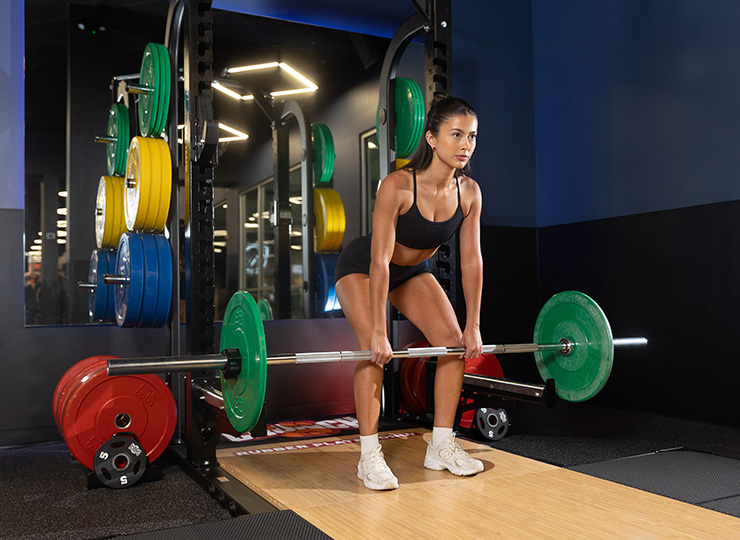
There isn’t just one best exercise for strong hamstrings. You need a mix of different moves, good coaching, and an understanding of how each exercise helps.
This section covers the most effective hamstring exercises, with instructions, sample sets, reps, and tips on how Crunch Fitness trainers can help you get better results and avoid injuries.
Let’s begin.
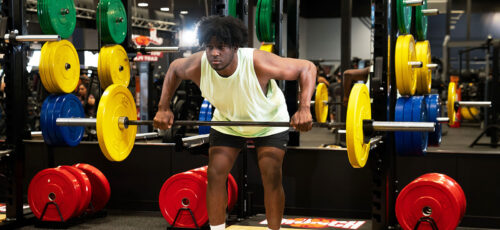
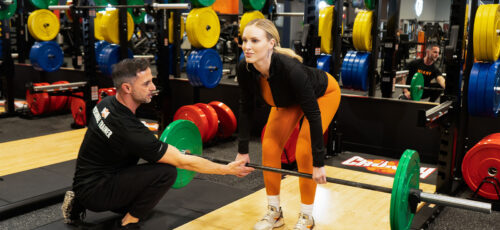
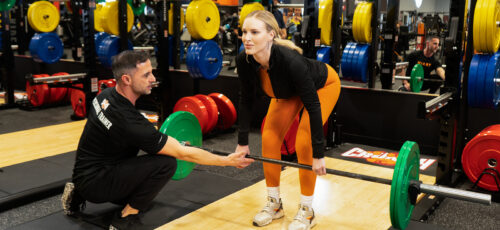
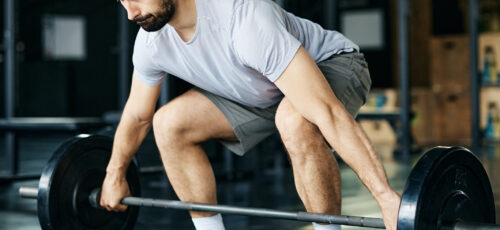
The barbell deadlift is a cornerstone of lower-body strength training. It trains the hamstrings and glutes together through a powerful hip hinge, while the core stabilizes the spine.
Why it matters:
Deadlifts strengthen the entire posterior chain, helping protect the knee joint and improve everyday movement like lifting and carrying.
How to do it:
Example sets & reps:
Trainer tip:
A Crunch Fitness personal trainer can dial in your setup and hip hinge mechanics, helping you lift heavier while protecting your lower back.
The Romanian deadlift keeps constant tension on the hamstrings, especially during the lowering (eccentric) phase.
Why it matters:
This exercise is important for building hamstring strength, muscle growth, and preventing injuries, especially for runners and athletes.
How to do it:
Example sets & reps:
Trainer tip:
Crunch’s trainers help you control your tempo and range of motion, so you work your hamstrings instead of your lower back.
This unilateral movement trains each hamstring independently while challenging balance and core stability.
Why it matters:
It helps your knees stay stable, boosts athletic performance, and corrects strength imbalances.
How to do it:
Example sets & reps:
Trainer tip:
Personal trainers cue posture and alignment so your hips stay level and your knees stay safe.
Read more: 10 Must-Try Glute Training Exercises for Stronger Lifts and a Sculpted Booty
The hex bar allows a more upright torso, making it a joint-friendly way to load the hamstrings and glutes.
Why it matters:
This exercise is great for building lower-body power while putting less stress on your lower back.
How to do it:
Example sets & reps:
Trainer tip:
Crunch trainers often recommend this variation for beginners or members returning from injury.
With minimal knee bend, this movement places more emphasis directly on the hamstrings.
Why it matters:
It builds both strength and flexibility, helping you move through a better range of motion.
How to do it:
Example sets & reps:
Trainer tip:
A trainer ensures you don’t overstretch or rush the movement, reducing injury risk.
Using dumbbells allows more freedom of movement and better control.
Why it matters:
This exercise is great for improving your technique and training your hamstrings without putting a lot of weight on your spine.
How to do it:
Example sets & reps:
Trainer tip:
Crunch personal trainers often use this as a teaching tool to perfect the hip hinge.
Rack pulls shorten the range of motion, allowing heavier loads with more control.
Why it matters:
Rack pulls help you build hamstring and glute strength while putting less strain on your lower back.
How to do it:
Example sets & reps:
Trainer tip:
Trainers help adjust rack height so the movement targets the hamstrings, not momentum.
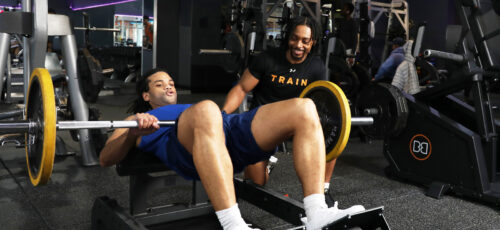
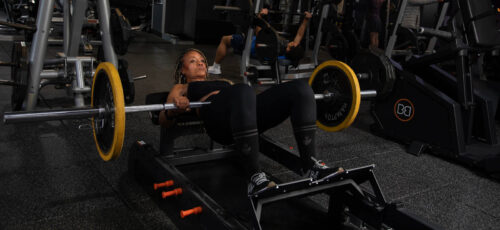
Hip thrusts emphasize hip extension, strongly engaging both glutes and hamstrings.
Why it matters:
Having strong hips helps you sprint, jump, and keep your knees stable.
How to do it:
Example sets & reps:
Trainer tip:
Crunch trainers cue proper foot placement and core engagement for maximum muscle activation.
This single-leg squat stretches and strengthens the hamstrings while engaging the core.
Why it matters:
This exercise helps you improve your balance, coordination, and control of your lower body.
How to do it:
Example sets & reps:
Trainer tip:
Personal trainers help adjust stance length to protect the knee joint and maximize hamstring engagement.
Reverse sled pulls load the hamstrings dynamically without heavy eccentric stress.
Why it matters:
Reverse sled pulls help you build strength and conditioning without putting too much stress on your knees.
How to do it:
Example sets & reps:
Trainer tip:
Crunch trainers often use sled work to build hamstring strength safely for all fitness levels.
Discover more: 10 Best Leg Strength Training Exercises You Can Do At The Gym
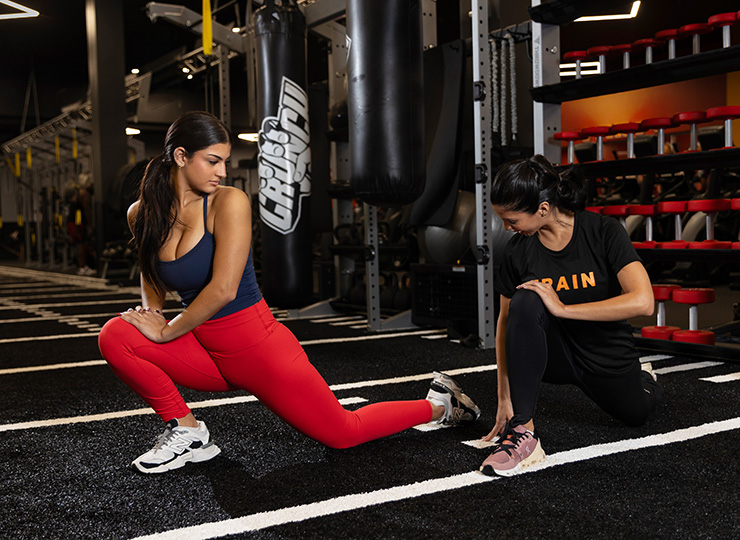
These exercises work well by themselves, but working with a Crunch Fitness personal trainer can help you:
All of these hamstring exercises make up a balanced lower-body training plan. They help you get stronger, perform better, and move with confidence in and out of the gym.
Many people think the hamstring is just one long muscle at the back of the leg. Actually, your hamstrings are three muscles that work together and play a big part in how your lower body moves, especially during leg workouts.
The main hamstring muscles are:
These three muscles are a key part of your posterior chain. They work with your glutes and core to help you move strongly and efficiently.
Most hamstring exercises train the muscles in two key ways:
Hip extension happens when you drive your hips forward, like in deadlifts, Romanian deadlifts, glute bridges, or when you stand up at the top of a squat. The semitendinosus, semimembranosus, and the long head of the biceps femoris all cross the hip joint, which is why hinge movements work the hamstrings so well.
Whenever you bend your knee, such as during hamstring curls, running, or sled work, all your hamstring muscles are involved. This movement is important for keeping your knees stable and preventing injuries.
Where a muscle starts and ends determines what it helps you do. Because the hamstrings attach across both the hip and knee, they influence:
Small details, like how your lower leg rotates during leg curls, can change which muscle fibers are used most.
Strong hamstrings do more than look good on leg day. They support almost everything your lower body does, from lifting heavier weights to moving better and staying pain-free.
Many people at the gym use their quads more than their hamstrings, so the front of their thighs does most of the work. This imbalance can cause tightness in the back of the legs, shaky squats, or knee discomfort during daily activities.
Training your hamstrings helps balance your lower body muscles, so your quads, glutes, and the back of your body work together. This leads to better stability, smoother squats and lunges, and stronger, more confident lifts.
Your hamstrings work like natural brakes for your knees and hips. They control your movement when you slow down, land, stop, or lower a weight, which is when many injuries can happen.
Building eccentric strength through smart hamstring exercises helps protect the knee joint, reduce strain, and lower the risk of common issues like hamstring strains or knee pain. Strong hamstrings support long-term injury prevention, whether you’re lifting, running, or playing sports.
If you want more explosiveness, your hamstrings need to be on board. They play a major role in hip extension, which drives powerful movements like deadlifts, sprinting, jumping, and kettlebell swings.
Strong hamstrings help you perform better in sports by making you faster, stronger, and more controlled during quick movements.
Strong hamstrings help you in daily life, too. They support your posture, reduce lower back strain, and help you move more easily. Standing up, walking, or bending down all feel smoother when your hamstrings are strong.
Now that you know why strong hamstrings are important, let’s look at how to build them effectively.
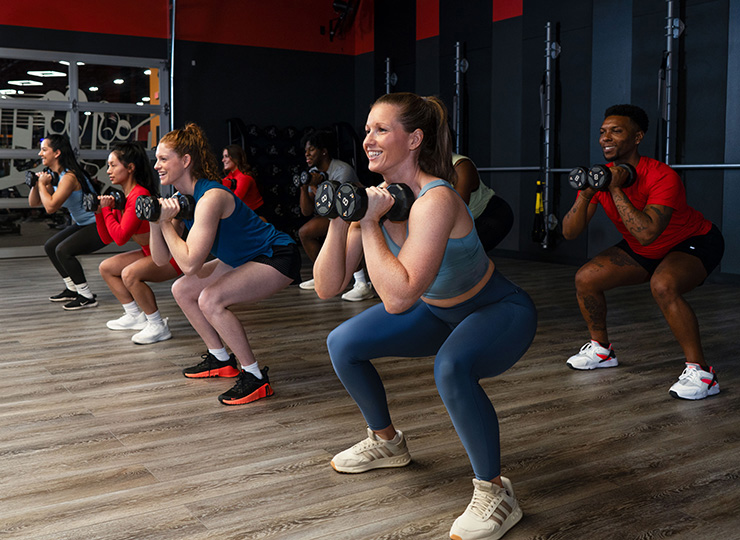
You don’t have to change your whole workout plan to add hamstring exercises. The key is to include them regularly and in the right spots.
Begin by training your hamstrings two or three times a week, either on leg day or together with glutes during lower body workouts.
Do compound movements and hip thrusts at the start of your workout, when you have the most energy.
To keep your workouts balanced and easy on your joints, use a mix of different types of exercises:
For example, a basic lower-body workout could include Romanian deadlifts, Bulgarian split squats, and seated hamstring curls. On upper body days, you can add some light hamstring exercises. This way, you build muscle, improve your range of motion, and lower your injury risk without getting too sore.
Read more: What Equipment Does Crunch Fitness Provide?
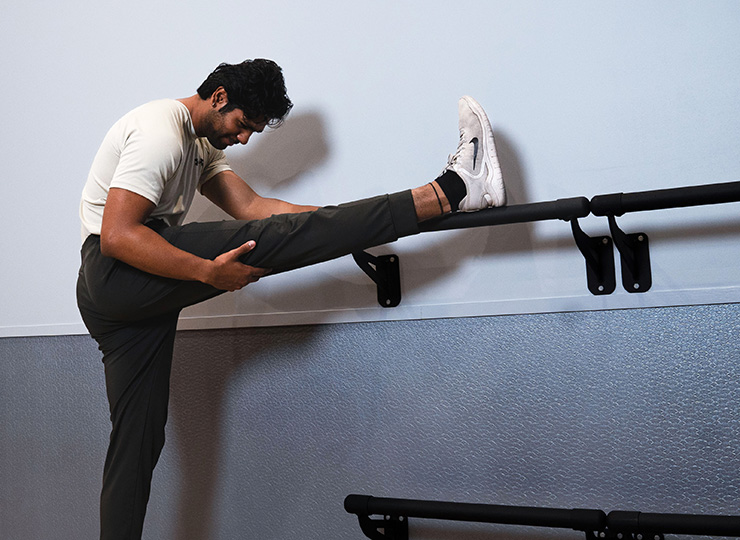
Hamstring injuries often happen when you push your muscles too hard, too quickly, like during sudden sprints, heavy deadlifts, or quick changes in direction on leg day.
A few good habits can help keep your hamstrings strong, flexible, and ready for action.
Before you start strength training or sports, warm up with dynamic moves that take your joints through their full range of motion. Leg swings, hip hinges, and light kettlebell swings get your hamstrings, glutes, and core ready without overstretching. Save deep stretching for after your workout.
Stretching your hamstrings regularly helps you stay flexible and less stiff, especially if you sit often. Try a mix of standing stretches, seated hamstring curls, and light resistance band work to keep your muscles healthy without stressing your knees.
If you only do leg curls or use the leg curl machine, you might miss out on full strength. Combine hamstring exercises like Romanian deadlifts and hip thrusts with glute bridges and core work to build a strong, stable backside and help prevent injuries.
Feeling tired is often the first sign to slow down. If your hamstrings feel tight or sore, focus on recovery instead of doing another workout. Rest helps your muscles grow, boosts performance, and lowers your risk of injury.
Read more: Can A Personal Trainer Help Me Rehabilitate an Injury?
Crunch promotes a culture of positivity, inclusivity, and fun with no judgments by providing an environment for all individuals, regardless of their health and fitness goals. Find a Crunch gym near you to try our free trial membership, or join Crunch now. We’re here for you – at the gym or at home. Access the best live & on-demand workouts anytime, anywhere with Crunch+. Ready to get sweaty? Try hundreds of workouts for free! Start your free trial now!
You target your hamstrings by training both hip hinge and knee flexion movements. Exercises like Romanian deadlifts, hip thrusts, and hamstring curls work the muscles through their full range of motion.
Yes, hamstrings are absolutely worth training because they support lower-body strength, performance, and injury prevention. Strong hamstrings help protect your knees and improve lifts like squats and deadlifts.
Squats work the hamstrings, but only to a limited degree. To fully build hamstring strength, you need dedicated exercises like Romanian deadlifts, leg curls, and hip hinge movements.
Most people see results from training hamstrings 2–3 times per week, depending on volume and intensity. Spacing sessions allow recovery while supporting muscle growth and strength gains.
Yes, stronger hamstrings can make your glutes look fuller by improving lower-body balance and shape. Well-developed hamstrings enhance the overall look of the posterior chain.
Most people notice improved hamstring strength in 4–6 weeks with consistent training. Muscle control and movement quality often improve even sooner.