









Is Pilates Cardio? What Kind of Exercise Is It Anyway?
February 19, 2026
Is Pilates Cardio or Not?
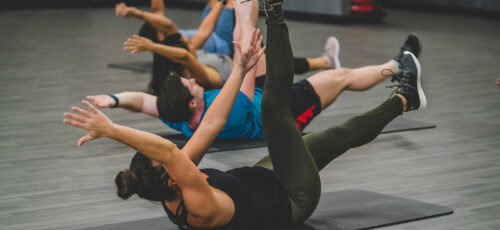
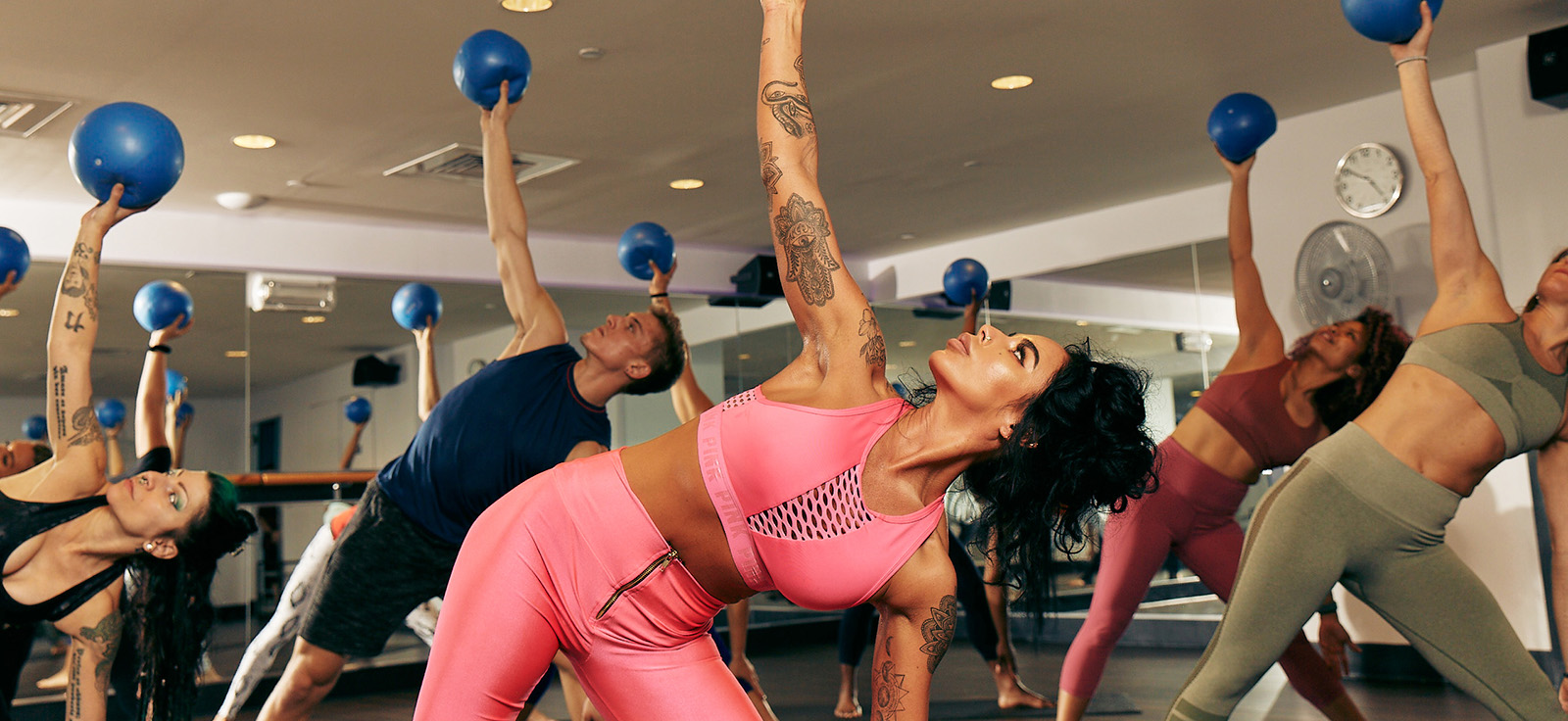
Is Pilates cardio? It’s a good question, especially when your abs are sore, your legs feel tired, and you’re sweating even though you haven’t done a single jumping jack. Pilates isn’t traditional cardio, but it still offers a tough workout that often surprises people.
Pilates doesn’t rely on nonstop movement. Instead, it focuses on controlled strength, core stability, flexibility, and working your whole body.
You might not keep your heart rate up the entire time, but Pilates can boost endurance, help your heart, and build strength in ways that traditional cardio doesn’t. It’s gentle on your joints and great for improving posture and how you move.
In this article, we’ll look at how Pilates compares to cardio workouts, explain the difference between building endurance and strength, show you how to make Pilates feel more like cardio, and highlight how Pilates classes at Crunch Fitness can fit into your training, no running needed.
Join us as we clear up the confusion about Pilates and help you find a new path to a healthier, stronger you.
Pilates isn’t traditional cardio, but it’s not easy either. Most Pilates workouts focus on strength, control, alignment, and moving efficiently, instead of nonstop aerobic activity. That’s why Pilates feels different from running on a treadmill or taking a spin class.
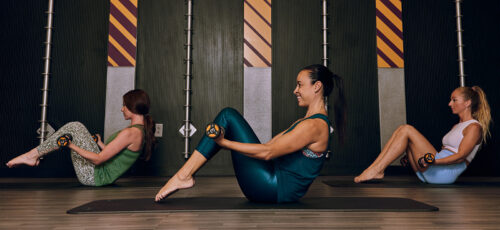
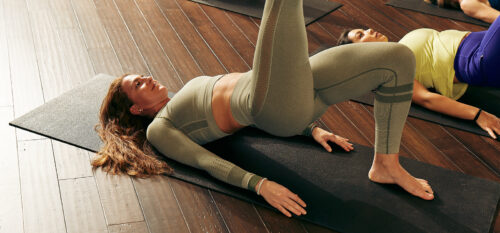
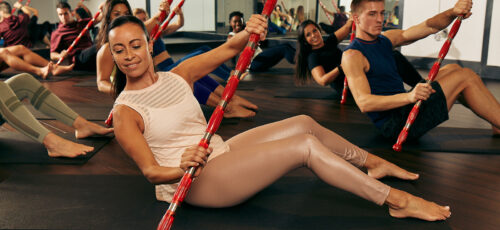
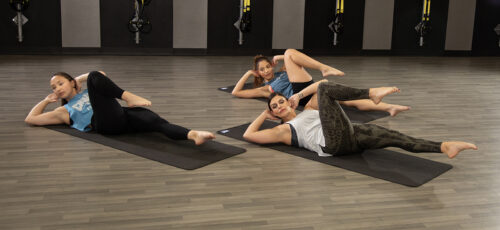
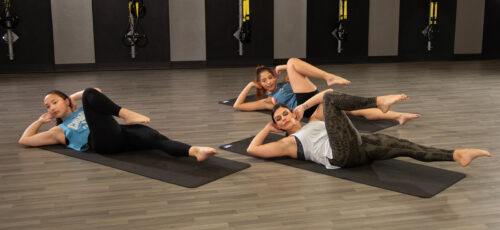
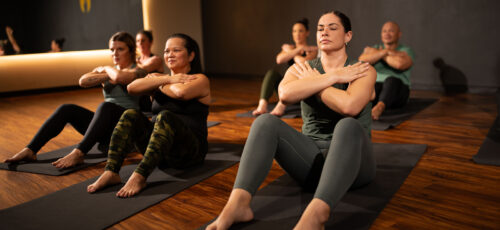
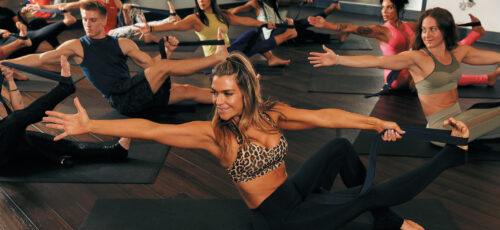
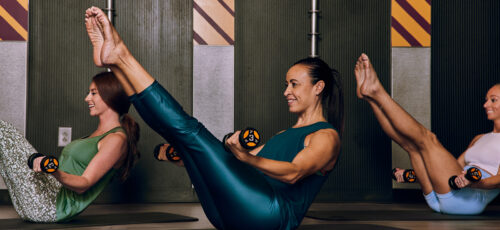
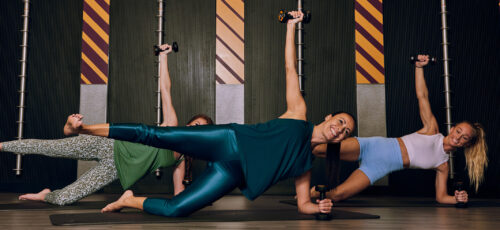
At its core, Pilates emphasizes core strength, posture, balance, and muscle engagement, using bodyweight, resistance, and precise breathing. Whether you’re holding planks, moving through lunges, or working deep stabilizer muscles like the transversus abdominis, your muscles stay under constant tension.
Research published in Age found that consistent Pilates training improved upper-body, lower-body, and abdominal strength, highlighting its role as effective strength training rather than classic cardio.
Still, Pilates can get your heart rate up in the right setting. If you’ve ever finished a class feeling shaky, warm, and out of breath, that’s on purpose.
Pilates may feel more cardio-like when:
Pilates usually keeps your heart rate lower than high-impact workouts like jumping jacks, cycling, or interval training. Instead, it works your muscles and breathing at the same time, helping you build endurance, coordination, and better movement without putting stress on your joints.
Pilates helps you build things that cardio often misses, like core stability, good posture, and better movement. Next, we’ll show how Pilates and cardio compare, and how you can use both in a balanced Crunch Fitness routine.
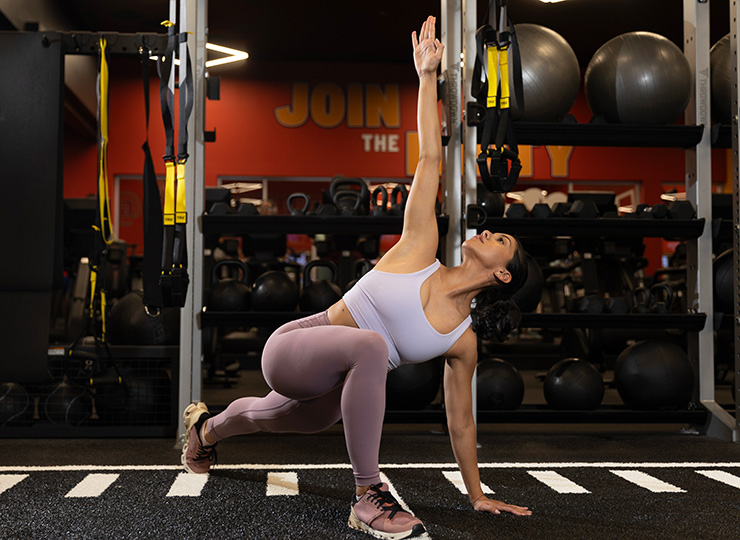
If you’ve ever left a Pilates class breathing harder than you thought you would, you might wonder if it counts as cardio. It’s a common question. Both Pilates and cardio can make you sweat and push your body, but they do it differently. Knowing the difference can help you pick the best mix for your goals.
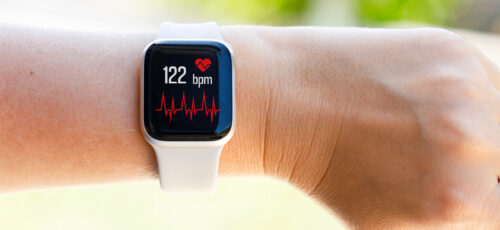
Traditional cardio, like running or cycling, keeps your heart rate up for a long time. Pilates usually keeps your heart rate lower, with short bursts depending on how fast and intense the class is. It’s more stop-and-go than steady.
Read more: Heart Rate for Cardio Exercise: Key Insights for Maximizing Your Workouts
Cardio mainly builds your heart and lung endurance. Pilates is more about strength, especially in your core, posture, and muscle control. With Pilates, you work on control and stability before worrying about speed or distance.
Discover more: How to Increase Cardiovascular Endurance: A Beginner-Friendly Guide
Cardio is usually repetitive and follows a rhythm. Pilates is more about being precise, controlled, and focused on doing each movement well, not just doing more.
Quick comparison:
| Focus Area | Pilates | Traditional Cardio |
| Primary goal | Strength, control, alignment | Endurance, heart health |
| Heart rate | Low to moderate, intermittent | Moderate to high, sustained |
| Muscle focus | Core, stabilizers, full-body control | Legs, lungs, cardiovascular system |
| Impact level | Low-impact | Low to high-impact |
Pilates feels more like cardio when:
Cardio feels different because:
Read about: How to Use HIIT Workouts for Weight Loss
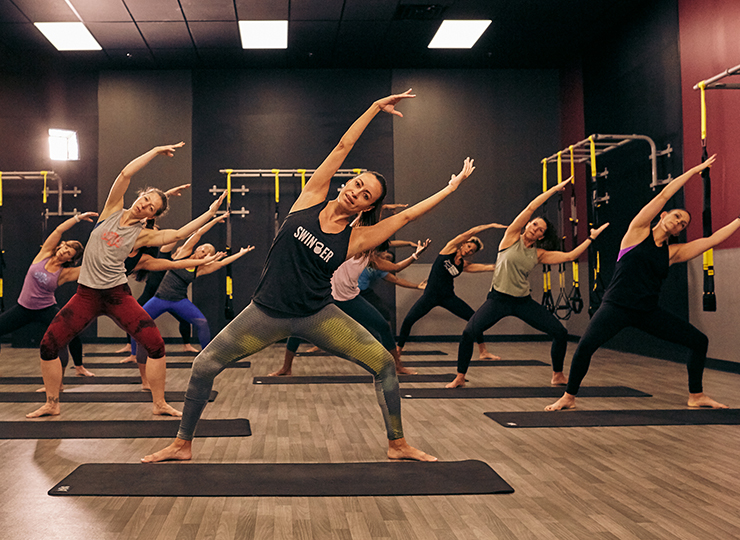
If you love Pilates for the core burn and muscle control, but secretly miss that heart-pumping, sweaty finish, you’re not alone.
Pilates doesn’t have to stay calm and quiet. With a few smart tweaks, it can absolutely lean more cardio-forward while keeping the low-impact, strength-building benefits that make it such a staple in fitness routines.
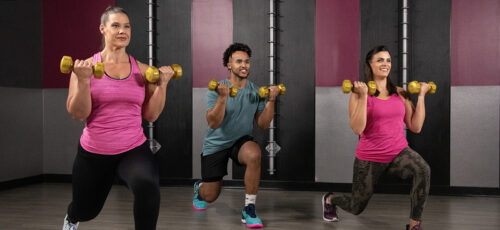
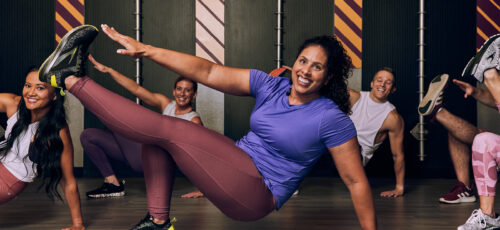
Cardio-style Pilates focuses on keeping you moving. Faster classes with less rest challenge your muscles and your endurance. Instead of stopping between exercises, you move from planks to lunges to squats, which keeps your heart rate up and your core working.
The Reformer jumpboard is great for anyone who wants more aerobic intensity without stressing their joints. Spring-loaded jumps turn regular Pilates moves into full-body cardio, working your glutes, quadriceps, and stabilizer muscles while building endurance.
You might also see short bursts of movement woven in, like:
Join: ReFORM Pilates
Even when a class isn’t labeled “cardio,” your intent matters. You can raise the aerobic demand by:
The main thing is to stay in control. Cardio Pilates should be challenging, but not feel out of control.
When you smartly combine Pilates and cardio, they work well together. Next, we’ll look at the main benefits of Pilates and how it fits into a balanced Crunch Fitness routine for strength, endurance, and long-term health.
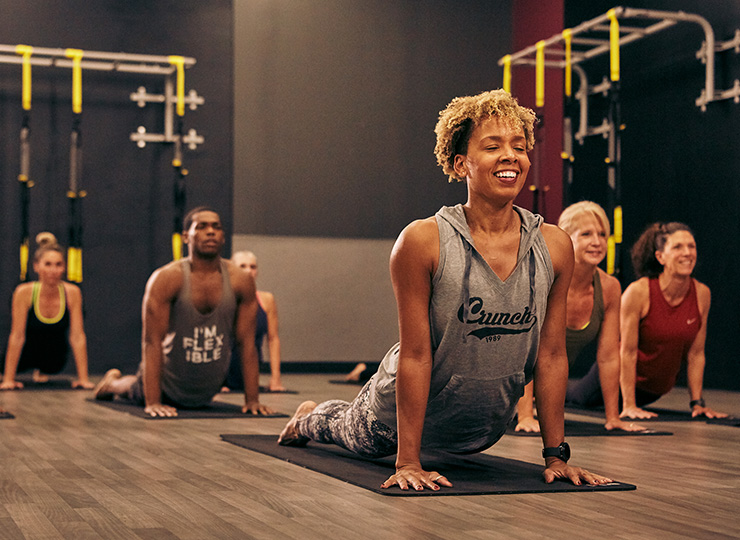
If you’re still not sure if Pilates is enough because it doesn’t look like regular cardio, remember that Pilates offers big benefits that go beyond just raising your heart rate.
While it may not always feel breathless or fast-paced, Pilates builds the kind of strength, control, and movement quality that supports everything else you do in the gym and in daily life.
Below, we explain why Pilates earns its place in a well-rounded fitness routine.
One of the best things about Pilates is the strength it builds, especially where it counts. Pilates focuses on movements and deep core muscles that help you move better in daily life.
Research consistently shows that Pilates improves core strength and trunk stability, particularly through activation of deep abdominal muscles like the transversus abdominis and pelvic floor.
You’ll be better prepared for daily tasks like carrying groceries, lifting boxes, picking up kids, or moving with confidence.
What that feels like day to day:
Read more: What Are the Most Effective Core Stability Workouts for Gym-Goers?
Pilates does more than build muscle. It teaches your body to work together, which is why balance and coordination improve so much.
Studies in journals like the Journal of Bodywork and Movement Therapies and Frontiers in Neurology show that Pilates can greatly improve balance and coordination, especially for older adults. Better balance lowers the risk of falls, but it’s also helpful for athletes and anyone who works out.
Why it matters:
Even doing Pilates once a week can improve your body awareness, which helps with strength training, cardio, and everyday movement.
If you spend a lot of time sitting, driving, or looking at a screen, Pilates can be one of the best ways to improve your posture.
Research in Clinical Biomechanics and Archives of Rehabilitation Research and Clinical Translation shows that doing Pilates regularly can improve your spinal alignment, reduce forward-head posture, and help your pelvis stay in a healthier position. Pilates builds the muscles that keep you upright, instead of just relying on stiffness.
Real-life payoff:
Good posture helps you breathe better, get stronger, and keep your joints healthy over time.
Pilates helps you move your joints better (mobility) and stretch your muscles more (flexibility). This combination is important for avoiding injuries and performing well.
Research shows that doing Pilates regularly improves how your hips, shoulders, spine, and hamstrings move. Unlike just stretching, Pilates builds strength as you move, so your flexibility lasts longer.
That means:
This is especially useful if you also lift weights, run, or cycle often.
Pilates puts a big focus on breath control, and it’s not just for mindfulness. It also helps you perform better.
Studies in PLOS One have found that athletes who added Pilates to their training improved endurance performance, including faster running times. Pilates breathing trains the diaphragm, improves efficiency, and helps regulate effort during physical activity.
You might notice:
Learning to breathe on purpose can make tough workouts feel easier.
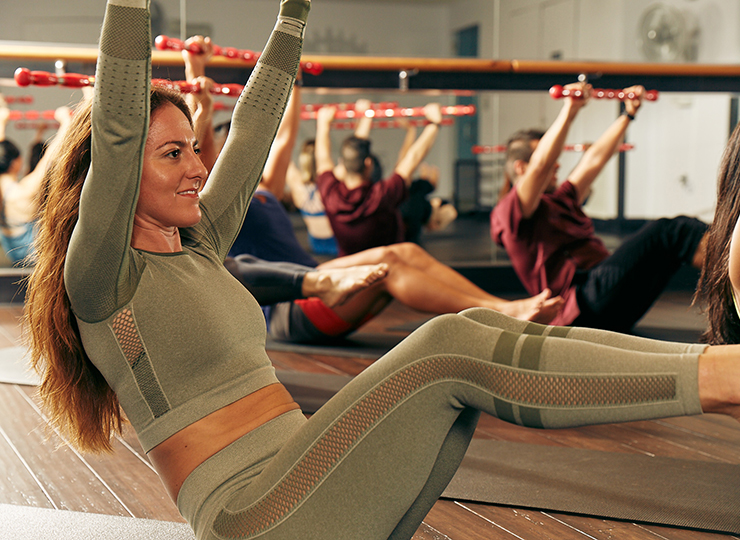
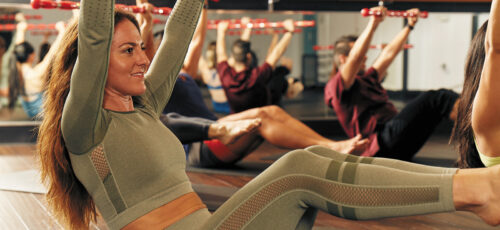
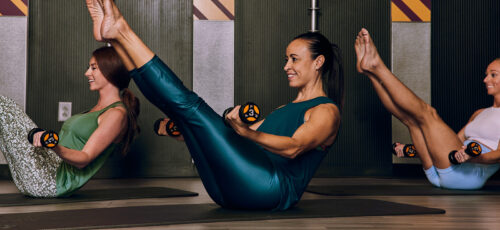
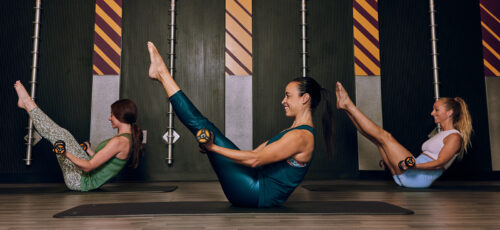
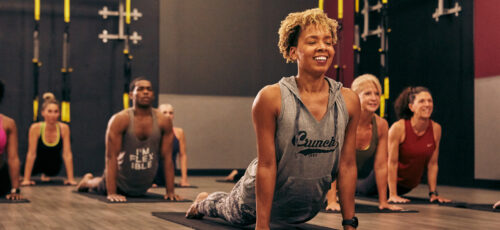
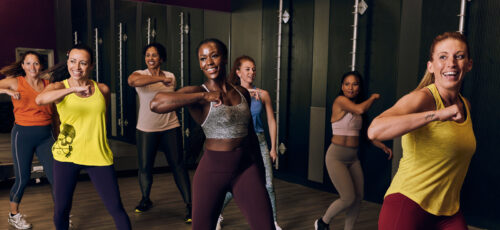
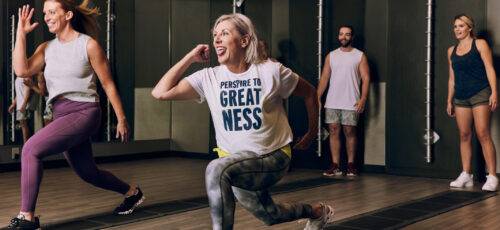
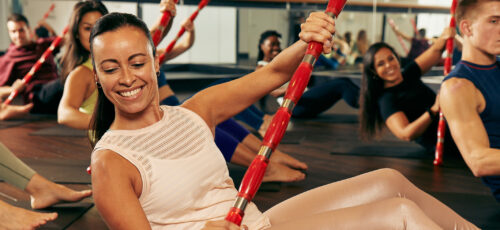
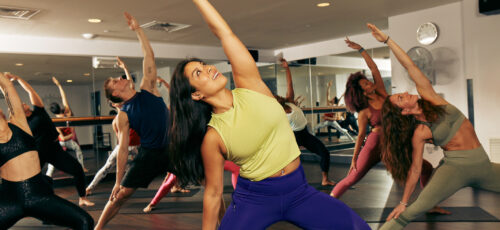
Try out how fun and dynamic Pilates can be at Crunch Fitness. Each class combines careful movement, strength, and energy. Our Pilates classes are made to challenge your body, clear your mind, and help you move with more strength and confidence.
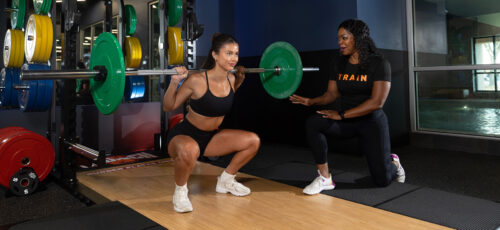
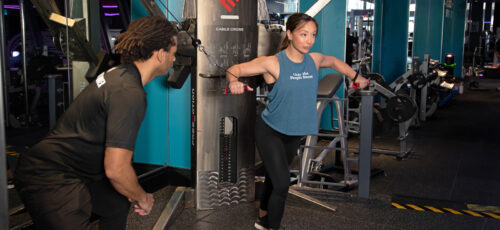
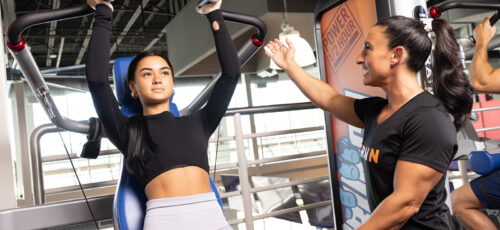
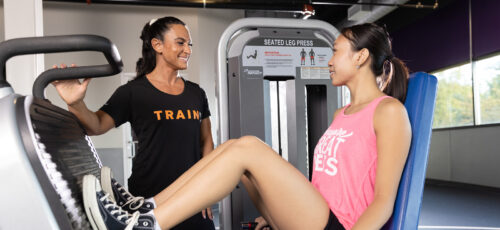
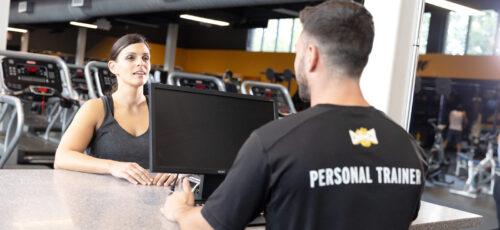
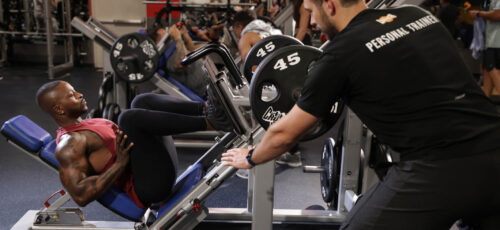
A Crunch Fitness personal trainer can help you reach your goals faster, whether you want to do Pilates, Barre, strength training, or a mix. Instead of guessing, a trainer will help you make a plan that fits your body, experience, and goals.
Personal trainers make sure you use good form, stay aligned, and progress safely, which leads to better results. They can help you build core strength, improve your posture and mobility, and balance low-impact training with strength work.
Trainers adjust your exercises as you improve, so your workouts stay challenging but not too hard.
They also help you stay on track and motivated. When it’s tough to be consistent, a trainer helps you stay focused, confident, and keep making progress, so every workout counts.
If cardio gets your heart pumping, Pilates helps your body handle it better. Instead of picking just one, combining Pilates with your cardio can make your workouts feel smoother, stronger, and easier to keep up long-term.
Pilates helps your cardio workouts by building core strength, better posture, and muscle control. These are important when you run, cycle, row, or take a high-energy class. A stronger core helps you keep good form when you get tired, and better mobility and balance protect your joints.
Here’s how to pair them effectively:
For example, runners often have less back pain and run more efficiently, while cyclists get better hip movement and spine alignment. Pilates also helps balance out the repetitive motions of cardio by strengthening stabilizer muscles that are often missed.
Crunch promotes a culture of positivity, inclusivity, and fun with no judgments by providing an environment for all individuals, regardless of their health and fitness goals. Find a Crunch gym near you to try our free trial membership, or join Crunch now. We’re here for you – at the gym or at home. Access the best live & on-demand workouts anytime, anywhere with Crunch+. Ready to get sweaty? Try hundreds of workouts for free! Start your free trial now!
Yes, Pilates builds muscle by using controlled movements and resistance to strengthen your core and supporting muscles. It focuses more on muscle tone and endurance than size.
Pilates improves core strength, posture, balance, and flexibility through low-impact, controlled movements. It helps your body move better in workouts and everyday life.
Yes, Pilates is a form of strength training that uses bodyweight and resistance to strengthen muscles, especially the core. It’s low-impact but still challenges muscle control and stability.
Pilates can help strengthen and tone your core, but belly fat loss depends on overall activity, nutrition, and consistency. Pilates works best when combined with cardio and healthy habits.
Pilates can support weight loss by building lean muscle, improving movement efficiency, and increasing consistency in your fitness routine. It works best alongside cardio, strength training, and proper nutrition.
Most people see results doing Pilates 2–4 times per week. Consistency matters more than intensity, especially for core strength and posture.
Pilates can raise your heart rate, especially during faster-paced or continuous-flow classes. However, it’s not typically considered a traditional cardio workout.