









Lower Body Strength Training That Delivers Results
January 16, 2026
Some people call it “leg day,” while others think of it as “the day you question every stair you climb.” No matter what you call it, lower body strength training is where real power starts. Your legs do more than just help you walk; they’re your body’s engine, getting you through workouts, daily activities, and even those unexpected dance-offs.
Think of your lower body as your foundation and your power source. When you stand with your feet hip-width apart, knees slightly bent, and core engaged, you’re not just using good form, you’re building strength that makes squats, lunges, and step-ups feel easier and more powerful.
A good lower body workout focuses on the main muscle groups: glutes, hamstrings, quads, and calves, and also targets essential muscles like your hip flexors and stabilizers that help you stay upright and balanced.
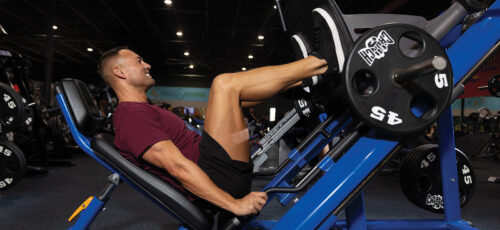
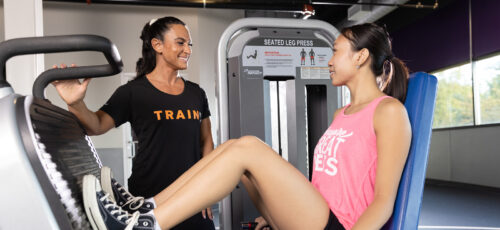
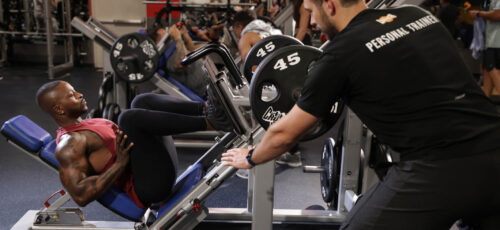
At Crunch Fitness, we believe a great leg workout is about improving performance, mobility, and confidence. Whether you’re learning a forward lunge, using the leg press, or practicing good posture, it all begins with smart and consistent training.
In this article, you’ll find a proven lower body strength training routine that delivers real results. By the end, you will learn how to harness the benefits of lower-body exercises to boost your strength and energy levels.
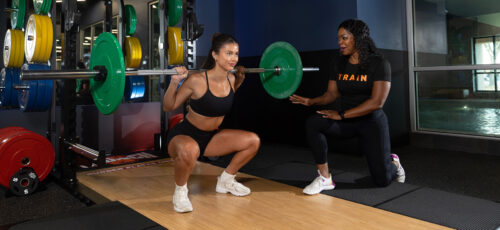
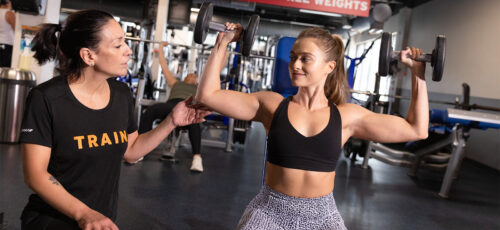
You’ll discover how to design a customized lower-body workout tailored to your needs and fitness goals. Plus, we’ll explore how Crunch’s personal trainers can support you in strengthening, toning, and sculpting your body from the ground up.
Ready to crush leg day like a pro? Let’s get moving!
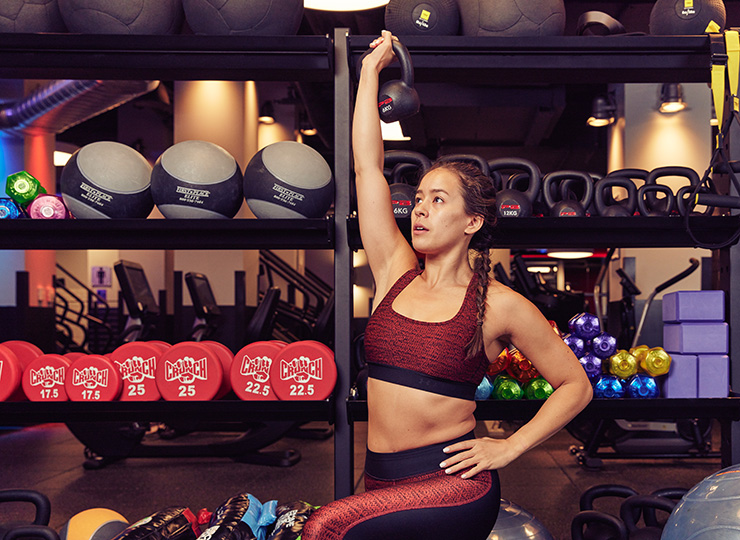
Grab a towel, a water bottle, and maybe a sense of humor, because you’re about to meet your glutes, quads, and hamstrings in a whole new way.
This lower-body strength training routine works all the main muscle groups, improves your stability, and will leave you feeling proud of what your legs can do.
Let’s explain, one powerhouse move at a time.
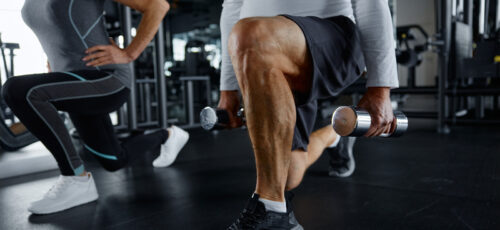
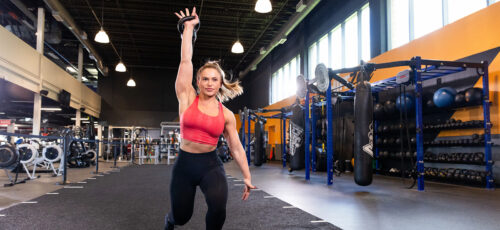
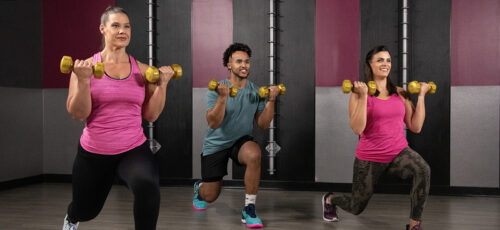
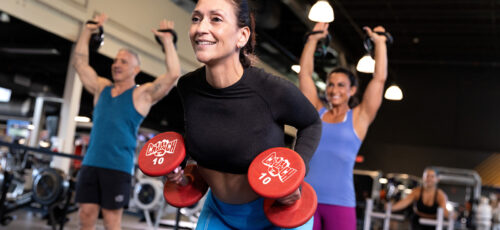
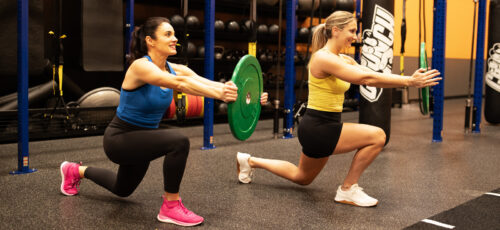
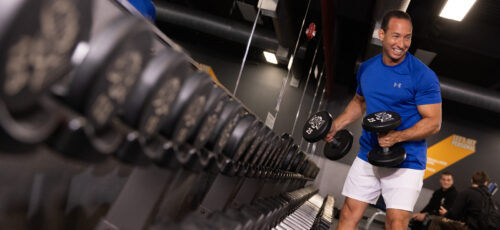
Trainers everywhere love this exercise because the dumbbell lunge works your glutes, quads, hamstrings, and challenges your core and balance. It’s truly a “walk the walk” move.
How to Do It:
Make it easier: Try a reverse lunge. You’ll step back instead of forward, which gives you more control.
Make it harder: Try walking lunges with dumbbells or add a few lunge jumps for more explosive power.
Trainer Insight: Focus on control instead of speed. This exercise builds strength and stability, so take your time.
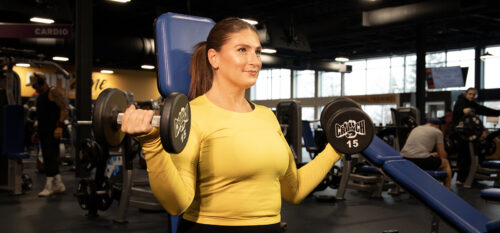
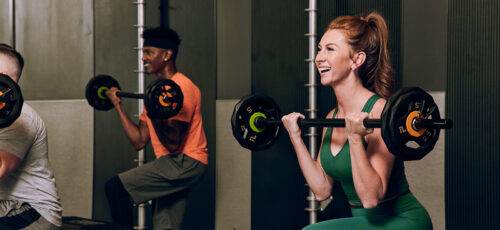
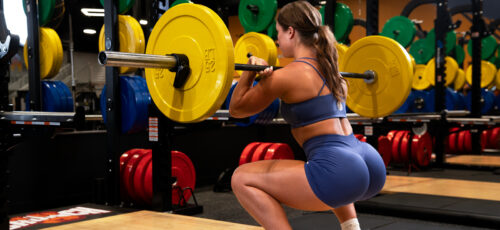
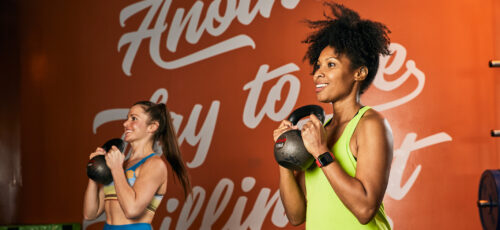
If lunges build strength, squats are the foundation. The dumbbell shoulder squat works your hips, thighs, and glutes, and improves mobility and coordination. It’s a great way to activate your lower body muscles.
How to Make It Happen:
Make it easier: Start with bodyweight squats to master your form.
Make it harder: Add more weight or try a goblet squat holding a single dumbbell at your chest.
Trainer Insight: Keep your knees slightly out and your core tight. If you can hold a conversation while squatting, you’re doing it right (and you deserve a medal).
If you’ve ever wondered how to make squats harder, try the Bulgarian split squat. It works each leg separately, strengthens your glutes and quads, and helps you build better balance.
How to Do It:
Make it easier: Skip the weights until you’ve nailed your balance.
Make it harder: Load up a barbell or perform on a Smith machine.
Trainer Insight: After this exercise, you might feel your muscles when you sit down the next day. That’s a sign you worked hard.
Read more: What Exercises Should I Do to Lose Leg Fat?
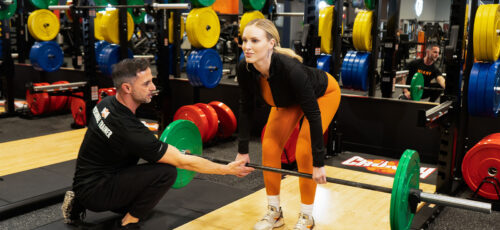
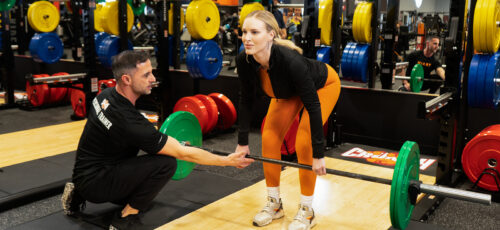
The deadlift is a powerful exercise that strengthens your hamstrings, glutes, lower back, and core. These muscles are essential for a strong body.
How to Do It Right:
Make it easier: Practice with a lightweight bar or even a broomstick to master form.
Make it harder: Add weight gradually or try Romanian deadlifts for extra hamstring focus.
Trainer Insight: Keep the bar close to your legs. If your shins are not lightly grazed, you may be leaning too far forward.
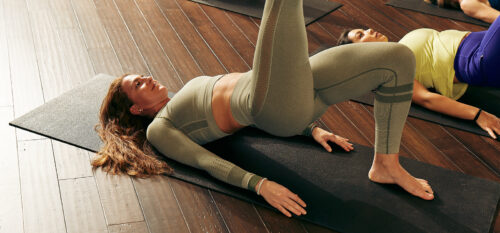
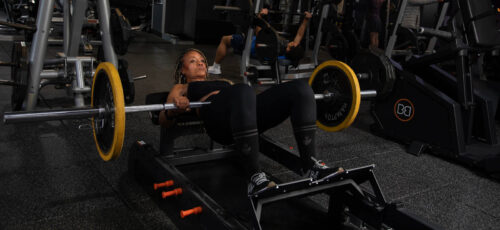
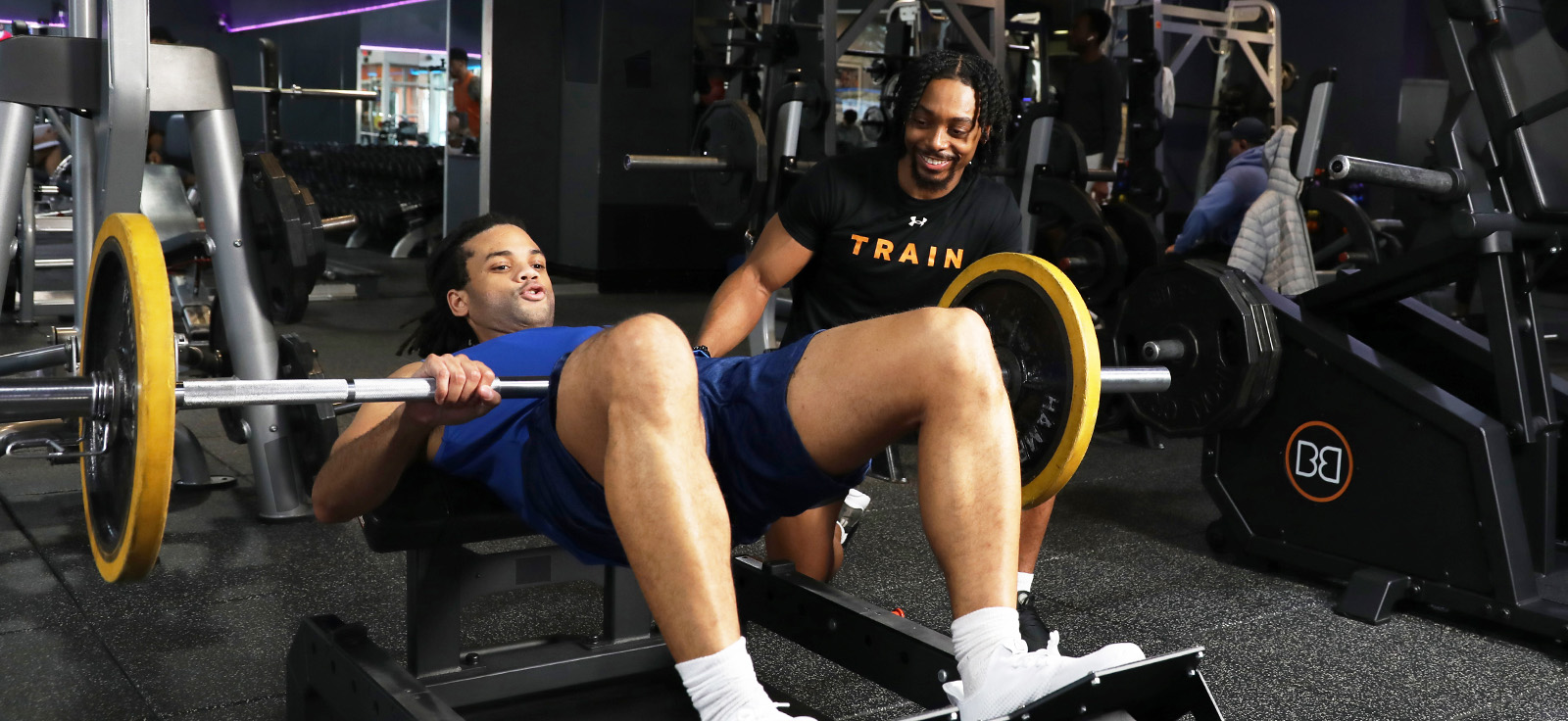
Many people want stronger glutes, and the hip thrust is a great exercise for building them. It is similar to a bridge pose but more challenging.
Here’s How to Lift:
Make it easier: Start with glute bridges on the floor.
Make it harder: Do single-leg hip thrusts or add more weight.
Tip: Keep your chin slightly tucked and your eyes forward. This helps you maintain good form and stay steady.
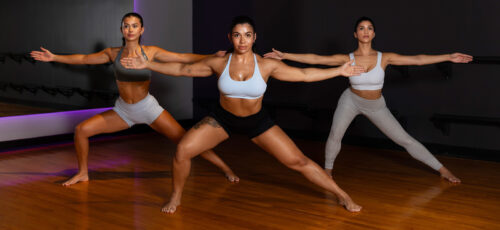
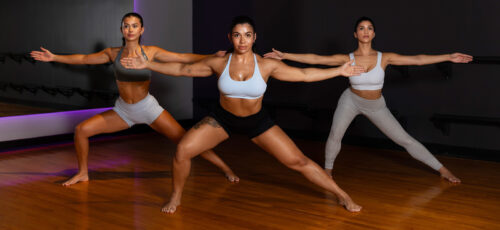
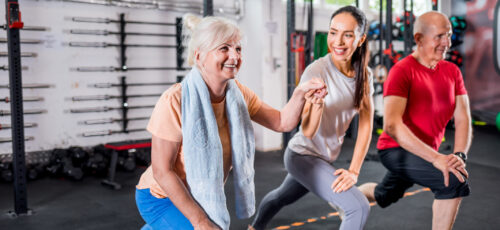
While most exercises move you forward and back, the lateral lunge works your body side to side. It builds stability, mobility, and hip strength, targeting muscles that regular squats may miss.
Here’s the Move:
Make it easier: Take a smaller step and reduce your depth.
Make it harder: Add a dumbbell or kettlebell at chest level.
Tip: Imagine you are dodging an obstacle as you move. This helps you get the motion right and see better results.
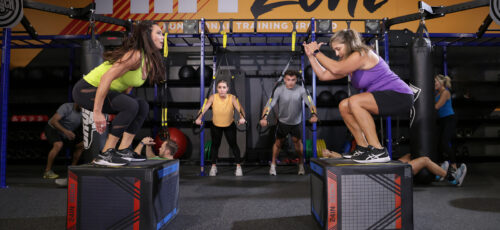
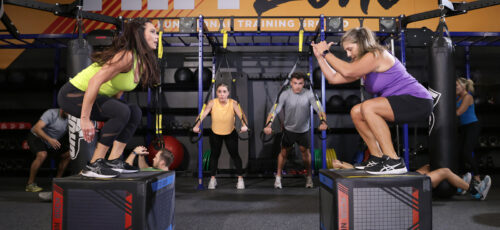
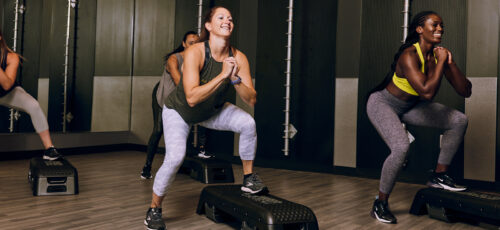
The step-up is a great example of functional training because it mimics real-life movements, like climbing stairs, and builds explosive power in your legs.
How to Step It Up:
Make it easier: Go without weights or use a shorter box.
Make it harder: Increase height or add more resistance.
Trainer’s Trick: Keep your core engaged and avoid pushing off your back leg. Let your front leg do most of the work.
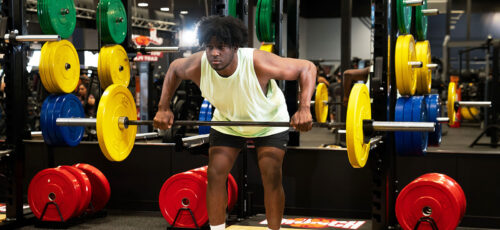
Although the name sounds funny, the good morning exercise is very effective. It strengthens your hamstrings, glutes, and lower back, and helps improve posture and prevent injuries.
How to Do It:
Make it easier: Use a light pole or no weight.
Make it harder: Gradually add weight, but only after you have mastered your form.
Remember: Keep your back straight and avoid rounding your spine during the exercise.
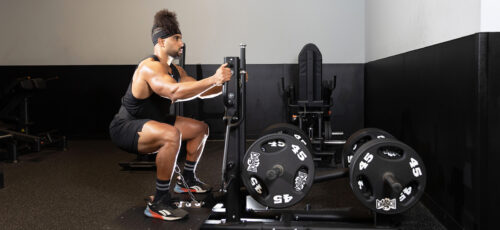
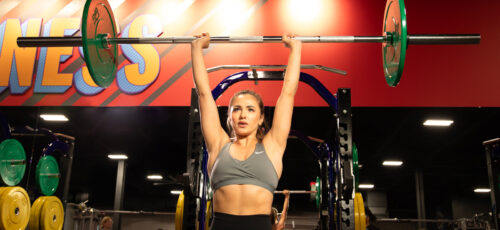
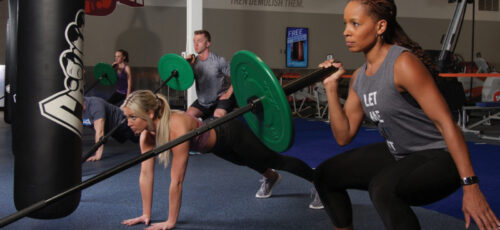
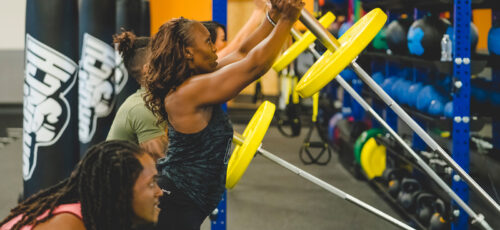
If you want to finish your workout strong, try the barbell jammer press. This exercise works your whole body, building explosive power and engaging your quads, glutes, hamstrings, and upper body.
How to Do It:
Make it easier: Go weight-free to learn the movement.
Make it harder: Add plates to the bar and feel that fire.
Tip: Try doing this exercise with a motivational playlist to help you stay focused and energized.
Discover: Top 10 Exercises for Lower Back Strength
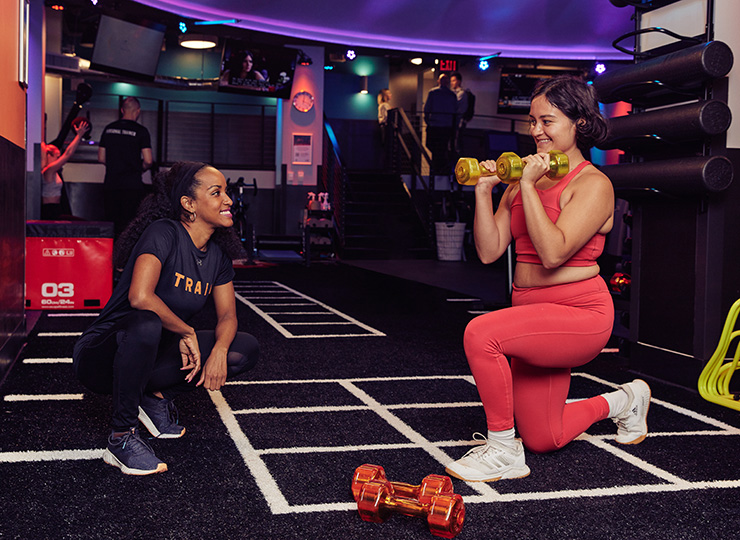
Lower body exercises are important for everyone, not just lifters or runners. These movements help you feel and function better every day. Whether you want better athletic performance, more defined legs, or to move with more strength and stability, focusing on your lower body brings many benefits.
Your legs and hips support you in every step, stride, jump, and squat. Strengthening your lower body improves mobility, coordination, and balance, which all affect how you move each day.
Lower body strength training also provides powerful benefits for your bones. When muscles contract against resistance, they place healthy stress on the skeleton, encouraging your bones to grow denser over time.
Studies show that 15–20 minutes of strength training performed three times per week can significantly improve bone density, helping reduce the risk of osteoporosis as you age.
Strong muscles act as natural stabilizers. Building strength around your hips, knees, and ankles reduces strain on your joints, keeps your body aligned, and helps you move more smoothly and safely.
Read more about: What Are The Best Knee Strength Exercises?
You might not think of squats and lunges as heart-healthy, but research shows they are very effective. Lower body exercises use your largest muscle groups, which need more oxygen and make your heart work harder. This helps strengthen your cardiovascular system over time.
Consider what motivates you to maintain a strong heart—whether it’s the joy of playing with your grandkids or the thrill of finishing a 5K race. Connecting these activities to your heart health can inspire action and commitment.
Consistent training can lower blood pressure, improve circulation, and help you manage your body composition by increasing lean muscle mass. Some studies show that regular strength training can reduce “heart fat,” which is the visceral and pericardial fat linked to heart disease. This is great for your long-term health.
Try this: Best Workouts to Prioritize Heart Health
If your hips are tight, your glutes are weak, or your hamstrings are underdeveloped, your body will compensate, which can lead to injury. Lower body strength training improves joint stability, increases your range of motion, and corrects common muscle imbalances that may cause pain or poor posture.
Strong glutes and hamstrings take pressure off your lower back, while stable hips and knees reduce your risk of sprains, strains, and overuse injuries. Simply put: stronger legs are protective legs.
Check this: Can A Personal Trainer Help Me Rehabilitate an Injury?
A key fact in fitness is that your lower body contains your largest and most powerful muscles. When you strengthen them, your body needs more energy, even when you are resting. This leads to a higher resting metabolic rate, more calories burned each day, and better overall body composition.
Building stronger legs is not just about appearance. It helps you live better, move more easily, and feel stronger overall.
Try this: 10 Must-Try Glute Training Exercises for Stronger Lifts and a Sculpted Booty
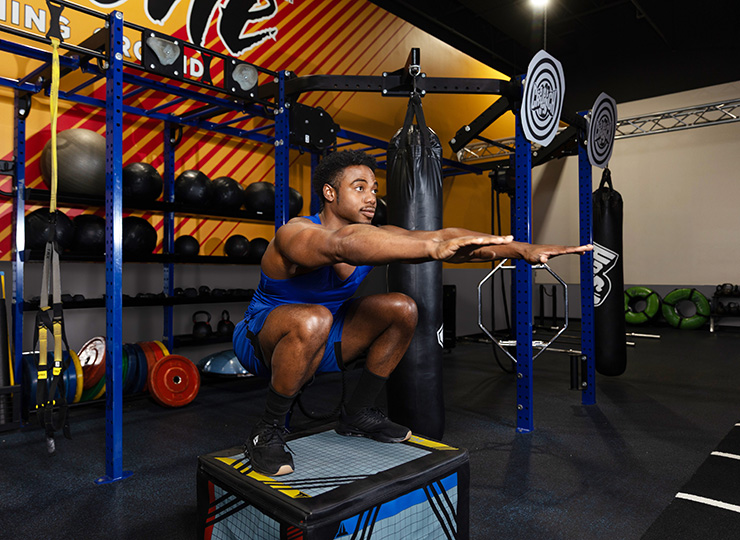
There is no single answer for how often you should train your lower body. The best frequency depends on your fitness level, goals, and how much recovery you need. The good news is you don’t need to do leg day six times a week to get stronger. In fact, training too much can lead to overuse and slow your progress.
If you are new to strength training, start with one lower-body workout per week. This helps your muscles, joints, and nervous system adjust to the new movements while still giving you results.
Make sure to work all the major muscles—quads, hamstrings, glutes, and calves—so your whole lower body gets stronger. When you’re starting out, being consistent is more important than working out intensely.
Once you’re feeling confident with squats, lunges, deadlifts, and other staples, you can gradually increase your frequency to two or even three lower-body sessions per week. This is ideal for building strength, shaping your legs, and improving performance in other workouts like cycling, running, or HIIT.
The more advanced you become, the better your body gets at recovering between sessions, which means you can train more often without feeling wiped out.
There are two main ways to structure your training:
You can schedule lower-body days separately from upper-body days. Many people like doing two leg days per week; one focusing more on quads and accessory work (like glute bridges, abductors/adductors, or calf raises), and a second day centered around hamstrings with complementary glute and quad exercises.
Just make sure to give yourself at least 48 hours of recovery between sessions.
If you prefer combining everything into one session, lower-body exercises can also be built right into full-body strength training. This works especially well if you train three to four times per week and want balanced results without dedicating a whole day to legs.
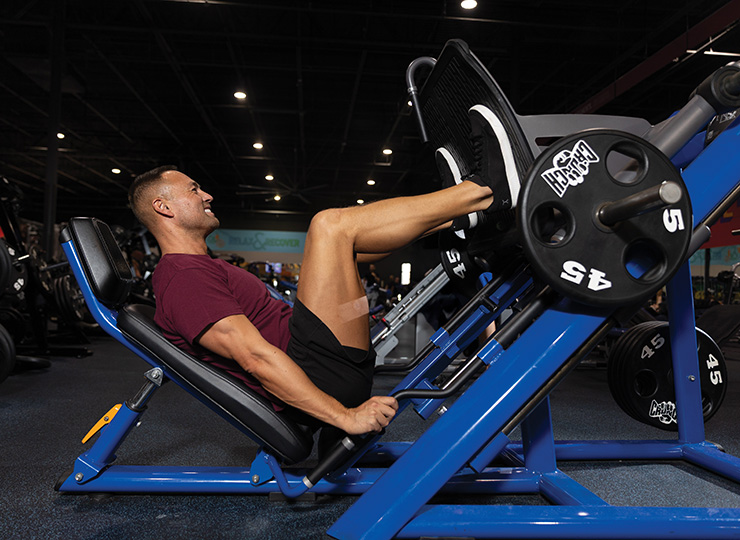
A great lower body workout is more than just picking a few leg exercises. It means choosing effective movements, training with purpose, and starting with a good warm-up.
Begin with dynamic moves like bodyweight squats, forward and lateral lunges, hip openers, and glute bridges. These exercises warm up your joints, increase blood flow, and prepare your muscles for the workout.
When building your routine, aim for balance. Choose one or two exercises for each muscle group so your quads, hamstrings, glutes, and calves all get attention. The number of exercises you do depends on your fitness level, available time, and goals. For strength, use heavier weights and fewer exercises. For endurance or toning, include more movements with moderate weights.
If you’re newer to lower-body strength training, start with two to three sets per exercise. This gives your body enough volume to adapt without overwhelming your muscles (or your motivation). Once you’ve been training consistently for a few weeks or months, feel free to increase your workload to three to six sets, depending on how advanced you are.
When choosing your weights, pick something challenging. You should not be able to easily finish your set without effort. By the end of your set, you should feel like you could only do five more reps before reaching muscle fatigue. If you can keep going easily, your weight is too light. If your form breaks down halfway, it’s too heavy.
The most important rule is to never sacrifice good form for extra repetitions. Keep your core engaged, use a full range of motion, and focus on control. Quality repetitions are always better than doing more with poor form.
Why not challenge yourself to try one new lower-body exercise from this article this week?
Commit to mastering a new move and track your progress. Whether it’s the deadlift, lateral lunge, or Bulgarian split squat, make it your goal to include it in your routine and notice how it strengthens your legs and elevates your fitness journey. Embrace the challenge and see the difference!
Read more: What Are the Best Glute Strength Exercises for Stronger Lifts and Better Posture?
Crunch promotes a culture of positivity, inclusivity, and fun with no judgments by providing an environment for all individuals regardless of their health and fitness goals. Find a Crunch gym near you to try our free trial membership, or join Crunch now. We’re here for you – at the gym or at home. Access the best live & on-demand workouts anytime, anywhere with Crunch+. Ready to get sweaty? Try hundreds of workouts for free! Start your free trial now!
Lower body strength training focuses on building muscle, power, and stability in your legs and hips. The goal is to improve strength, mobility, balance, and performance in daily movements and sports.
The 3-3-3 rule usually means three workout parts: 3 minutes of warm-up, 3 minutes of intense effort, and 3 minutes of cooldown. Some trainers also use it for 3 sets of 3 exercises for 3 muscle groups. The purpose is to make your workouts efficient and simple.
The 5-4-3-2-1 method is a descending-set workout. Do 5 reps, then 4, then 3, then 2, and finish with 1 rep. Usually, weight or intensity increases as reps decrease. This challenges strength and explosiveness and keeps the workout engaging.
Most people notice increased strength and better muscle activation within 2–4 weeks. Visible muscle changes often appear around 6–8 weeks. Results depend on consistency, workout intensity, nutrition, and recovery. Beginners may see faster results because the body adapts quickly to new activity.
To keep your legs fresh for heavy lifts, do cardio after leg day. For endurance or general conditioning, cardio before strength training is fine. For balanced fitness, many people separate intense cardio and leg training on different days to avoid fatigue.