









Pilates vs. Barre – Which Workout Is Right for You?
February 27, 2026
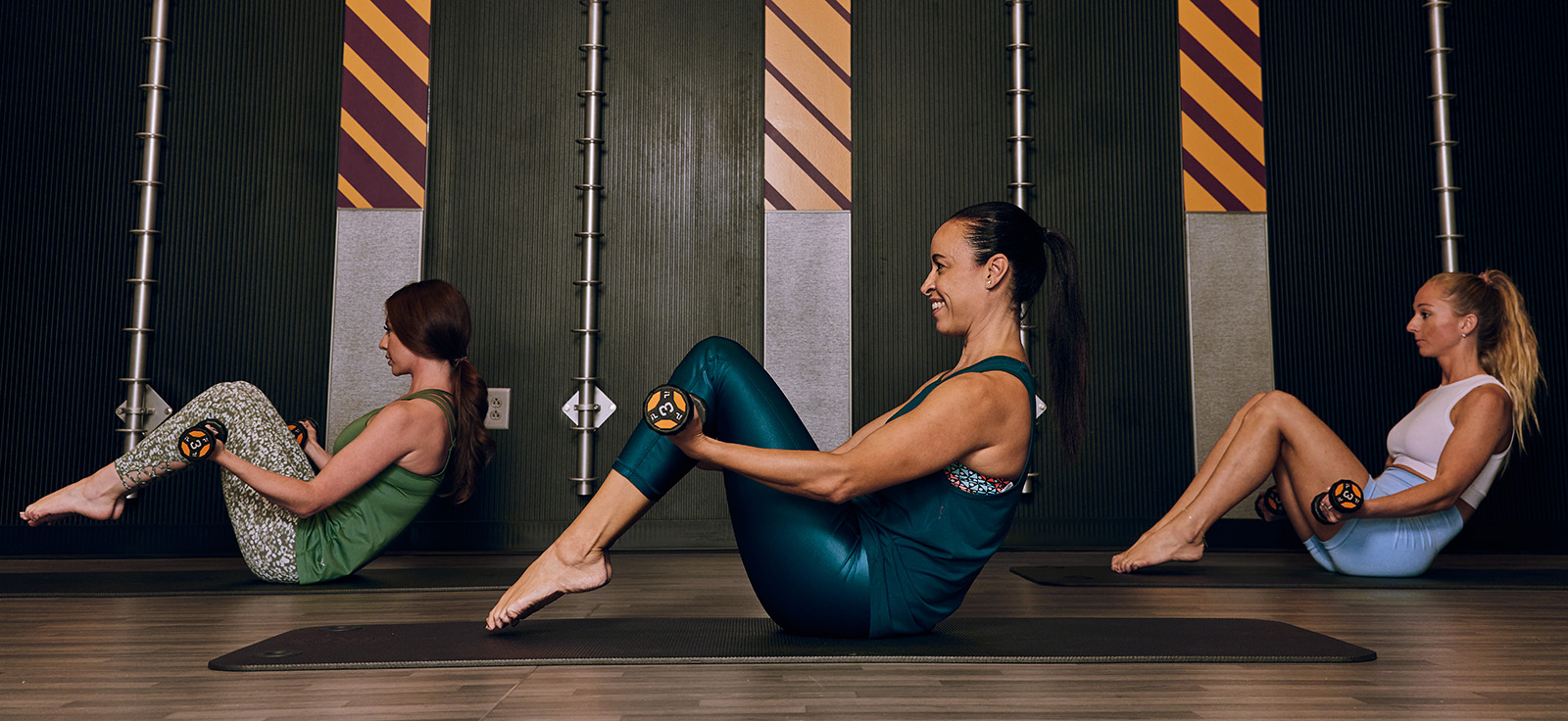
Choosing between Pilates vs. Barre can feel surprisingly tough, especially when both promise stronger muscles, better posture, and that lean, toned appearance.
How do you know which workout matches your fitness goals best? Are you trying to build deep core strength, improve flexibility and mobility, or find a low-impact, full-body workout that still challenges your muscles? And what kind of class will actually keep you consistent and motivated?
Pilates and Barre both build strength, control, and body awareness, taking ideas from yoga, ballet, and mindful movement. They might look similar at first, but each uses movement and resistance differently to help with posture, stability, and fitness.
Both workouts use controlled exercises to work important muscles without high-impact moves. They help with toning, core strength, and full-body fitness, but they also activate muscles, burn calories, and feel different during class.
At Crunch Fitness, our instructors get this question all the time. In this article, we’ll explain the main differences and similarities between Pilates and Barre, compare their benefits, and help you choose the class that fits your goals.
Let’s get started!
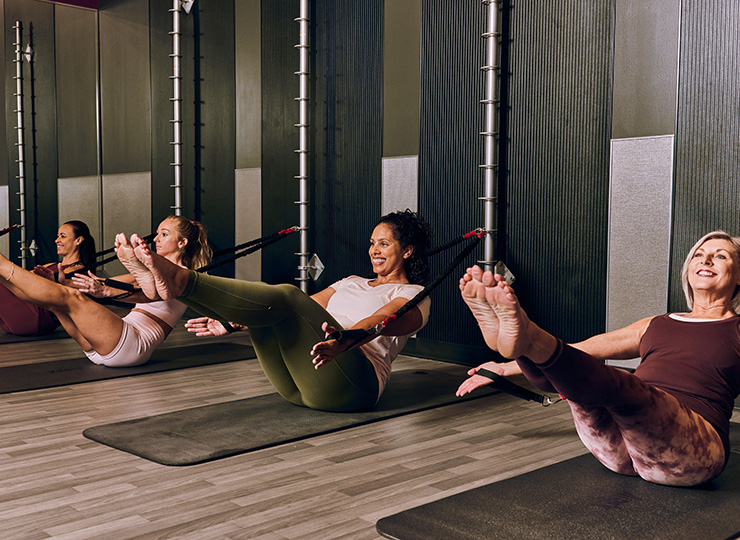
Pilates and Barre might seem very similar at first. Both are low-impact, focus on controlled movement, and aim to build strength, tone, and better posture. But once you try a class, the differences stand out.
Pilates builds strength by focusing on your core, alignment, and working from the inside out. Barre, on the other hand, uses repetition, rhythm, endurance, and sculpts muscles by working from the outside in.
Neither format is better than the other; it depends on what your body needs and what you enjoy most.
Let’s look at each workout separately, starting with Pilates.
Pilates is a method of training designed to strengthen the body evenly, with a major emphasis on core strength, posture, alignment, and control. Originally developed by Joseph Pilates, this workout style focuses on quality of movement rather than speed or heavy resistance.
Whether you’re new to fitness or already experienced, Pilates adapts to your level and challenges you in a subtle but effective way.
Pilates is especially helpful if you’re looking to:
Many people call Pilates a “foundation workout” because it builds the muscles that support all your other activities.
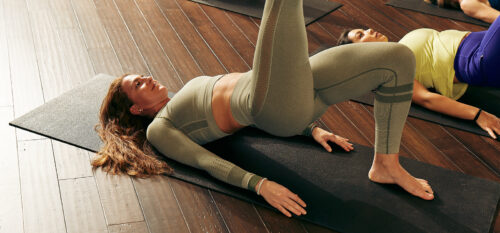
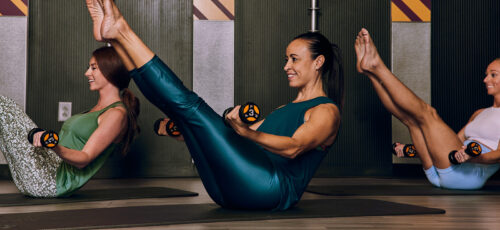
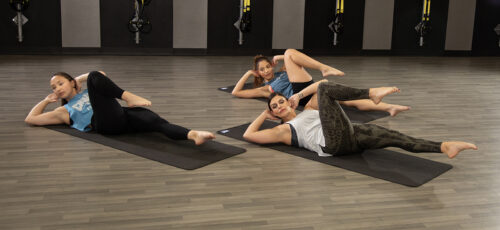
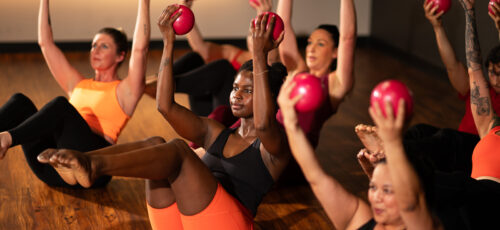
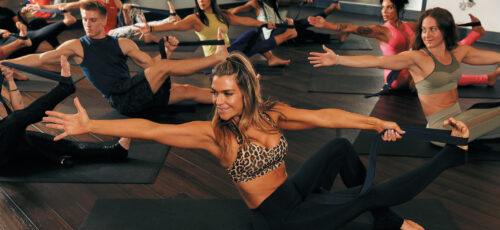
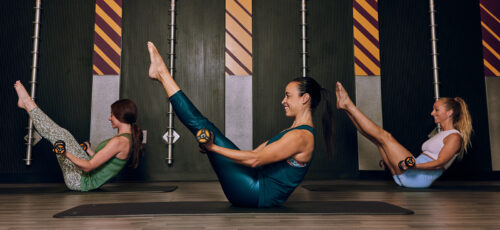
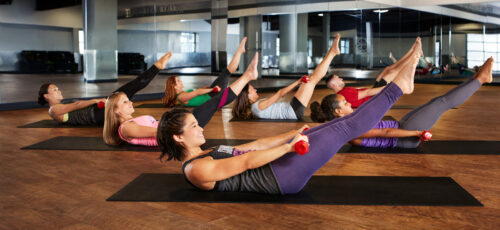
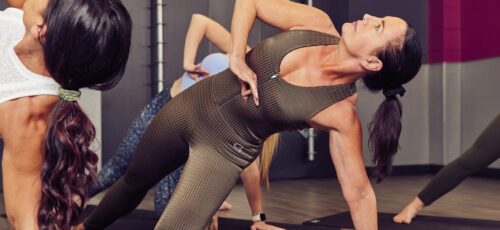
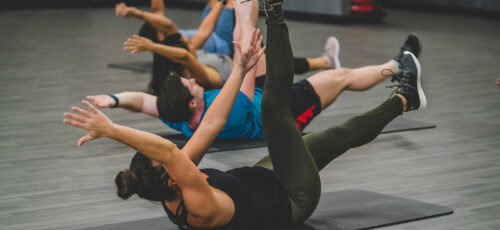
Pilates exercises are controlled and precise, and they’re often slower than you might expect. Common moves include:
What it feels like in class:
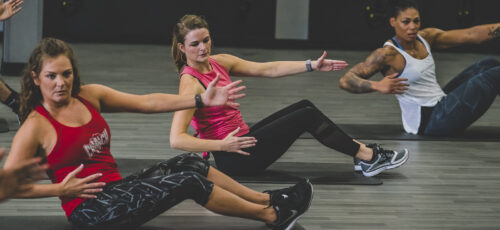
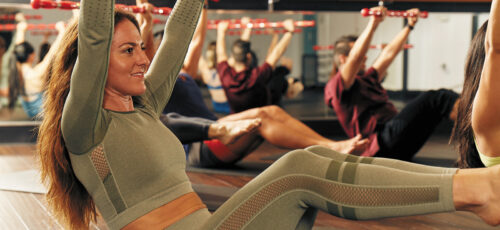
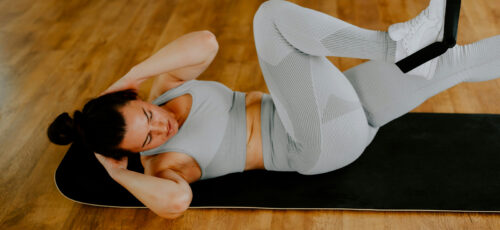
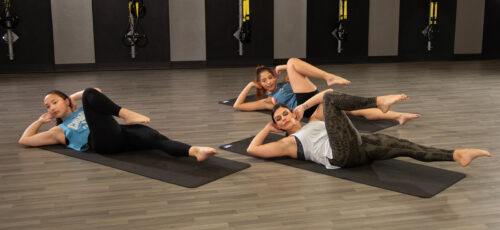
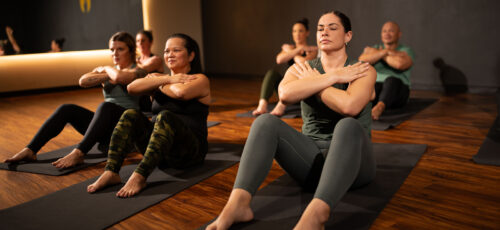
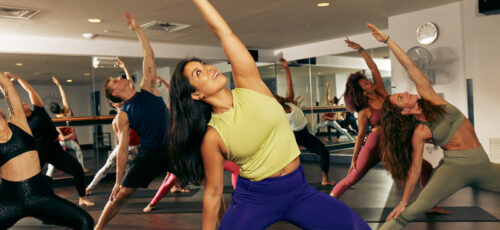
In class, you move with focus, paying attention to your form and breathing. It might look calm, but your core is working hard the whole time.
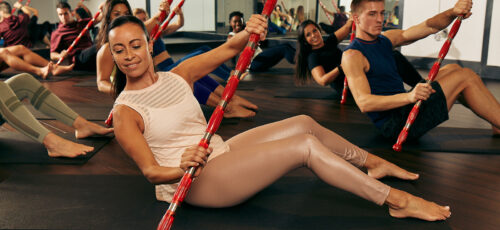
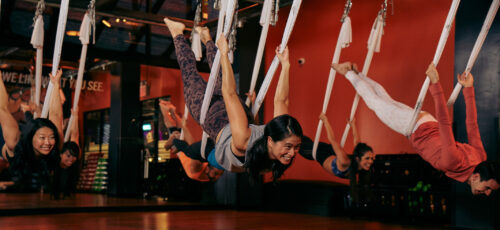
Pilates can be done in a few different ways:
The equipment isn’t meant to make things easier. Instead, it adds smart resistance to help you build balanced strength and control.
Read more: What Does Pilates Do For Your Body?
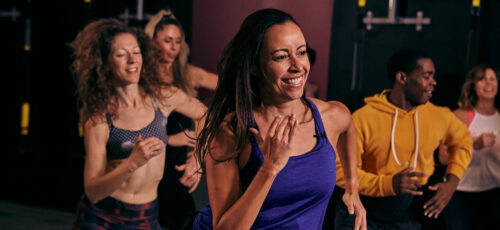
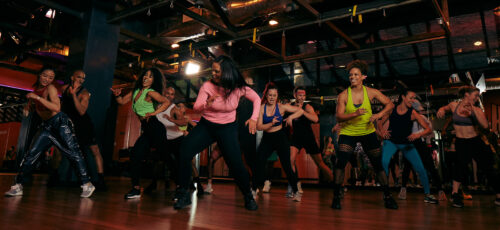
Barre is a workout inspired by ballet that mixes strength, endurance, and flexibility in a lively, rhythmic class. You don’t need any dance or ballet experience to join.
Barre uses small, precise movements done many times, which creates the muscle “burn” that many people enjoy.
Barre is a great fit if you want to:
Barre is especially popular with people who enjoy workouts that are dynamic and fast-paced.
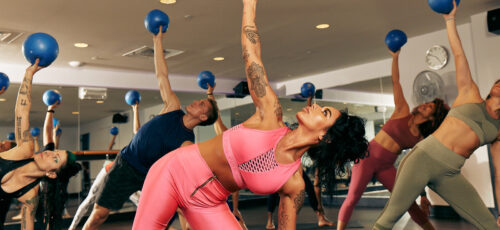
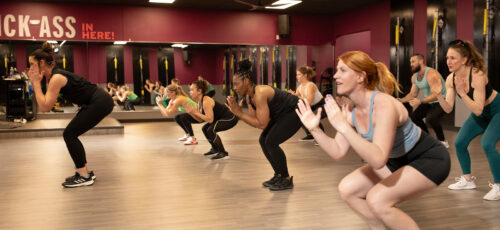
Barre classes focus on repeating movements and keeping muscles working for longer periods. You’ll often see:
What it feels like in class:
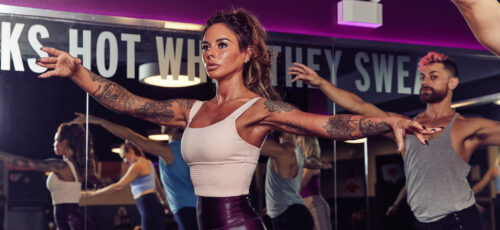
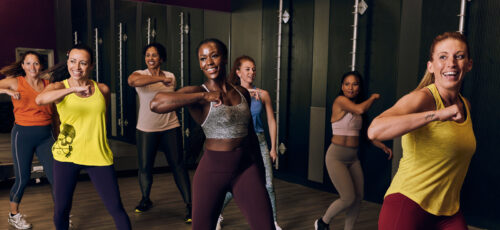
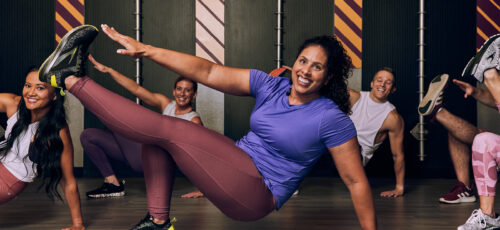
In class, you move nonstop, your muscles start to shake in a good way, and you might be surprised at how intense small movements can feel.
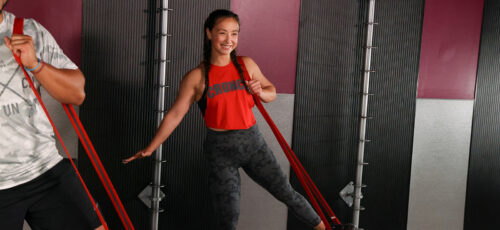
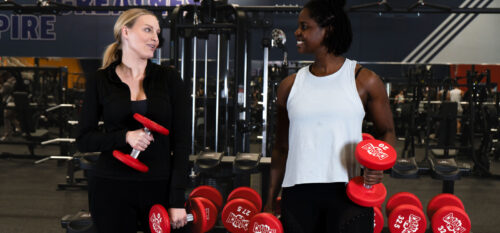
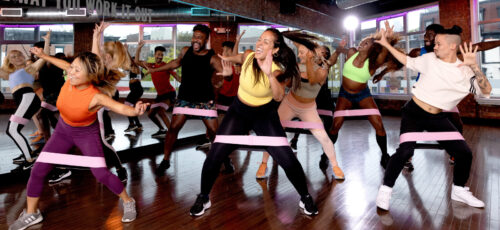
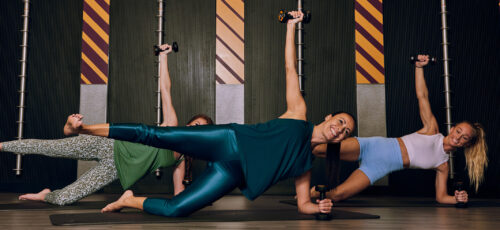
Barre keeps things simple and accessible:
Since there isn’t much equipment, the challenge in Barre comes from being precise, building endurance, and staying consistent, not from lifting heavy weights.
Even though they are different, Pilates and Barre have a lot in common. That’s why many people enjoy doing both.
Both workouts are gentle on the joints while still challenging your muscles. There’s no jumping, heavy lifting, or high-impact stress, making them great options if you’re easing into fitness, managing joint sensitivity, or recovering from injury.
Both workouts focus on using your core. Pilates puts the core at the center of every move, while Barre includes it in almost every pulse, hold, and balance exercise. Either way, your abs are working, sometimes even when you don’t notice.
Pilates and Barre both help you move better outside the gym. Many people find they stand taller, feel more stable, and have better control in daily life.
These workouts help you pay attention to how you move, breathe, and feel. It’s not just about finishing reps; it’s about moving with purpose.
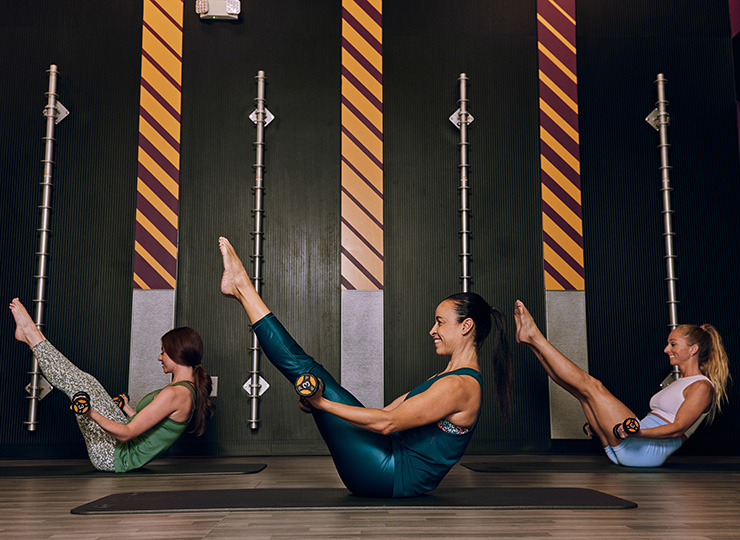
If your main goal is to build strong, functional core muscles, Pilates is usually the best choice. Most fitness professionals agree. Pilates was created to strengthen the core first, then use that strength to support the rest of your body.
Nearly every movement in a Pilates class asks your core muscles to stabilize, control, and guide the motion, whether you’re working on the mat or using resistance-based equipment.
Pilates doesn’t just work the visible abs. It targets your whole core, including deep abdominal muscles, the muscles around your spine, and your pelvic floor.
This complete approach helps with posture, alignment, balance, and even breathing. Many people notice these benefits right away. After class, it’s common to feel more upright, stable, and aware of your movements, sometimes without realizing how much your core worked.
Barre also works your core, especially during balance moves, holds, and standing exercises. But in Barre, the core usually supports your form while your legs and glutes do most of the work.
Pilates does the opposite by making core activation the main focus of every exercise, using your arms and legs to make stability even more challenging.
There’s also growing research backing Pilates for core-related benefits. A 2023 scientific review published in Healthcare found that Pilates-based exercise programs can significantly improve core muscle strength and may help reduce lower back pain, an issue often linked to weak or poorly coordinated core muscles.
If you want long-term strength, better posture, and to prevent injuries, Pilates is a thoughtful and effective way to build a stronger core.
| Category | Pilates | Barre |
| Primary Toning Style | Builds tone through controlled movement, alignment, and resistance | Builds tone through high reps, pulses, and time under tension |
| Muscle Definition | Subtle, balanced definition that develops over time | Faster visible definition, especially in glutes, thighs, and arms |
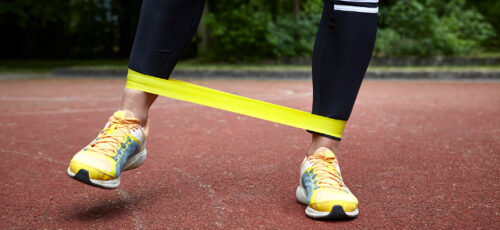
| Resistance Used | Body weight, springs (Reformer), light resistance | Body weight, light dumbbells, resistance bands |
| Repetition Range | Lower reps with slow, precise control | High reps and small, repeated movements |
| Endurance vs. Strength | Focuses on stability and muscular control | Strong focus on muscular endurance |
| Cardio Component | Minimal, movement-based | Light cardio effect from continuous sequences |
| Hypertrophy Potential | Limited due to lighter resistance | Limited, though heavier weights may be used in some classes |
| Best For | Gym-goers wanting balanced toning, posture, and control | Gym-goers looking for sculpting and muscle “burn” |
| What It Feels Like | Calm, focused, muscles working deeply | Energetic, upbeat, muscles shaking and burning |
Barre usually burns a bit more calories than Pilates, but it depends on the situation. Both are low-impact, but they challenge your body differently, which changes how many calories you burn in class.
According to a study by the American Council on Exercise (ACE), a traditional Pilates mat workout burns about 175–254 calories per hour, depending on intensity and the individual. Pilates keeps the heart rate more moderate because the focus is on controlled movement, core activation, posture, and breathing rather than continuous motion.
Barre classes tend to feel more physically demanding in the moment, and that’s reflected in calorie burn. A 2024 USA Today article notes that Barre’s nonstop pulses, holds, and high-rep sequences keep muscles working continuously and the heart rate elevated. Because of this, many Barre workouts burn around 300–500 calories per hour, especially when larger muscle groups like the legs and glutes are heavily involved.
If burning calories is your main goal, Barre will probably help you burn more during class. Pilates, on the other hand, is great for building efficient movement and deep strength that helps in all your activities.
Discover: Can Pilates Help You Lose Weight?
Experience how fun and dynamic Pilates is at Crunch Fitness. Each class blends precision, power, and personality. Our Pilates classes are designed to challenge your body, clear your mind, and help you move with strength and confidence.
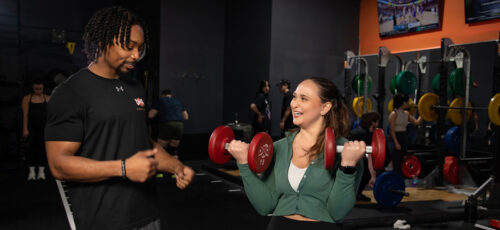
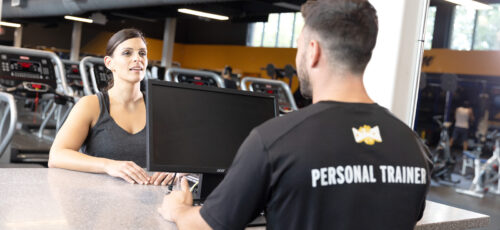
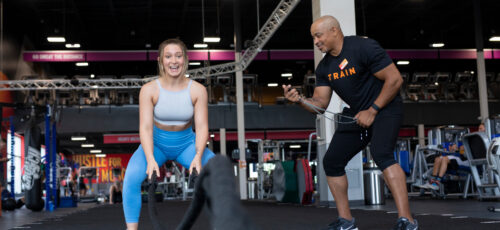
A Crunch Fitness personal trainer can help you reach your goals more effectively, especially if you’re choosing between Pilates, Barre, strength training, or a mix. Rather than guessing, a trainer will help you create a plan that fits your body, experience, and goals.
Personal trainers make sure you use proper form, alignment, and progress safely, leading to better results over time. They can help you build core strength, improve posture and mobility, and balance low-impact training with strength work.
Trainers change your exercises as you get better, so your workouts stay challenging but not overwhelming.
They also help keep you accountable and motivated. When it’s hard to stay consistent, a trainer helps you stay focused, confident, and moving forward, so every workout has a purpose.
Crunch promotes a culture of positivity, inclusivity, and fun with no judgments by providing an environment for all individuals, regardless of their health and fitness goals. Find a Crunch gym near you to try our free trial membership, or join Crunch now. We’re here for you – at the gym or at home. Access the best live & on-demand workouts anytime, anywhere with Crunch+. Ready to get sweaty? Try hundreds of workouts for free! Start your free trial now!
Both Barre and Pilates are beginner-friendly, low-impact workouts, but Pilates is often easier to start with because it focuses on controlled movement and core stability. Barre can feel more intense at first due to high reps and muscle fatigue.
No, Barre and Pilates are not the same, even though they share low-impact principles. Pilates centers on core strength, posture, and control, while Barre focuses more on muscular endurance and sculpting through repetition.
Yes, Pilates builds muscle, especially in the core and stabilizing muscles. It develops strength through controlled resistance and bodyweight movements rather than heavy lifting.
Yes, combining Barre and Pilates works well for a balanced routine. Pilates builds core strength and stability, while Barre adds endurance and muscle toning.
Pilates strengthens your core, improves posture, and increases flexibility and mobility. It also enhances body awareness and supports better movement in everyday activities.
Yes, Pilates counts as strength training because it uses resistance, bodyweight, and control to strengthen muscles. It’s a low-impact way to build functional strength without heavy weights.