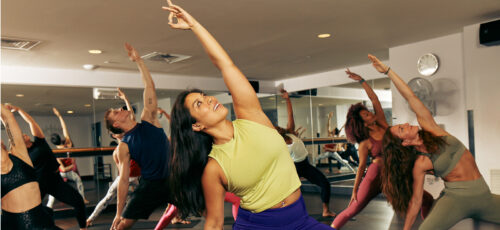










Pilates vs. Yoga – How to Choose Your Perfect Practice
March 8, 2026
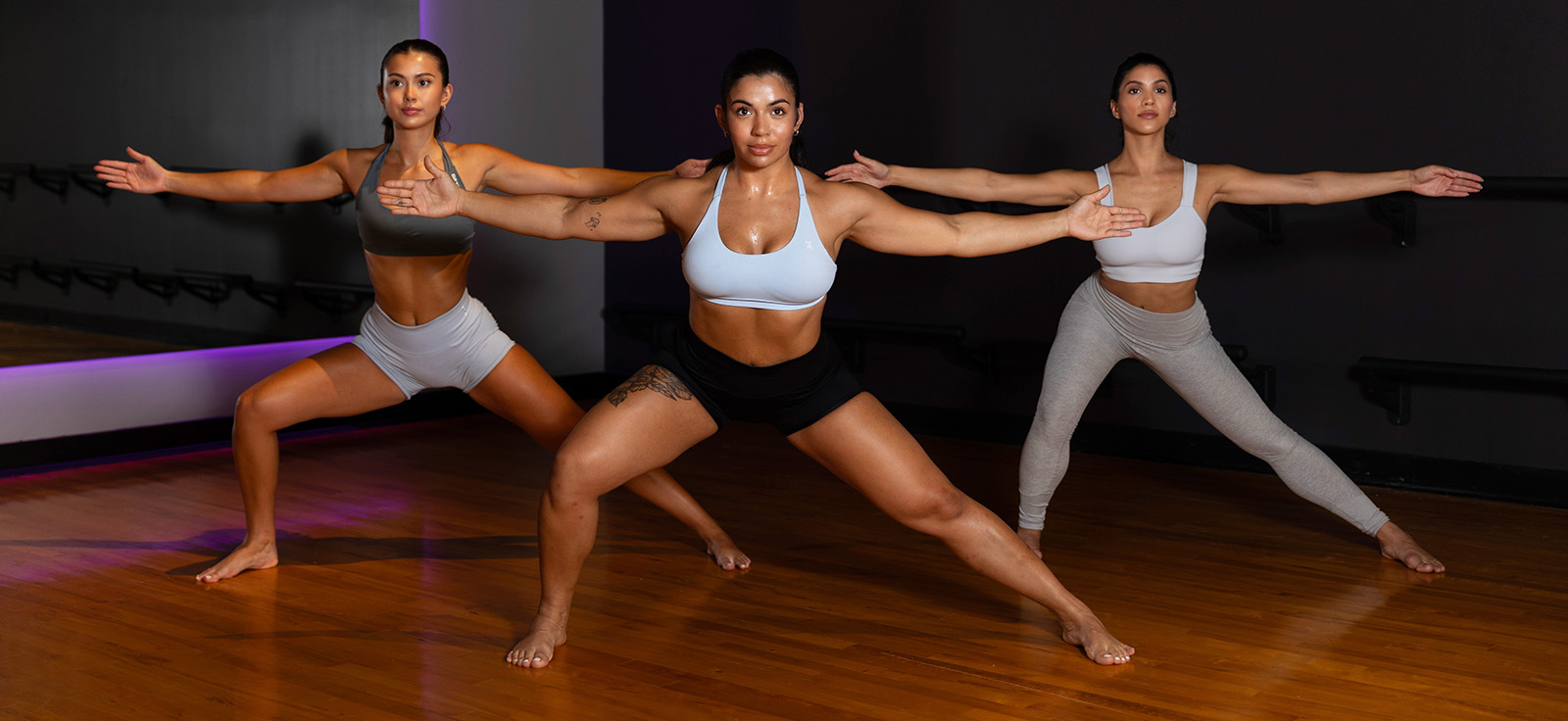
What Are the Core Differences Between Pilates and Yoga?
Choosing between Pilates and Yoga can feel surprisingly confusing. Both practices are very popular for their health benefits, gentle workouts, and the way they help with core strength, flexibility, posture, and balance. With all the social media attention, celebrity fans, and new studio classes, you might be asking yourself which one is best for you.
At first, Pilates and Yoga might seem alike. Both use controlled movements, breathing, and muscle strengthening to support your spine. However, they come from different backgrounds and use different methods.
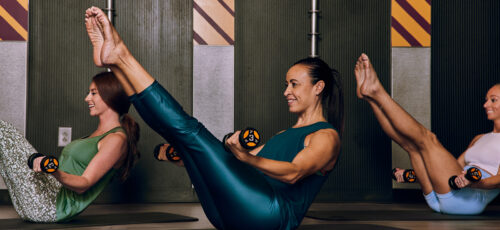
Pilates was started by Joseph Pilates as Contrology, focusing on core stability, resistance, alignment, and careful control. It often uses equipment like the Reformer machine, Pilates ring, and resistance bands.
Yoga comes from ancient traditions and is linked to Sanskrit texts such as the Vedas. It combines postures (asana), breathwork (pranayama), and meditation to build mindfulness, body awareness, and a strong mind-body connection. There are many styles, like Hatha, Vinyasa, Ashtanga, Bikram, and restorative yoga, each with its own benefits.
This guide will explain the main differences between Pilates and Yoga, compare their benefits for things like weight loss, stress relief, muscle strength, flexibility, and injury recovery, and help you choose which practice, or mix of both, fits your fitness goals.
Are you ready to find what works best for you? Let’s get started.
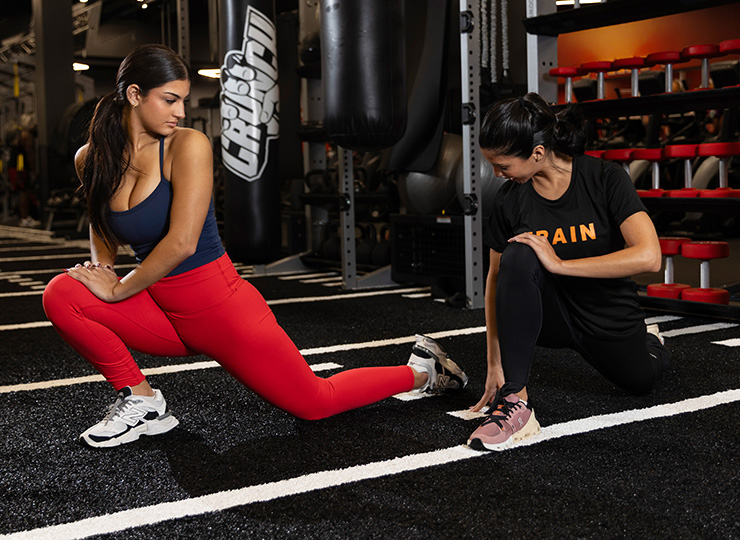
The main difference is in the outcome and focus. The best choice depends on your fitness goals. Are you looking to lose weight, build muscle, improve core stability, increase flexibility, recover from injury, reduce stress, or boost athletic performance? Each system offers different benefits.
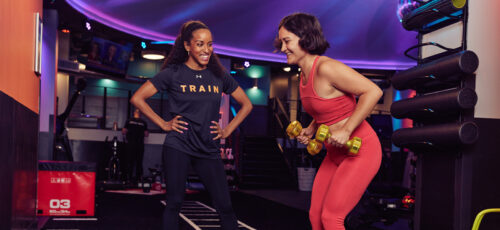
Many Crunch members use both Pilates and yoga classes during the week. One big advantage of joining Crunch is that you can try both in one place and create a routine that matches your goals, schedule, and energy.
Pilates focuses on controlled movement, precision, and deep core engagement. It was first developed for rehabilitation and injury recovery, so it emphasizes alignment, posture, breathing, and full-body control. The goal is to strengthen the muscles that support your spine and improve stability from within.
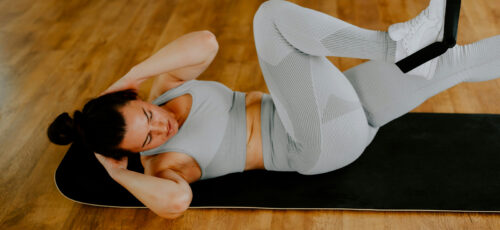
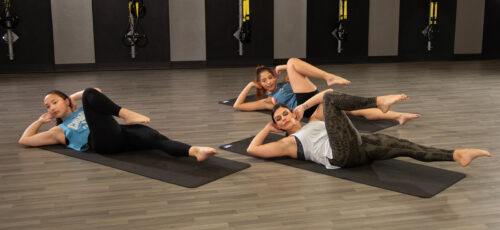
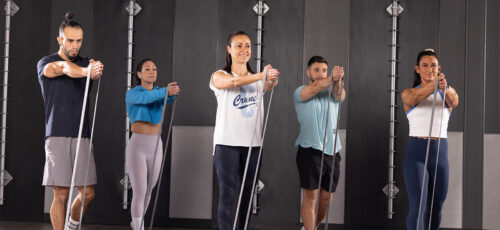
Pilates is often done on a mat or with equipment like a reformer, resistance bands, or rings. These tools add resistance without high impact, so Pilates is often called “strength training without impact.” It works your core, builds muscle strength, and improves coordination without stressing your joints.
Pilates is great for improving posture, helping with injury recovery, and building a strong base for other workouts. Want to learn more about the physical benefits? Check out this guide: What Does Pilates Do For Your Body?
Yoga puts more focus on flexibility, mobility, breathwork, and mindfulness. With its ancient roots, yoga combines movement and breathing to build a strong mind-body connection.
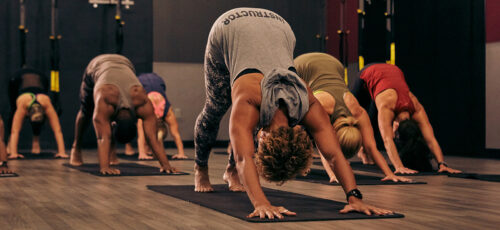
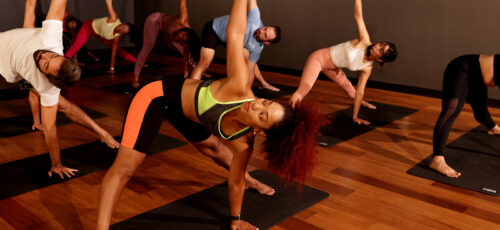
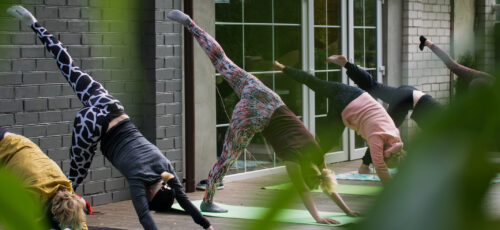
Styles vary. Vinyasa classes focus on flow, moving smoothly from one pose to another in sync with your breath. Slower, more static styles like yin hold poses longer to improve joint health and range of motion. Most classes use simple equipment like a mat, blocks, bands, or rings to support alignment and comfort.
Yoga supports flexibility, balance, stress relief, and mobility while also offering mental and emotional benefits. The focus on breathing and mindfulness can reduce tension and improve overall well-being alongside physical strength.
If you’re new to yoga, this beginner-friendly breakdown is a great place to start: Yoga 101: The Basics for Beginners
Both Pilates and yoga are effective. The best choice, or combination, depends on what you want for your body and mind.
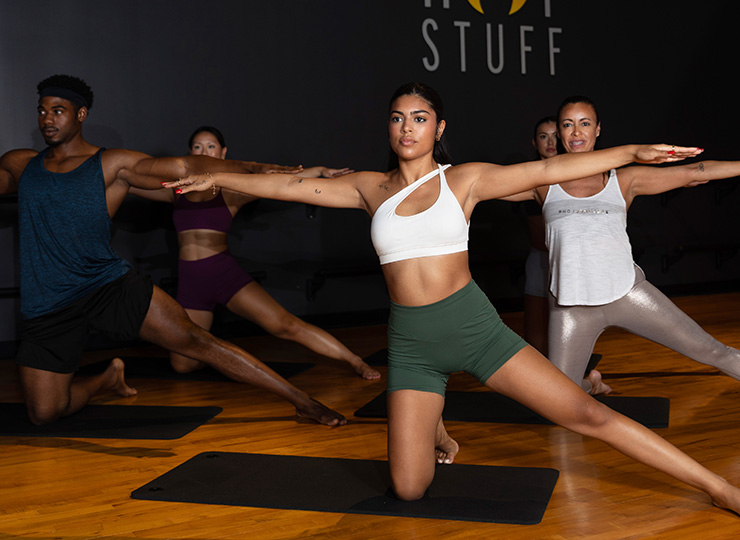
Pilates and Yoga both offer strong health benefits, but they help with different goals. Whether you want better core strength, more flexibility, less stress, or healthier joints, knowing how each works can help you build a smarter routine.
If you want deep core strength, spinal stability, and better posture, Pilates is often the better choice. It uses controlled movements that target the deep abdominal and spinal muscles, known as the “Powerhouse.” With a reformer, mat, or resistance bands, Pilates builds core strength and muscle control over time.
Research published in the Journal of Bodywork and Movement Therapies found that Pilates training significantly improves abdominal endurance and postural alignment in healthy adults. Another systematic review in BMC Sports Science, Medicine and Rehabilitation supports Pilates for improving core strength and balance.
For a deeper breakdown, see: Is Pilates Strength Training?
Yoga builds core strength in a different way. Holding poses improves balance, alignment, and spinal mobility, but it usually doesn’t use progressive resistance like Pilates does.
Yoga is well known for improving flexibility and joint range of motion. Holding poses in Hatha, Vinyasa, or slower styles helps lengthen muscles and make connective tissues more elastic.
A study in the International Journal of Yoga demonstrated that consistent yoga practice significantly improves flexibility and muscular endurance.
Research in Complementary Therapies in Medicine also found that yoga reduces muscle soreness and helps with recovery after exercise.
Learn more here: Is Yoga the Secret to Faster Muscle Recovery After Exercise?
Pilates improves mobility by building strength and stability. It focuses on controlled joint movement instead of stretching as far as possible.
Yoga is great for stress relief through breathing, meditation, and calming the nervous system. A meta-analysis in Psychiatry Research showed that yoga can lower stress and anxiety levels.
Pilates is less meditative but helps you focus and become more aware of your body through controlled breathing and precise movements. It’s a good choice for low-impact active recovery.
Pilates is frequently used in rehabilitation. A systematic review supports Pilates for chronic low back pain and spinal stability improvement.
Yoga helps with joint mobility, balance, and movement confidence, all of which support long-term joint health.
| Goal | Pilates | Yoga |
| Core Strength | Progressive deep core loading | Balance-based strength |
| Flexibility | Controlled mobility | Muscle lengthening & range-of-motion |
| Stress Relief | Focused active recovery | Breathwork & relaxation response |
| Joint Health | Stability & rehab-friendly strength | Mobility & balance training |
Both Pilates and Yoga are beginner-friendly when you have good instruction and a gradual approach.
Pilates usually feels structured right from the start. Movements are controlled and focused on working specific muscles, especially the deep core muscles that help with posture and spinal stability. Since exercises are done slowly on a mat or reformer, beginners can easily feel which muscles are working. This feedback builds confidence fast.
Yoga is also easy to start, but picking the right style matters. A beginner Hatha yoga class focuses on basic poses, balance, and simple breathing. Fast Vinyasa or advanced Ashtanga classes can feel overwhelming at first. The key is to choose a class that fits your experience and mobility.
A good instructor is important. Clear instructions on posture, alignment, and breathing make a big difference, especially when learning to protect your spine and joints. At Crunch, instructors guide beginners through safe steps, offering modifications and support so you can build strength, flexibility, and body awareness at your own pace.
Starting something new shouldn’t be intimidating. With structured classes, good instruction, and a welcoming environment, beginners can safely build strength, improve balance, and gain confidence from the start.
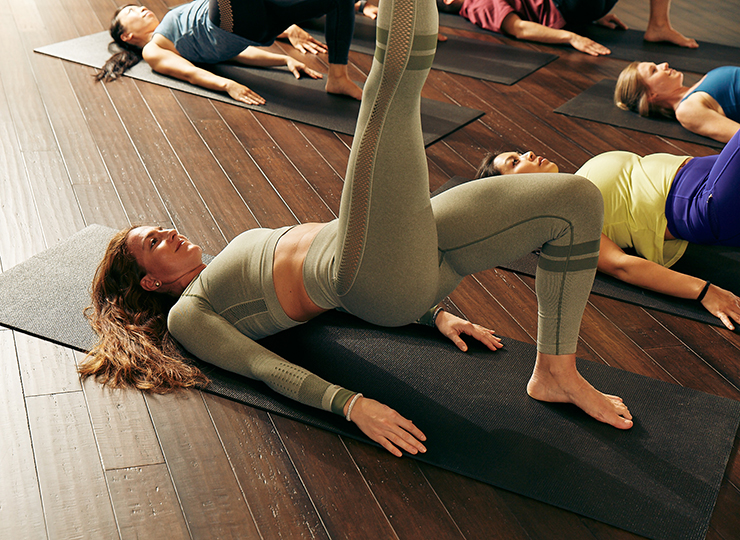
For athletes and active adults, the question changes from “Can I do this?” to “How will this help my performance?”
Pilates is great for athletes because it strengthens the stabilizing muscles that control movement. It helps refine your foundation. Whether you run, lift, cycle, or play sports, strong core stability, hip control, and spinal alignment help you move better and waste less energy.
Athletes often overlook how important small stabilizing muscles are. Controlled movements on a reformer or advanced mat exercises build anti-rotation strength and joint stability, which are key to preventing injuries and improving efficiency.
Yoga helps athletes in a different way. It focuses on mobility, balance, and recovery. Long-held stretches improve range of motion, while flow sessions boost coordination and body awareness. For athletes with tight muscles or training stress, yoga is a great way to recover.
The real benefit comes from combining both. Pilates builds strength and control, while yoga restores mobility and eases tension. Together, they create a well-rounded training system that supports long-term movement and durability.
Yes, and it’s often the best approach. Pilates and yoga work well together because they focus on different parts of fitness. Pilates builds strength and stability. Yoga improves mobility and helps you recover. One gives you structure, the other keeps you flexible.
Here’s an example of a balanced weekly routine:
This mix helps you build muscle strength, flexibility, and recovery, and supports overall fitness without overloading your body.
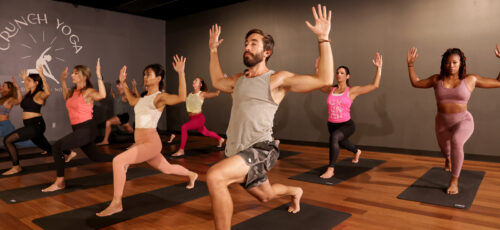
At Crunch Fitness, it’s easy to do both. You can go from a focused mat Pilates session to a mindful Vinyasa Yoga class in the same week, or try fusion classes for variety. This flexibility lets you build a routine that supports strength, recovery, and mental focus together.
If you want to improve posture, strengthen your core, fix muscle imbalances, or build controlled strength, Pilates might be the best place to start. Its structured, alignment-based style is great for building stability and precision.
If you want more flexibility, less stress, better balance, or greater mobility, yoga may be a better fit. Its focus on breath, mindfulness, and smooth movement supports both your body and mind.
If weight management is part of your goal, Pilates can contribute by building lean muscle and improving movement efficiency.
In the long run, combining both is often the best strategy. Strength without mobility can make you stiff, and mobility without stability can limit your control. Together, Pilates and yoga help you move better and support your fitness journey.
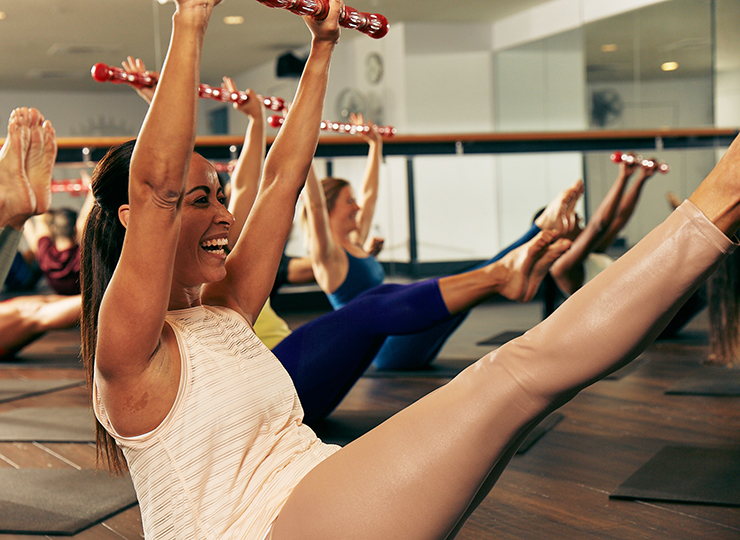
One of the best things about Crunch is the variety. Members don’t have to pick just one; they can try both.
Crunch has an expansive range of Pilates and yoga classes, from mat Pilates and reformer-inspired workouts to Hatha yoga, flow sessions, and restorative classes. This variety lets you try different styles and instructors until you find what works best for you.
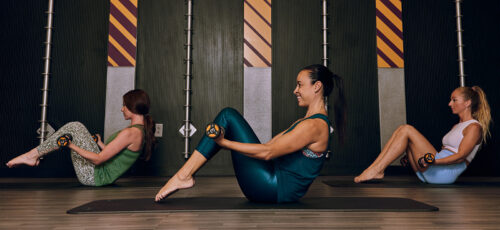
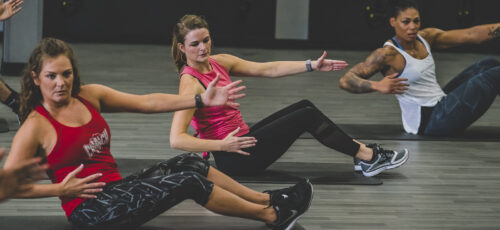
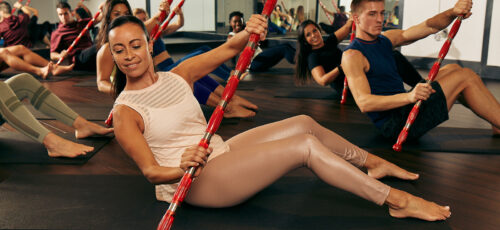
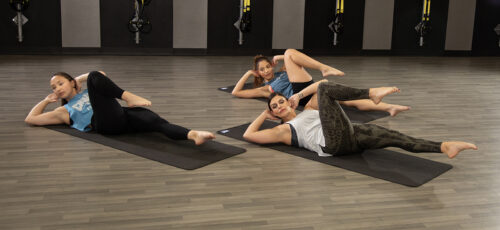
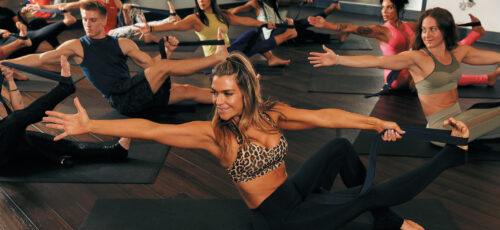
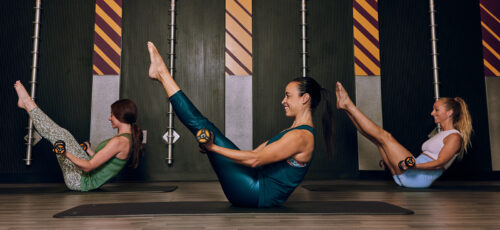
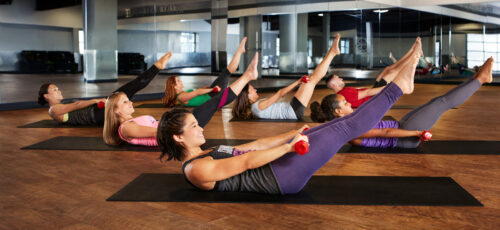
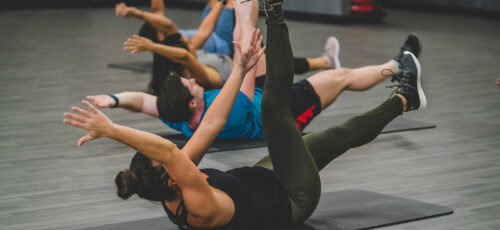
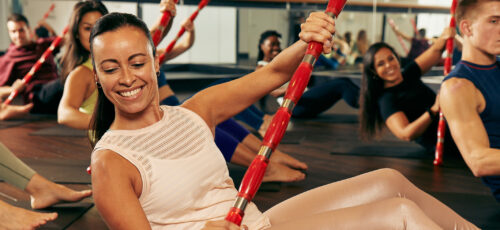
See how fun and dynamic Pilates can be at Crunch Fitness. Each class combines precision, power, and personality. Our Pilates classes challenge your body, clear your mind, and help you move with strength and confidence.
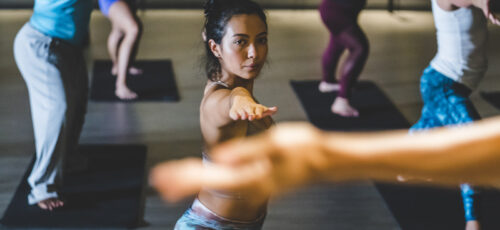
Here’s a brief overview of some popular yoga styles:
Crunch promotes a culture of positivity, inclusivity, and fun with no judgments by providing an environment for all individuals, regardless of their health and fitness goals. Find a Crunch gym near you to try our free trial membership, or join Crunch now. We’re here for you – at the gym or at home. Access the best live & on-demand workouts anytime, anywhere with Crunch+. Ready to get sweaty? Try hundreds of workouts for free! Start your free trial now!
Yes, you can try both, and many people benefit from combining them. Pilates builds core strength and stability, while yoga improves flexibility and mobility, and helps with stress relief. Mixing both gives you a more balanced fitness routine.
Pilates might feel harder if you’re not used to controlled, core-focused movements. Yoga can also be tough, especially in fast-paced styles like Vinyasa or Power Yoga. The difficulty depends more on the class style than the system.
Yes, both Pilates and yoga can help with back pain if you practice them correctly. Pilates strengthens the deep core muscles that support your spine, while yoga improves flexibility and eases tension. Always pick beginner-friendly classes and use good form.
Pilates and yoga burn about the same number of calories, depending on how intense the class is. A reformer Pilates or Power Yoga class may burn more than a slow Hatha yoga session. The total calories burned depend on your effort, how long you work out, and your body weight.
Both are beginner-friendly if you start with the right class. Pilates is structured and controlled, so it’s easier to feel which muscles you’re using. Gentle yoga focuses on flexibility, balance, and breathing. Picking a beginner-level class is important.
Yes, you can do Pilates or yoga every day if you manage the intensity. Low-impact workouts like mat Pilates or gentle yoga help with recovery and mobility. Listen to your body and mix harder sessions with lighter ones for balance.