









Strength Training for Cyclists – How to Build Power Without Slowing Down
March 24, 2026
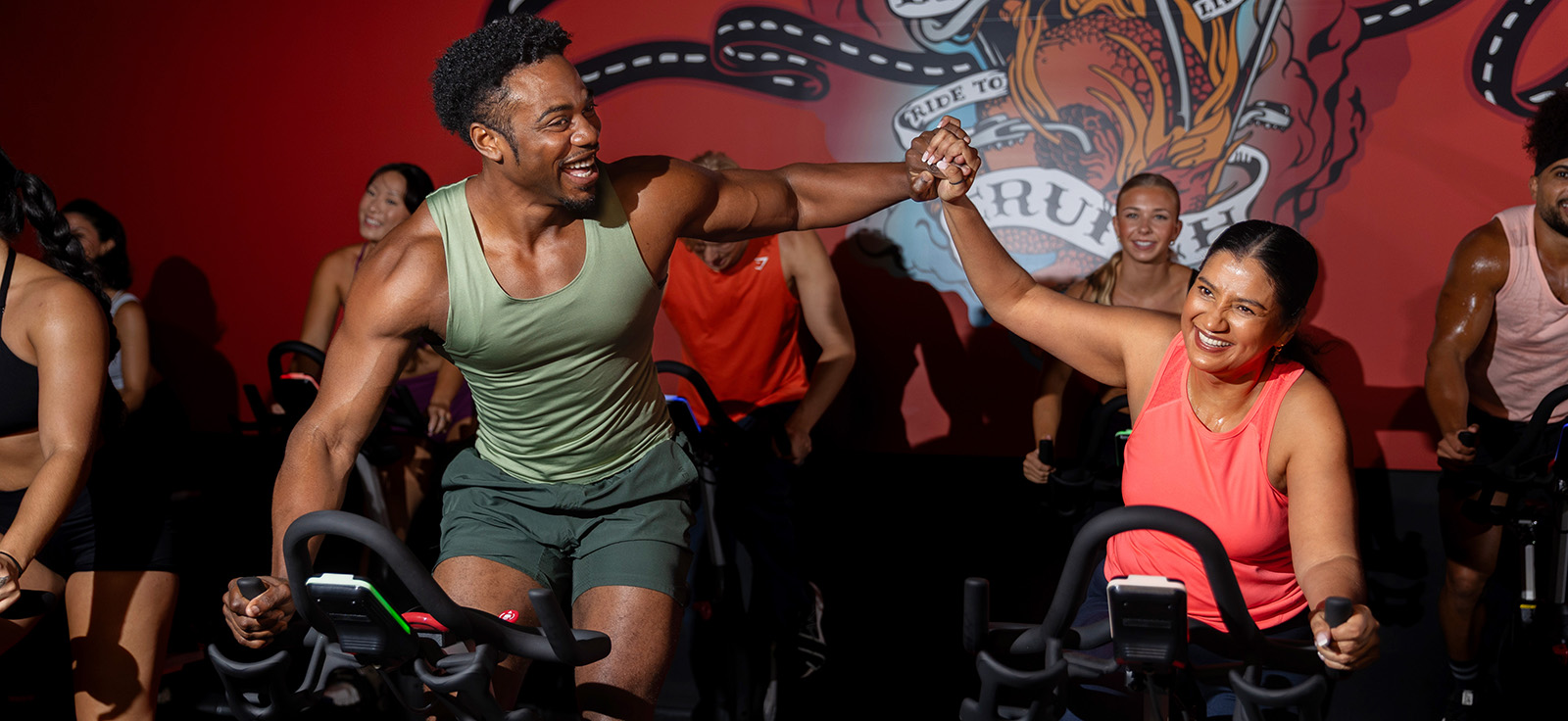
Cycling relies on power, endurance, and efficiency, but what you do off the bike matters more than many riders realize. Strength training can make a big difference.
If you want to climb better, sprint faster, or ride longer without getting tired, the right strength training can help every pedal stroke. But which muscles are most important for cyclists, and how can you train them without gaining unwanted bulk or losing speed?
At Crunch Fitness, we understand that effective strength training for cyclists is about more than just strong legs. Building your core, improving stability, and working on muscles like the glutes, quads, and hamstrings can boost your cycling and help prevent injuries.
Adding focused strength training off the bike helps improve your posture, power transfer, and overall riding efficiency.
Here are the best exercises to help you ride stronger, faster, and with more confidence, both on and off the bike.
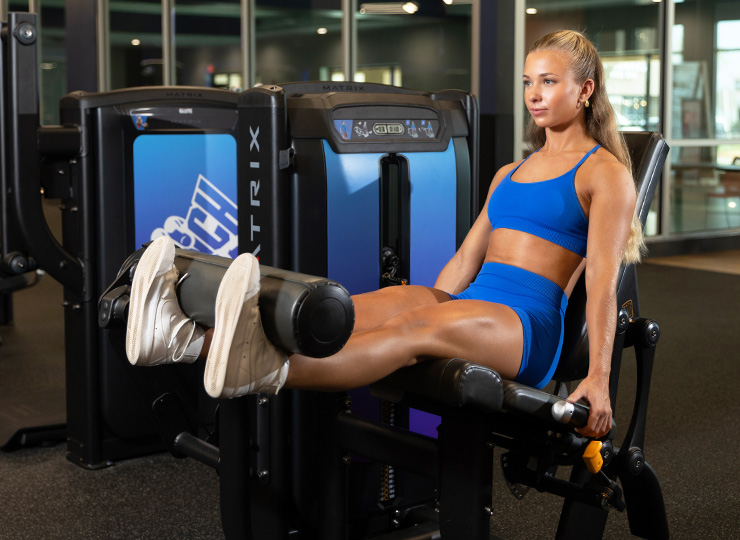
A good strength routine works your lower body, core, shoulders, and posture. This can help you ride strong for your whole route, not just for a few minutes.
The following exercises can help you improve sprint power, climbing, and endurance late in your rides, all without hurting your power or pedal stroke.
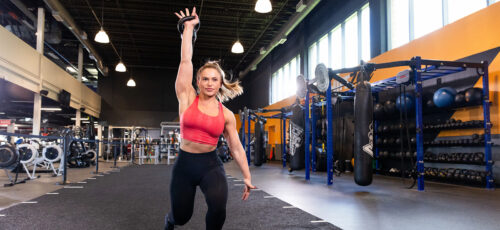
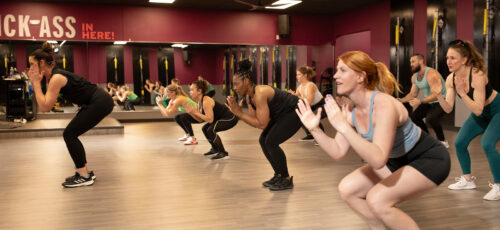
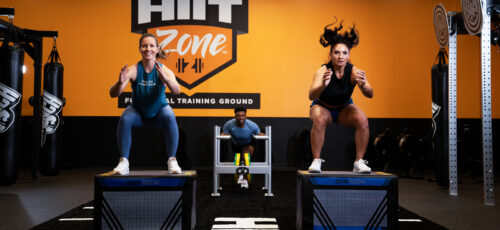
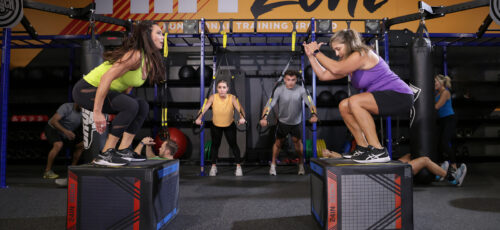
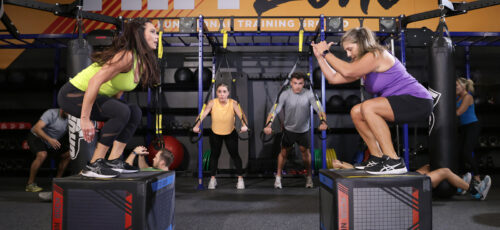
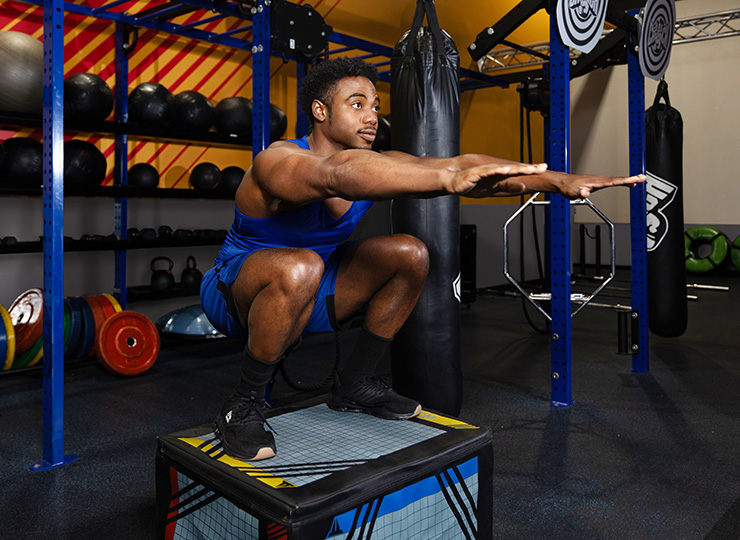
Squat jumps train fast-twitch muscle fibers, helping cyclists generate explosive power during hill sprints and hard accelerations.
How to do it
Why does it help cyclists?
Squat jumps strengthen the glutes, quadriceps, and posterior chain, improving sprint power and momentum when attacking short climbs or closing gaps in a group ride.
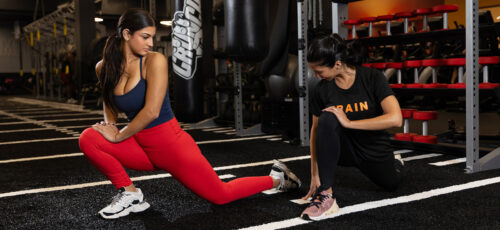
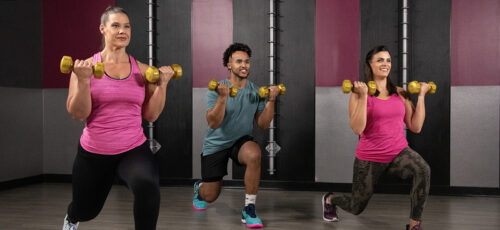
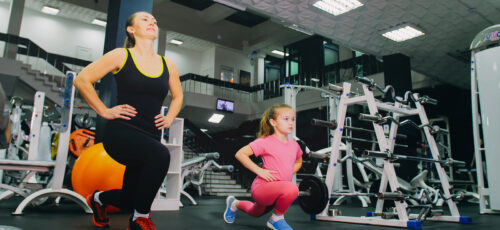
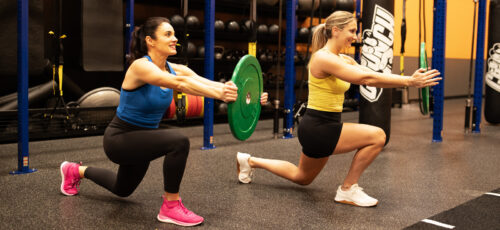
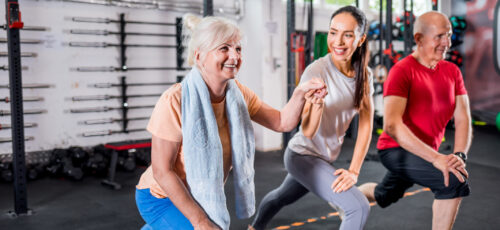
This movement works on your balance, stability, and coordination, which are all important for cycling.
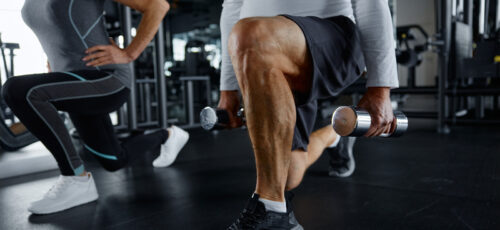
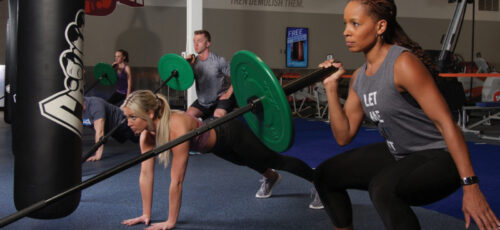
How to do it
Why does it help cyclists?
Lunges build strength in your glutes, quads, and hip stabilizers. This helps you transfer power better and lowers your risk of injury, especially on rough terrain or when you get tired late in a ride.
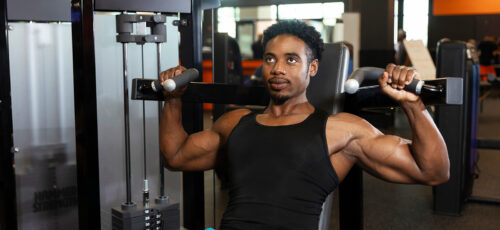
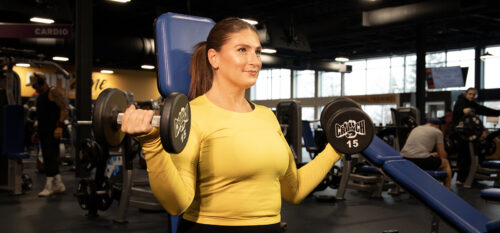
A strong upper body helps you stay stable during sprints, climbs, and when you ride in aggressive positions.
How to do it
Why does it help cyclists?
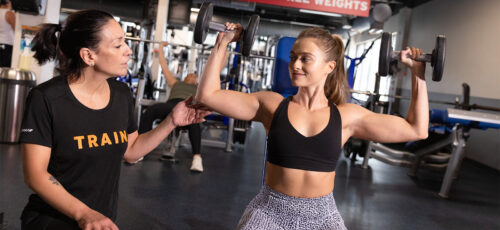
This exercise strengthens your shoulders, chest, and core, which improves your posture and control when you push hard during sprints or time trials.
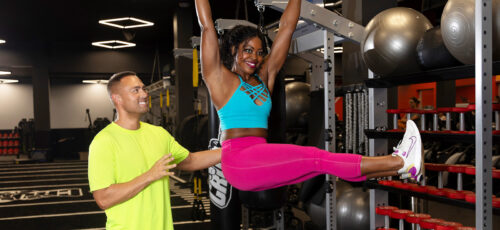
Pull-ups build upper-body strength and endurance, which you need for long rides and good posture.
How to do it
Why does it help cyclists?
Pull-ups work your lats, upper back, and arms. This helps you keep good posture and reduces upper-body fatigue during long rides.
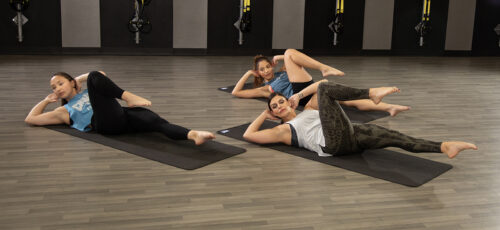
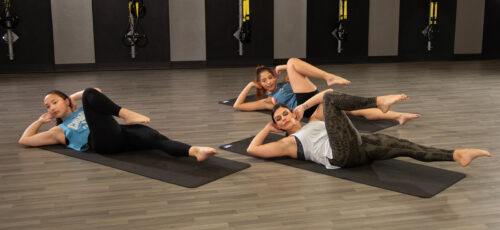
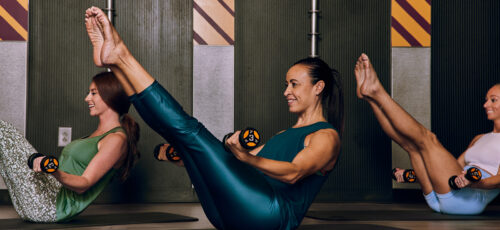
This classic core exercise copies the cycling motion and tests your muscular endurance.
How to do it
Why does it help cyclists?
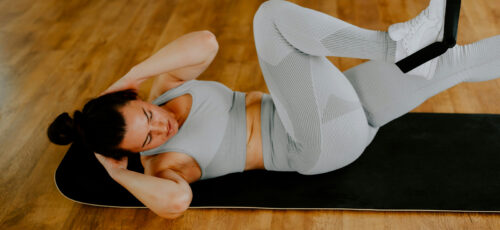
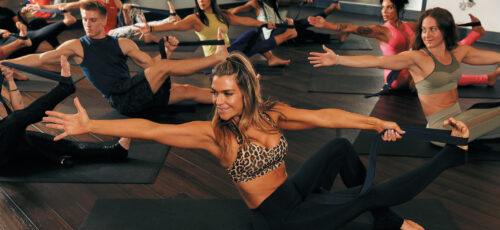
Bicycle crunches build your abs and obliques, helping you control your core and pedal efficiently, especially when you get tired late in a ride.
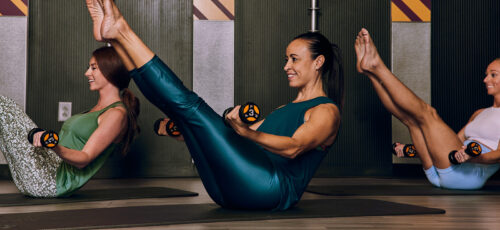
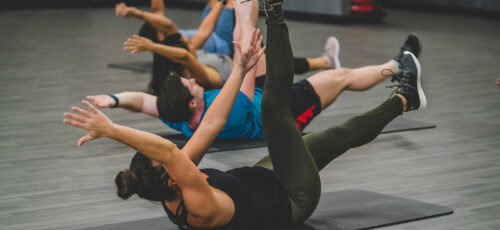
Leg lifts work your hip flexors, which are often overlooked but are important for keeping a steady cycling cadence.
How to do it
Why does it help cyclists?
Strong hip flexors help you pedal more smoothly and keep your cadence steady during climbs and long rides.
After hours on the bike, core strength is what keeps you going.
How to do it
Why does it help cyclists?
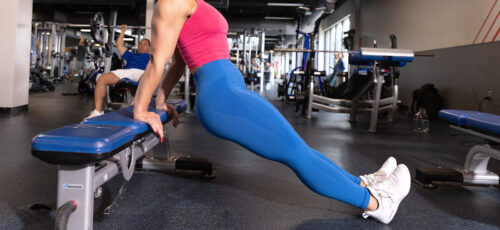
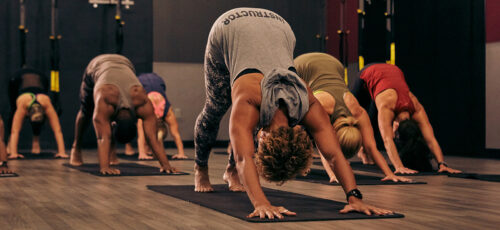
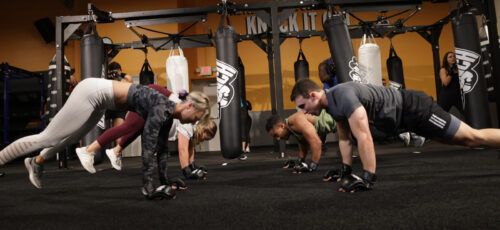
Plank walkouts build core stability, shoulder strength, and better posture, helping you stay efficient and comfortable on long rides.
Cycling builds great endurance, but riding alone isn’t enough if you want to stay strong, fast, and avoid injuries over time.
Strength training fills those gaps. It doesn’t turn cyclists into weightlifters, but it gives your body the support it needs for harder rides, longer distances, and years of training without injury.
Think about the end of a long ride. Your legs want to keep going, but your posture slips, your core gets tired, and you lose power with each pedal stroke.
Smart strength training helps prevent this by strengthening the muscles that keep you efficient when you’re tired.
Here’s how strength training shows up when it matters most:
You don’t need a complicated plan to get results. Just a few sessions each week with compound lifts, bodyweight moves, and light weights can really help your cycling. These exercises build coordination, control, and power transfer, not just strength.
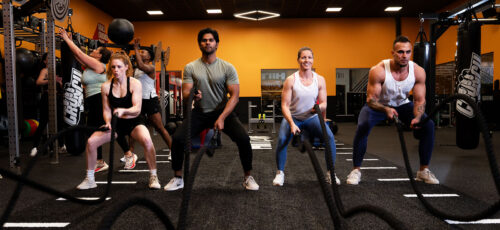
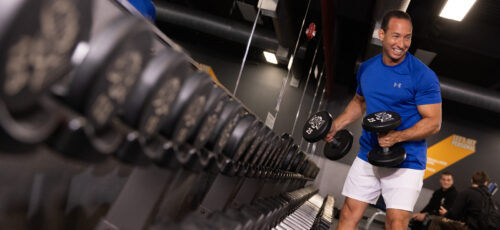
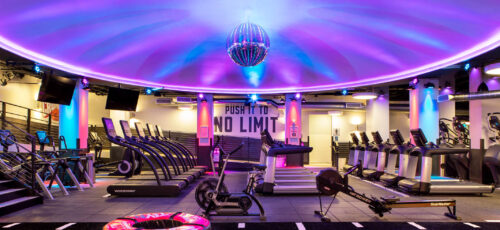
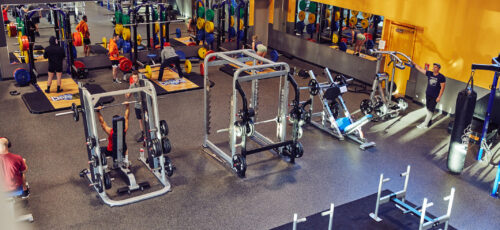
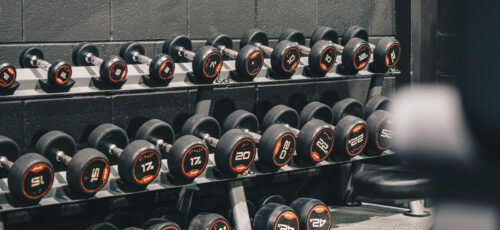
Crunch Fitness can help with this. Our open gym, free weights, training areas, and coaching support make it easy to build a strength routine that works with your cycling, not against it.
No matter why you ride (performance, health, or fun), strength training at Crunch helps you feel stronger, more stable, and ready to push yourself on every ride.
Adding strength training to your cycling routine can be simple. Following a few key tips makes it more effective and safer.
Use these tips to get the most out of your strength work:
Mild soreness often peaks 24–48 hours after training and can make simple movements feel tougher than expected. That’s normal. What matters is managing recovery wisely, saving hard rides for days when your legs feel fresh.
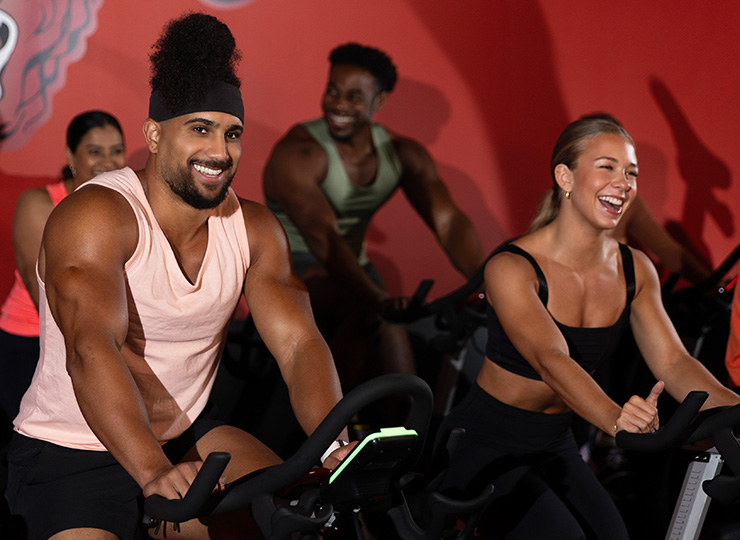
Building a sustainable cycling routine is about balancing the right elements so your body can perform and recover. Strength training works best when it supports your riding, not competes with it.
A simple structure is often the most effective. Many cyclists do well with:
This balance helps improve performance while leaving room for proper recovery, which is where progress actually happens.
Your strength training focus should reflect how you ride. Love short, powerful efforts or sprint finishes? You’ll benefit from exercises that train fast-twitch muscle fibers, which deliver explosive bursts of power. Prefer long rides or steady pacing? Slow-twitch fibers help you maintain output over time without burning out.
In real terms, sprint-focused cyclists may emphasize heavier lifts and shorter sets, while endurance riders lean toward lighter loads and longer time under tension. Both approaches support better cycling performance, just in different ways.
Think of it this way: fast-twitch fibers power you when you surge out of the saddle or sprint, while slow-twitch fibers keep you steady on long climbs and during late ride fatigue. Because cycling relies on both strength and endurance, mixing different strength training styles keeps your performance balanced and well-rounded.
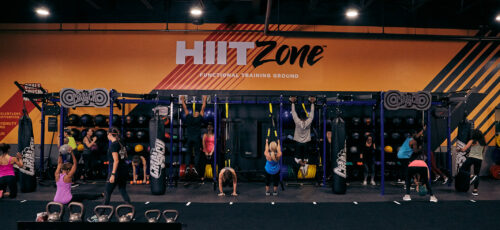
Not sure where you fall? Cycling classes are a great testing ground. High-intensity formats like Tabata highlight sprint ability, while HIITZone reveals how well you sustain effort. Try different styles, notice what feels natural, and build your routine around what keeps you motivated and consistent.
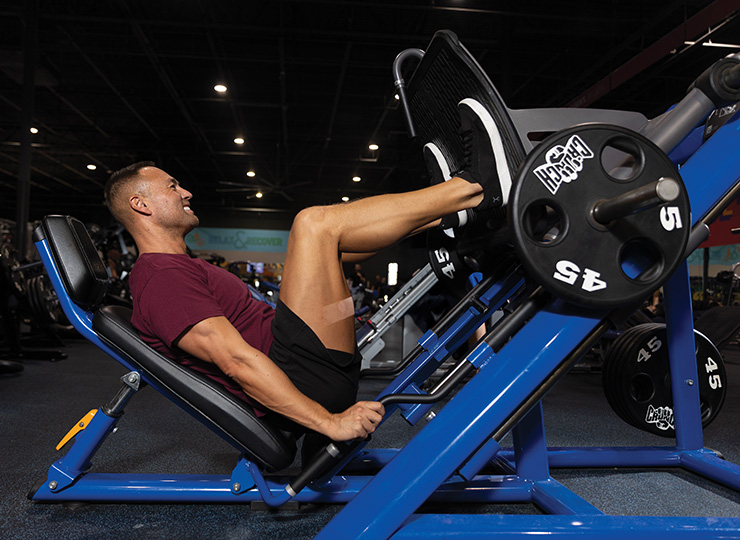
Yes, you can, and in many cases you should. The key is adjusting how you train, not stopping altogether. During race season, the goal shifts from building strength to maintaining it while protecting performance and recovery.
For most cyclists, one short strength training session per week is enough to preserve muscle, joint stability, and power without interfering with races or hard rides. Focus on low-volume, moderate intensity work using compound movements like squats, lunges, deadlifts, push-ups, and planks.
These exercises support posture, pedal stroke efficiency, and injury prevention without causing excessive fatigue.
Timing matters. Schedule strength sessions after easier rides or on non-race days, and avoid lifting to muscular failure. If soreness lingers, scale back; race season is not the time to chase personal records in the weight room.
Strength training during race season acts as insurance. Done right, it helps you stay resilient, efficient, and ready to perform when it counts most.
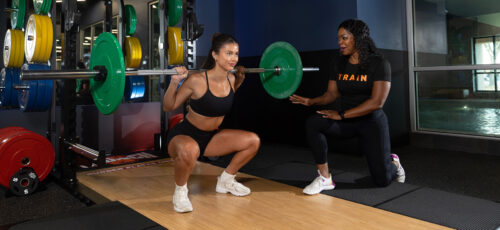
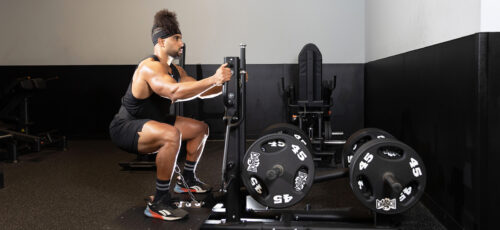
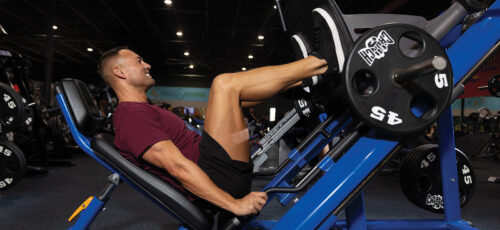
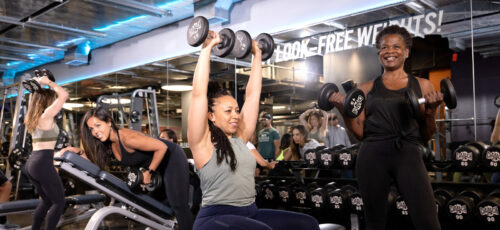
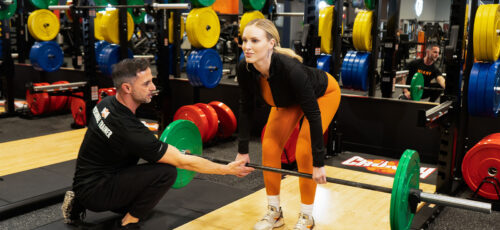
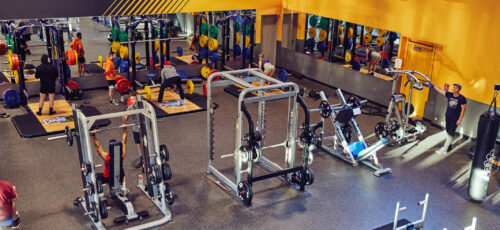
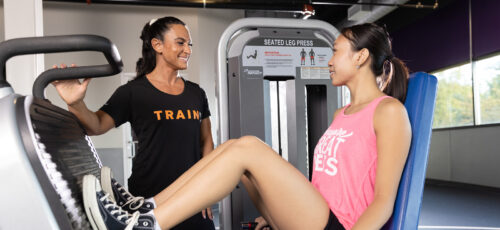
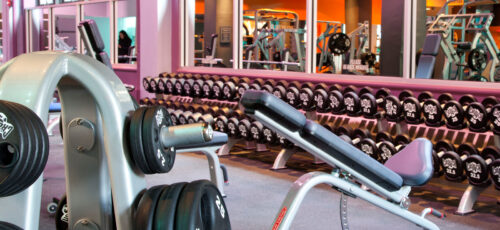
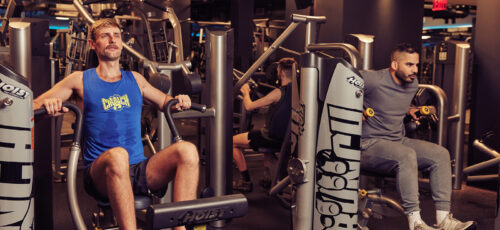
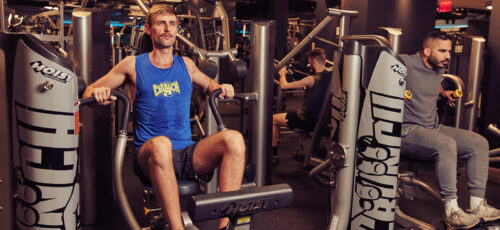
Whether you’re new to strength training or already comfortable under the bar, Crunch gives you options. Gym machines allow you to safely target key cycling muscles, especially during heavy riding weeks when controlled movement matters.
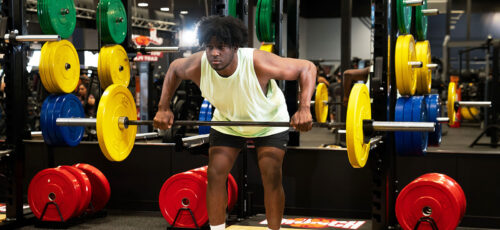
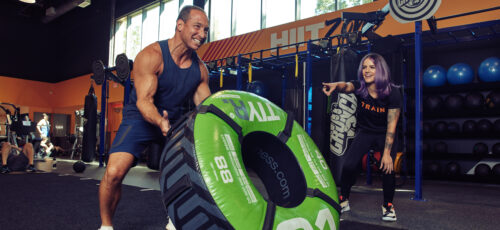
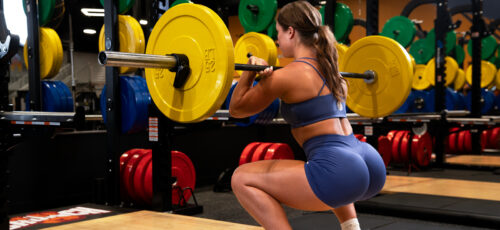
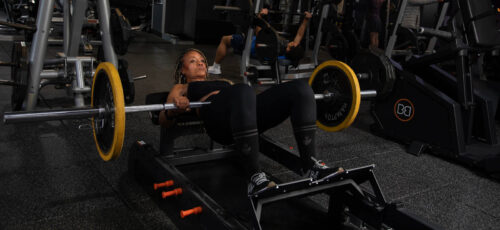
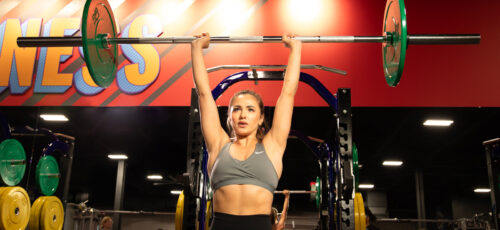
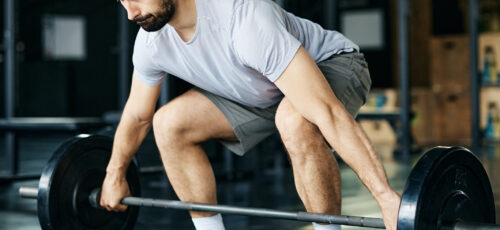
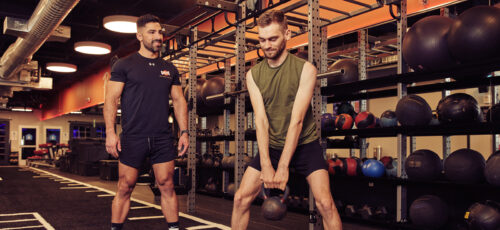
Do you prefer more functional training? The free weight area is ideal for compound lifts like squats, Romanian deadlifts, lunges, and presses that improve power transfer and core stability. Mixing machines and free weights helps cyclists build balanced strength that supports sprint efforts, climbing, and long-distance endurance.
Read more: Free Weights vs. Machines
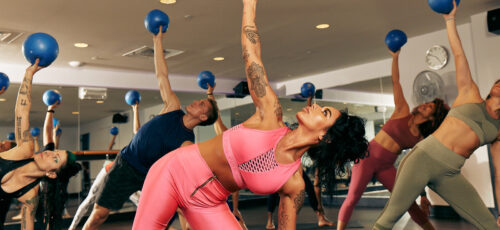
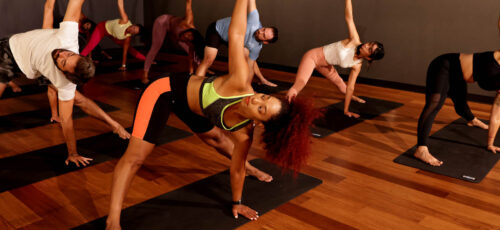
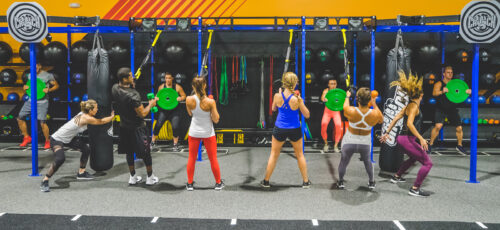
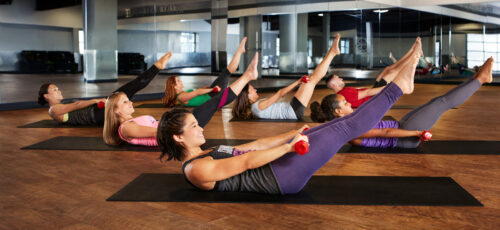
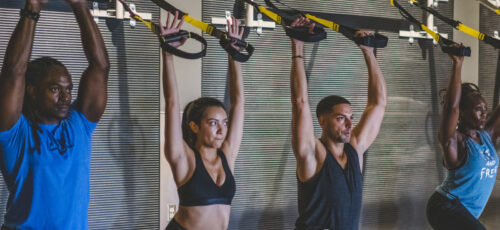
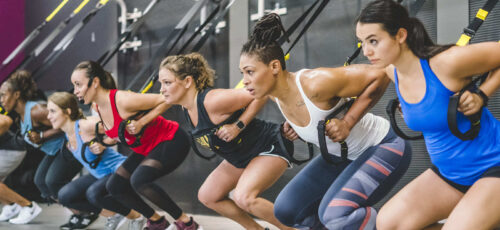
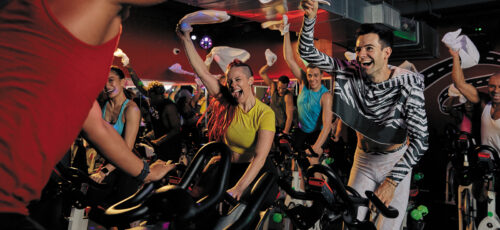
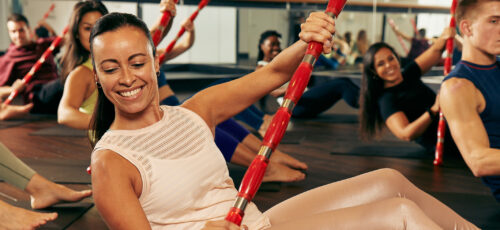
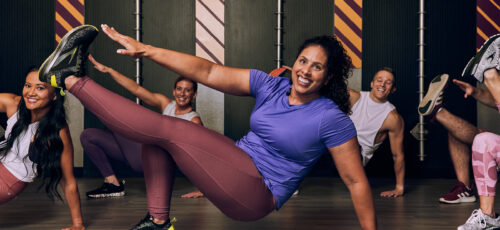
Group classes add structure and energy to your cycling routine. High-intensity formats like Tabata-style sessions challenge sprint capacity, while endurance-based rides help you practice holding steady output.
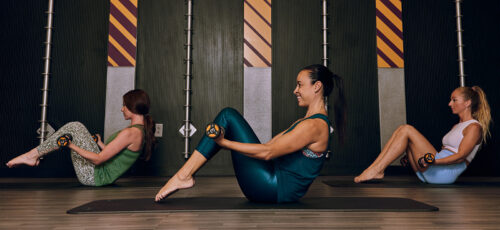
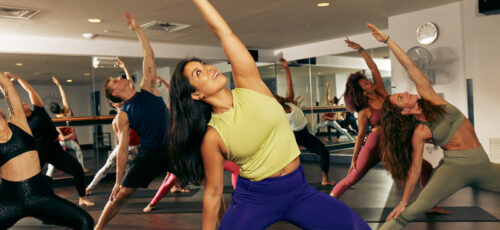
Strength and conditioning classes can also reinforce core strength, posture, and muscular endurance, three things that matter when you’re two hours into a ride and form starts to fade.
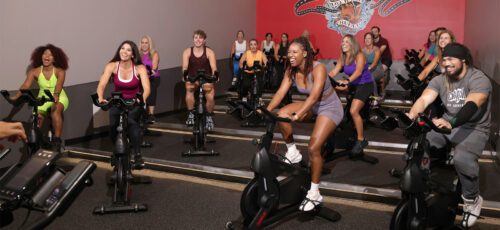
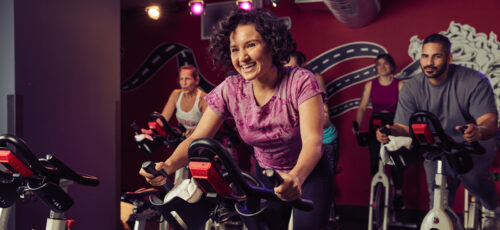
At Crunch Fitness, multiple Ride classes are available to accommodate people with different levels and specific goals.
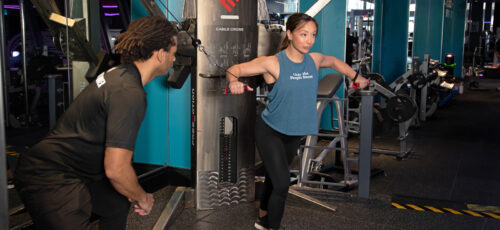
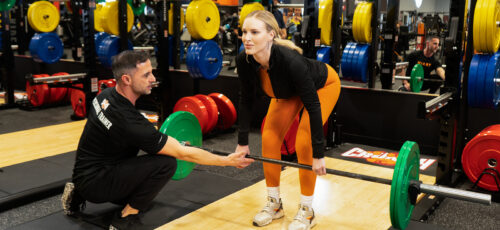
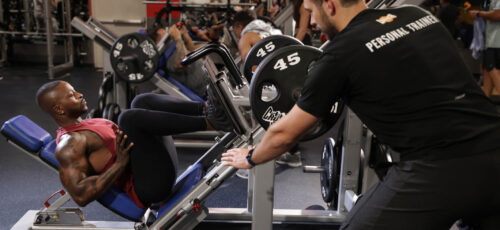
For cyclists with specific goals, race prep, injury prevention, or offseason development, personal training can make a difference.
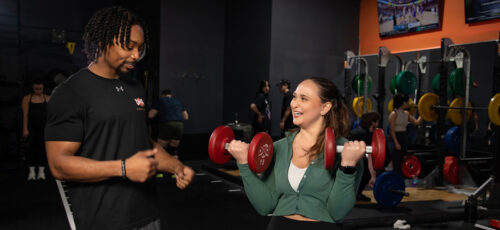
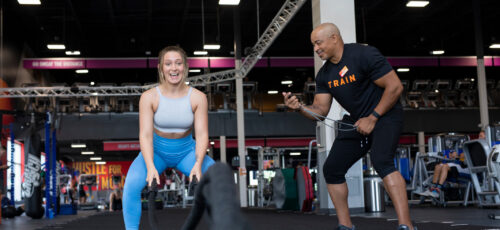
Crunch trainers help fine-tune technique, adjust volume around your cycling schedule, and create a plan that fits your lifestyle. The result? Smarter strength training that supports performance without burning you out.
Crunch promotes a culture of positivity, inclusivity, and fun with no judgments by providing an environment for all individuals, regardless of their health and fitness goals. Find a Crunch gym near you to try our free trial membership, or join Crunch now. We’re here for you – at the gym or at home. Access the best live & on-demand workouts anytime, anywhere with Crunch+. Ready to get sweaty? Try hundreds of workouts for free! Start your free trial now!
No, strength training will not automatically make you big and slow. When programmed correctly, it improves power, muscle efficiency, and cycling performance without adding unnecessary bulk.
Most cyclists benefit from strength training 2–3 times per week in the off-season and 1–2 times per week during race season. Consistency supports lower body strength, injury prevention, and better endurance.
A strength workout for cyclists typically lasts 30–45 minutes. Focus on compound movements like squats, deadlifts, and core exercises for maximum efficiency.
Yes, strength training can significantly improve sprint power and climbing ability. Building lower-body strength through exercises like lunges and hip hinges increases force production on the pedals.
Yes, strength training supports bone density, which cycling alone does not improve. Weight-bearing exercises help reduce injury risk and support long-term joint health.