









Upper Back Strengthening Exercises That Improve Pulling Power
January 29, 2026

When pulling exercises feel tough, it’s common to blame your arms. You might think, “My biceps are tired,” “My grip gave out,” or “I’m just not built for pull-ups.” But often, the real issue is a lack of upper back strength. The muscles behind your shoulder blades are important for pulling power, good posture, and smooth, confident movement.
Your upper back controls much of your upper body movement. When it’s strong, your shoulder blades move as they should, your core supports your spine, and your arms don’t have to take on all the effort.
If your upper back is weak, your shoulders tend to lift, your chest takes over, and even basic exercises can feel awkward or uncomfortable.
In this article, you’ll learn the best upper back exercises to help you pull stronger, stand taller, and move better both in and out of the gym.
You’ll discover why classic moves like the bent-over row work so well, how small details like bending your knees, keeping your feet flat, and squeezing with control can make a big difference, and how warming up with shoulder rolls and resistance bands helps protect your shoulders and spine.
If you’re working out on your own or looking for expert help, the trainers and classes at Crunch Fitness are ready to help you make stronger pulls a regular achievement.
Let’s get started.
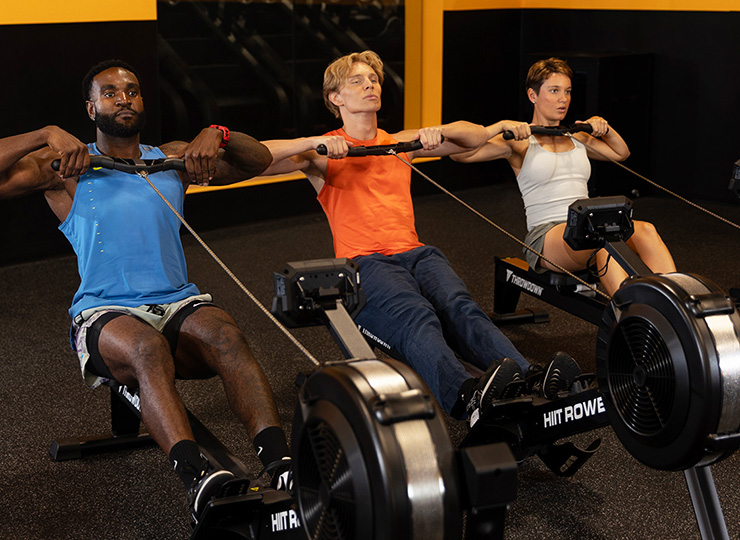
Let’s look at exercises that build pulling power. These moves strengthen your back, teach your shoulder blades to move well, help the muscle groups of your upper body work together, and make each pull feel smoother and more controlled.
These are practical upper back exercises you can use in your workouts and daily life.
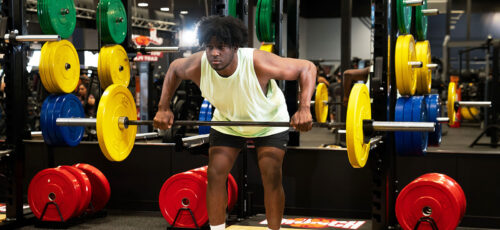
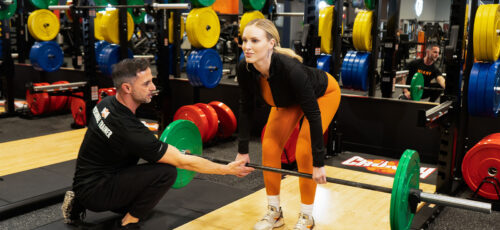
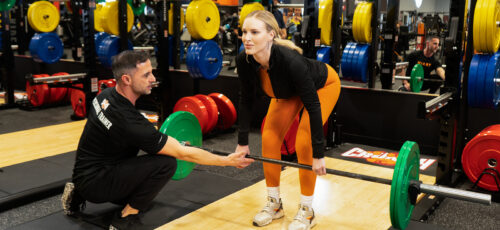
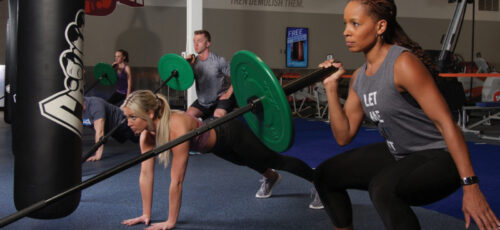
Stand with feet about shoulder width apart, knees bent slightly, and hinge forward until your torso forms a straight line with your spine. Grip the bar with an overhand grip, hands slightly wider than shoulder width. Pull the bar toward your lower chest, squeeze your shoulder blades together, then slowly return to the starting position.
This exercise is a classic for good reason. It targets your upper back, mid back, and rear delts, and also challenges your core to keep your body stable. Your arms help, but your back muscles do most of the work.
Focus on pulling your elbows toward your hips instead of just lifting with your hands. Stand tall between reps, reset your position, and take your time with each squeeze.
Face the anchor point and hold the handles with your palms facing each other. Lean back with your feet flat on the floor, arms extended, and body in a straight line. Pull your chest toward your hands, squeeze your shoulder blades, then slowly return.
This bodyweight exercise works your upper back, shoulders, arms, and abs all at once. It’s a great way to build pulling strength without using heavy weights.
Move your feet closer to the anchor to make the exercise harder, or bend your knees for more support. This exercise is a good option if you’re recovering from pain or injury.
Stand tall and hold dumbbells or a barbell with an overhand grip. Keep your arms straight and lift your shoulders up toward your ears. Pause, squeeze, then slowly lower.
Shrugs target your upper traps, which help stabilize your shoulders and support heavier pulling and pressing exercises.
Don’t roll your shoulders in circles. Focus on lifting straight up and squeezing, instead of rushing through the movement.
Place one knee and one hand on a sturdy chair or bench, and keep your other foot flat on the floor. Hold a dumbbell in your free hand and pull it toward your hip, keeping your elbow close to your body. Slowly return.
This one-sided exercise builds your upper and mid back while helping correct left-to-right imbalances. You’ll quickly notice if one side is stronger.
Keep your hips and chest steady and avoid twisting. Imagine balancing a glass of water on your back to help you keep good form.
Stand next to the barbell, hinge at your hips, and grab the bar with your inside hand. Start by pulling your shoulder blade back, then bend your elbow to lift the weight. Slowly return.
The angled movement feels natural on your shoulders and puts extra focus on your upper back and rear delts, especially at the bottom of the rep.
Begin each rep by pulling your shoulder blade back before you bend your arm. This is real upper back strengthening.
Discover: Best Chest Strength Exercises for Upper Body Power
Sit with your knees bent, feet flat, and spine straight. Grab the handle of the cable machine with your palms facing in. Pull it toward your navel, squeeze your shoulder blades together, then slowly return.
This exercise targets your upper back while putting less strain on your lower back, making it a good choice if you’re dealing with pain or fatigue.
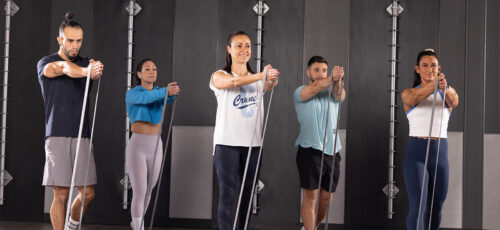
If you don’t have a cable machine, you can use resistance bands instead.
Lie face down on a bench with the barbell hanging below you. Pull the bar up toward your lower ribs, squeeze, and slowly lower it without letting the weight touch the floor.
This exercise fully works your back. Since you can’t use momentum, your upper back muscles do all the work.
Start with the bar at hip height and your feet shoulder width apart. Drive through your hips, shrug, and pull yourself under the bar to catch it at shoulder height.
This full-body move builds explosive pulling power, improves posture, and trains coordination from your hips through your upper body.
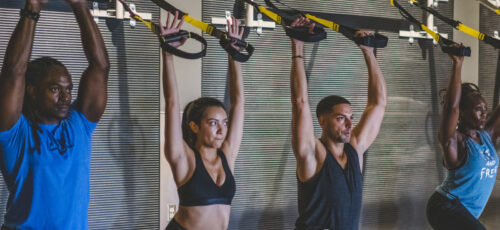
Stand under the TRX suspension trainer with the straps secured above you. Get into a solid plank position under the straps and grab the handles with your arms straight.
Pull your chest up to the handles, squeeze your shoulder blades together, and then lower yourself back to where you started.
This exercise works your upper back, arms, core, and posture all in one smooth movement.
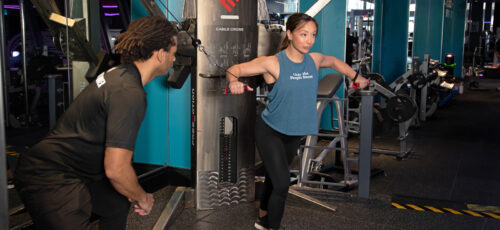
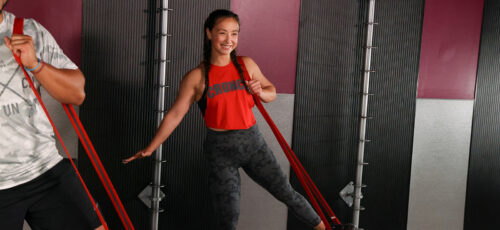
Set a rope on a cable machine at upper-chest or face height, or fasten a resistance band to something sturdy at the same level. Grip the rope or band with your palms facing each other.
Step back until you feel tension. Pull it toward your forehead, keeping your elbows out and squeezing your shoulder blades together. Return slowly to the starting position, keeping the movement controlled.
Face pulls strengthen your upper back and rear delts and help keep your shoulders in a healthy position.
If you want stronger pulls, better posture, and fewer aches in daily life, regular upper back training is key. If you need coaching, structure, or variety, the trainers and classes at Crunch Fitness can help you build a program that keeps you making progress each week.
Read more: What Exercises Target Upper Belly Fat?

You might not see your upper back, but it’s still important to include it in your training plan. Research shows that neglecting back muscles can lead to poor posture, discomfort, and lower performance, both in and out of the gym. Regular upper back training helps prevent these problems.
Here’s why training your upper back matters more than most people realize:
Read more: Top 10 Exercises for Lower Back Strength
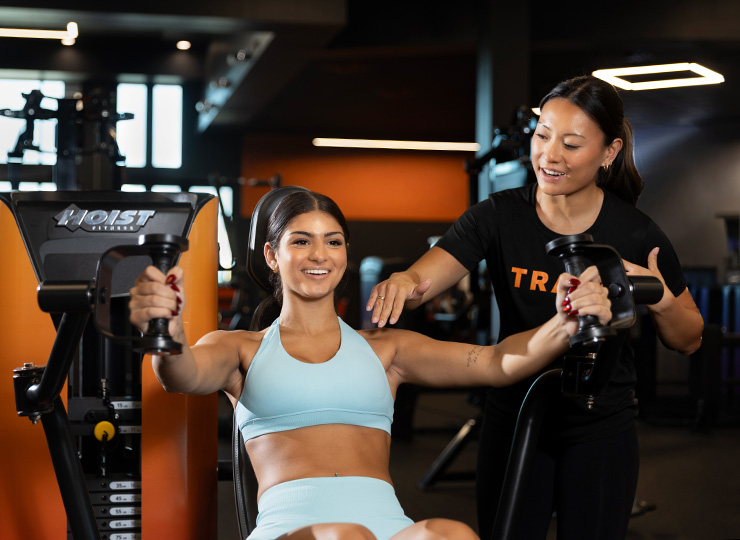
To get the most out of your upper back workouts, it’s not just about doing more exercises; it’s about training smarter. Keep these tips in mind to build strength, control, and steady progress over time:
Use a mix of two-sided exercises (like barbell rows) and one-sided moves (like single-arm rows) to spot and fix strength imbalances. Training one side at a time helps prevent compensation and supports healthier movement.
Avoid swinging the weight or moving too fast through your reps. Use controlled movements, especially when lowering the weight, to keep tension on your back muscles and build pulling strength.
Lower the weight if your technique starts to slip. Focus on smooth shoulder blade movement, a stable spine, and clean reps. Once your form is solid, you’ll get stronger, faster, and more safely.
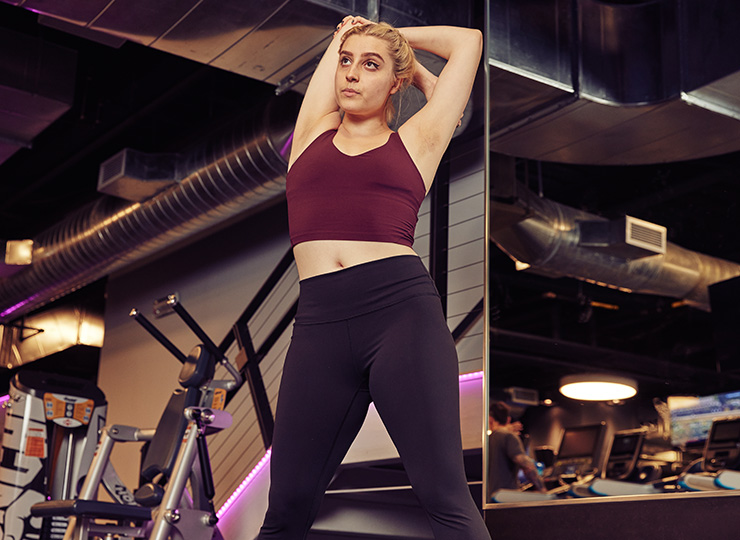
Warming up your upper back helps you have a stronger, safer workout. A good warm-up increases blood flow, improves mobility, and gets your muscles ready to work when you need them most.
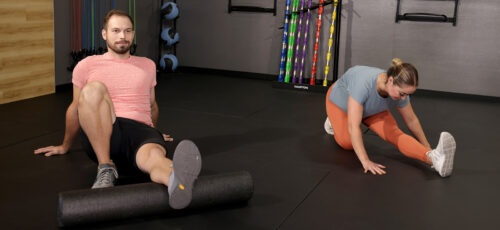
Start by raising your body temperature with light, dynamic movements. Simple arm swings or gentle shoulder rolls are great for loosening tight areas and reducing stiffness from sitting or daily activities.
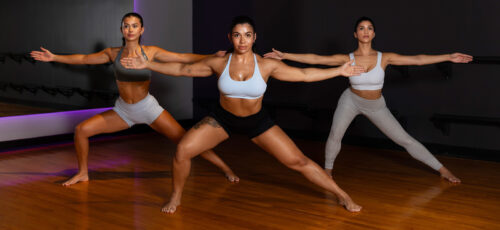
Next, focus on moving the joints that support pulling exercises. Moves like back-to-the-wall shoulder flexion or thoracic spine rotations help your upper back and shoulders move through a full, comfortable range of motion. Think of this as preparation, not a workout by itself.
The goal isn’t to tire out your muscles but to get them ready. Keep your reps controlled, move with purpose, and stop before you get tired. When your upper back feels warm and ready, you’ll lift with better form, stronger pulls, and less risk of discomfort or injury.
Read: Back Fat Exercises for Women to Tone and Strengthen Fast

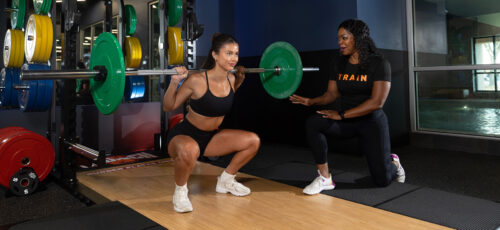
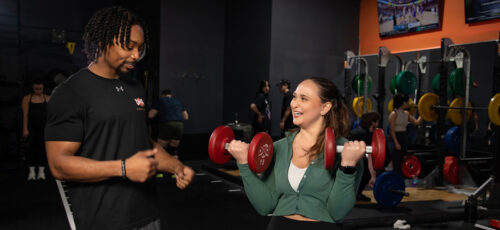
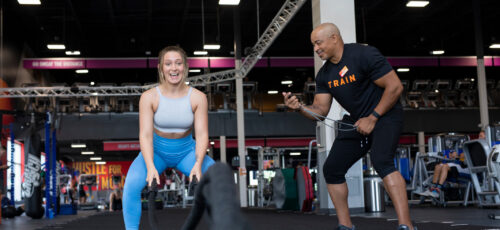
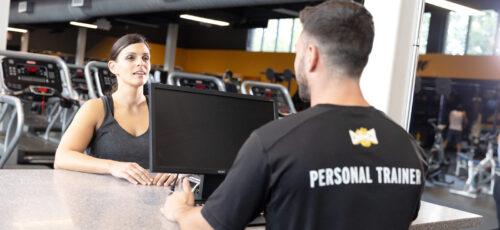
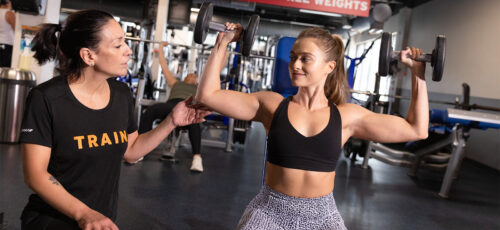
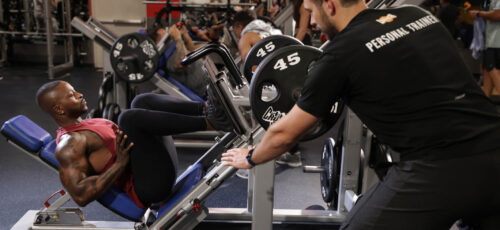
Getting stronger at pulling isn’t just about doing more rows or pull-ups—it’s about doing them correctly. Trainers at Crunch Fitness help you build pulling power by teaching proper form, posture, and muscle engagement, starting with your upper back and shoulder blades.
They check for imbalances, adjust your grip and body position, and pick the right mix of exercises for your goals.
From learning the bent-over row to working up to pull-ups, Crunch trainers design programs that help you pull stronger, move better, and avoid plateaus. They also make sure your workouts stay challenging, safe, and motivating.
Crunch promotes a culture of positivity, inclusivity, and fun with no judgments by providing an environment for all individuals, regardless of their health and fitness goals. Find a Crunch gym near you to try our free trial membership, or join Crunch now. We’re here for you – at the gym or at home. Access the best live & on-demand workouts anytime, anywhere with Crunch+. Ready to get sweaty? Try hundreds of workouts for free! Start your free trial now!
To strengthen a weak upper back, focus on pulling exercises that work your shoulder blades and mid back, such as rows, face pulls, and resistance band pulls. Start with controlled reps, use light to moderate weights, and make sure your form is correct before adding more weight.
Most people get good results by training their upper back two or three times a week, with at least one rest day between workouts. This schedule helps you build strength and gives your muscles time to recover.
Good stretches after a workout include chest openers, thoracic spine rotations, overhead lat stretches, and gentle shoulder stretches. These moves help loosen tight muscles and support recovery.
Yes. Building upper back strength helps pull your shoulders back into better alignment. This supports a more upright posture and can reduce rounded shoulders from sitting or using screens for long periods.
Weakness in the upper back often comes from sitting too much, poor posture, not doing enough pulling exercises, or working the chest and arms more than the back.