









What Are the Best Ankle Strength Exercises?
December 27, 2025

Imagine stepping off a curb, your foot landing awkwardly, and in an instant, you feel that painful twist in your ankle. The sharp sting is followed by a dull ache, making every step challenging.
It’s in moments like these that you truly understand the importance of strong ankles. Strong ankles help you move better, stay balanced, and reduce your risk of future injuries.
The best ankle strength exercises work your calf muscles, ankle joint, and stabilizers around the foot and lower leg.
Exercises such as standing calf raises, single-leg balance drills, resistance band flexions, and ankle alphabet movements all contribute to stability, control, and strength.
Want to strengthen your ankles? Keep reading to discover:

Building ankle strength is about choosing the right kinds of exercises based on your fitness level, goals, and body mechanics. Your ankles are the foundation of nearly every movement you make, walking, jumping, squatting, and even standing.
If they’re weak, everything above them (knees, hips, lower back) pays the price. That’s why your ankle strength training routine should be intentional and safe.
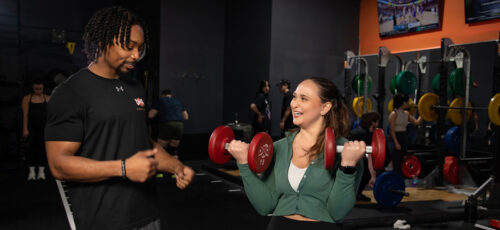
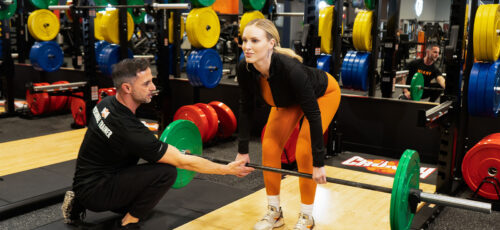
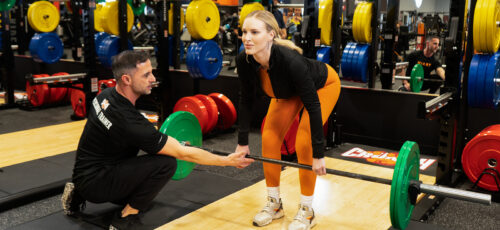
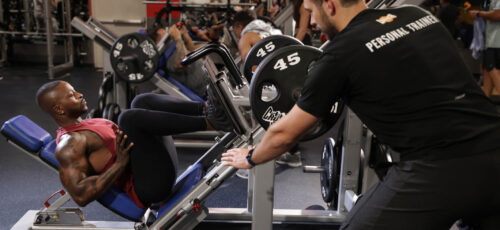
Before you dive in, remember: consult with a certified personal trainer, especially the experts at Crunch Fitness. They’ll help assess your ankle stability, strength imbalances, and mobility, then create a personalized plan to build resilience without risk.
This approach prevents injuries, optimizes results, and helps you progress with confidence.
No equipment? No problem. Your body weight is more powerful than you think. Try these bodyweight ankle-strengthening exercises anywhere. No excuses!
Pause at the top, ensuring your knees remain slightly bent and do not lean forward. Slowly lower your heels back to the floor with control. This exercise increases calf strength and improves ankle stability, which is essential for walking, running, and jumping.
Pro tip: Beginners should focus on slow, controlled movement and upright posture, not speed. Keep your kneecaps facing forward and your ankles aligned.
Avoid rolling your ankle inward or outward during movement. Bodyweight training builds foundational strength so you can master movement patterns before adding resistance.
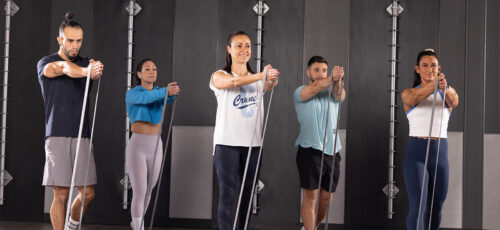
Resistance bands are like portable personal trainers; they provide progressive tension that strengthens the ankle without high impact. To ensure you’re using the right level of resistance, consider using bands of varying colors or resistance levels.
Typically, lighter bands are suitable for beginners and heavier bands for advanced users. This specificity helps guide you to an appropriate load, minimizing trial-and-error frustration and increasing the effectiveness of your workouts.
Try these:
Sit on the floor with your legs extended. Anchor one end of a resistance band to a sturdy object and loop the other end over the top of your foot.
Keeping your leg straight, slowly pull your toes toward your body against the band’s resistance. Return to the starting position with control. This exercise can help improve ankle mobility and strengthen lower leg muscles.
Sit on the floor with legs outstretched. For eversion, anchor the band on the opposite side of your foot and loop it around the outside edge. Press your foot outward against the resistance, keeping your leg still.
For inversion, anchor the band on the same side as the foot and loop it around the inside edge, pulling your foot inward. Control the motion in both directions to strengthen smaller stabilizing muscles that protect against ankle sprains.
This increase in strength helps your ankles respond to sudden shifts in direction.
Sit with your legs extended and loop one end of a resistance band around the ball of your foot, holding the ends in your hands. Keeping your knee straight, point your toes away from your body, stretching the band as you press down.
Slowly return to the starting position. This mimics a calf raise motion to strengthen your calf muscles.
Discover more: What’s the Best Strength Training Gym?
Once you’ve built basic stability, it’s time to add functional strength exercises that load the ankle in movements typical of daily life.
Imagine climbing stairs while carrying groceries or navigating uneven terrain without losing balance. Exercises like step-ups help condition your ankles for such real-world scenarios, ensuring that you can handle these tasks with greater ease and confidence.
Strong ankles need to think fast. That’s where balance and proprioception come in. Try:
Do 2–3 sets, 3–4 times per week. These drills activate stabilizing muscles, improve reaction time, and reduce injury risk, especially during running, sports, or HIIT classes.
Need something joint-friendly? Low-impact ankle stability exercises can keep you strong without pounding your joints:
These activities improve blood flow, joint stability, and endurance while sparing joints.
To get started, why not commit to one low-impact session this week? It’s a simple step that can empower you to turn intention into practice, strengthening your ankles without stressing your joints.
Read our article: The Ultimate Gym Workout Routine for Muscle Gain and Strength Building

Your ankles, though small, support your entire body weight in every movement. Serving as the link between your feet and the rest of your body, they provide a foundation for almost everything—even when standing. Strong ankles help your body move more efficiently.
According to the American Academy of Orthopaedic Surgeons, nearly 25% of all sports injuries involve the ankle, most commonly sprains due to instability or weak supporting muscles. Strengthening the ankles not only prevents those injuries but also enhances total-body performance.

The following eight tips will help you stay consistent, track improvements, and prevent injuries as you work toward stronger, more resilient ankles.
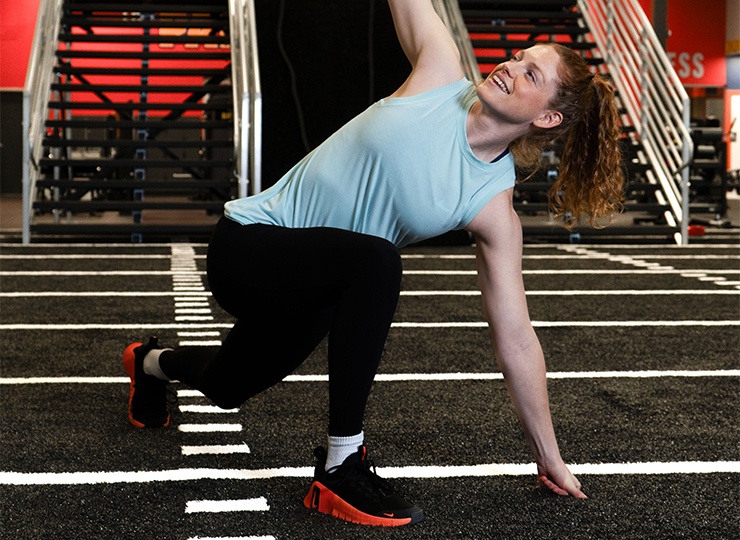
Strong ankles also need flexibility. Stretching the muscles and ligaments around the ankle joint improves range of motion, circulation, and joint stability, helping prevent stiffness and injuries. Add these to your post-workout or recovery-day routine to maintain healthy, pain-free movement.
Everyone’s ankles are different. Athletes need dynamic strength for performance, while office workers often need mobility breaks. Older adults may focus on stability, and injury recovery requires care and gradual progress.
For conditions like ankle sprains, Achilles tendonitis, plantar fasciitis, or flat feet, modifications are key. Gentle resistance, slower progression, and focused mobility drills help restore strength without aggravating tissues.
Because every body moves differently, Crunch’s certified personal trainers can assess your condition, tailor your ankle strengthening plan, and guide you in avoiding risky or unnecessary exercises, keeping you safe, strong, and steady with every step.
Absolutely. Ankle strengthening exercises benefit everyone—athletes, beginners, office workers, and older adults alike. The type of exercise and intensity may differ, but the importance is universal. In today’s world, sedentary habits and improper footwear have become silent culprits behind weak ankles.
Long hours sitting at a desk or wearing unsupportive shoes can lead to muscular imbalances and reduced joint mobility. Over time, this lack of movement contributes to stiffness, poor balance, and even chronic pain in the ankles, knees, and hips. Targeted ankle exercises help reverse these effects, strengthening the supporting muscles and restoring functional movement.
Different populations have varying needs. Athletes rely on ankle strength for agility, speed, and injury prevention. Older adults focus on maintaining balance, mobility, and independence. Even if you don’t experience ankle pain, preventive strengthening can make a huge difference in maintaining long-term joint health, improving coordination, and reducing fall risk as you age.
Ankle strength doesn’t happen overnight, but progress starts sooner than most expect. With consistent effort, around 2 to 4 weeks of regular training, you’ll likely begin noticing improvements in stability, balance, and mobility. More significant gains, such as increased endurance and joint resilience, typically occur after 6 to 8 weeks of structured training.
Timelines vary depending on several factors: your starting strength, age, training frequency, exercise selection, and whether you’re recovering from an injury. Some individuals may notice reduced discomfort and improved control relatively quickly, while others need more time to rebuild stability after a long period of inactivity or weakness.
Building long-term stability requires continued practice, not just short-term effort. Crunch’s personal trainers can evaluate your starting point and design a realistic, results-driven program tailored to your pace and goals, helping you track progress every step of the way.
Crunch promotes a culture of positivity, inclusivity, and fun with no judgments by providing an environment for all individuals regardless of their health and fitness goals. Find a Crunch gym near you to try our free trial membership, or join Crunch now. We’re here for you – at the gym or at home. Access the best live & on-demand workouts anytime, anywhere with Crunch+. Ready to get sweaty? Try hundreds of workouts for free! Start your free trial now!
For best results, aim to do ankle strengthening exercises 2–3 times per week. Consistency helps build stability, mobility, and endurance without overloading the joint. Always allow a day of rest between sessions for recovery.
Yes, but choose low-impact, controlled movements. Gentle range-of-motion and resistance band exercises can improve joint mobility and reduce stiffness. For safety, consult a Crunch Fitness personal trainer or healthcare provider for a customized routine.
Mild soreness is normal, especially when starting out, but sharp pain isn’t. If discomfort lasts more than 48 hours, scale back intensity or review your form with a trainer. The goal is strength, not strain.
Absolutely. Research shows that strong ankles enhance proprioception, your body’s ability to sense position and movement, helping improve balance, stability, and coordination while reducing fall risk.
The calf muscles (gastrocnemius and soleus) and the smaller stabilizers around the ankle joint are crucial. Together, they control movement, absorb impact, and protect against ankle sprains.
Yes. Walking and hiking strengthen the lower legs and improve joint mobility, especially on uneven surfaces. Just wear supportive footwear and gradually increase distance and intensity.
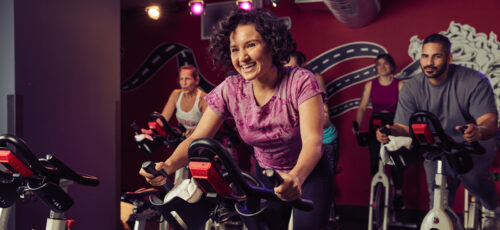
Definitely. Cycling is a low-impact exercise that strengthens the ankle, calf, and foot muscles while promoting circulation. It’s an excellent option for people recovering from injury or seeking joint-friendly conditioning.