









What Are the Best Glute Strength Exercises for Stronger Lifts and Better Posture?
January 14, 2026
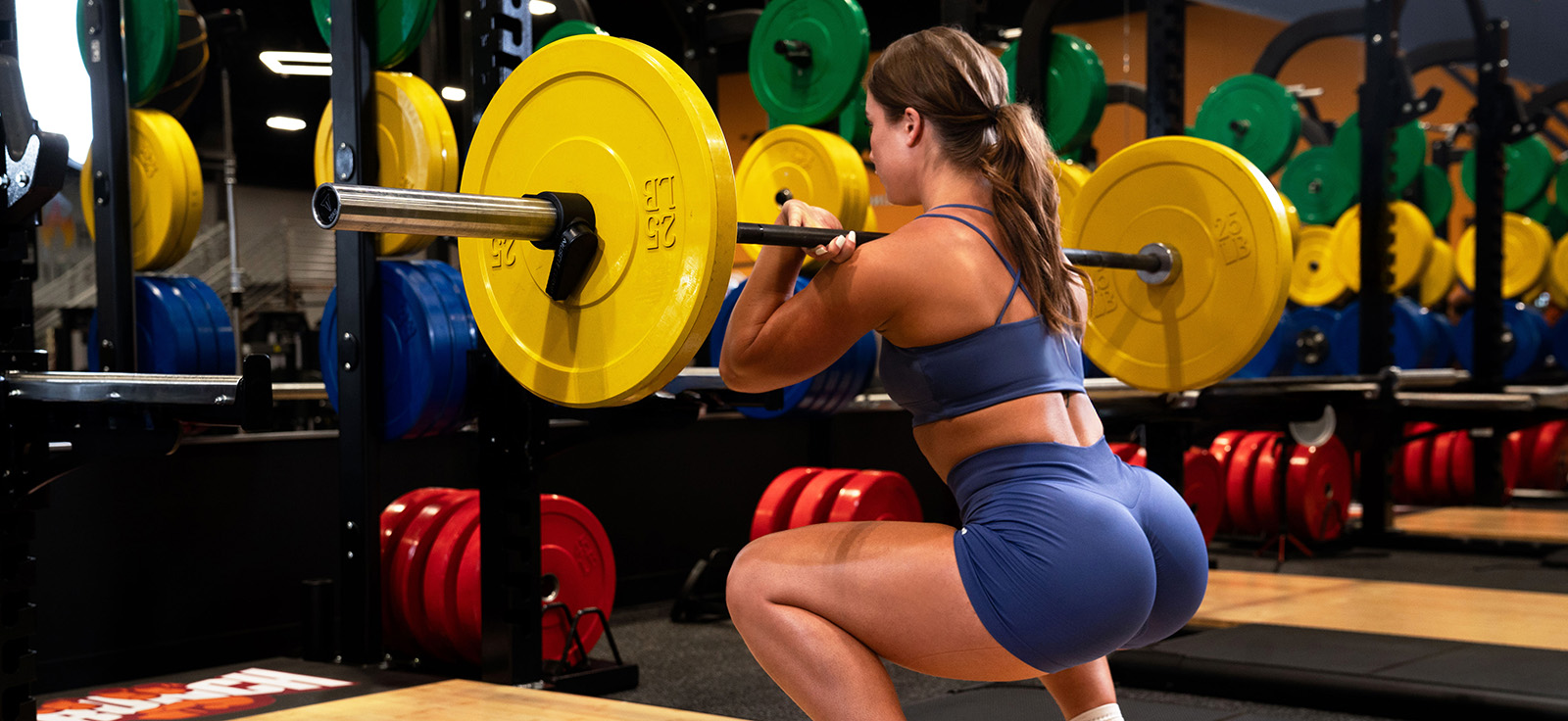
If you think a few squats and deadlifts are all it takes to build your glutes, think again! The real secret lies in mastering Glute Strength Exercises that target every muscle fiber, from the mighty gluteus maximus to the supporting gluteus medius and minimus.
These muscles do more than just look good. They help you lift heavier, improve your posture, and give you more power with every step.
Most of us spend a lot of time sitting at work, at home, or in traffic. This can make your glutes less active, leading to weak hips, poor alignment, and frequent lower back pain.
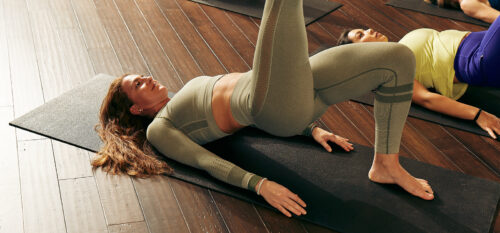
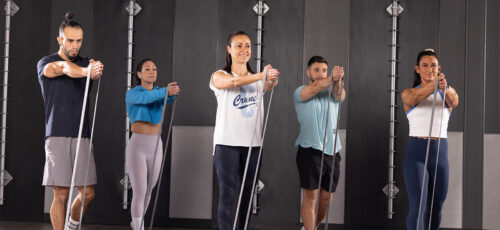
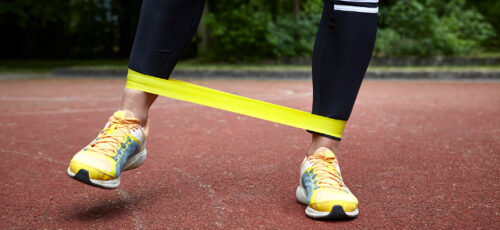
Adding exercises like hip thrusts, split squats, and glute bridges can really help. Using just your body weight or a resistance band, you can wake up those muscles and move with better control, balance, and stability.
This guide covers top glute workouts, from single-leg glute bridges to reverse lunges and Romanian deadlifts, to help you lift more, improve your posture, and feel your best. Grab your mat, set your feet hip-width apart, and get started. Stronger glutes make everything better.
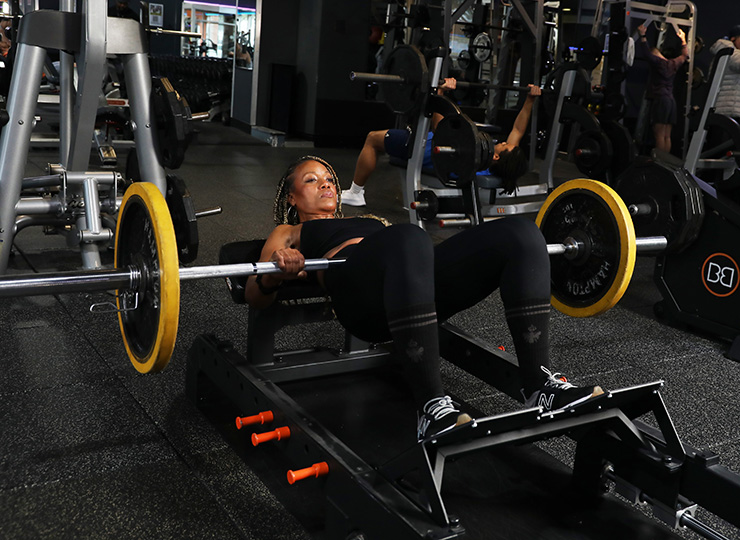
Here are the best exercises to build muscle, improve your balance, and help you stand taller every day.
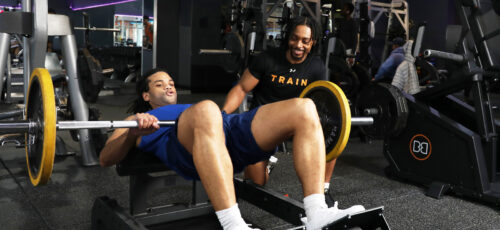
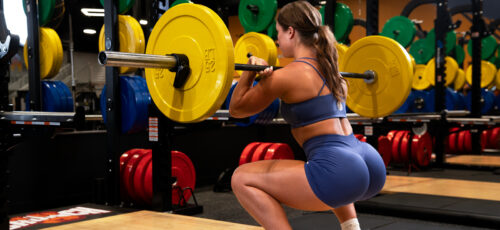
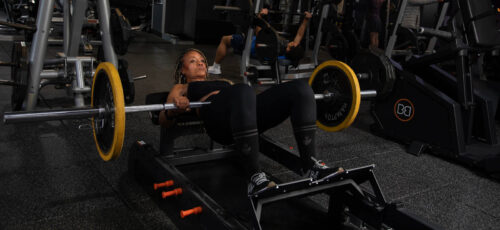
No other exercise isolates and strengthens the glutes as well as this one. It focuses on hip extension, which is the main job of your glutes.
How to do it:
Pro tip: Focus on good form and control instead of lifting heavy weights. If you don’t have a barbell, use dumbbells or a resistance band instead.
Step-ups train single-leg strength, balance, and power. Ideal for building glutes that perform inside and outside the gym.
How to do it:
Why it works: Leaning forward and pushing through your heel makes sure your glutes, not just your quads, do most of the work.
The Reverse Hyper works your entire back side and is gentle on your spine, making it great for both glute and lower back health.
How to do it:
Why it works: This exercise focuses on hip extension, which is a main job of the glutes, and it also helps improve blood flow for recovery.
Discover: Should I Hire a Personal Trainer for Lifting Weights?
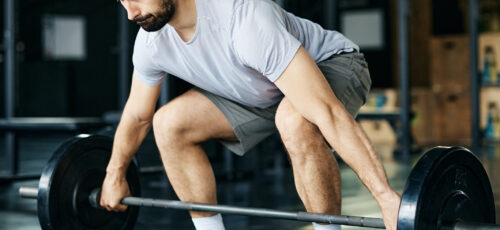
Few exercises work the glutes and hamstrings as well as the RDL. It’s great for improving posture, balance, and overall strength.
How to do it:
Pro tip: Keep the dumbbells close to your body. The closer the weights are, the safer and more effective your lift will be.
This move challenges your balance and works smaller stabilizing muscles, such as the gluteus medius and minimus.
How to do it:
Why it works: The diagonal step activates your hip abductors, which helps improve your side-to-side stability and posture.
This exercise combines balance, coordination, and glute activation. It’s a tough lower-body move that brings real athletic benefits.
How to do it:
Pro tip: Keep leaning forward. This puts more of the work on your glutes instead of your quads.
This exercise helps balance strength between your right and left legs, and also improves hip stability and core strength.
How to do it:
Why it works: This move reveals any imbalances and makes each glute work on its own for better stability and control.
It may have a funny name, but this exercise really works. It targets your glute medius and improves hip mobility, making it a great way to finish your workout.
How to do it:
Why it works: The external hip rotation targets deep muscle fibers in the glutes, perfect for balance and tone.
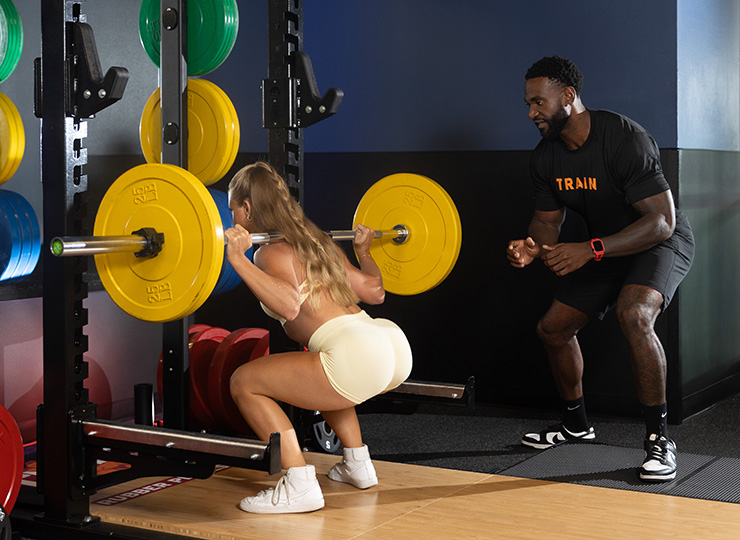
Now that you know how your glutes work, it’s time to make them stronger, rounder, and more powerful. At Crunch, we believe glute training should be smart, efficient, and fun because when you train right, every lift, stride, and squat gets better.
These movements are great for beginners and perfect for warming up before heavier lifts:
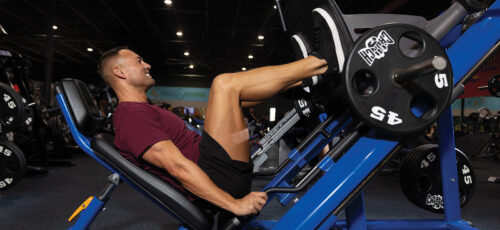
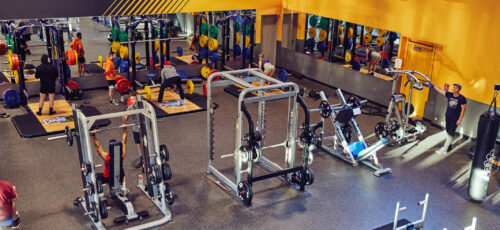
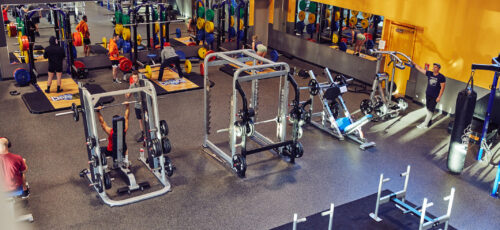
Crunch gyms have equipment like glute drive machines, cable kickbacks, leg presses, and Romanian deadlifts. These machines help you build strength safely with controlled resistance, which supports muscle growth and better posture.
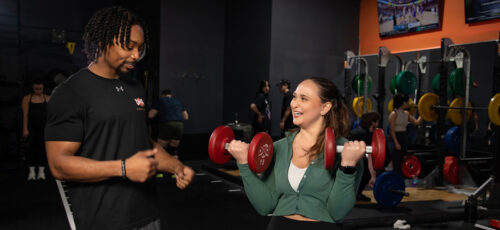
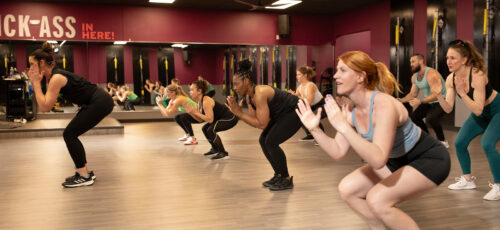
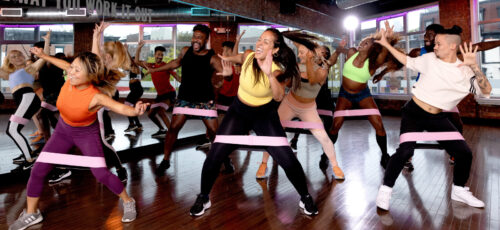
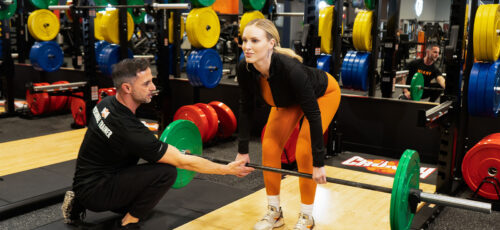
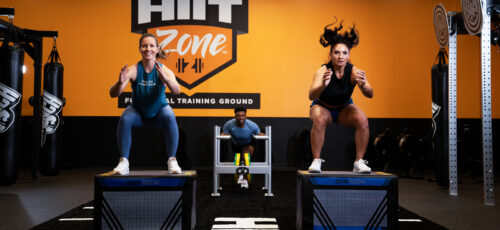
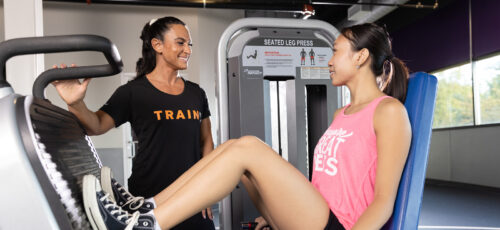
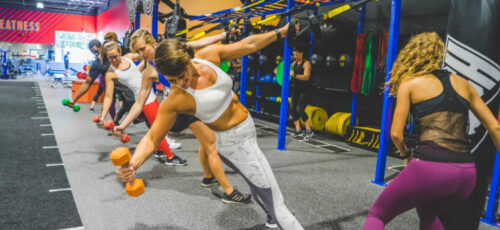
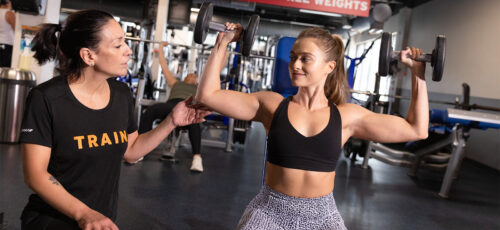
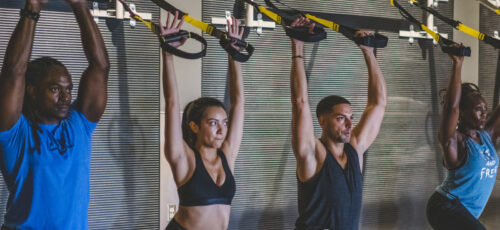
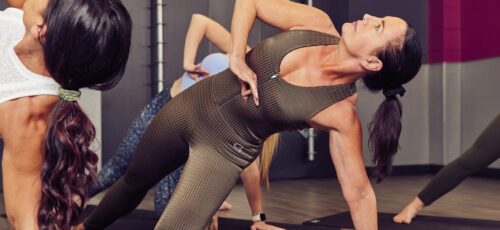
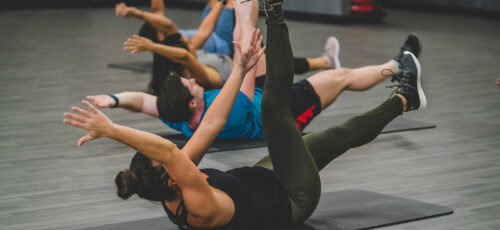
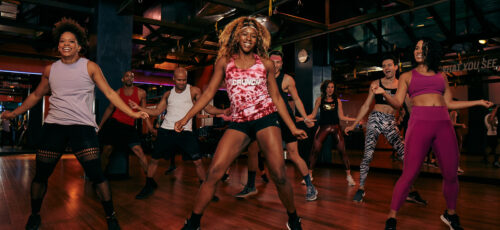
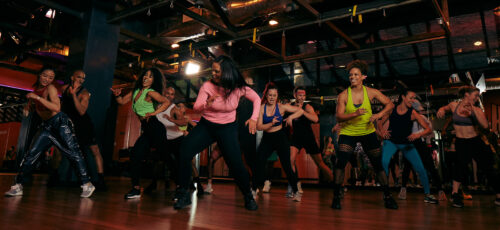
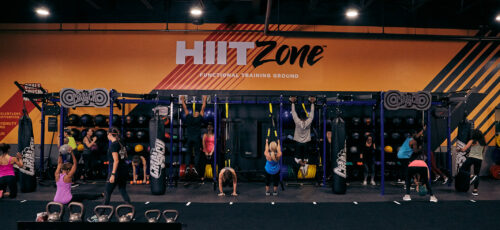
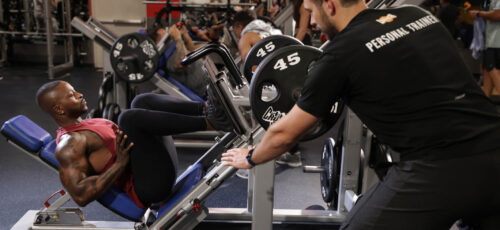
Try a Butt Camp, Band Camp, Body Sculpt, or HIITZone class to work your glutes with expert guidance and group support. For even better results, work with a Crunch personal trainer who can help with your form, create a custom plan, and help you reach your glute goals.
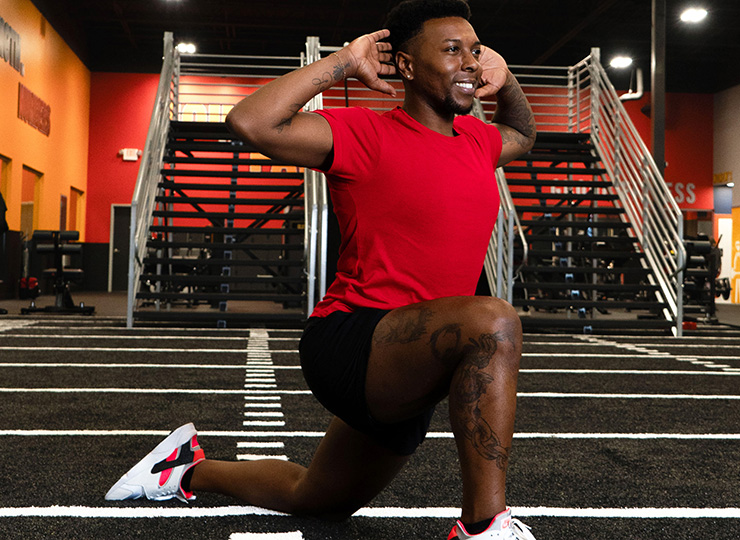
There isn’t a single answer for everyone, but most fitness experts suggest doing 10 to 20 sets of glute exercises each week. You can spread these sets over one to three workouts, depending on your experience.
For beginners, a sample weekly workout might include:
For intermediates, consider:
Finish with a high-rep move like frog pumps or fire hydrants to really work your muscles. The goal is to challenge your glutes, not wear them out, so they can recover and get stronger.
To make real progress, focus on progressive overload. This means slowly increasing the weight, resistance, reps, or sets over time. Each small change helps your glutes adapt, recover, and grow.
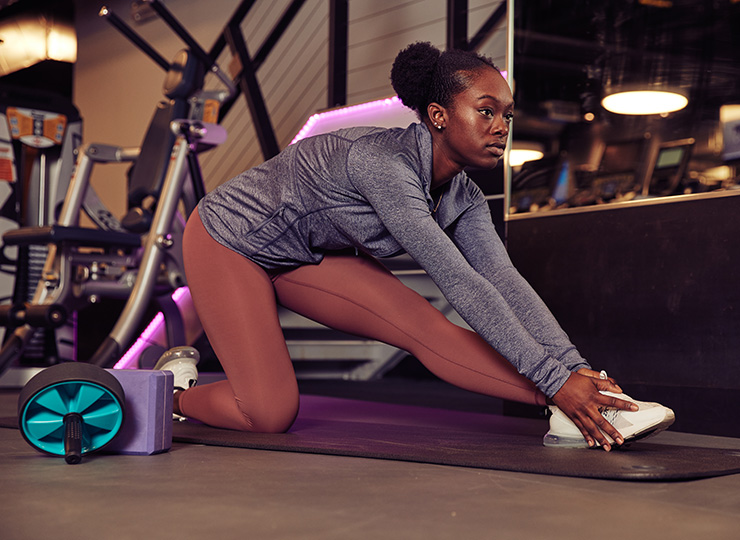
Most people should leave at least 48 hours between glute workouts to allow for proper recovery and muscle repair. If you have delayed onset muscle soreness (DOMS) and feel like you can’t sit down, it means your muscles need more rest.
Remember, recovery is just as important as training. Eat lean protein, healthy fats, and complex carbs to rebuild muscle and keep your energy up. With the right balance of consistency, good nutrition, and rest, your glutes will get stronger and more stable, ready for every lift and step.
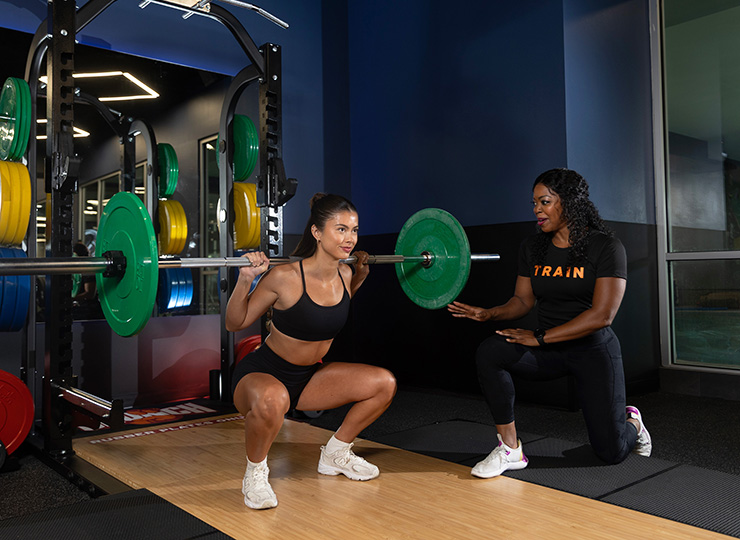
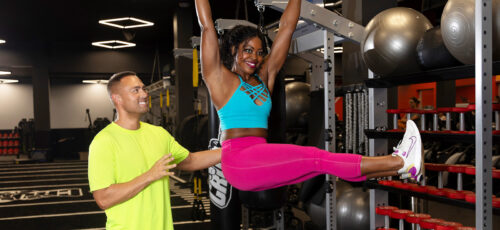
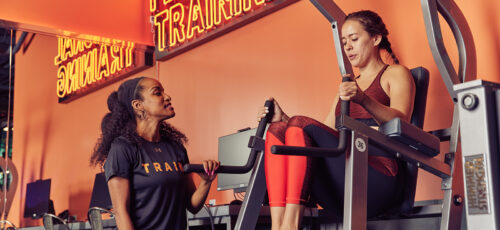
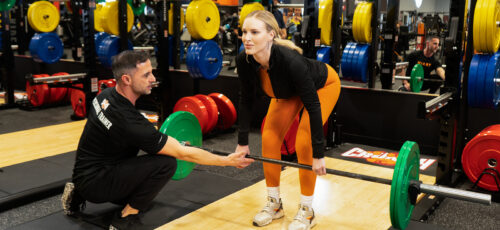
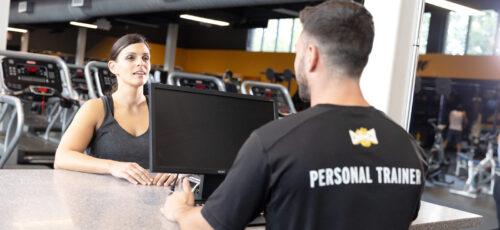
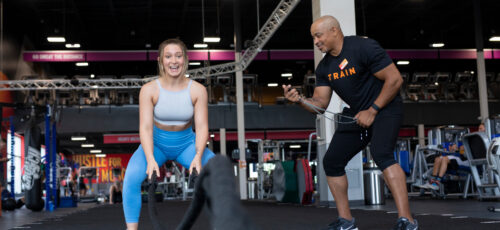
At Crunch, our personal trainers understand that strong glutes are important for better lifts, posture, and confidence. They are here to help you see results quickly.
Everyone’s glutes are different, so your trainer will create a plan that fits your goals, fitness level, and lifestyle. Whether you want to tone up, get stronger, or fix muscle imbalances, they will guide you through the best glute workouts for you.
Your trainer will also:
Crunch personal trainers do more than count reps. They are your partners in reaching your goals. They make sure your workouts challenge you, your recovery helps you grow, and your mindset stays positive.
Crunch promotes a culture of positivity, inclusivity, and fun with no judgments by providing an environment for all individuals regardless of their health and fitness goals. Find a Crunch gym near you to try our free trial membership, or join Crunch now. We’re here for you – at the gym or at home. Access the best live & on-demand workouts anytime, anywhere with Crunch+. Ready to get sweaty? Try hundreds of workouts for free! Start your free trial now!
Focus on glute activation and strength exercises like dumbbell frog press, single-leg hip thrust, and curtsy lunge. Start with bodyweight moves, then add resistance bands or weights for progressive overload.
Weak glutes can cause lower back pain, poor posture, knee discomfort, and balance issues. You may also notice instability during squats, lunges, or single-leg movements.
The 888 rule involves performing 8 reps of 8 different glute exercises for 8 rounds. It’s a high-volume burnout method to fully activate and strengthen all areas of your glutes.
The barbell hip thrust is often considered the best glute exercise. It targets the gluteus maximus through full hip extension, maximizing strength, size, and muscle activation.
You can start seeing visible improvements in 4–8 weeks with consistent training, proper form, and balanced nutrition that supports muscle growth and recovery.
It’s best to train glutes 2–3 times per week with at least 48 hours of rest between sessions. Daily training can lead to fatigue and slow recovery, reducing your overall progress.