









What Are The Best Knee Strength Exercises?
December 22, 2025
If your knees creak louder than your playlist when you squat, don’t panic. You’re not broken; you just need more strength and stability! Whether you’re powering through leg day, running, or just hoping to move without discomfort, strong knees keep you active and pain-free.
In this article, we’ll cover the best knee strength exercises, such as straight leg raises, hamstring curls, step-ups, and half squats. By the end, you’ll own a set of exercises that you can perform anywhere, promising enhanced muscle strength, better balance, and improved joint protection.
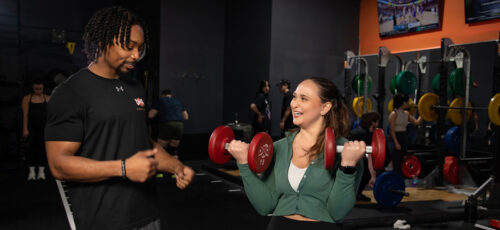
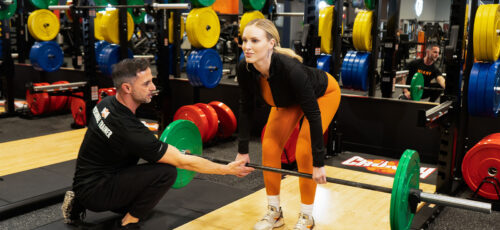
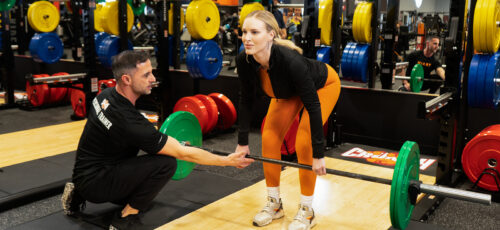
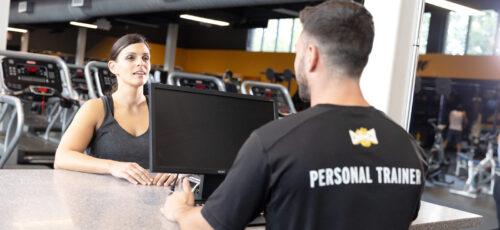
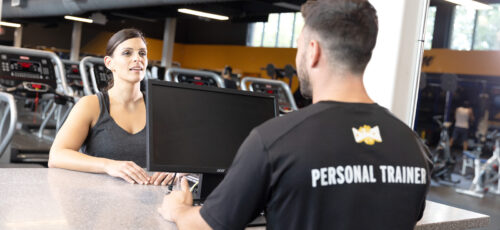
You can do these knee-strengthening exercises on your own, but a certified personal trainer can help by assessing your goals and mobility and creating a custom knee program for you.
Are you ready to move with more strength and safety? Let’s begin your journey to stronger knees.
Your knees will thank you, and Crunch’s trainers are here to support you every step of the way.
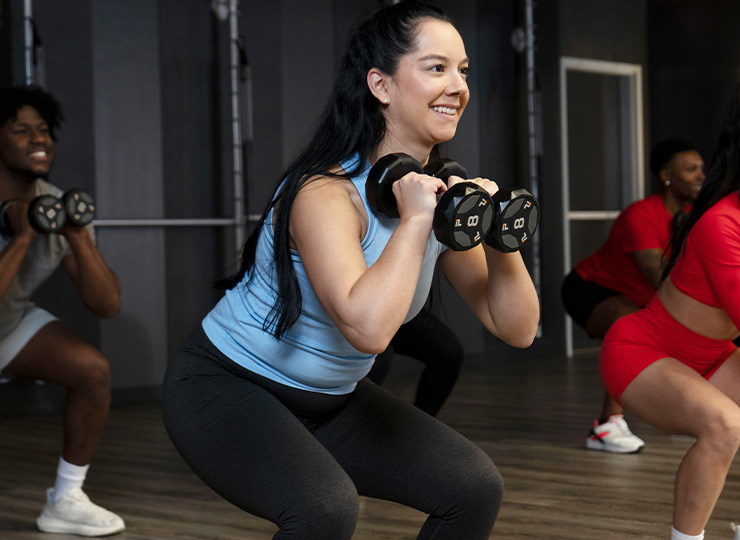
The exercises below will help you build strength and stability. Remember, training a specific area like the knees needs careful attention. Since the risk of injury can be higher, it’s always a good idea to talk to an expert.
To help determine your starting point, ask yourself, ‘Can I comfortably perform a 30-second single-leg stand?’ This quick self-test can guide you in selecting the right exercises for your individual needs.
Some people are working through existing knee pain, while others are simply looking to improve knee stability or power up for better performance.
The key is to be intentional, stay consistent, and get expert guidance first. Certified personal trainers can help you move safely and effectively.
They will assess your range of motion, balance, and strength to design a custom knee program that lowers your risk of injury and helps you see results faster.
Let’s look at some of the most effective exercises for strengthening your knees and building lasting support.
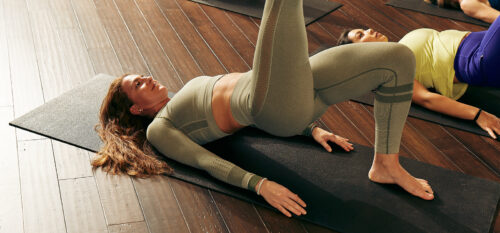
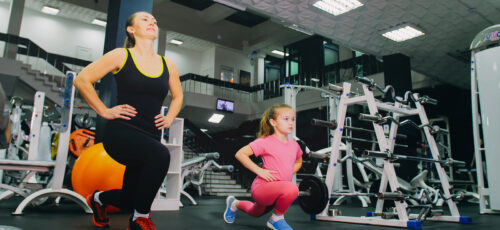
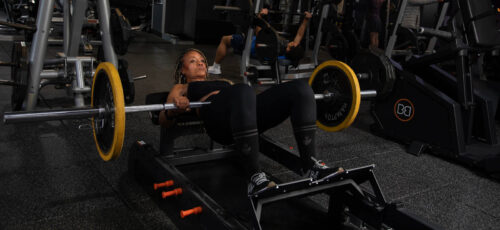
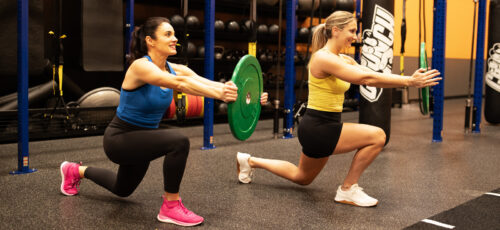
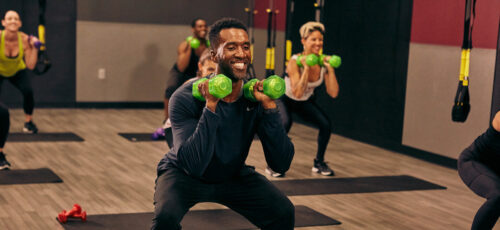
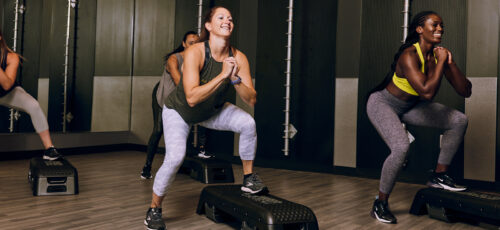
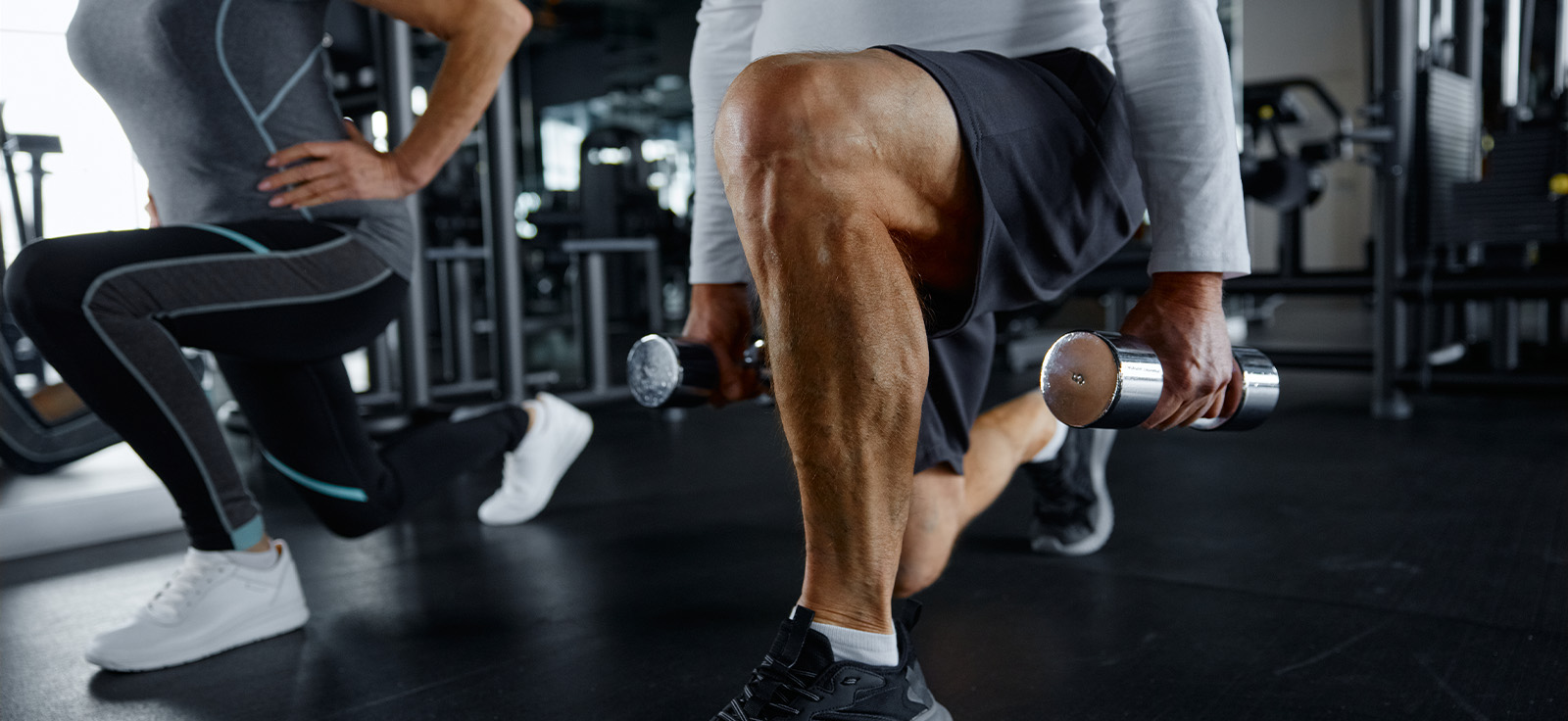
For bodyweight knee strengthening exercises, simple moves work best. Wall sits, step-ups, glute bridges, and mini-squats or sit-to-stands can really help your knee joint and thigh muscles.
Beginners should focus on slow, controlled movements. Remember: form comes first, depth comes later.
Pro tips:
You don’t need any equipment for these exercises, and you can do them anywhere; at home, in the gym, or outside.
Once you feel confident, make your exercises harder by increasing repetitions, holding positions longer, and then adding resistance bands. Ask yourself, ‘Was my last rep perfect and pain-free?’ before adding more weight.
This two-point check ensures that your progression remains both tangible and safe. Make sure you master the movements before using heavier weights to avoid injury.
Try these now: Top Bodyweight Exercises for Beginners with No Equipment
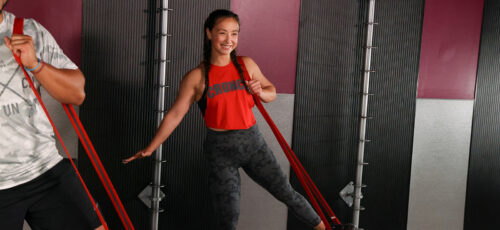
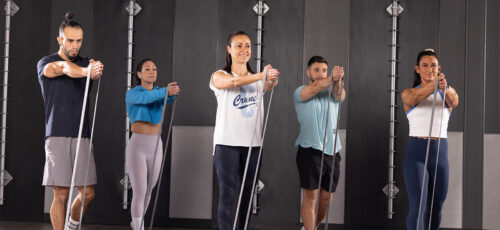
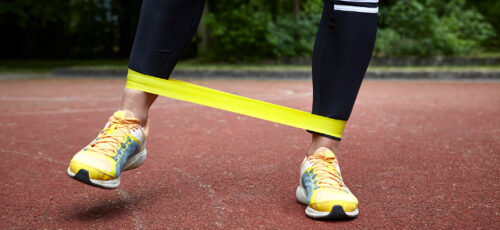
Resistance bands are great for building strong knees. They provide steady tension that strengthens stabilizing muscles without putting stress on your joints.
Try banded leg extensions, lateral band walks, or banded hamstring curls. Doing 10–15 reps per side for 2–3 rounds is a good way to start.
Bands are portable, versatile, and perfect for home or travel workouts. Crunch gyms have many types of resistance bands and offer expert instruction to help you get the most out of every exercise.
Start today: How do I Use Resistance Training for Weight Loss?
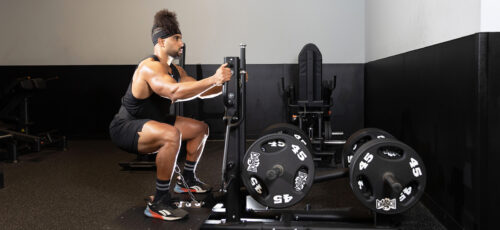
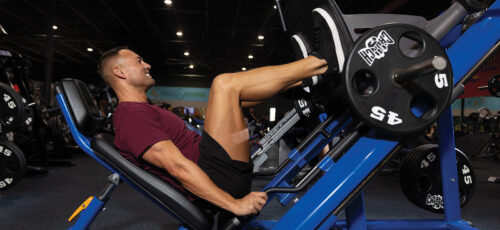
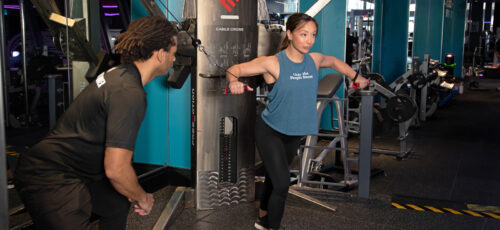
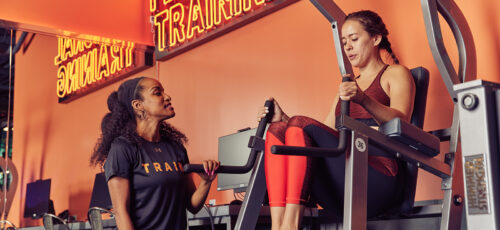
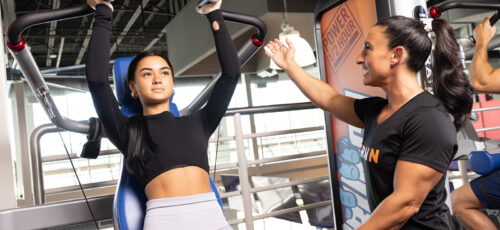
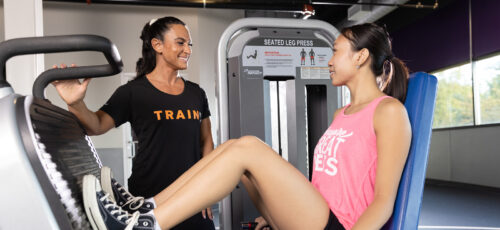
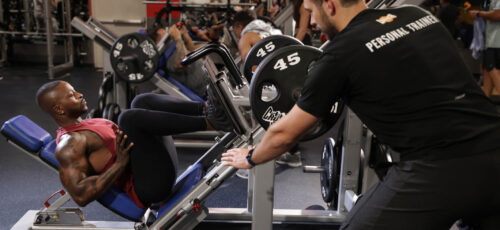
After you’ve built basic strength, you can move on to machine-based knee exercises. Machine -based moves like the leg press, leg extension, and seated or lying hamstring curl let you use controlled resistance safely. Aim for 8–12 reps, focusing on smooth movement and setup; sit tall, keep your back against the pad, and align your knees with the machine’s pivot point before pressing.
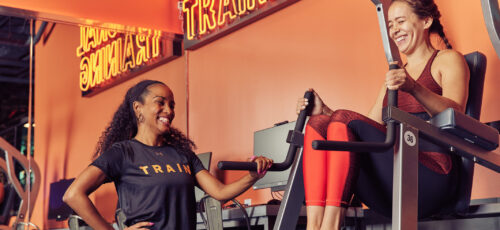
Not sure where to start? Crunch’s trainers can guide you through setup, posture, and progressions, helping you build power and stability without putting too much stress on your joints.
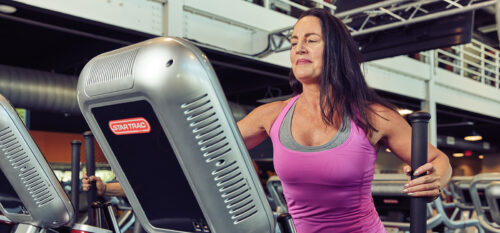
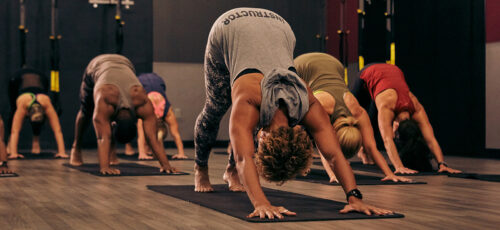
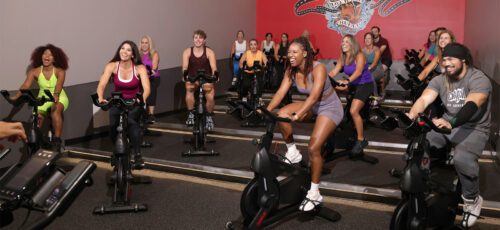
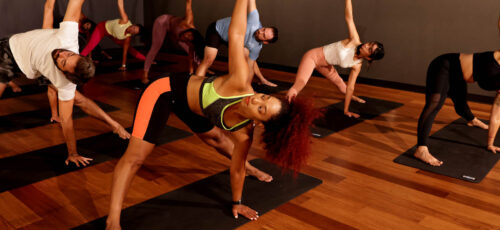
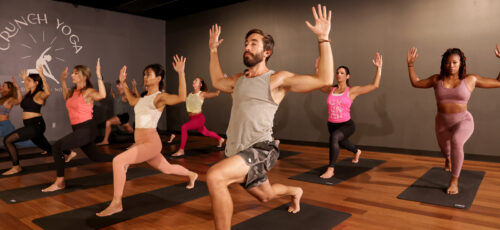
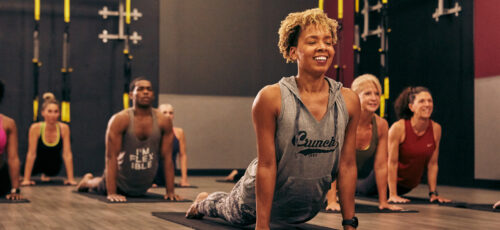
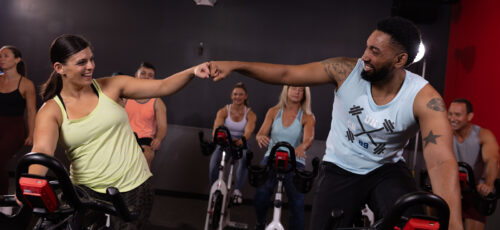
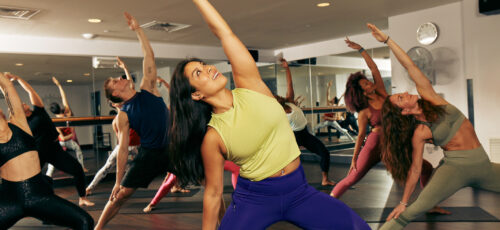
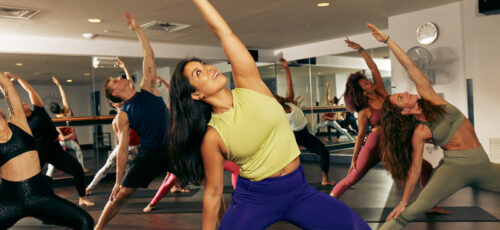
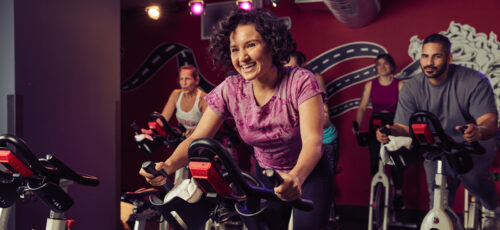
Looking for something easier on your joints? Low-impact exercises can still give great results. Activities like yoga, cycling, using the elliptical and walking are all excellent for building endurance and flexibility.
Think of them as joint-friendly off days that keep you active, providing an opportunity for active recovery while still engaging in meaningful aerobic work. Incorporating these exercises into your weekly routine ensures variety and helps maintain overall health and fitness.
They serve as vital recovery tools, balancing the intensity of higher-impact workouts and preventing neglect of ongoing conditioning.
These exercises improve blood flow, strengthen supporting muscles, and increase mobility, all without the heavy impact.
Want to move stronger and smarter? Crunch Fitness has expert trainers and supportive programs to help you strengthen your knees and keep your workouts pain-free.
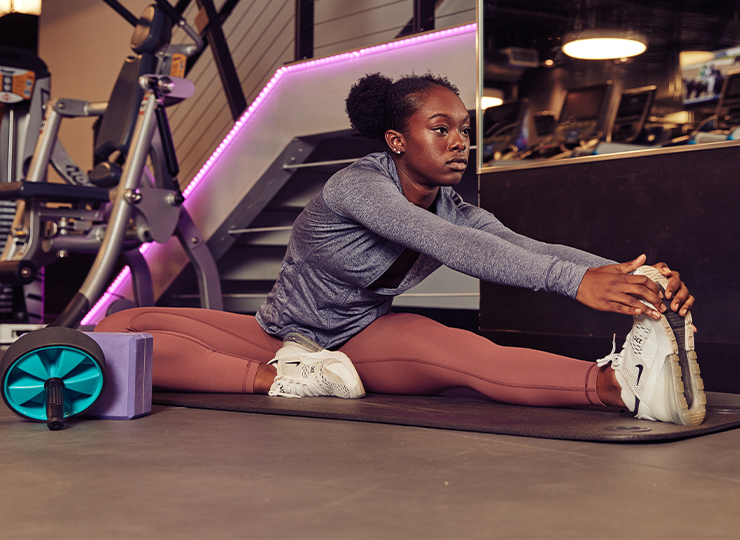
Your knees do more than just bend and straighten. They are the foundation for almost every movement your body makes. Acting as the traffic cop directing every stride and jump you take, they are key to how well you move, balance, and perform.
According to the American Academy of Orthopaedic Surgeons (AAOS), the knee is not only one of the largest joints in the human body, it’s also one of the most complex and heavily used.
It supports nearly all weight-bearing movements, absorbs impact with every step, and connects major muscle groups in the hips, thighs, and lower legs. Because the knee handles so much load and movement, it’s especially vulnerable to wear, imbalance, and injury.
As your knee strength improves, your posture gets better too. Strong knees help keep your legs straight and your hips aligned, which reduces stress on your lower back and supports better movement.
Studies from the National Institutes of Health (NIH) show that consistent knee strengthening exercises can lower the risk of injuries by improving joint stability and muscle coordination. Strong thigh muscles and hamstrings absorb impact better, protecting your ligaments and tendons from strain.
Stronger knees help you perform better in sports, letting you jump higher, squat deeper, and move longer without getting tired. They also improve flexibility and range of motion, making daily tasks like walking and lifting much easier.
Weak knees can make your hips and ankles work too hard, which can cause discomfort or problems in those areas. Strengthening your knees helps keep your lower body balanced, reduces extra strain, and improves how you move.
Whether you go to the gym often or just want to move without pain, keeping your knees strong helps you stay independent and confident. Strong, stable knees keep you active and ready for whatever comes next in your fitness journey.
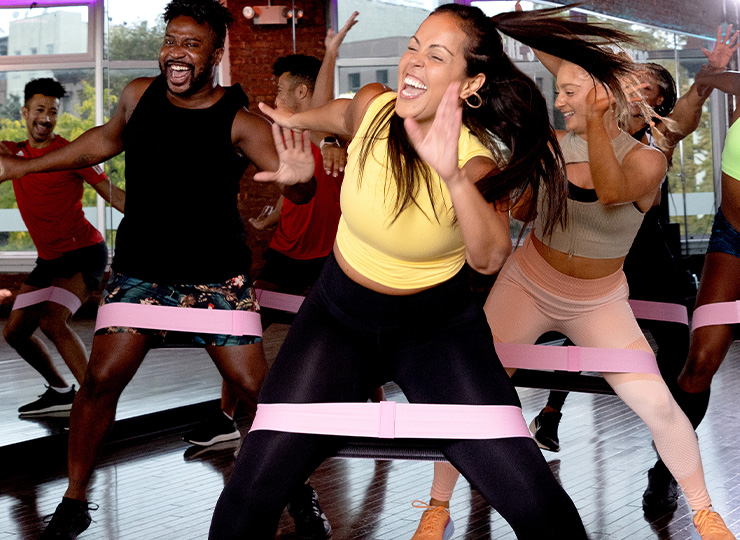
These tips will help you stay on track, make steady progress, and avoid injury as you work toward stronger knees:
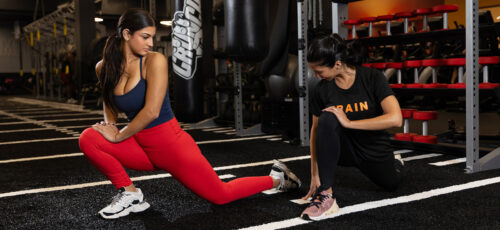
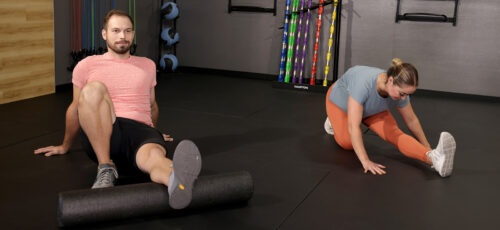
Stretching is also important for keeping your knees strong. It improves mobility, flexibility, and blood flow, which helps your muscles and joints recover faster and prevents stiffness and imbalance.
When the muscles around your knees, like your quads, hamstrings, calves, and hips, are flexible, your knees move more easily and handle stress better. This leads to fewer injuries, better posture, and smoother workouts.
These knee-friendly stretches are perfect for your cool-down routine or recovery days:
Do these stretches after every workout or during recovery sessions to keep your knees healthy, mobile, and strong, and to help your body move as it should.
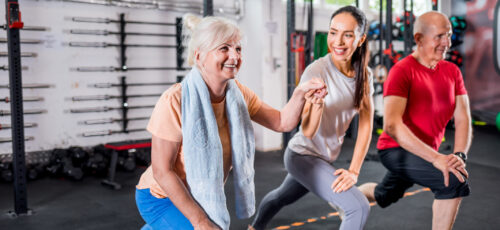
Athletes may focus on building explosive power and joint stability for better performance. Office workers benefit from exercises that improve mobility and posture to offset long hours of sitting. Older adults often need low-impact movements to improve balance and stay independent.
To provide more targeted guidance, here are some quick tips for each group:
If you’re recovering from injury or managing conditions like runner’s knee, IT Band Syndrome, Osteoarthritis, or Tendonitis, modifications are essential.
For example, after ACL surgery, controlled leg raises or mini-squats may be safer than heavy resistance work. Those with knee inflammation should focus on low-impact exercises like cycling, pool workouts, or resistance band movements that strengthen without strain.
Every knee is different, so the best approach is a personalized one. Crunch’s certified personal trainers can help you find safe modifications, avoid risky movements, and adjust your program for your body, sport, or recovery needs. With expert help, you can keep making progress toward stronger, more stable knees while staying safe and confident in every workout.
Yes, knee exercises are good for everyone, whether you’re an athlete, an office worker, or just want to move more easily.
In fact, did you know that knee pain affects nearly one in four adults annually? This statistic highlights the importance of knee exercises for all. The main difference is in the type and intensity of the exercises you do.
Sitting too much can weaken the muscles around your knees, like your quadriceps, hamstrings, and calves. This can cause poor stability and discomfort. Targeted strengthening helps fix these problems by improving balance, mobility, and endurance.
For athletes, knee training enhances performance and reduces injury risk during high-impact movements.
Older adults benefit from gentle, low-impact routines that preserve joint function and support daily activities.
Even if you don’t have knee pain, you can still benefit in the long run. Strengthening your knees helps keep your joints aligned, reduces wear and tear, and keeps you active for longer.

Everyone is different, but most people notice better knee stability and less pain within 2–4 weeks of regular training. Bigger improvements in strength, power, and endurance usually show up after 6–8 weeks, according to research from the National Institutes of Health.
Things like age, starting strength, injury history, and how often you train all affect your progress. If you’re recovering from an injury, you may need to go slower, while people who exercise regularly often see results faster.
Remember, building long-term strength takes time. Your knees get stronger with steady, focused effort.
Crunch’s expert trainers can help you make a plan that fits your goals and keeps you motivated. They will track your progress, adjust resistance and reps, and make sure your technique stays safe as your knee strength improves.
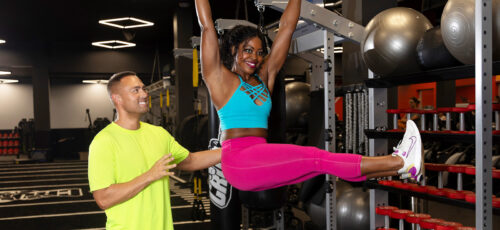
At Crunch Fitness, you’ll find everything you need to build stronger, more resilient knees. Trainers start by assessing your mobility, balance, and any imbalances, then design a personalized program that fits your goals. Instead of a one-size-fits-all routine, you get a plan that changes as your strength and confidence grow.
Professional guidance ensures proper form, safe progression, and optimal results. You’ll avoid the common mistakes that can cause strain or stall progress—like overloading weight or neglecting supporting muscle groups.
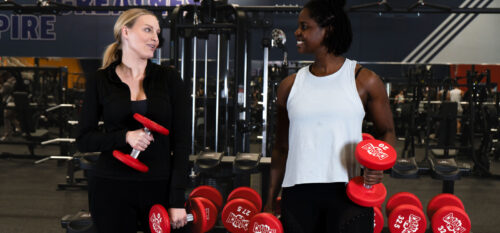
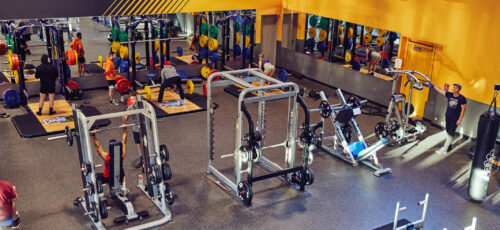
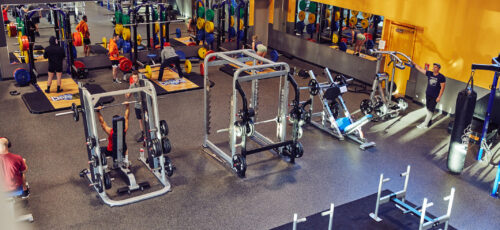
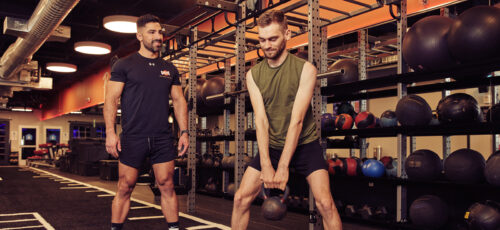
Crunch gyms are equipped with a full range of tools to support your journey: resistance bands, free weights, leg press machines, cable systems, and functional training zones for dynamic knee work.
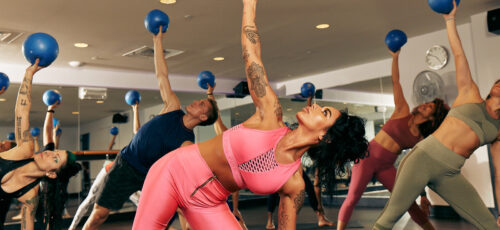
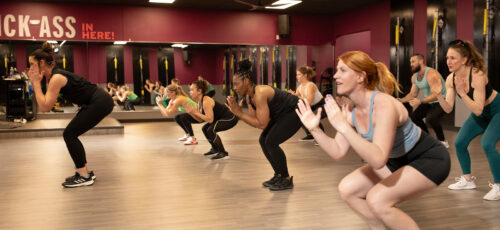
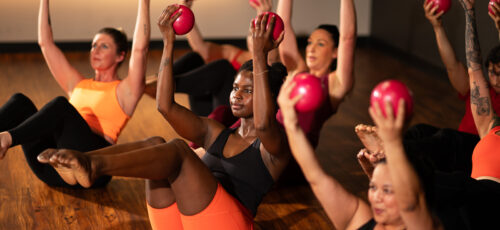
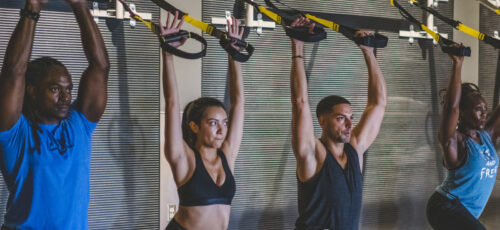
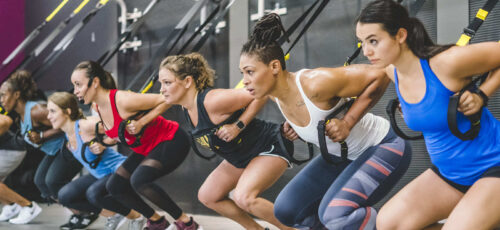
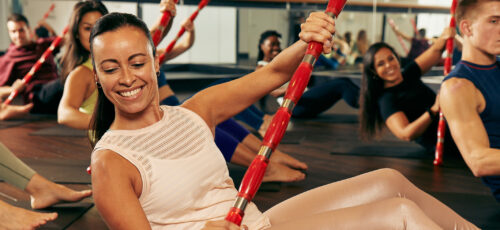
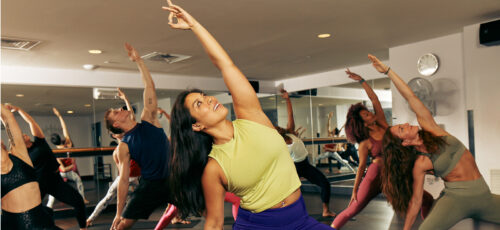
Want a social boost? Join a group fitness class—many include knee-friendly moves that improve stability, coordination, and endurance. The supportive Crunch community helps you stay consistent, and there are special areas for mobility drills and stretching with safety features.
At Crunch, you’re building a strong foundation for lifelong movement, confidence, and performance.
Crunch promotes a culture of positivity, inclusivity, and fun with no judgments by providing an environment for all individuals regardless of their health and fitness goals. Find a Crunch gym near you to try our free trial membership, or join Crunch now. We’re here for you – at the gym or at home. Access the best live & on-demand workouts anytime, anywhere with Crunch+. Ready to get sweaty? Try hundreds of workouts for free! Start your free trial now!
Most people benefit from doing knee strengthening exercises 2–3 times per week. This frequency allows your muscles to recover while building strength and stability around the knee joint. Beginners can start with shorter sessions, then gradually increase duration or intensity as strength improves.
Yes, but with care. Focus on gentle movements like straight leg raises, step-ups, and hamstring curls, and avoid deep squats or high-impact jumps. For personalized guidance, consult a Crunch Fitness personal trainer or your healthcare professional.
A little mild soreness, especially if you’re new to training, is normal and shows your muscles are adapting. However, sharp or persistent pain around the knees, hips, or ankles isn’t. In that case, rest and re-evaluate your form or intensity.
Absolutely! Strong knees enhance stability, balance, and power, which can make your stride smoother and reduce the risk of runner’s knee or overuse injuries.
The quadriceps, especially the vastus medialis (inner thigh muscle), play a key role in supporting and aligning the knee joint. However, balanced strength across the hamstrings, glutes, and calves is equally important for full stability and injury prevention.
Yes! Walking is one of the simplest and most effective low-impact exercises for improving knee strength. It keeps the joints lubricated, strengthens supporting muscles, and promotes circulation for recovery.