









What Are the Best Quad Strength Exercises Using Compound Movements?
March 2, 2026
Looking to build stronger legs, boost your performance, and feel more confident at the gym? If so, you’re in the right place.
Quad strength exercises focus on building the powerful muscles on the front of your thighs, muscles that support everyday movement, athletic performance, and full-body strength.
At Crunch Fitness, we know the best quad workouts don’t need to be complicated or intimidating. Compound movements are key. These exercises work several muscle groups at once, helping you build strength, balance, coordination, and control more efficiently.
This article covers the best compound quad exercises for the gym, plus easy no-equipment options you can do anywhere. You’ll also find out why quad training matters and how to add these moves to your weekly routine, whether you’re just starting out or want to take leg day up a notch.
Let’s get started and put your quads to work.
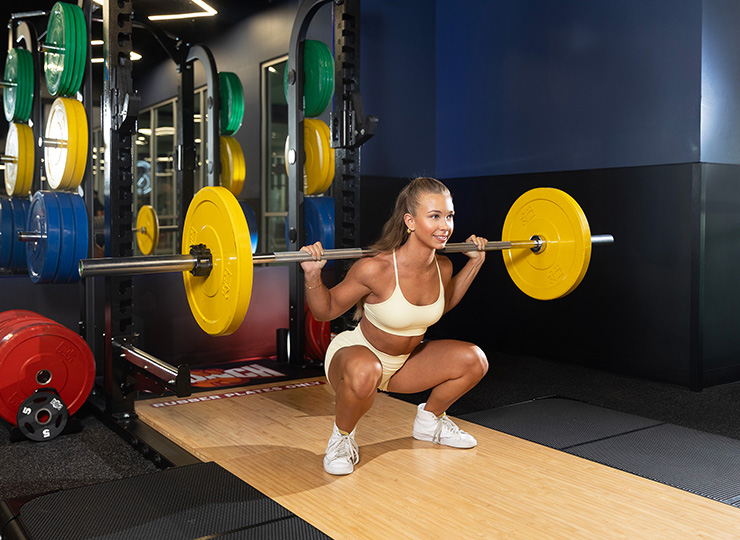
Compound movements are the key to real progress with quad strength exercises. They work several muscles at once, especially the quadriceps, and also help improve balance, coordination, and overall strength.
Here are the top compound quad exercises you’ll find and use at Crunch Fitness.
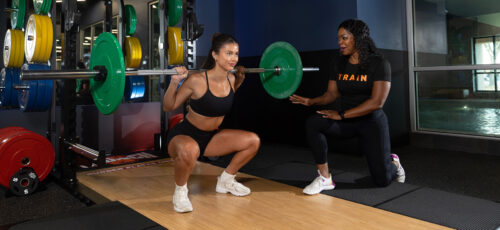
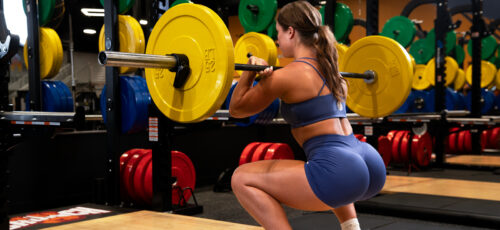
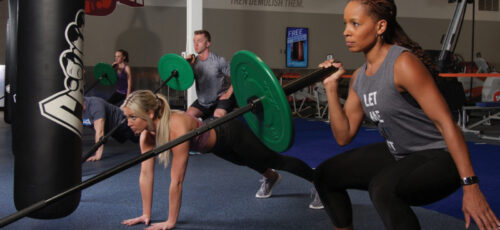
Using a barbell or kettlebells, the front squat is still one of the best exercises for building quadriceps strength and balance.
How to do it:
Why it works:
Bending your knees more deeply works your quads harder while putting less stress on your spine.
Gym-floor example:
This is a great choice for anyone who wants strong legs but isn’t comfortable with heavy back squats.
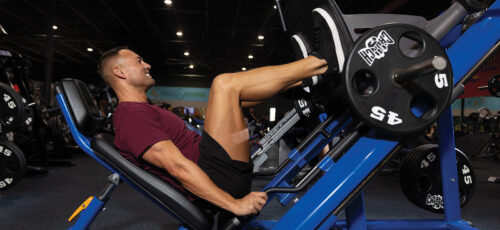
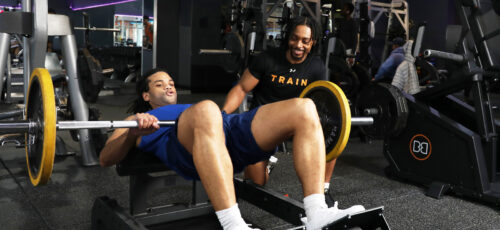
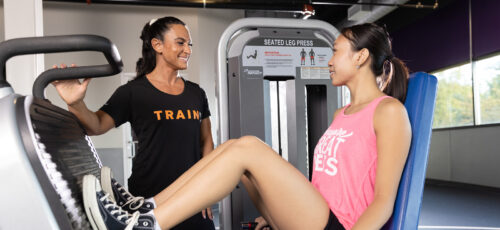
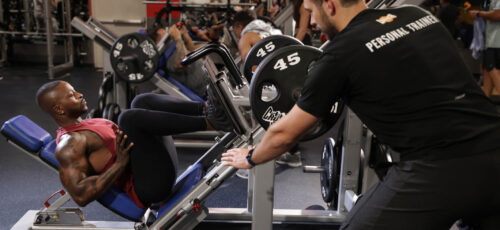
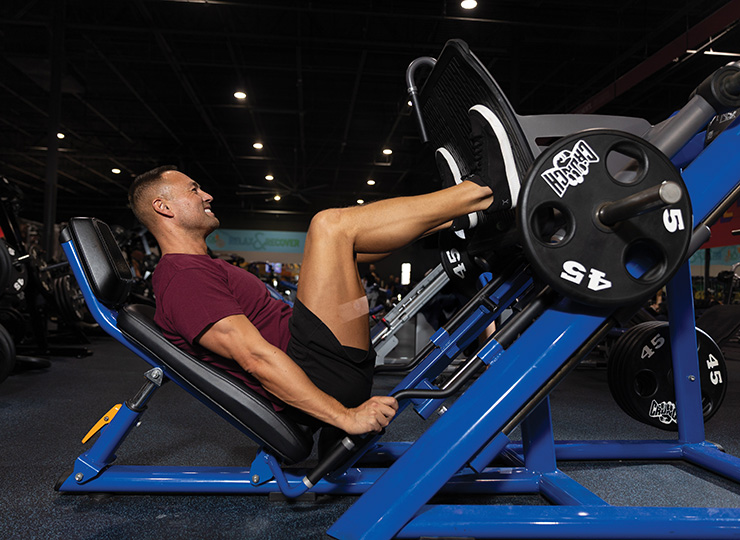
The leg press machine lets you work your quads safely while your upper body stays supported. It’s a popular choice for building muscle and controlled strength training.
How to do it:
Why it works:
You can focus on your quadriceps without having to worry about balance or grip strength.
Gym-floor example:
People often use the leg press after squats to fully work the muscle group.
Read more: What Are the Best Hamstring Strength Exercises for a Stronger Lower Body?
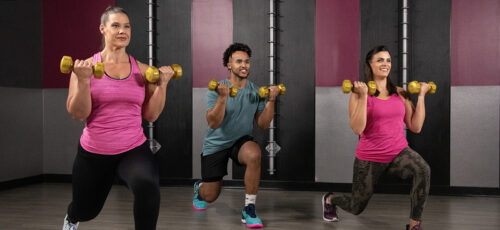
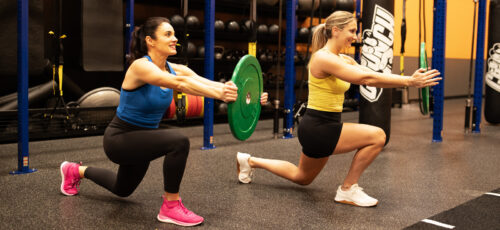
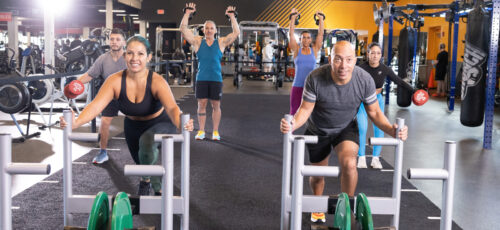
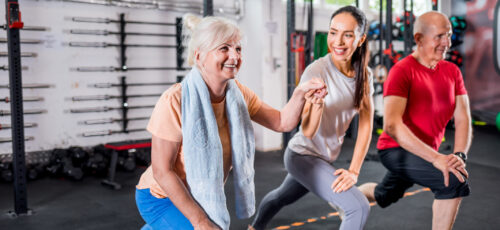
Walking lunges work each leg on its own, helping correct strength imbalances and challenging your balance and coordination.
How to do it:
Why it works:
Training one leg at a time increases muscle activation and improves athletic performance.
Gym-floor example:
Walking lunges are often added to supersets or used as a finisher at the end of leg workouts.
The Bulgarian split squat is one of the toughest quad exercises. With your back foot raised, your front leg does most of the work, especially the vastus medialis and lateralis.
How to do it:
Why it works:
This move builds strength, balance, and muscle size at the same time.
Gym-floor example:
Many people use this as their main lift on days focused on single-leg training.
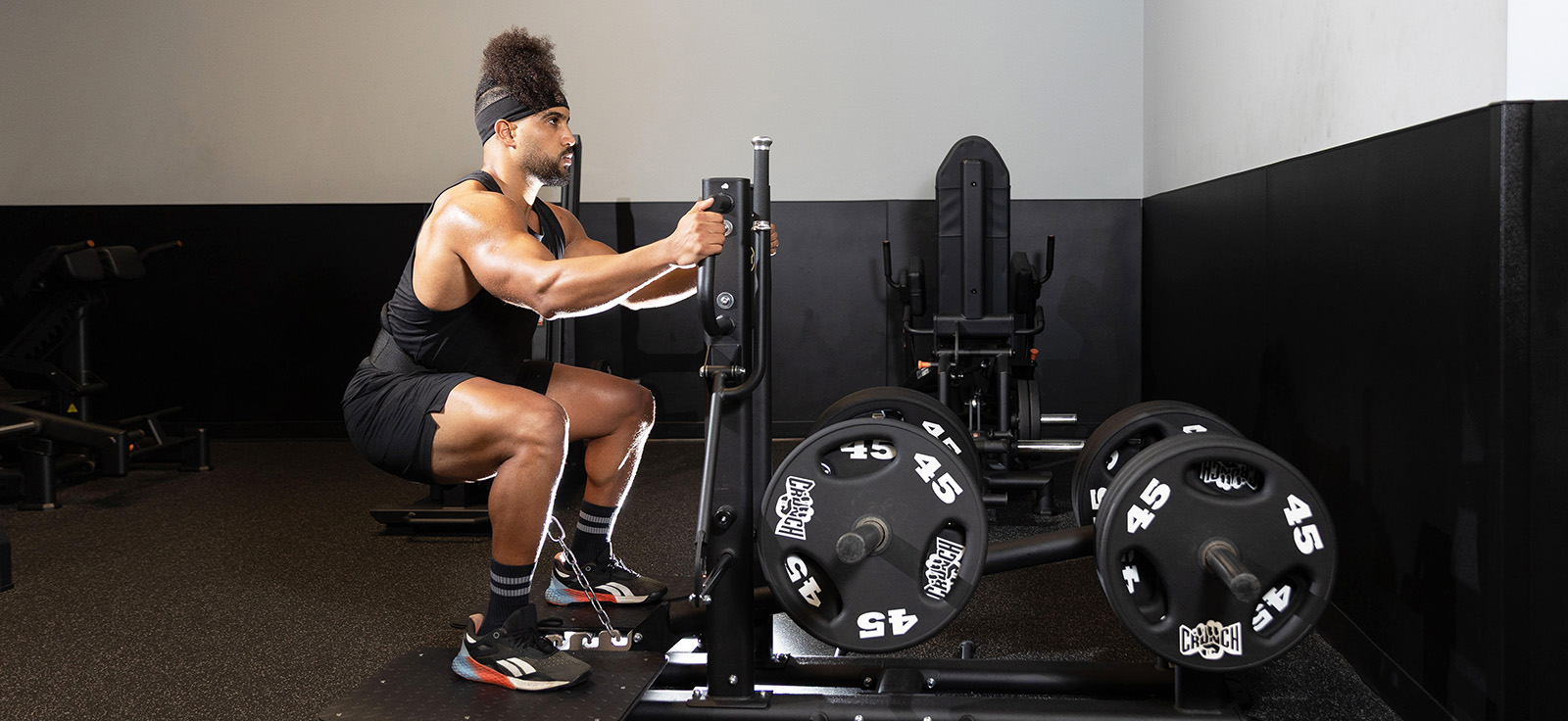
Hack squats help guide your movement, letting you bend your knees deeply while your torso stays supported. This makes them great for building quad strength.
How to do it:
Why it works:
Letting your knees move forward increases the work for your quads without adding balance challenges.
Gym-floor example:
Hack squats are often done after free-weight squats to fully work the quadriceps.
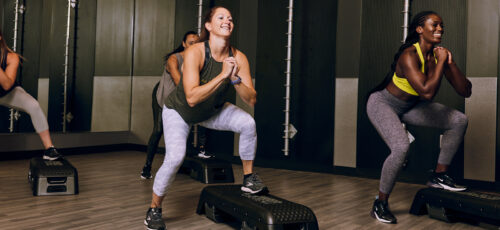
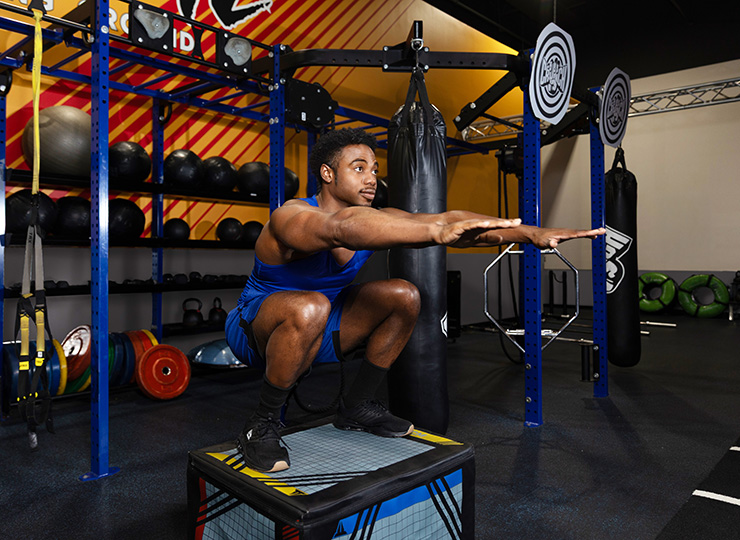
Step-ups are simple, effective, and practical. They work your quadriceps, glutes, and core, and also help with balance and coordination.
How to do it:
Why it works:
Step-ups mimic real-life movements and help keep your knees stable.
Gym-floor example:
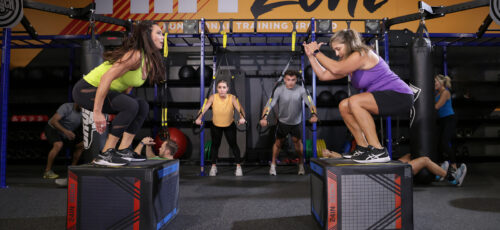
Step-ups work well as a warm-up, a finisher, or as part of a circuit workout.
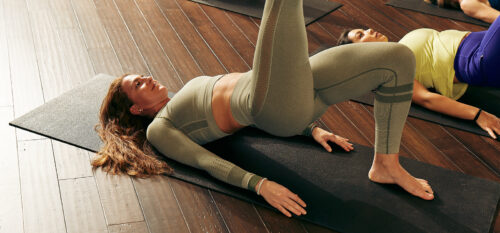
No equipment? That’s okay. Building real leg strength without weights is tougher, but bodyweight quad exercises are helpful when you can’t use a squat rack, are traveling, or need a quick workout at home.
They help keep your muscles active, support balance, and build endurance, but they do have their limits.
Bodyweight squat variations:
Bodyweight lunge variations:
These exercises keep your quadriceps working, but without extra resistance, it’s hard to build lasting muscle or strength.
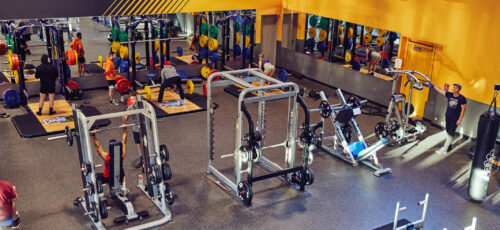
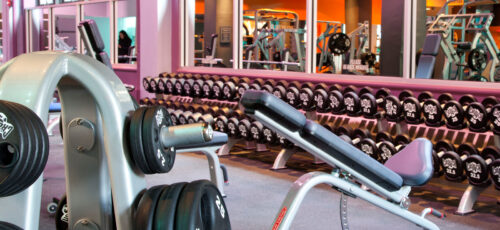
Progressive overload is important, and that’s where Crunch Fitness stands out. With squat racks, barbells, leg press and hack squat machines, and plenty of free weights, Crunch has everything you need to challenge your quads, train safely, and see real results.
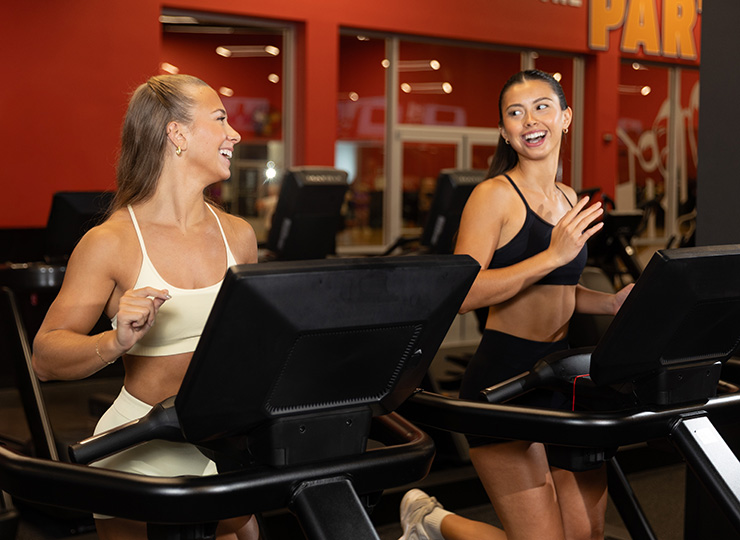
Compound movements are exercises that use more than one joint and multiple muscle groups at the same time.
Think of squats, lunges, and step-ups; not small moves, but full-body actions. Compound movements are especially effective for quad strength because they work your quads the way your body moves in daily life.
This matters because your quads, made up of the rectus femoris, vastus lateralis, vastus medialis, and vastus intermedius, are responsible for straightening your knee and helping control it as you move.
During squats and lunges, your quads work with your glutes, core, and hip flexors as your knees bend and straighten. This teamwork builds strength, coordination, and stability together.
Health organizations consistently highlight compound lower-body movements as essential for improving leg strength, joint health, and long-term mobility.
Why compound movements outperform isolation exercises (like leg extensions):
For example, a Crunch member who does front squats followed by walking lunges isn’t just working their quads—they’re also improving balance, building muscle strength, and supporting healthy knee movement. This approach leads to better performance, faster progress, and stronger legs than just using a seated leg extension.
That’s why compound quad training is so effective and why it’s included in almost every good leg day program.
Discover more: What Exercises Should I Do to Lose Leg Fat?
Training your quadriceps with strength exercises builds a lower body that’s strong and efficient. Your quads work whenever you run, stand up, walk, squat, or climb stairs. Building quad strength supports both athletic performance and daily movement, making everyday tasks feel easier and more controlled.
Research backs this up. Multiple studies show that stronger quadriceps are linked to improvements in running speed, acceleration, and vertical jump performance, key markers of lower-body power and athletic ability.
Quad exercises are important in sports that use repeated leg movements, like running, cycling, and strength training. Strong quads help your body handle repeated effort better, reduce fatigue, and improve performance over time.
Benefits for performance include:
Research shows that strong quads help you move more efficiently and perform better in sports.
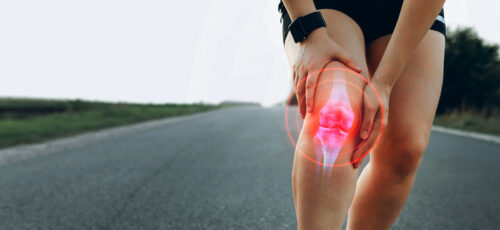
One of the biggest benefits of quad training is protecting your joints, especially your knees. Studies in journals like Osteoarthritis and Cartilage and Archives of Physical Medicine and Rehabilitation show a strong link between quad strength and less knee pain.
Strong quadriceps help keep your knee stable as it bends and straightens, reducing stress on the patellar tendon and meniscus. This makes quad exercises important for both performance and injury prevention, especially as you get older or train more often.
When quads recover properly, they adapt faster, and leg day becomes something you look forward to, not fear.
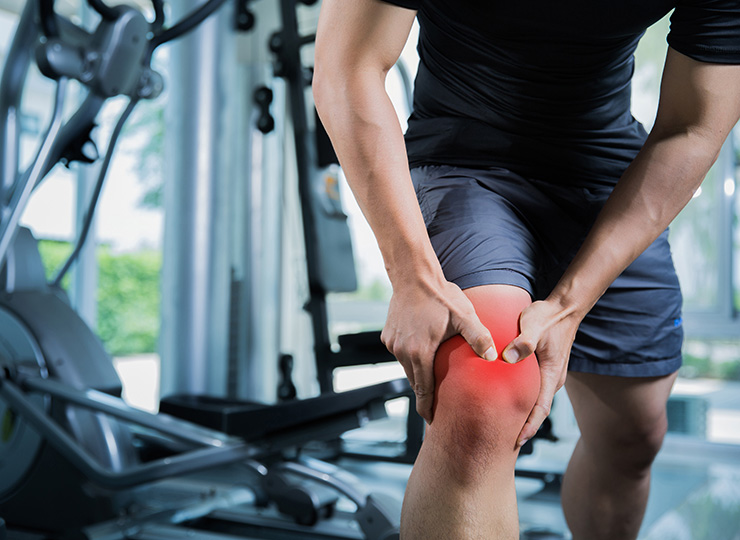
Quad compound exercises work really well, but only if you do them correctly. Avoiding some common mistakes will help you build strength safely, get better results, and protect your knees.
Train smart and move with control, and your quad strength exercises will pay off without setbacks.
Crunch promotes a culture of positivity, inclusivity, and fun with no judgments by providing an environment for all individuals, regardless of their health and fitness goals. Find a Crunch gym near you to try our free trial membership, or join Crunch now. We’re here for you – at the gym or at home. Access the best live & on-demand workouts anytime, anywhere with Crunch+. Ready to get sweaty? Try hundreds of workouts for free! Start your free trial now!
For most people, training quad strength exercises once or twice a week is enough. This gives your quads the challenge they need to grow and enough time to recover between workouts.
You’ll usually notice your quads getting stronger after three to six weeks of regular training. If you keep it up and let your muscles recover, you’ll see them grow soon after.
Squats help build quad strength, but you’ll get better results if you mix in other exercises too. Try lunges, leg presses, or split squats to target your quads in different ways.
Standing with your feet close together or about shoulder-width apart, and keeping your heels on the ground, helps your quads work harder. Letting your knees move forward safely also boosts quad activation.
It’s best to do quad workouts once or twice a week, depending on your routine and how well you recover. Working out more often without enough rest can slow your progress and put extra stress on your knees.
The quadriceps are made up of four muscles: rectus femoris, vastus lateralis, vastus medialis, and vastus intermedius. These muscles help straighten your knee and keep your lower body strong and stable.