









What is Functional Strength Training?
January 21, 2026
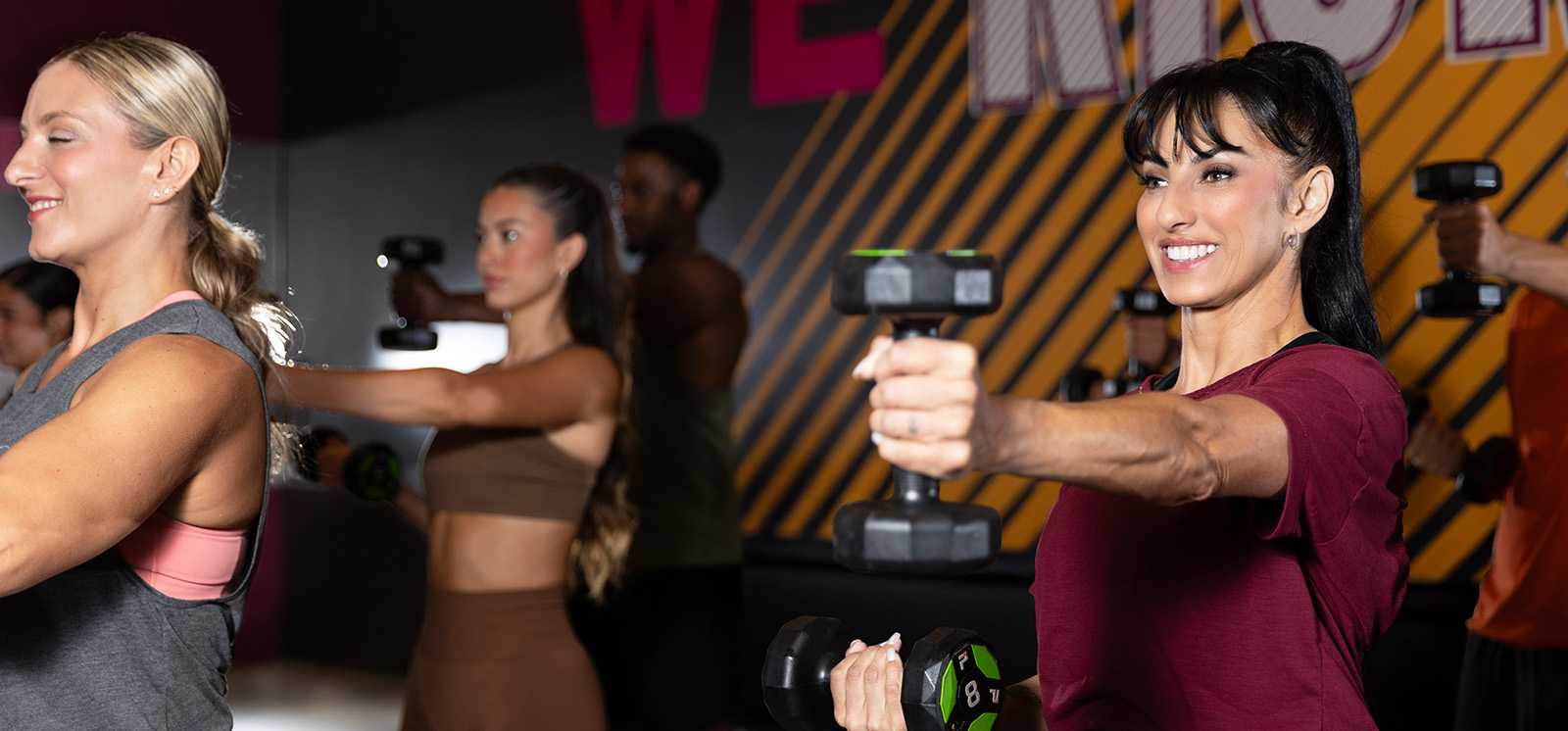
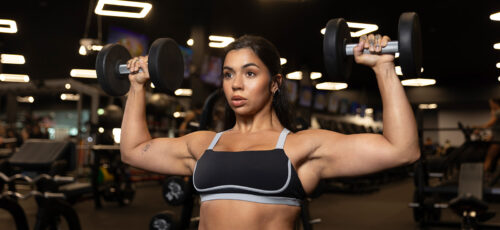
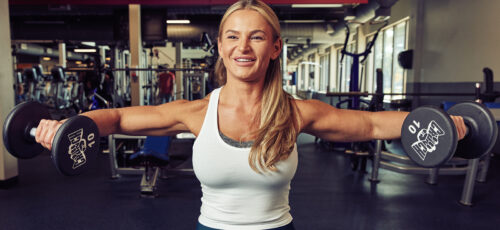
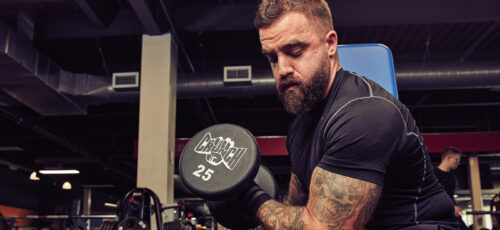
When most people think about strength training, they picture traditional strength exercises like bicep curls or shoulder presses, movements that target specific muscle groups to build muscle mass and definition.
While these exercises are effective, there’s another approach that’s quickly becoming a favorite in the fitness industry: Functional Strength Training.
So, what makes it different? Functional strength training focuses on preparing your body for everyday movements. Instead of isolating individual muscles, you focus on compound movements that engage multiple muscle groups simultaneously.
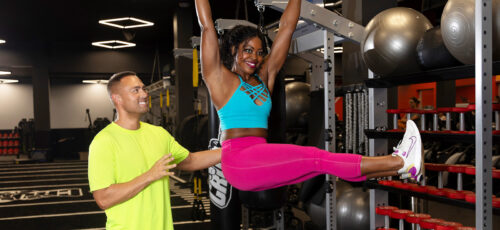
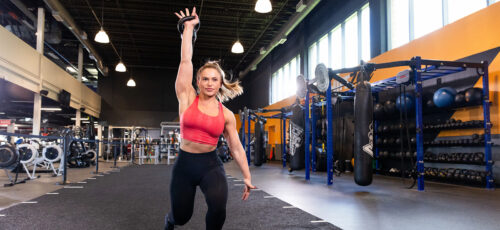
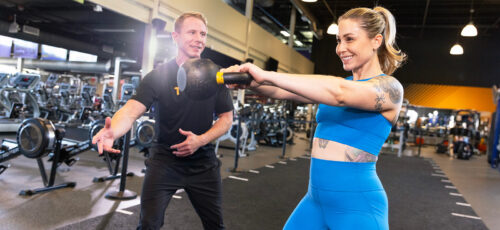
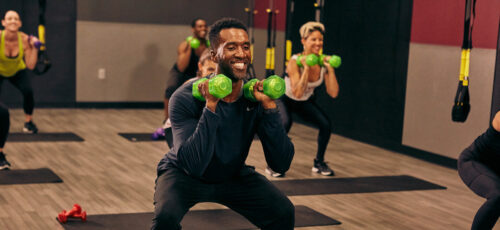
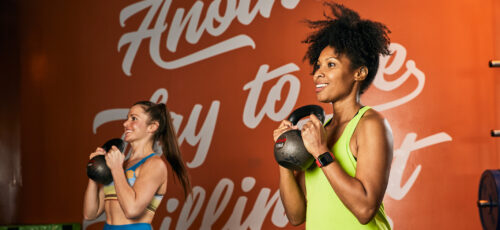
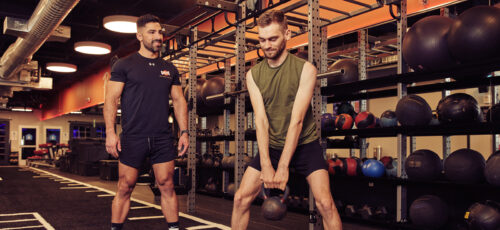
Consider squats, push-ups, or kettlebell swings; these functional exercises not only build strength but also enhance balance, coordination, and overall physical performance in daily life. In short, you’re not just working out to get stronger at the gym; you’re preparing your body to move better outside of it.
This type of training utilizes functional movement patterns that mimic real-life tasks, from lifting heavy groceries to playing with your kids. Along the way, it can also help address muscle imbalances, skeletal health issues, and even mental health concerns, as moving well positively impacts your day-to-day well-being.
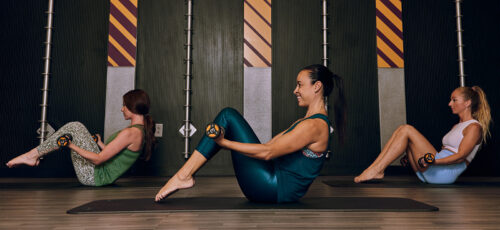
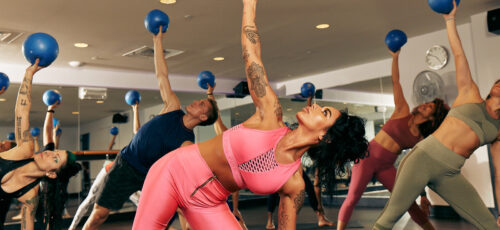
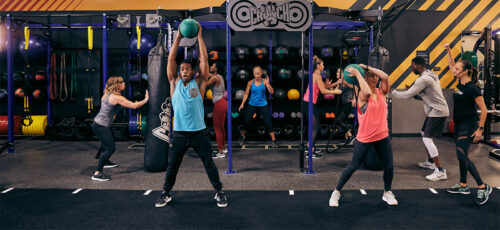
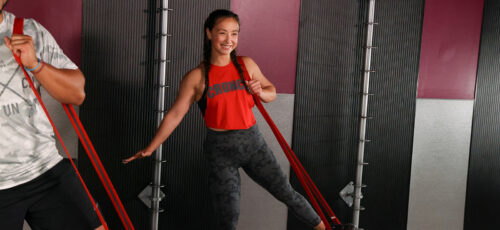
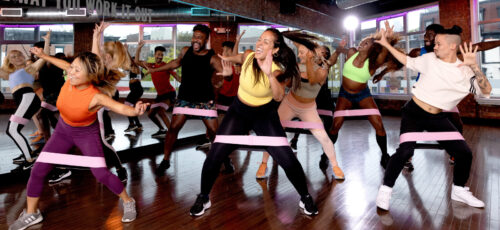
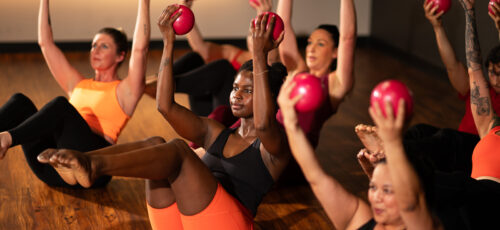
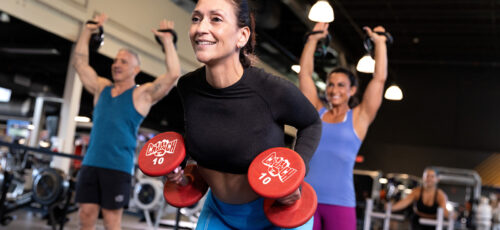
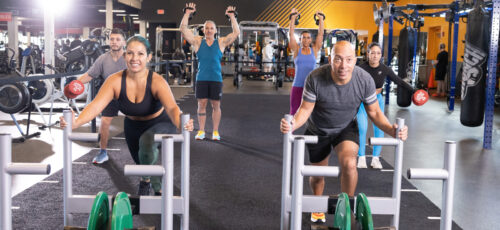
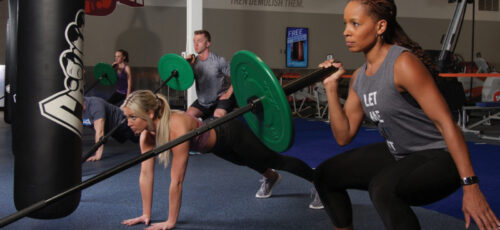
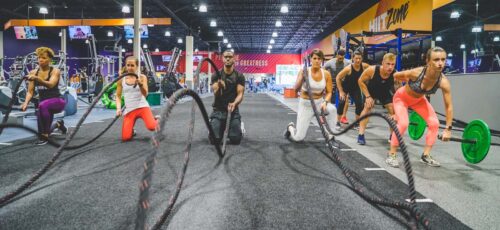
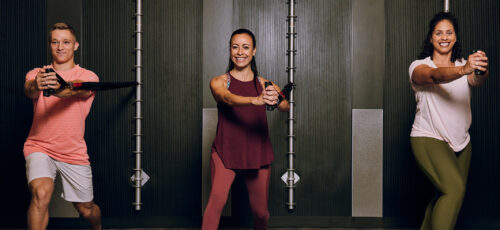
Whether you’re using free weights, medicine balls, resistance bands, or simply your own body weight, functional strength training is adaptable for all fitness levels.
In this article, we’ll cover the basics of functional strength training, compare it to traditional strength training, explore its top benefits, and share effective moves you can try today.
We’ll also show how Crunch makes it simple—and fun—to add functional training into your workout routine.
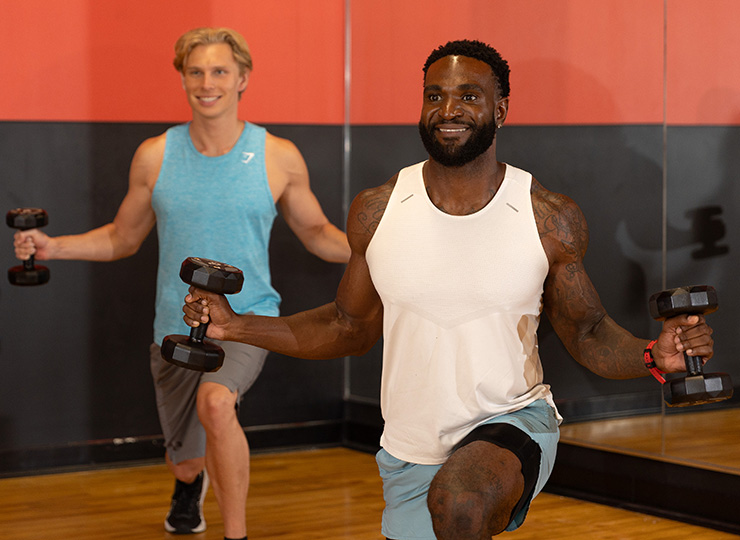
Functional strength training is all about teaching your body to move the way it was designed to. Instead of focusing solely on building muscle mass or targeting specific muscle groups, this style of training emphasizes functional movements that you rely on every day.
It’s less about looking good in the mirror (though that’s a nice bonus) and more about improving how you feel and perform in daily life.
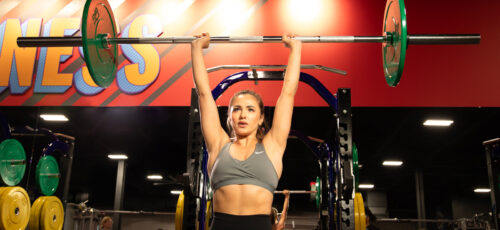
Think about the things you already do without noticing: bending down to pick something up, walking with your arms full of bags, or even climbing a few flights of stairs. These everyday movements engage multiple muscle groups simultaneously, and functional strength training helps you improve them through compound movements like squats, push-ups, and overhead presses.
The beauty of functional training is its versatility. Whether you choose bodyweight exercises, resistance bands, or free weights, you’re building functional strength that improves balance, stability, and coordination.
Over time, this type of training can help correct muscle imbalances, strengthen bone health, and support overall physical performance. It’s practical, adaptable, and a great way to keep your body ready for whatever life throws at you, both in and out of the gym.
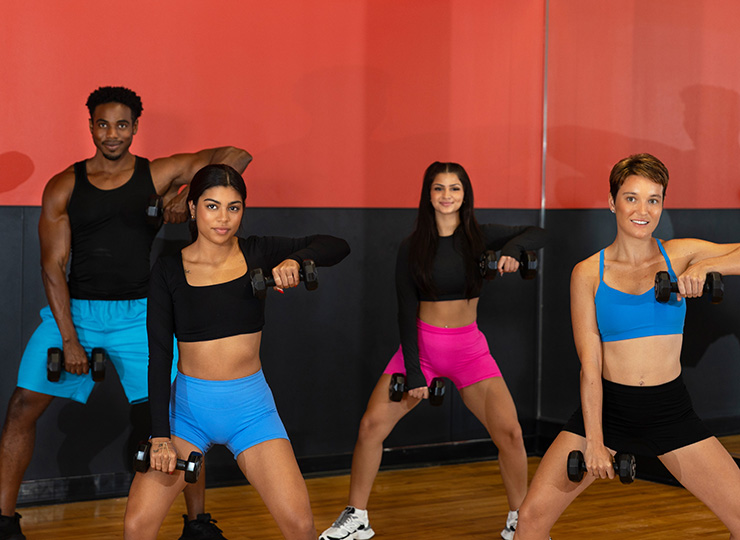
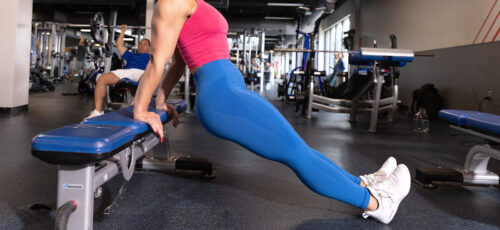
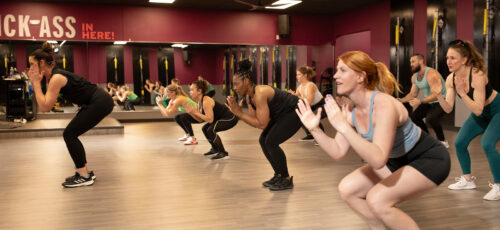
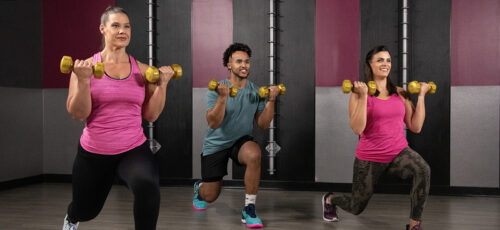
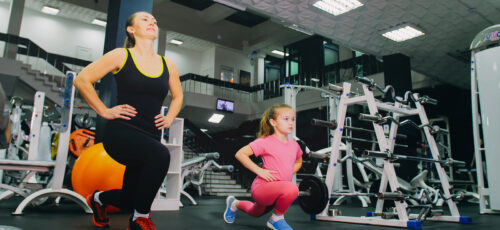
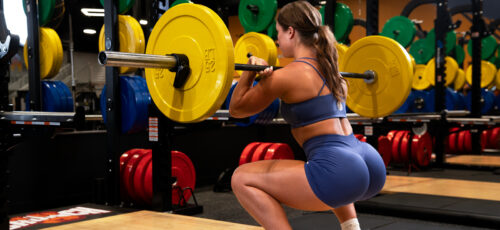
When people talk about functional strength training, they’re really talking about exercises that look and feel like movements you already do in real life. A bodyweight squat, for example, is basically the same as sitting down and standing back up.
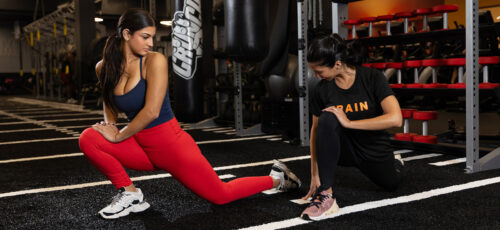
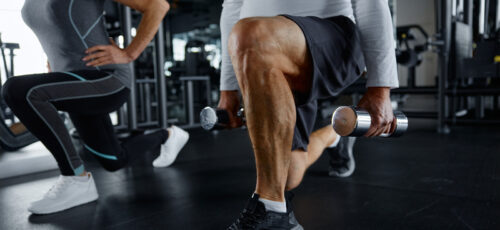
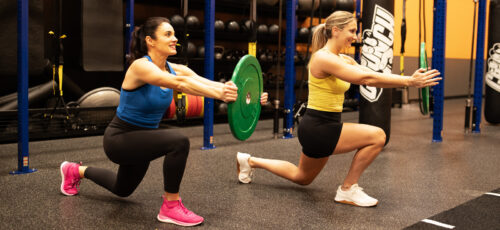
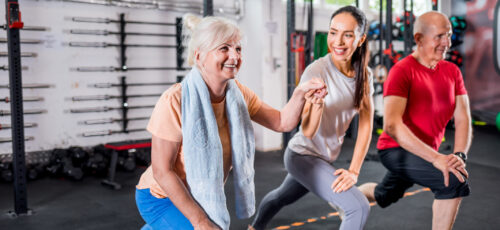
A walking lunge? That’s not too far from climbing stairs. These types of functional exercises engage multiple muscle groups simultaneously, helping you move more efficiently in and out of the gym.
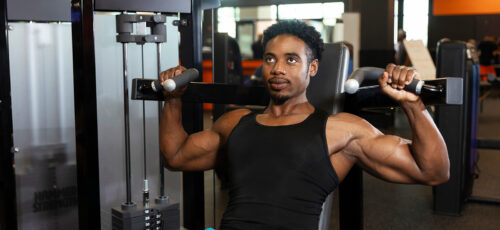
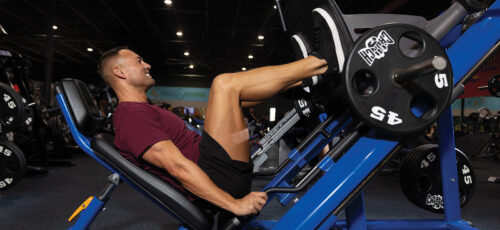
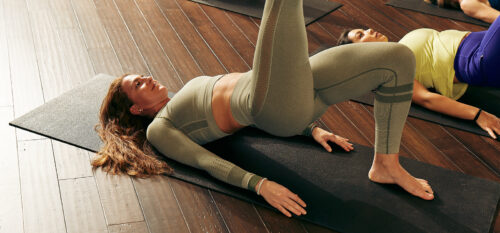
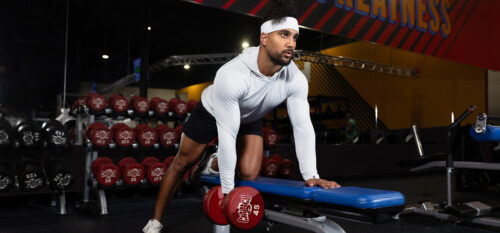
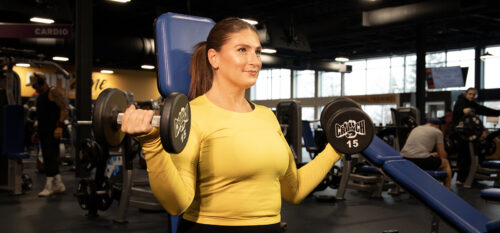
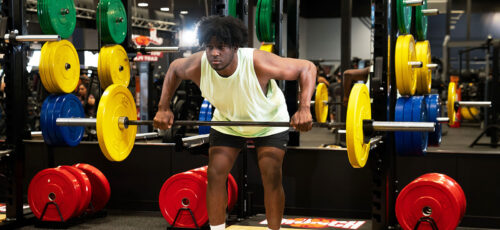
Traditional strength training, on the other hand, often focuses on targeting specific muscle groups. Think of moves like bicep curls, bent-over rows, or a glute bridge. These are great for building muscle mass, enhancing muscle definition, and targeting specific muscle groups for strength development. If your primary goal is to add size or increase muscle growth, traditional strength training plays a significant role.
So, which one should you do? Both have benefits, but when combined, they create a balanced workout routine that supports everything from lifting groceries with ease to improving performance in compound movements, such as push-ups or single-leg deadlifts.
Functional and traditional aren’t rivals. They’re teammates. Mix them together, and you’ll not only look stronger, you’ll move stronger, too.
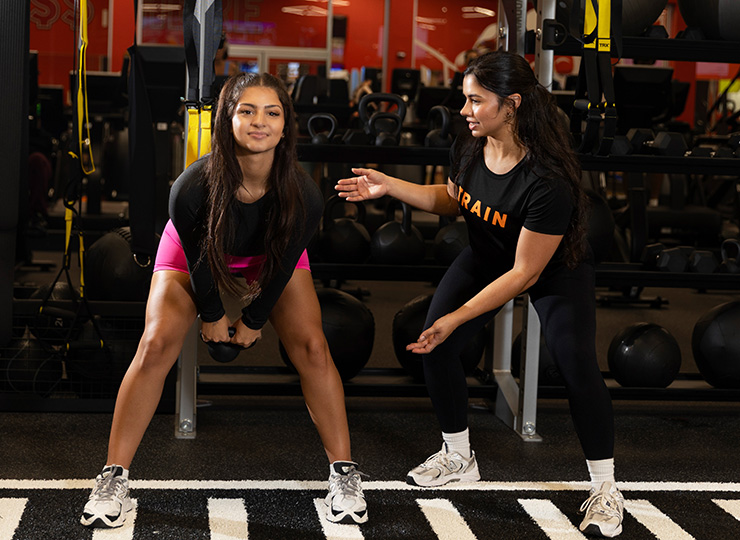
One of the biggest reasons functional strength training has grown so popular in the fitness industry is that it goes beyond the mirror. It’s not just about muscle definition; it’s about building the kind of strength you can actually use in everyday movements.
Let’s explain the science-backed benefits and how Crunch can help you put them into action.
Your core is the foundation of nearly every movement you make. Research published in Sports Health shows that weak or underused core muscles increase the risk of lower-back pain and injuries.
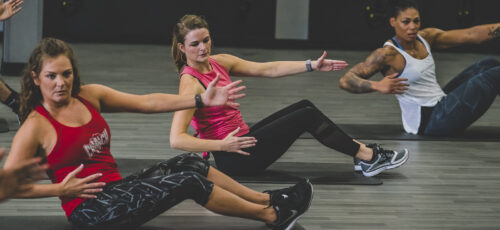
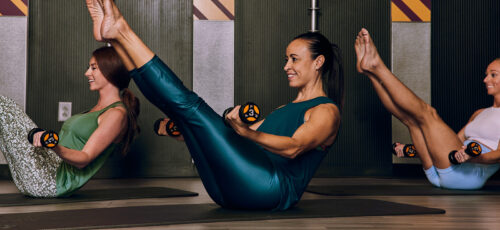
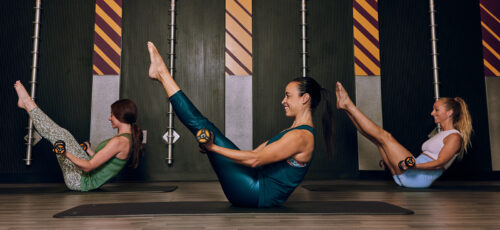
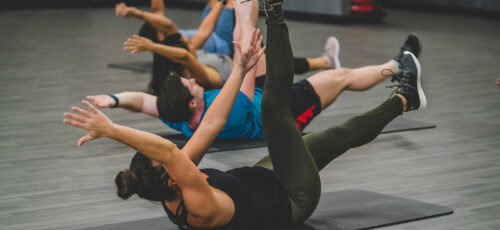
Functional strength training drills, such as planks, medicine ball twists, and kettlebell swings, strengthen your deep core muscles, teaching your body to naturally engage them. The payoff? Better posture, more stability, and a body less prone to tweaks and strains.
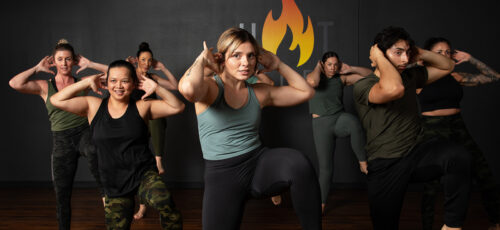
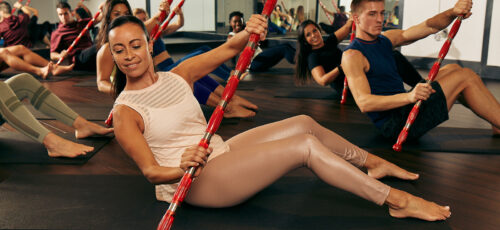
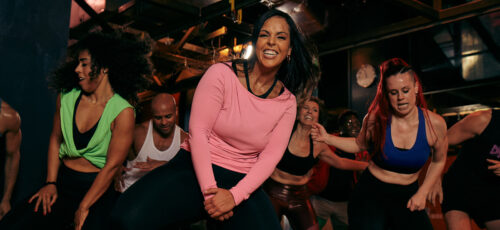
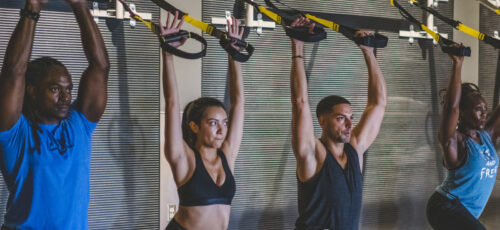
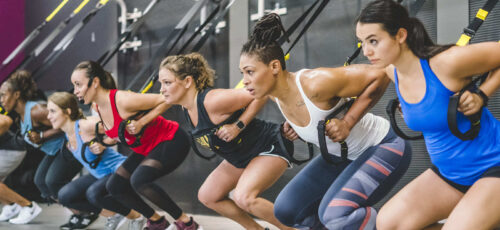
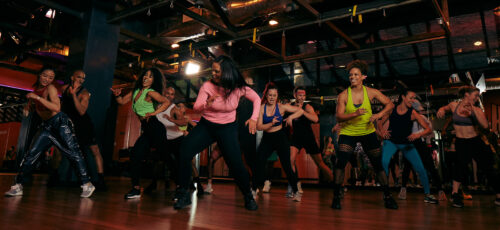
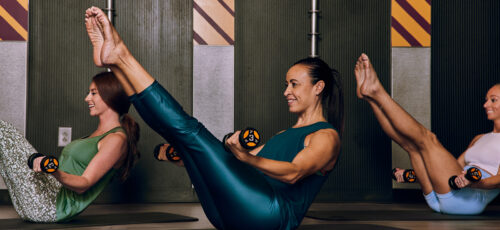
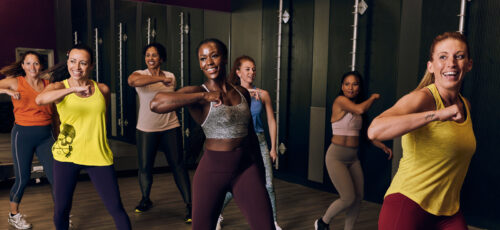
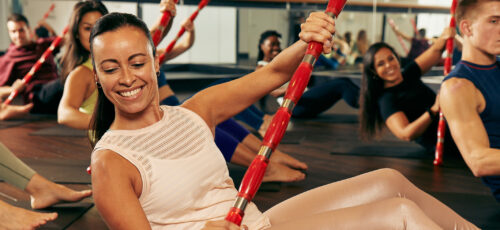
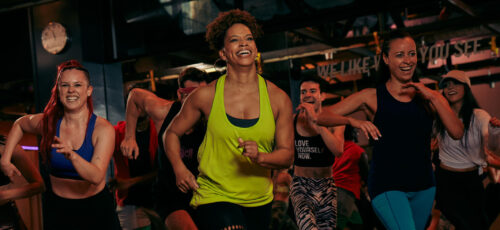
At Crunch, classes like B30Body and Bodyweb with TRX incorporate core-focused functional exercises into fun, high-energy sessions, so you’re always working smarter, not harder.
Think you’re just “clumsy”? Not necessarily. A systematic review in Sports Medicine has linked improved balance training to enhanced motor skills, such as walking, running, and jumping.
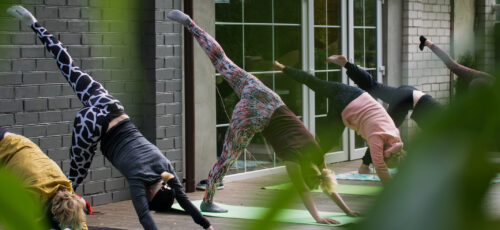
Functional exercises, such as single-leg deadlifts, reverse lunges, and high plank variations, challenge your stability by activating smaller stabilizing muscles that are often overlooked in traditional strength training. Over time, this reduces trips, stumbles, and even sports-related injuries.
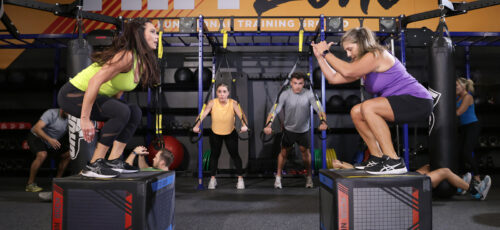
Crunch’s Functional Training Zones are equipped with balance tools, such as balls, TRX, and resistance bands, so you can safely improve coordination while building strength.
Read our article: Brain/Body Balance at Crunch
Many injuries stem from muscle imbalances or poor joint stability. Functional training addresses these weaknesses head-on. By focusing on compound movements that engage multiple joints and muscle groups simultaneously, you build strength that directly transfers to sports and everyday tasks.
A 2021 review in Frontiers in Sports and Active Living found that athletes who incorporated functional strength training had fewer overuse injuries and better long-term performance.
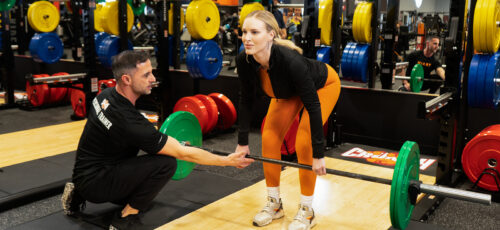
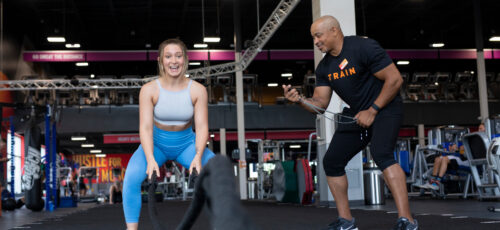
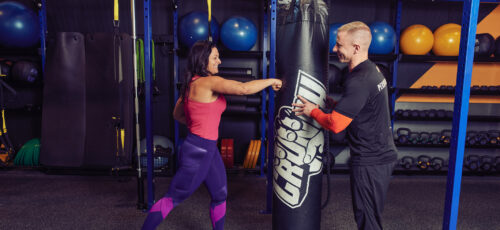
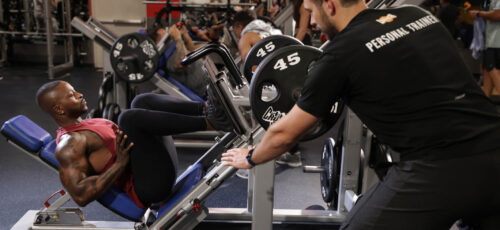
Crunch trainers often integrate squats, lunges, and rotational core work into custom programs, helping members run faster, cycle longer, and lift heavier with less risk.
Read our article: Crunch’s Specialized Approach to Personal Training – Custom Fitness Programs
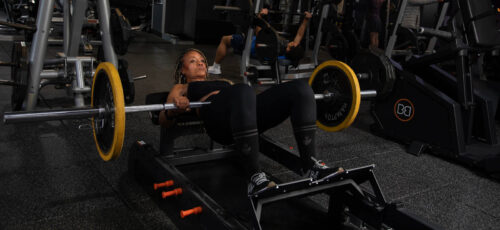
Strong glutes and hips are game changers. Runners and cyclists who neglect these areas often develop pain or performance plateaus. Functional strength training emphasizes exercises such as hip hinges, lateral lunges, and glute bridges, which strengthen the posterior chain to enhance power and efficiency.
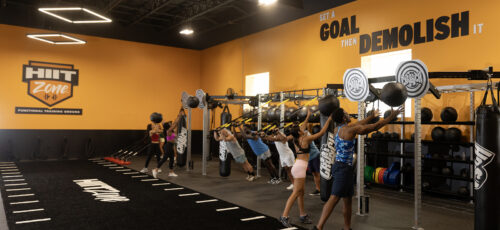
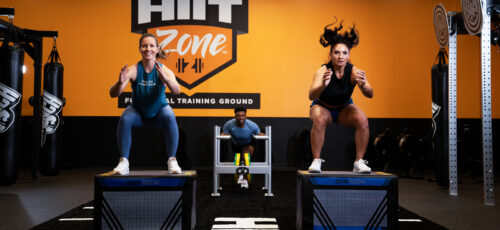
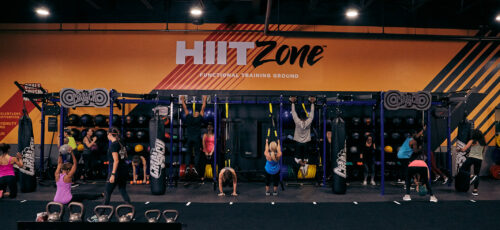
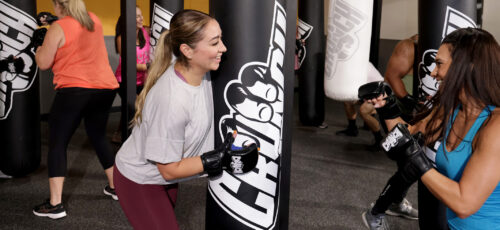
Whether you’re sprinting or climbing, these muscles drive your performance. At Crunch, classes like Chisel or HIITZone incorporate hip and glute work to give your lower body the boost it needs.
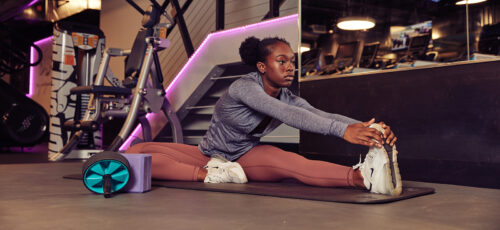
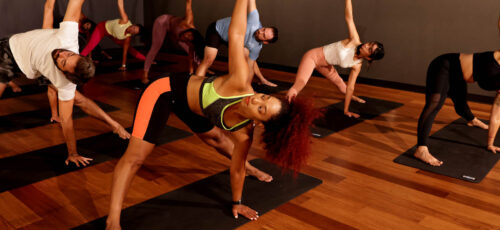
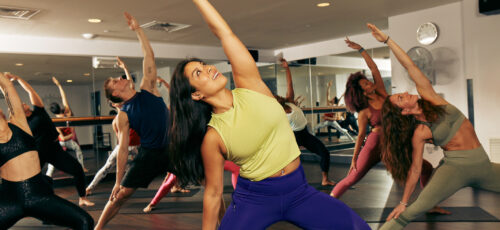
Mobility is often overlooked, yet it’s vital for staying active as we age. Functional training involves dynamic movements, such as walking lunges, scapular push-ups, and rotational stretches, that build both flexibility and joint health.
A study in the Journal of Strength and Conditioning Research found that functional mobility training improved joint range of motion and reduced stiffness in adults over 40.
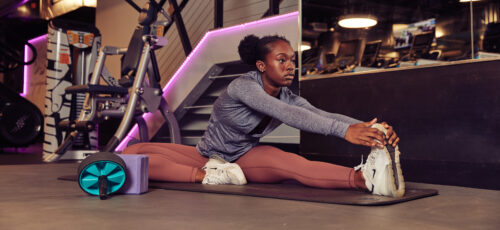
Crunch’s Stretch and Recovery programs pair perfectly with strength sessions, helping you move better today and protect your body for tomorrow.
Read our article: The Importance of Recovery
Functional training can also help with weight management. Because you’re working multiple muscle groups at once, your heart rate spikes and your body burns more calories compared to isolation movements like bicep curls.
According to the American Council on Exercise (ACE), compound movements can increase calorie expenditure by up to 30% compared to traditional isolation exercises.
Crunch takes this to the next level with 30-minute HIIT-style classes designed to maximize calorie burn while building strength.
We’re all busy, and that’s where functional training shines. Since exercises often combine compound movements (like squats with shoulder presses), you can train the entire body in less time.
A 30-minute functional workout can hit strength, balance, flexibility, and cardio all at once. Crunch’s 10-minute HIIT classes and group training sessions are designed for efficiency, perfect for those who want results without spending hours at the gym.
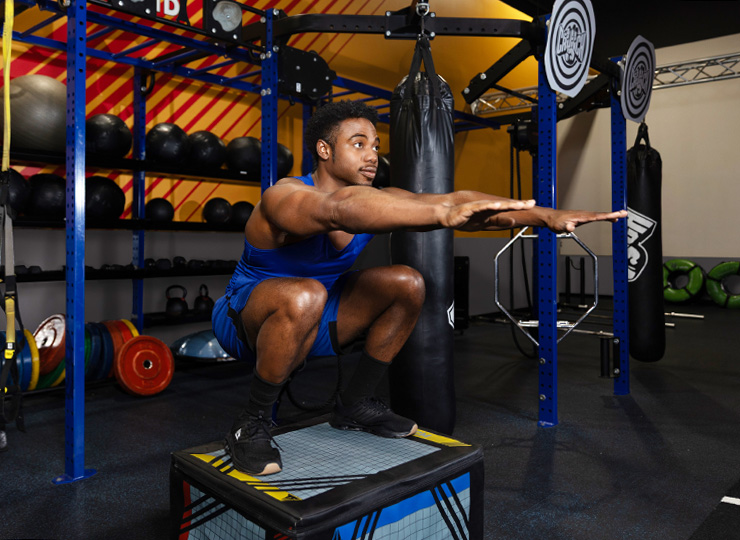
One of the best aspects of functional strength training is how easy it can be to get started. Many of the most effective exercises are bodyweight-based and mimic real-life movements you already do every day.
The goal is to train multiple muscles at once, building strength, stability, and endurance. Here are some go-to moves that belong in any routine:
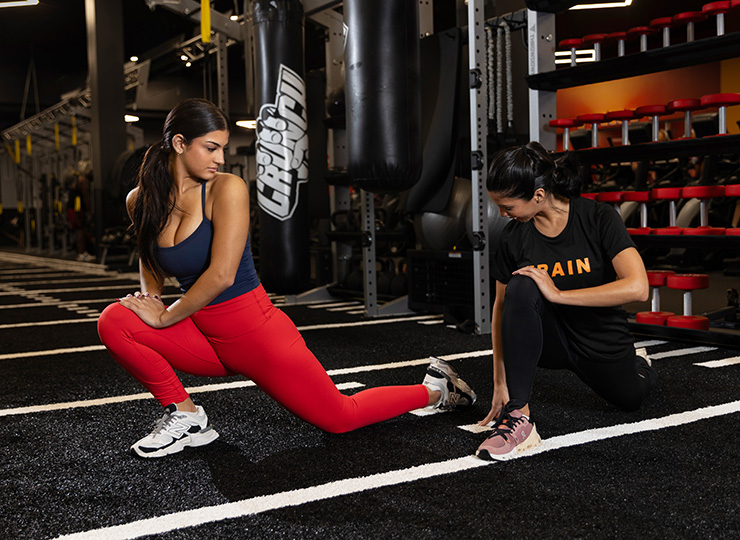
No matter where you’re starting from, adding functional strength training to your routine two to three times a week can make a big difference. The goal isn’t to replace your traditional strength training, but to complement it.
While traditional exercises are great for targeting specific muscle groups and building muscle mass, functional training focuses on compound movements that carry over to everyday life, helping you move, lift, and perform with greater ease.
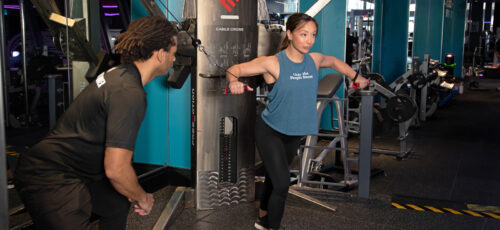
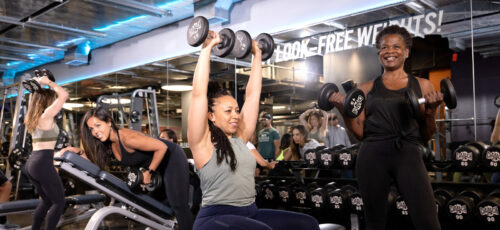
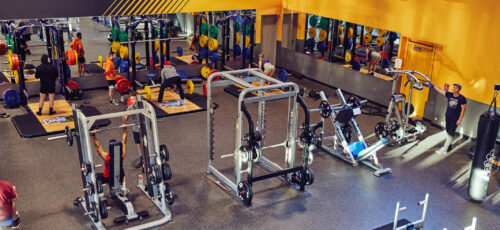
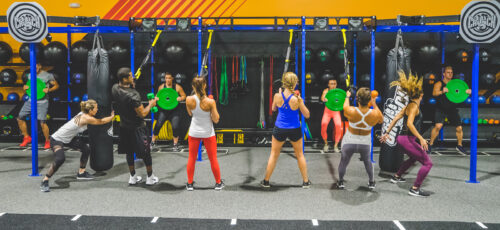
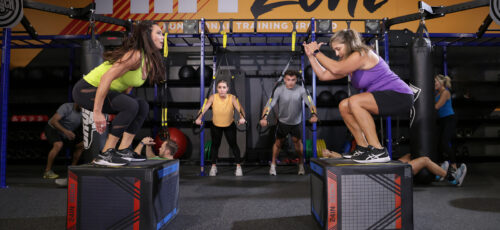
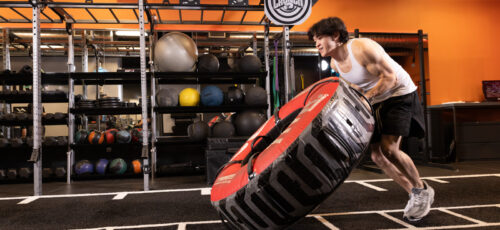
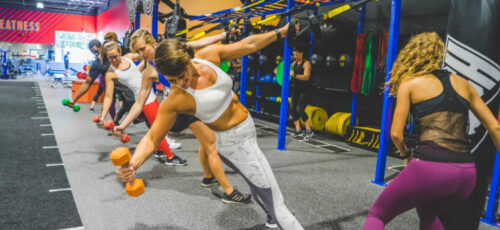
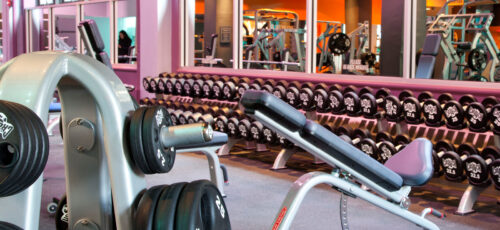
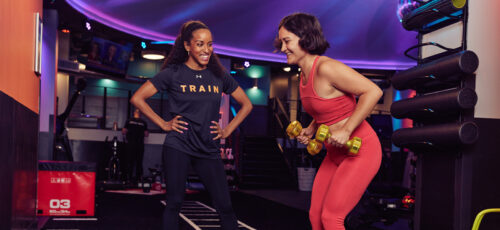
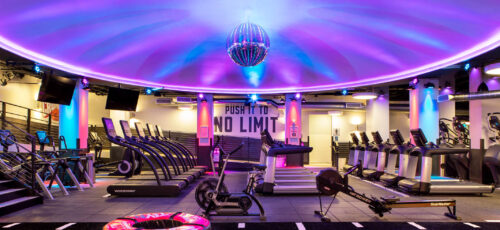
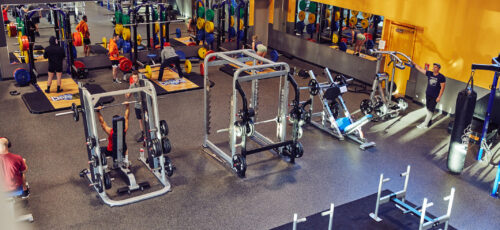
At Crunch, we make it simple to blend both. You’ll find Functional Training Zones stocked with free weights, resistance bands, kettlebells, and balls; everything you need for dynamic, multi-joint movements that build practical strength.
Crunch promotes a culture of positivity, inclusivity, and fun, with no judgment, by providing an environment for all individuals regardless of their health and fitness goals. Find a Crunch gym near you to try our free trial membership, or join Crunch now. We’re here for you – at the gym or at home. Access the best live & on-demand workouts anytime, anywhere with Crunch+. Ready to get sweaty? Try hundreds of workouts for free! Start your free trial now!
You can typically see weight loss results in 4–6 weeks of consistent exercise and proper nutrition. Many people notice improved energy, endurance, and strength before the scale changes.
Yes, building muscle can make the scale go up. Muscle tissue is denser than fat, but it boosts metabolism, burns more calories at rest, and improves overall body composition.
Yes, weight loss plateaus are normal. They happen when your body adapts to your workout routine. Switching up exercises, adding functional strength training, or trying Crunch classes like HIITZone can help you push past it.
Strength training and cardio work best together for weight loss. Cardio burns calories during workouts, while strength training builds muscle mass that increases calorie burn all day.