









What’s the Most Effective Strength Training Program for Women?
January 22, 2026
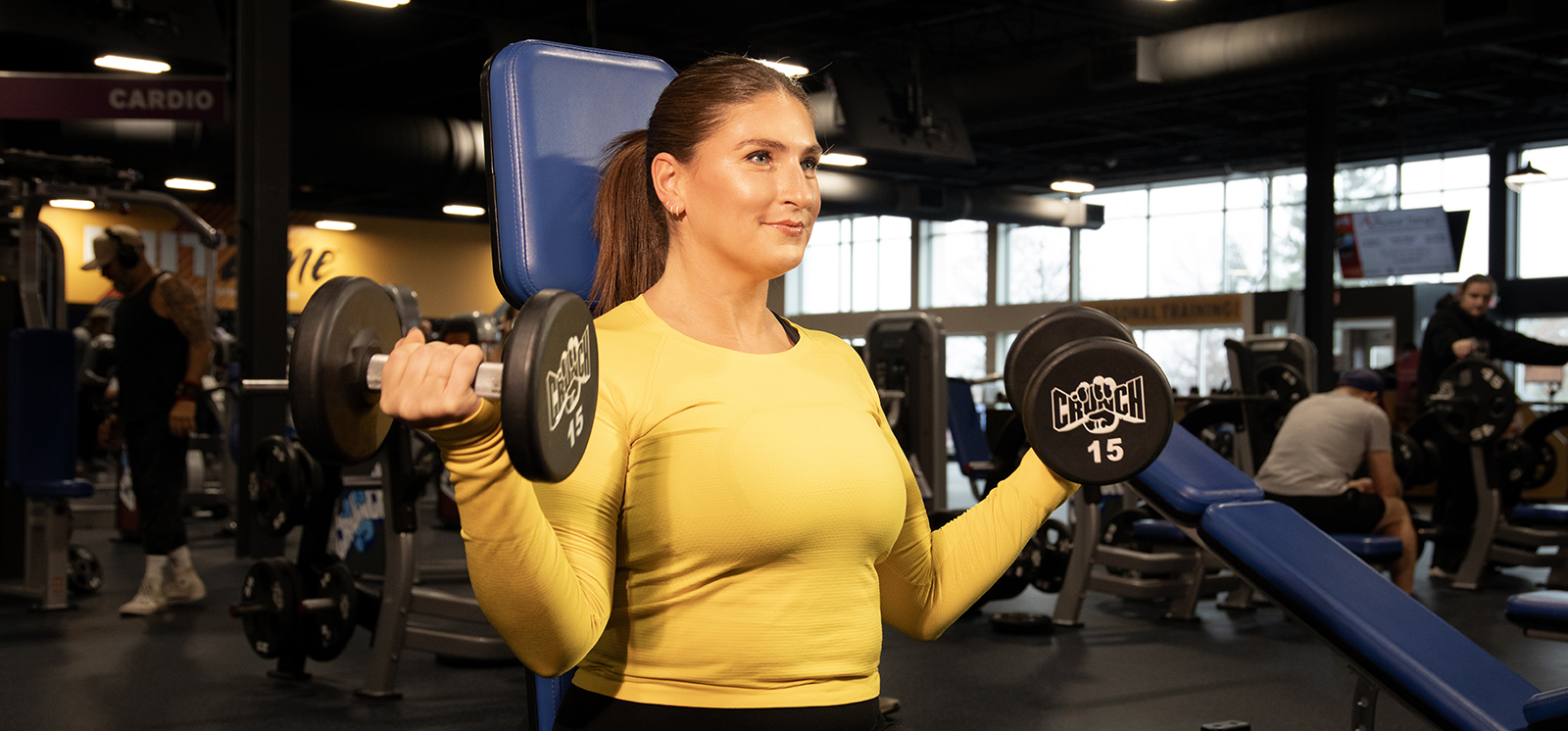
For years, the weight room felt like forbidden territory for many women, haunted by the myth that picking up a dumbbell would magically turn them into the Hulk overnight.
But here’s the thing: that transformation just doesn’t happen. Science says so, and so does every woman who’s ever picked up a weight and realized, “Wow, this feels amazing.”
The numbers speak for themselves. Back in 2004, only 17.5% of women in the U.S. lifted weights twice a week. By 2020, that jumped to 26.9%. More women are ditching old doubts, grabbing weights, and discovering a new world of confidence, balance, and strength.
Before we jump into building a powerful Strength Training Program for Women, let’s bust a few myths. Lifting weights won’t make you bulky. Instead, it sculpts lean muscle, burns more calories, fires up your metabolism, and gives you the energy to take on anything, even marathon shopping sprees.
A smart program is all about working smarter, not harder: nail your form, up the challenge bit by bit, give your body the rest it deserves, and focus on moves that make your whole body stronger.
If you are looking for guidance, coaching, or a gym atmosphere that feels energizing instead of overwhelming, Crunch Fitness is ready to help you lift with confidence.
Are you ready to change the narrative?
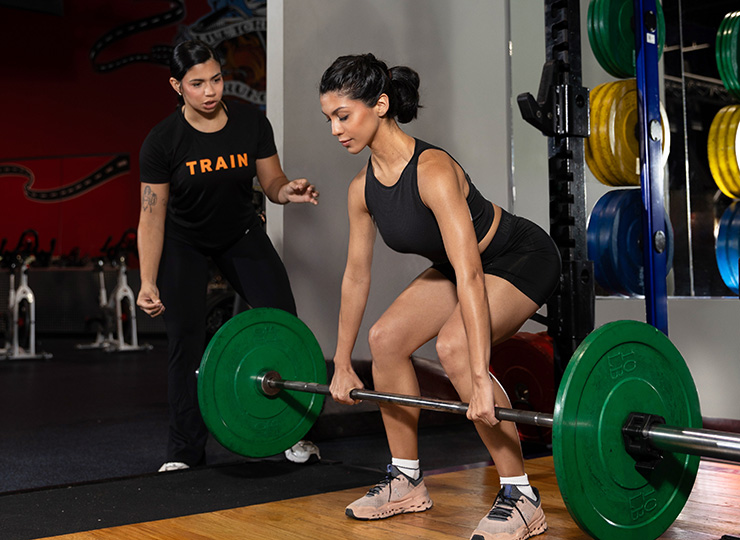
Let’s look at how to train in a way that builds muscle, increases strength, and delivers real results. A good strength training routine isn’t random. It follows proven steps that help your body get stronger over time.
To build muscle, you have to challenge it. Many women use lighter weights because they worry about “getting big,” but lifting light all the time won’t change your body. For muscle growth (also called hypertrophy), your muscles need enough challenge to make them adapt.
An easy way to begin is by increasing your weight by about 5% at a time.
Example:
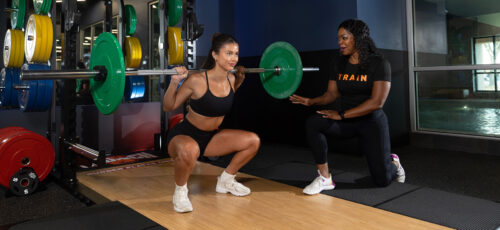
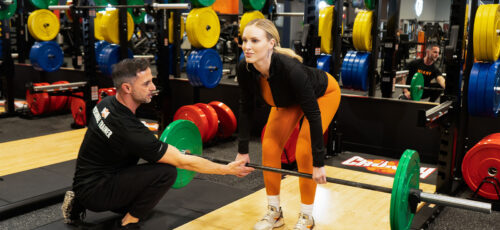
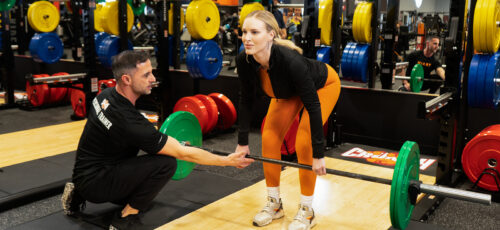
Women often underestimate their strength, so pick a weight that feels tough. The last two reps should be hard but still allow you to keep good form. For safety, always have a spotter when doing back squats, bench presses, or overhead presses.
Your training goal will decide how many reps you should do.
Here’s the breakdown:
Rest also plays a role:
It’s like shaping your workout to match what you want your body to achieve.
The best strength training plan is the one you can stick to. Try to do resistance training 4 to 5 days a week.
Keep a training journal or use your phone to track sets, reps, and weights. This is the easiest way to see your progress and make sure you’re challenging yourself over time.
Decide how you want to structure your week:
If you stay consistent and keep making your workouts a bit harder, you’ll build lean muscle and get stronger.
Start your workout with the exercises that use the most energy:
These compound lifts work your main muscle groups and form the base of a good strength training routine. After you finish these, move on to smaller exercises like curls, triceps work, or lateral raises.
Pick 6 to 8 exercises for each workout and organize them in a way that works for you, such as circuits, supersets, or regular sets with rest periods that fit your goals.
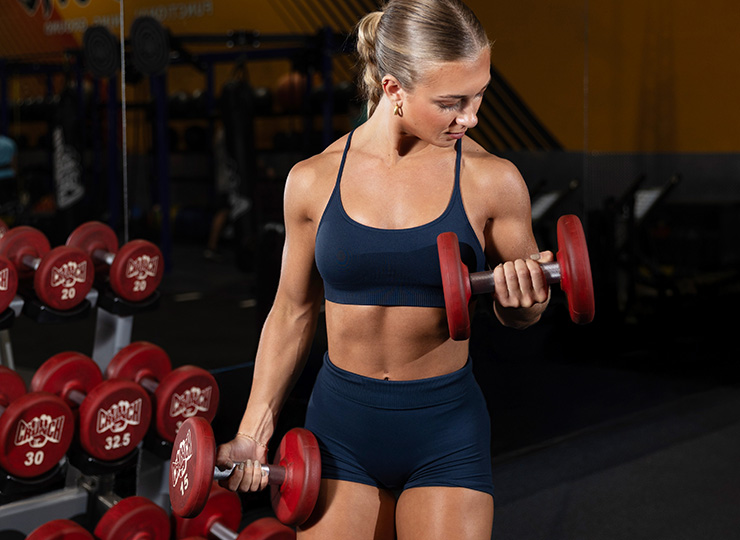
Here are some of the best exercises for building lean muscle, getting stronger all over, and shaping both your upper and lower body.
Think of these exercises as your strength basics. They are simple, versatile, and very effective when you use good form and keep pushing yourself.
And if you want hands-on guidance, Crunch Fitness personal trainers are always ready to help you lift smarter, avoid injuries, and get the most out of every rep.
Muscles Worked: Quadriceps, glutes, hamstrings, core
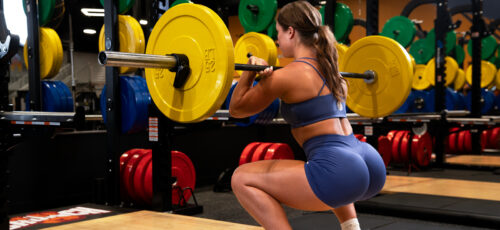
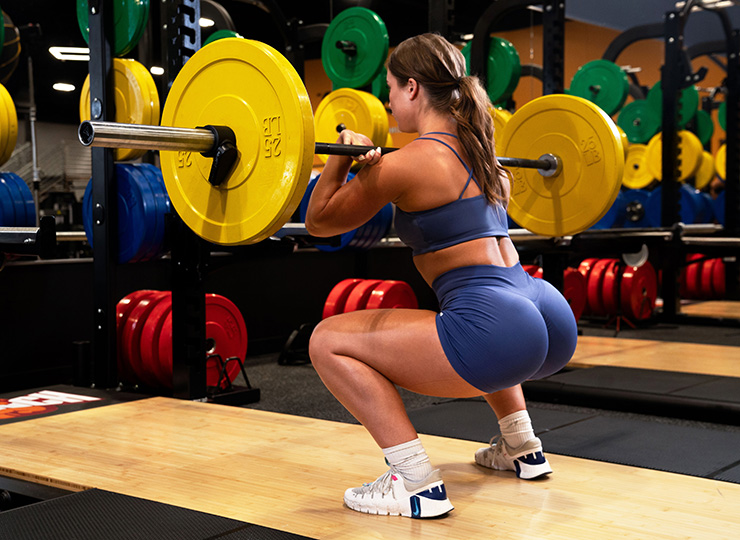
If strength training were a blockbuster, the squat would be the star. It’s a classic for good reason: it works nearly every lower-body muscle, fires up your core, and builds total-body power.
It delivers serious lower-body strength, sculpts your quads and glutes, and makes everyday feats, like running up stairs or hauling all the groceries in one go, feel effortless.
Tip: Start with body weight, then gradually increase resistance using dumbbells, kettlebells, or a barbell. Good form always comes before more weight.
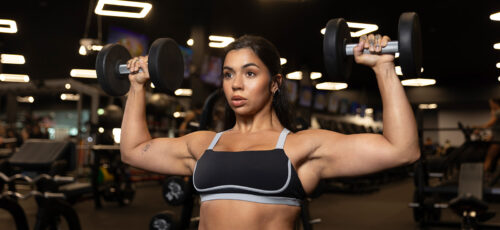
Muscles Worked: Deltoids, traps, upper back, and triceps
A strong upper body is more than just good looks. It improves posture, makes lifting overhead a breeze, and helps you carry everything life throws your way.
Arnold press, seated press, barbell press, or single-arm press for extra core activation.
It carves out shoulder definition, boosts upper-body strength, and makes push moves like chest presses and triceps exercises even more effective.
Muscles Worked: Hamstrings, glutes, lower back, upper back, core
Meet the queen of all back-body moves. The deadlift powers up your legs and glutes, supports bone strength, and trains the muscles that keep you steady and balanced.
Deadlifts quickly build lower-body strength, improve your posture, and burn calories while training the muscles you rely on every day.
Tip: If your back rounds, reduce weight and re-train form. A flat back = a safe back.
Discover: The Best Arm Fat Workouts – Exercises That Tone & Strengthen Arms
Muscles Worked: Chest (pectorals), triceps, front deltoids, core for stabilization
The chest press is an upper-body powerhouse. It won’t make your chest bigger, but it will make your whole upper body stronger and more sculpted.
It builds real-world pushing strength, whether you’re opening heavy doors, steering a stroller, or moving furniture for a spur-of-the-moment room makeover.
Muscles Worked: Biceps brachii, brachialis, forearms
Biceps curls are popular for a reason. Your biceps may be small, but they are important for building pulling strength.
Hammer curls, rope curls, preacher curls, alternating curls, or barbell curls.
Stronger arms, a firmer grip, and a routine that tones without adding bulk.
Muscles Worked: Triceps (all three heads), rear deltoids, upper back stabilizers
Triceps make up most of your upper arm, so when you strengthen them, you’ll see more definition quickly.
It sculpts the backs of your arms and boosts pressing strength for moves like chest presses and push-ups.
A strength training program works best when you combine these exercises into a structured workout plan with proper rest days, correct form, and progressive overload.
Not sure how to build a routine or what weights to start with? Crunch Fitness personal trainers can help you create a program that fits your goals, fitness level, and lifestyle, so you feel strong, confident, and ready to crush every rep.
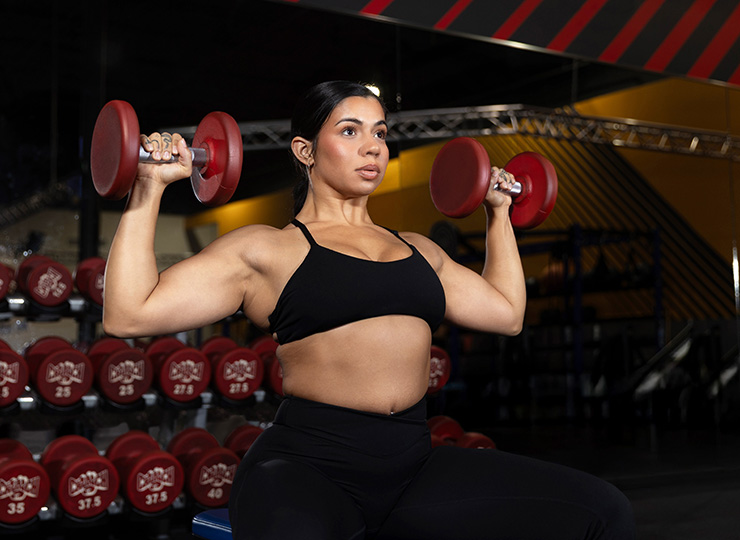
Here are the benefits of a good Strength Training Program for Women, and why adding it to your weekly routine can be a smart health decision.
Strength training does more than shape your body; it provides real-life benefits. Research in Medicine & Science in Sports & Exercise found that women who regularly strength train can improve their strength by 30 to 50 percent in just a few months.
These improvements help you in everyday life, not just in the gym.
This kind of strength supports your body, metabolism, and overall health.
If you want to burn more calories without extra cardio, focus on building muscle. Lean muscle burns 6 to 7 calories per pound each day, even when you’re resting. Over time, this helps make weight management easier and more sustainable.
Having more lean muscle is linked to better weight control, less body fat, and a lower risk of chronic diseases. Building muscle strengthens your metabolism and supports long-term health.
Read our article: Supersize Your Muscle: The Best Exercises to Build Muscle Mass Fast
Strength training isn’t just about muscles, either. It’s crucial for bone density, especially for women. The National Osteoporosis Foundation reports that 1 in 2 women over 50 will experience a fracture related to osteoporosis. Weight training strengthens bones through mechanical loading, helping keep them dense, stable, and resilient.
Lifting weights can also improve mental health. A meta-analysis in JAMA Psychiatry found that regular resistance training can reduce symptoms of depression. Many women also report feeling more confident and empowered.
Despite these benefits, CDC data show that only 21% of women meet the recommended strength and aerobic training guidelines. If you want to be part of that group, a structured strength routine and support from Crunch Fitness can help you reach your goals.
Are you ready to start your strength journey? That’s great. Beginning a strength training program for women doesn’t have to be overwhelming.
All you need is a clear plan, the right mindset, and some support from Crunch Fitness. Here’s how to build a strong foundation from day one.
Before you lift a single weight, ask yourself: What do I want from this?
Your goals shape your program and help keep you motivated when your workouts get tough.
Read our article: How to Set Fitness Goals With Your Personal Trainer
Strength training is about moving smart, not jumping into heavy weights right away. Learn proper form, get to know the equipment, and practice basic exercises. A Crunch trainer or a beginner strength class can help you start safely and with confidence.
Your workout should include all the major muscle groups: legs, chest, back, arms, and core. Here’s a simple routine for beginners:
A balanced workout helps you get stronger and lowers your risk of injury.
Discover: The Ultimate Gym Workout Routine for Muscle Gain and Strength Building
Start with a weight that feels manageable but still challenges you by the last few reps. Always focus on good form first.
Read more: Should I Hire a Personal Trainer for Lifting Weights?
To get stronger, your body needs new challenges. Gradually add weight, reps, or sets over time. Even small progress can lead to big results.
Muscles grow while you rest. Wait 48 hours before working the same muscle group again. Make sure to get enough sleep, drink water, and eat well.
Strength comes from repeating your workouts. Try to do strength training two or three times a week, and keep track of your sets, reps, and weights. Celebrate each milestone you reach.
Having a community can make your experience better. You can join a Crunch class, find a workout partner, or work with a personal trainer who will help with your form, teach you new exercises, and encourage you.
Crunch promotes a culture of positivity, inclusivity, and fun with no judgments by providing an environment for all individuals regardless of their health and fitness goals. Find a Crunch gym near you to try our free trial membership, or join Crunch now. We’re here for you – at the gym or at home. Access the best live & on-demand workouts anytime, anywhere with Crunch+. Ready to get sweaty? Try hundreds of workouts for free! Start your free trial now!
A good program trains all major muscle groups 2–3 times per week, uses progressive overload, includes compound lifts like squats, rows, presses, and deadlifts, and balances strength, mobility, and rest.
Most women see great strength gains from lifting 3–5 days per week. This gives enough frequency to build muscle while allowing proper recovery.
Yes. Women naturally have lower testosterone levels, so strength training builds lean muscle, improves tone, and boosts metabolism, without adding unwanted bulk.
Most women notice increased strength within 3–4 weeks and visible muscle changes in 8–12 weeks, depending on consistency, intensity, and nutrition.
Start with the basics: dumbbells, barbells, resistance machines, cable stations, and bodyweight exercises. You don’t need everything at once, just tools that help you train safely with proper form.