









Which Back Strength Exercises Build the Most Muscle Fast?
January 12, 2026

Do your shoulders feel tight after a long day? Does your posture suffer when you skip back workouts? These are signs that back strength exercises are important for movement, good posture, and living without pain.
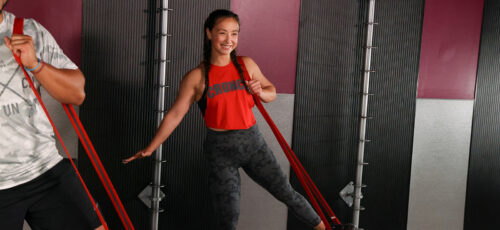
Your back is involved in almost every upper-body movement. It keeps your spine stable, supports your shoulder blades, and works with your core and upper back muscles. This makes it key for overall performance. When you do pull-ups, bent-over rows, or use resistance bands for your lats, every rep helps build both muscle and strength you can use in daily life.
Studies show that strong back muscles help your posture, lower pain, and improve athletic performance by working the whole back side of your body, from shoulders to legs. When you squeeze your shoulder blades or bend forward with your feet shoulder-width apart, you train your body to move better and more safely.
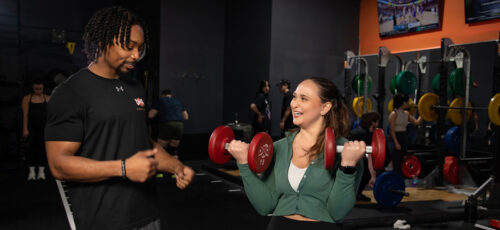
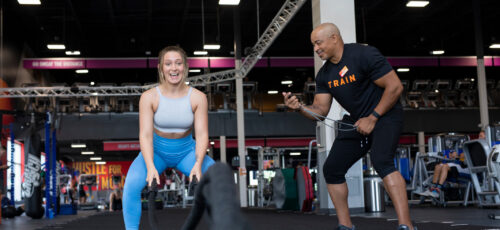
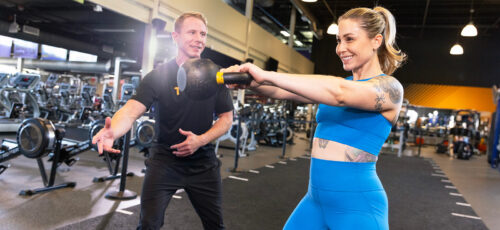
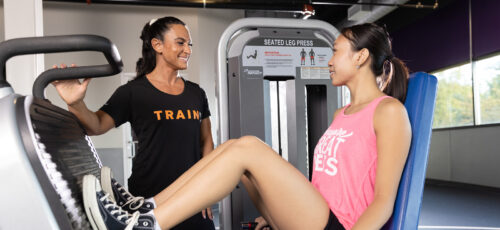
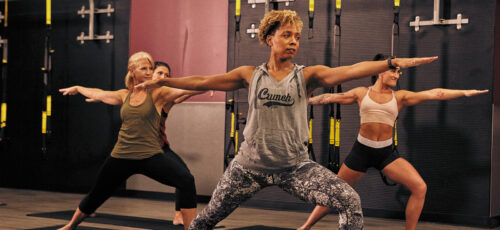
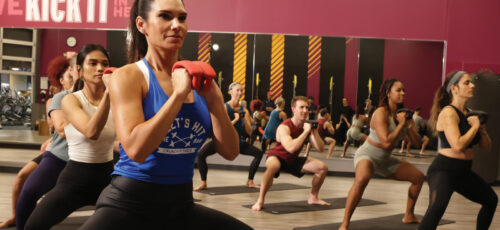
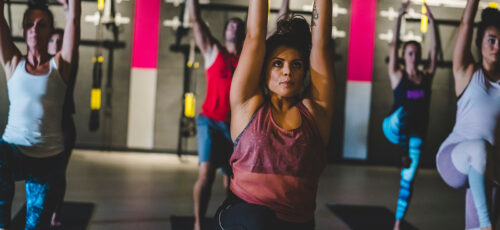
Crunch Fitness makes back training fun, safe, and effective. Our classes and trainers guide you, refine your form, and ensure you target the right muscles without overstraining.
If you want to get stronger, improve your posture, and feel better, these back exercises are a great place to start for building a strong, pain-free upper body.
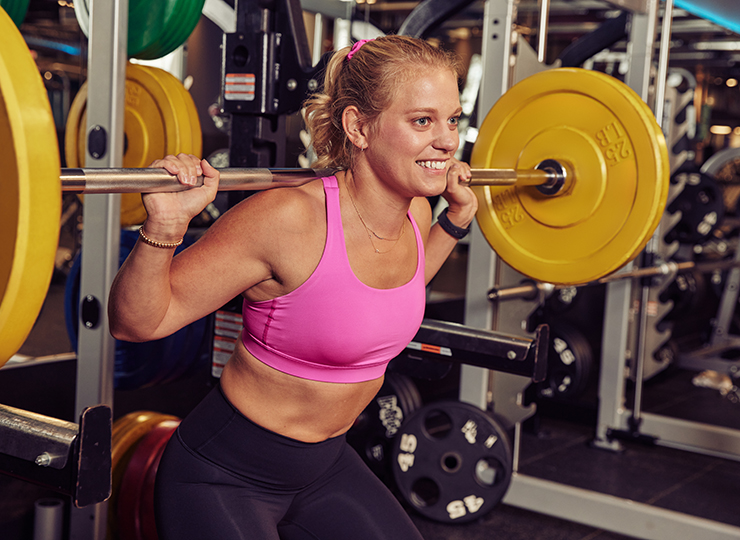
Your back plays a major role in upper body strength. Whenever you lift, pull, or twist, your back muscles help keep you stable and support your whole body, which improves your posture, movement, and strength.
Here are the best back strength exercises for power, balance, and definition.
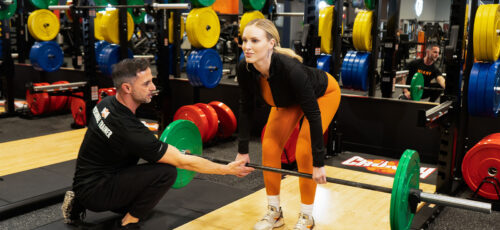
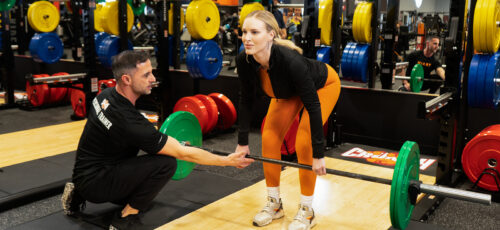
The barbell deadlift is the foundation of any strong back. This heavy compound lift recruits the lats, traps, glutes, and hamstrings, making it one of the best total-body exercises out there.
The wide grip pull-up builds your upper back, works the teres major, and makes your lats stronger.
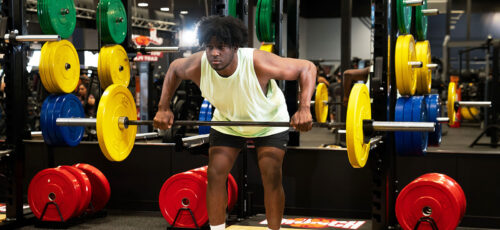
The barbell dead row combines strength and speed, making it great for athletes or anyone wanting to improve performance. It helps you learn to use power quickly while keeping good form.
Check our article: Back Fat Exercises for Women
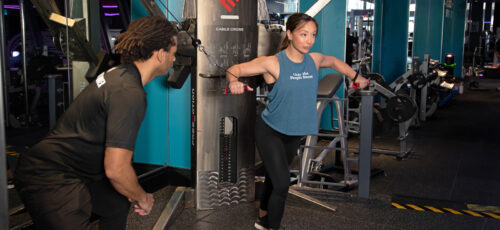
If you want to build your lats and correct muscle imbalances, try the alternating high cable row. This exercise works each side of your back separately, helping you improve balance and control.
Small muscles are important for a strong, pain-free back. The Hyper Y-W Combo targets the rotator cuff, lower traps, and rear delts, which help with stability and posture.
The barbell shrug isolates your upper traps, improving posture and giving your upper body a strong, confident look.
Try this: Top 10 Exercises for Lower Back Strength
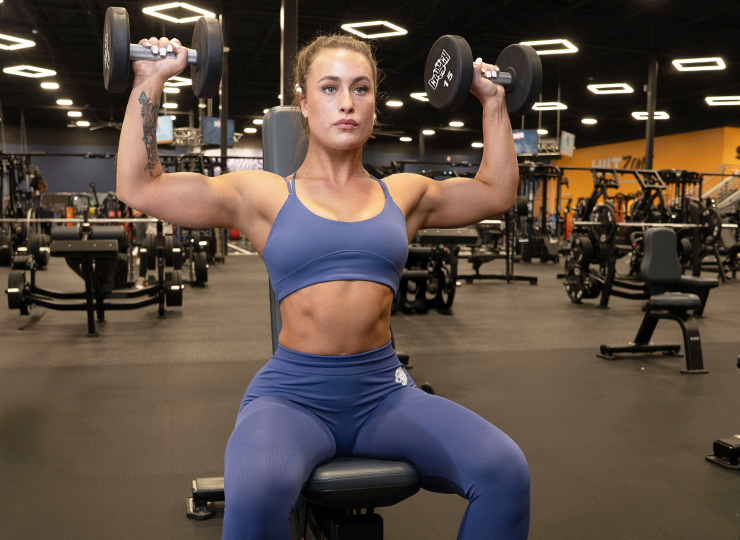
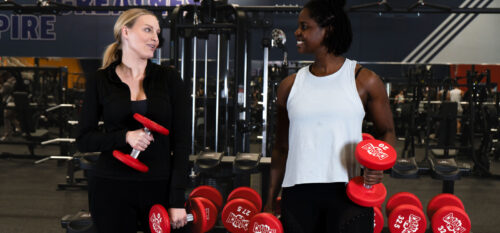
If you don’t have a barbell, you can still build a strong back with just a pair of dumbbells. Dumbbells are flexible, easy to use, and great for people training at home or wanting to improve their gym routine.
With the right exercises, you can target your lats, traps, and upper back efficiently. Here are five effective dumbbell back moves for all training goals.
Weighted pull-ups deliver major upper body strength, targeting lats, biceps, and shoulders.
The dumbbell dead row combines the strength of a deadlift with the explosiveness of a row. It’s ideal for athletes or gym-goers looking to develop power and speed in their upper back.
Discover: The Best Exercises for Burning Back Fat
If your goal is muscle growth, the dumbbell pullover is your go-to move. It isolates the lats and chest while improving flexibility across your shoulders and rib cage.
Looking for a deep burn without straining your lower back? The chest-supported touch row does exactly that. It isolates the lats and rear delts while keeping your spine neutral.
If one move could define total-body training, it’s the Manmaker. This hybrid exercise combines a push-up, renegade row, clean, and press, giving you a complete workout in one motion.
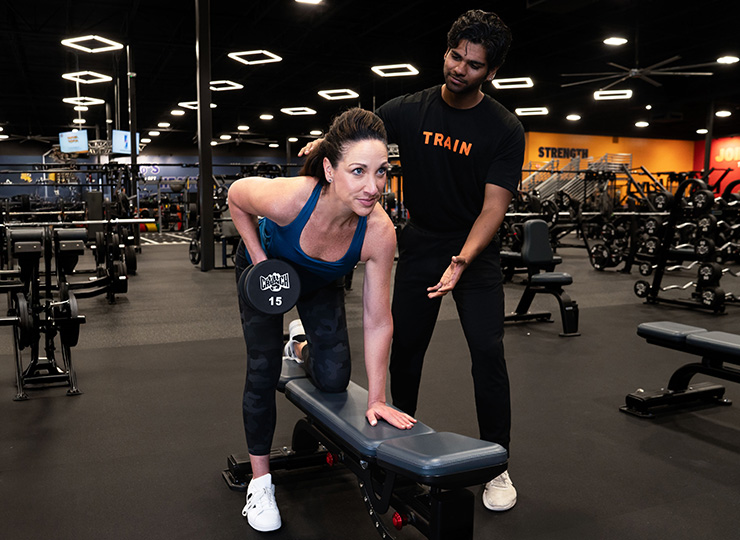
Building a strong, balanced back takes more than just lifting heavy; it’s about consistency, smart technique, and recovery. Here are practical tips every gym-goer should know to make the most of their back strength exercises and prevent injuries along the way.
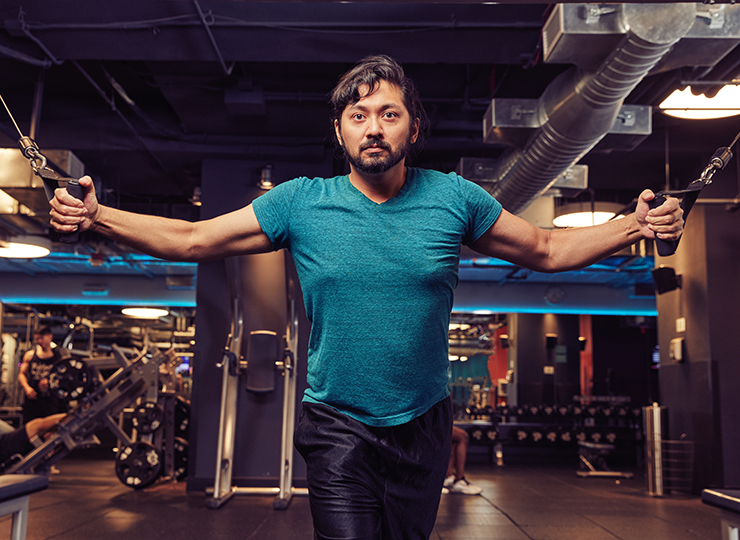
Your back does way more than just make your T-shirt fit better; it’s the foundation of nearly every move you make in and out of the gym.
From pulling, pushing, and twisting to keeping your spine neutral and your shoulders stable, your back muscles are quietly doing the heavy lifting behind the scenes.
Many people focus only on their lats, thinking that a few pull-ups or bent-over rows are enough. But your back is made up of several muscles, like the traps, teres major, rotator cuff, and lower back, and all of them need to be trained for best results.
If you want a back that’s both powerful and functional, you’ve got to train it from multiple angles. Mix vertical pulls (like lat pull-downs and chin-ups) with horizontal rows to fully activate your entire posterior chain. This variety ensures you’re not just building width, but also depth, strength, and balance.
A well-trained back doesn’t just improve performance; it helps you stand tall, move better, and stay pain-free. It supports your core, prevents injuries, and enhances every other lift, from your deadlift to your bench press.
So don’t skip back day. Respect it, challenge it, and give it the same energy you bring to chest or arms day. And if you want expert guidance, Crunch Fitness has your back; literally. Our trainers will help you turn good workouts into great results.
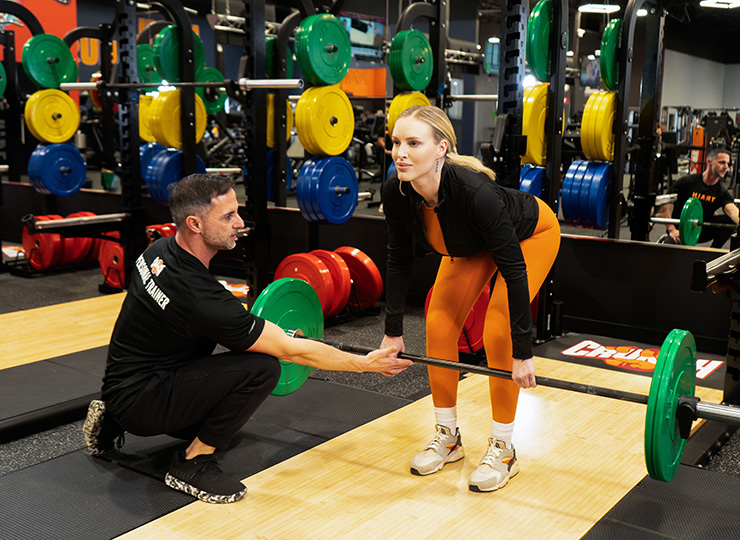
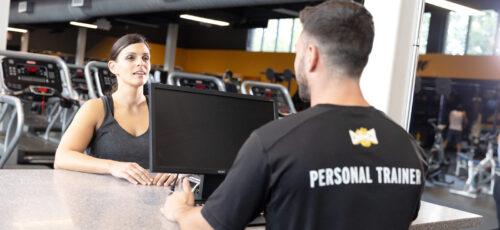
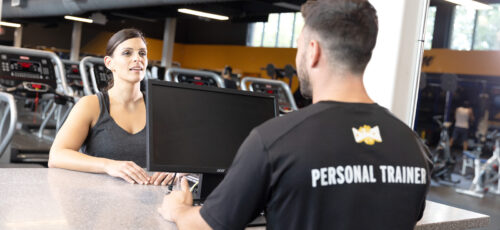
When you join Crunch Fitness, you get access to certified personal trainers who are committed to helping you build a stronger and healthier back.
Our expert fitness coaches create customized workout plans that target every muscle group, from your lats and traps to your core and lower back, ensuring balanced strength and proper form.
Each trainer brings a unique blend of motivation, accountability, and education to every session. They’ll guide you through effective back strength exercises like deadlifts, rows, and pull-ups, while tracking your progress and keeping your goals in focus.
But it doesn’t stop there, your trainer also offers nutrition advice, recovery tips, and ongoing support to help you move better, feel stronger, and perform your best.
Crunch promotes a culture of positivity, inclusivity, and fun with no judgments by providing an environment for all individuals regardless of their health and fitness goals. Find a Crunch gym near you to try our free trial membership, or join Crunch now. We’re here for you – at the gym or at home. Access the best live & on-demand workouts anytime, anywhere with Crunch+. Ready to get sweaty? Try hundreds of workouts for free! Start your free trial now!
The barbell deadlift is one of the most effective exercises to strengthen your back. It targets the entire posterior chain, including your lats, traps, glutes, and lower back while improving posture and stability.
The 3-3-3 rule focuses on three exercises, performed for three sets, targeting three major back regions: upper, middle, and lower. It’s simple, efficient, and ideal for gym-goers aiming for both size and symmetry.
With consistent training, you can start noticing improvements in back strength and posture within 4 to 6 weeks. However, visible muscle growth may take around 8 to 12 weeks, depending on your routine, nutrition, and recovery.
Most people benefit from 2 to 3 upper body sessions per week, allowing at least one rest day between workouts. This gives your back muscles, shoulders, and arms time to recover and rebuild.
You’ll typically start feeling stronger within 3 to 4 weeks of consistent training, with visible definition appearing after 6 to 8 weeks. Characteristics like intensity, form, nutrition, and sleep all play a role.