









Forearm Strength Exercises To Improve Your Upper Body Lifts
April 21, 2026

Do you actually train your forearms or just hope they’re strong enough? Most people skip forearm exercises on leg, push, or pull days. But if your grip fails during deadlifts or you fall off the pull-up bar early, that’s a sign your forearms need work.
The thing is, strong forearm muscles drive better grip strength, stronger hands, and more control in big lifts. From farmer’s carries to heavy dumbbell rows, your ability to hold tension matters. Your forearm flexors, extensors, and brachioradialis help stabilize the wrist, support the shoulders, and transfer power through every rep. That’s real performance, not just aesthetics.
The good news is you don’t need a complicated plan. Just a few forearm exercises can make a big difference in your strength training.
Let’s look at which exercises really build grip strength and how to use them effectively.
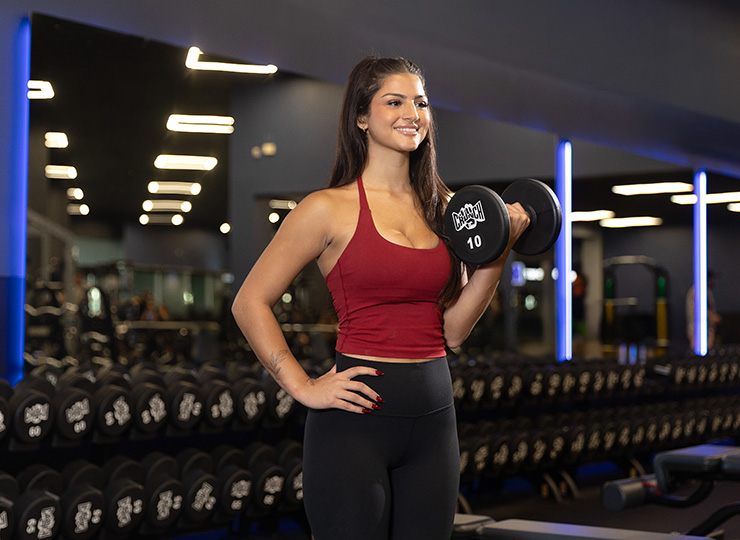
These six exercises may look simple, but they’re very effective for building grip strength when done correctly.
How to Do It
Why It Works
Builds wrist flexion strength and improves grip control for rows and dumbbell exercises.
Pro Tip: No cable pulley? A resistance band works just as well.
If you only train wrist flexion, you’re missing out on strength. This exercise helps create balance.
How to Do It
Why It Works
Improves wrist stability and reduces fatigue during pressing and pulling lifts.
Pro Tip: Slow reps = more tension = better results.
This exercise targets smaller muscles, but strengthening them helps you lift heavier overall.
How to Do It
Why It Works
Improves lateral wrist control and stability for heavy carries and barbell work.
Pro Tip: Stay light and precise.
Read more: What Exercises Build Hand Strength for Heavy Lifts?
This exercise builds rotational strength, which is important for your grip.
How to Do It
Why It Works
Strengthens rotation control and helps your grip stay solid during pull-ups and rows.
Pro Tip: Lock your elbow in place to avoid cheating the movement.
This exercise is simple, traditional, and effective.
How to Do It
Why It Works
Builds crush grip strength and muscular endurance in your hands.
Pro Tip: Add timed holds for extra challenges.
If you want practical grip strength, try hanging from a bar. It’s straightforward and effective.
How to Do It
Why It Works
Trains support grip and build upper body endurance that carries over to deadlifts and carries.
Pro Tip: Stop before your grip slips to protect your elbows.
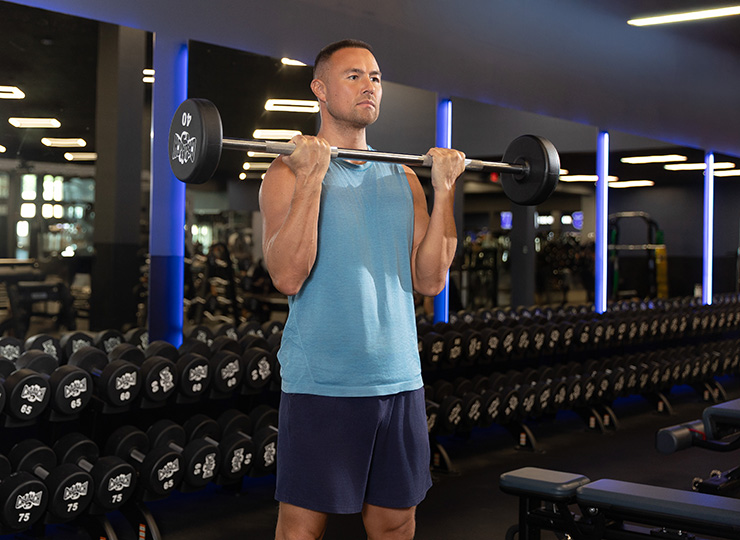
If you only have dumbbells, that’s still enough to build strong grip, forearms, and upper body power.
The key is choosing forearm strength exercises that challenge your hands, train pronation, and build a real support grip.
Here are three exercises that are especially effective.
If your grip fails during heavy carries, this exercise will help.
How to Do It
Why It Works
Farmer’s carries build grip endurance, forearm engagement, and full-body stability. They carry over directly to deadlifts, rows, kettlebell work, and even pull-ups.
Pro Tip: Start with lighter weights than you expect. Good posture is more important than using heavy weights.
This exercise looks like a regular curl, but it also builds grip and pronation strength.
How to Do It
Why It Works
The offset load challenges pronation strength and forces your forearm muscles to stabilize the weight. That means stronger hands and better control during strength-training workouts.
Pro Tip: Move slowly on the way down to increase muscle engagement and forearm endurance.
This exercise is simple, often overlooked, and very effective.
How to Do It
Why It Works
Reverse curls strengthen the brachioradialis and support grip power, helping you hold onto heavier weights during rows, carries, and big lifts.
Pro Tip: Don’t swing. If your shoulders start hurting, the weight is too heavy.
Discover more: What’s the Best Dumbbell HIIT Workout
Here’s why forearm workouts should always be part of your training routine.
Have you ever felt strong enough to lift the weight, but your hands give out first? That’s a grip strength issue, not a back problem.
Building forearm strength improves:
Stronger forearm flexors, extensors, and the brachioradialis help transfer force from your shoulders and core into the bar. That means better muscle engagement and fewer stalled reps.
Forearm endurance isn’t just for lifters. Athletes in climbing, wrestling, basketball, cross-training, and even IronMan Triathlete events rely on grip power and wrist stability.
Grip training improves:
When your forearm muscles are strong, you perform better in any sport that requires hand control and endurance.
Grip strength is seen as a sign of longevity. Your grip strength can reflect your overall health and long-term outlook. Research in the Journal of Cachexia, Sarcopenia and Muscle found that people with weaker grip strength have a higher risk of heart disease and dying from any cause.
In practical terms, having stronger forearms and grip usually means your muscles are healthier and you can do more physically. Doctors even use grip tests as a quick way to check someone’s health.
When you work on forearm strength, you’re not just getting better at deadlifts, pull-ups, and carries. You’re also building a base for long-term strength and independence. Strong hands now can help you stay capable as you get older.
Want cleaner Olympic lift transitions? More stable muscle-ups? Better control during kettlebell flows?
Stronger forearms support:
Exercises like cleans, rope climbs, and advanced planks require wrist stability. Strong forearm muscles help your lifts feel smoother and more controlled.
Wrist strain and elbow irritation often come from weak forearm muscles, not just overuse.
Smart forearm workouts help:
Better support grip means less strain on the wrist roller device, cable pulley work, and even resistance band training.
Training your forearms helps you avoid injuries that can slow your progress.
Having balanced arm muscles is important for appearance as well.
You can bench press, hammer curl, and lateral raise all day, but if your forearms lag behind your biceps and shoulders, it shows.
Developed forearm muscles improve:
And while forearm training won’t replace your big lifts, it enhances them. Even simple exercises like plate pinch holds, dead hangs, and using fat grips can make a noticeable difference.
When most people say they want huge forearms, they double down on endless wrist flexion and wrist extensions. But if you really want noticeable size and strength, you need to give serious attention to the brachioradialis, the one we mentioned earlier.
Here’s the key: the brachioradialis doesn’t work like typical forearm muscles. It doesn’t primarily control wrist flexion. Instead, it plays a major role in elbow flexion and pronation, especially when your forearm is in a neutral position.
That’s why hammer curls, reverse grip work, and pronated movements often build more visible mass than traditional wrist curls alone.
To build noticeable forearm size, use a smarter training approach.
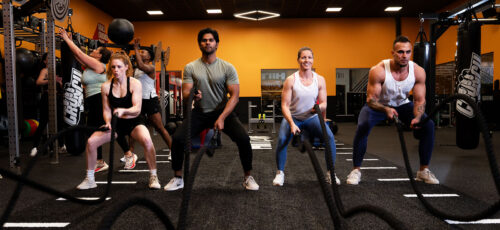
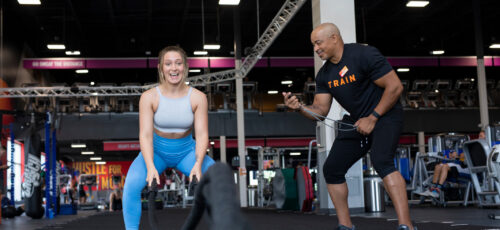
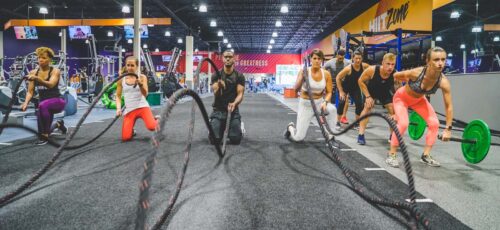
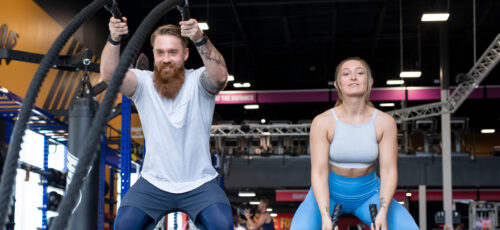
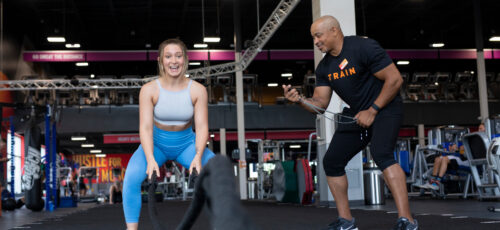
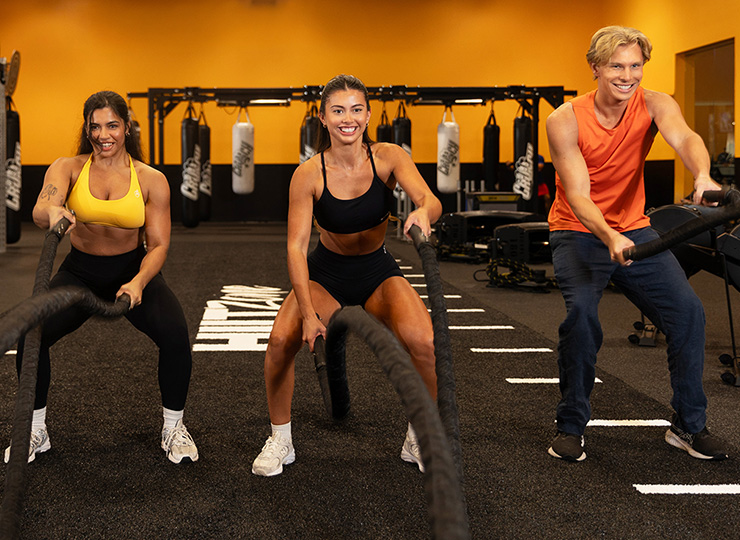
This exercise builds forearm strength and also increases your heart rate.
How to Do It
Why It Works
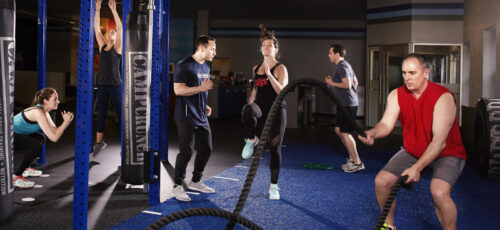
Battle ropes force your forearm muscles and brachioradialis to stay engaged under constant tension. That combination of grip endurance and elbow-driven movement helps stimulate muscle growth while improving overall upper body power.
Pro Tip: Focus on making strong, controlled waves instead of just moving quickly. Good tension helps build muscle size.
This exercise combines muscle growth with proper positioning.
How to Do It
Why It Works
The reverse grip increases brachioradialis activation during elbow flexion. That’s the sweet spot for building thicker-looking forearms that actually support bigger lifts like deadlifts and rows.
Pro Tip: Don’t swing. Controlled reps create better muscle engagement.
Often, the best forearm exercises are already part of your regular routine.
How to Do It:
Why It Works
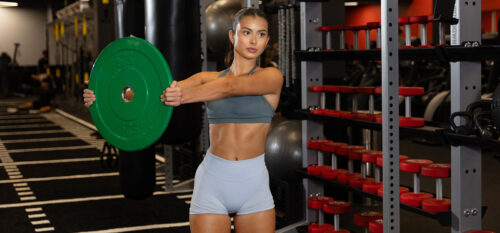
Holding plates challenges grip strength and forearm endurance while emphasizing neutral elbow positioning, great for brachioradialis development.
Pro Tip: Use carrying weights back to the rack as part of your training. Every carry helps build strength.
Forearm exercises are simple, but small mistakes in your routine can limit your grip strength and upper body performance. Here’s what to avoid:
You don’t need a separate arm day for forearm exercises. Just add them thoughtfully to your weekly strength training. Here’s how to include them without overdoing it:
Remember, building forearm strength also improves your grip, which is important for overall health and longevity. Strong hands lead to stronger lifts and a stronger body.
If you want a stronger grip, better hand strength, and more upper body power, how you train matters. Forearm exercises are most effective when you plan them with purpose, not just add them after bicep curls. If your grip fails during deadlifts or you have trouble holding heavy dumbbells, having a clear plan and support can really help.
Training your forearms is not about doing more exercises, but about doing them correctly. A good strength plan helps you build forearm muscles and keeps your wrists and elbows safe.
A structured training plan can help you:
If your forearms get tired before your back, making a few smart changes can quickly improve your performance.
Building stronger forearms takes variety. Using different grip angles and weights helps you develop real, practical strength.
Options may include:
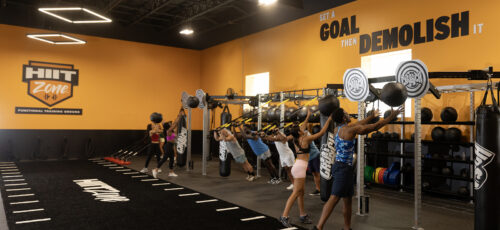
Training in a functional space lets you work on your grip strength in ways that carry over to lifting and sports.
Dynamic workouts help your grip strength improve naturally. Strength circuits, HIIT, and functional classes keep your forearms working without getting boring.
Crunch promotes a culture of positivity, inclusivity, and fun with no judgments by providing an environment for all individuals, regardless of their health and fitness goals. Find a Crunch gym near you to try our free trial membership, or join Crunch now. We’re here for you – at the gym or at home. Access the best live & on-demand workouts anytime, anywhere with Crunch+. Ready to get sweaty? Try hundreds of workouts for free! Start your free trial now!
You can train your forearms 2–3 times per week. That’s enough to improve grip strength and forearm endurance without overtraining. Just allow at least 48 hours between sessions for proper muscle recovery.
Yes, you can build forearm size with bodyweight exercises like dead hangs and towel grips. These movements improve support grip and muscular endurance. Progress comes from increasing time under tension and staying consistent.
Forearm exercises can be safe if you use light weights and focus on wrist stability. Avoid painful movements and keep your wrists in a neutral position. If pain persists, reduce volume and consider professional guidance.
Yes, dedicated forearm strength exercises can still help even if you lift weights. Compound lifts improve grip strength, but they may not fully train wrist flexion, extension, and pronation. Targeted work builds stronger hands and a better support grip.
Yes, warming up your forearms helps improve blood flow and reduce injury risk. Light wrist curls, resistance band work, or a short dead hang can prepare your forearm muscles for training. A quick warm-up improves performance and control.
Most people notice improved grip strength within a few weeks of consistent training. Visible forearm muscle growth typically takes 6–8 weeks with proper strength training and recovery. Progress depends on consistency and progressive overload.