









The Best Core Workouts You Can Do With Dumbbells
April 21, 2026
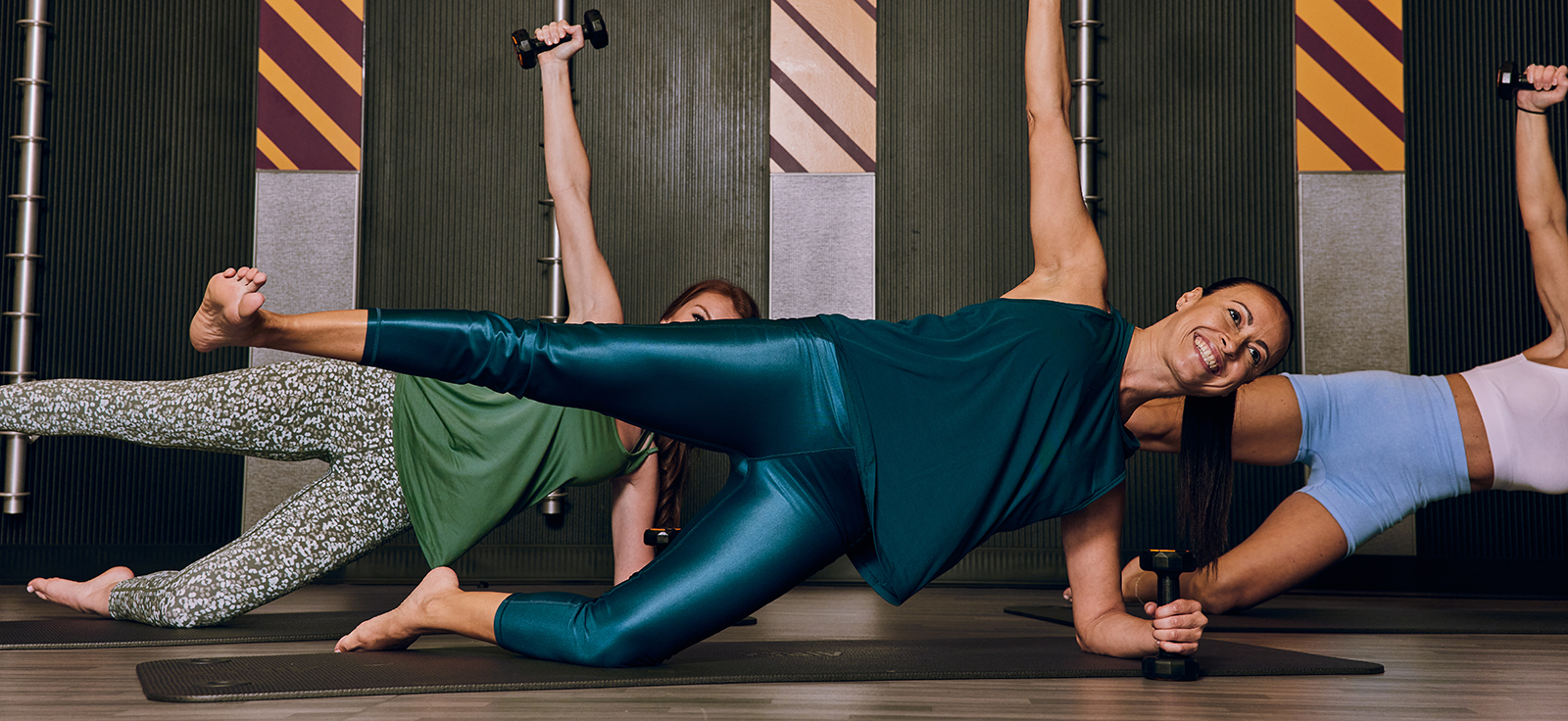
Your core is the center of your body’s strength. Every squat, deadlift, pushup, and overhead press relies on it. Still, many workouts only add a few crunches at the end and call it good. These core workouts with dumbbells change that approach.
True core strength is not just about muscle tone. It’s about building stability, protecting your lower back, and helping your body handle resistance. Using dumbbells makes your core brace, resist twisting, and control movement. This leads to better balance, stronger posture, and more power in exercises like plank rows and Romanian deadlifts.
If your core can control weight, your whole body moves better.
Ready to go beyond basic exercises? Here are the best core workouts with dumbbells to help you build real, lasting strength.
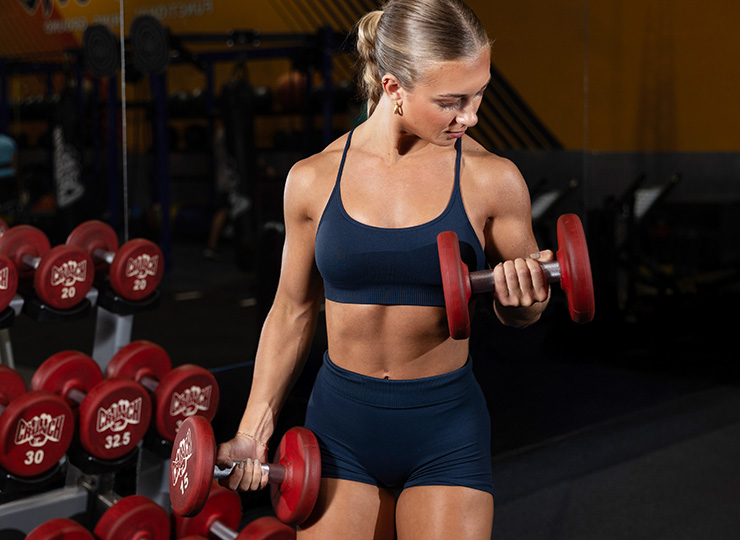
These moves train your abs, obliques, lower back, and deep stabilizers together. You’ll build stability, balance, posture, and power for both workouts and daily life.
Each exercise below adds resistance to your core training. This means more muscle activation, better progress, and more variety than just doing sit-ups over and over.
Pick up your dumbbells and get started.
This underrated core exercise challenges shoulder stability and the abdominal wall at the same time. It’s part plank, part press, and all about control.
How to Do It
Pro Tips
Why It Works: It builds core stability while also training your shoulder stabilizers and balance. This is functional strength at its best.
A loaded twist on traditional crunches that targets the rectus abdominis and upper abdominal muscles.
How to Do It
Pro Tips
Why It Works: Adding resistance to a familiar ab workout helps you progress without putting extra strain on your spine.
Think plank meets row. This move hits core muscles, latissimus dorsi, rhomboids, and spinal stabilizers.
How to Do It
Pro Tips
Why It Works: This is full-body resistance training that strengthens your core while you move, not just in isolation.
A power-focused hinge similar to kettlebell swings. Great for hip flexors, glutes, and core stability.
How to Do It
Pro Tips
Why It Works: It builds explosive power and trains your core muscles to stabilize during dynamic movement.
A challenging dumbbell core workout that targets lower abs and obliques.
How to Do It
Pro Tips
Why It Works: It improves lower abdominal strength and coordination.
A rotational move similar to cable crunch or wood chops. Excellent for internal obliques and external obliques.
How to Do It
Pro Tips
Why It Works: It trains rotational core strength, which is essential for functional fitness and injury prevention.
Loaded lower-ab movement focusing on abdominal muscles and hip flexors.
How to Do It
Pro Tips
Why It Works: It targets your lower core muscles and improves core stability.
A progression from bodyweight exercises that challenges abdominal wall and lower back control.
How to Do It
Pro Tips
Why It Works: It strengthens your lower abs and deep stabilizers.
A squat variation that challenges core balance and posture asymmetrically.
How to Do It
Pro Tips
Why It Works: It builds anti-rotation core strength while also training your legs.
A dynamic sit-up into squat movement that integrates full-body stability.
How to Do It
Pro Tips
Why It Works: It builds coordination and core control while you are under load.
One of the most popular dumbbell ab exercises for obliques.
How to Do It
Pro Tips
Why It Works: It strengthens rotational stability and your obliques.
Targets obliques and lateral core muscles.
How to Do It
Pro Tips
Why It Works: It improves lateral core strength and balance.
Adds movement to a traditional side plank.
How to Do It
Pro Tips
Why It Works: It enhances lateral stability and strengthens your stabilizer muscles.
A rotational plank variation that fires up obliques.
How to Do It
Pro Tips
Why It Works: It trains rotational control and spinal stability.
Combines plank rows with lateral stability.
How to Do It
Pro Tips
Why It Works: It builds anti-rotation strength and upper-back stability.
Advanced lateral core exercise targeting obliques.
How to Do It
Pro Tips
Why It Works: It strengthens your obliques and improves coordination.
A progression from standard sit-ups, adding resistance.
How to Do It
Pro Tips
Why It Works: It builds stronger abdominal muscles by using progressive overload.
These are some of the best core workouts with dumbbells because they train stability, resistance, and real movement, not just isolated muscles. You can pair them into supersets, add them to a core workout, or rotate them into your routine for more variety and progress.
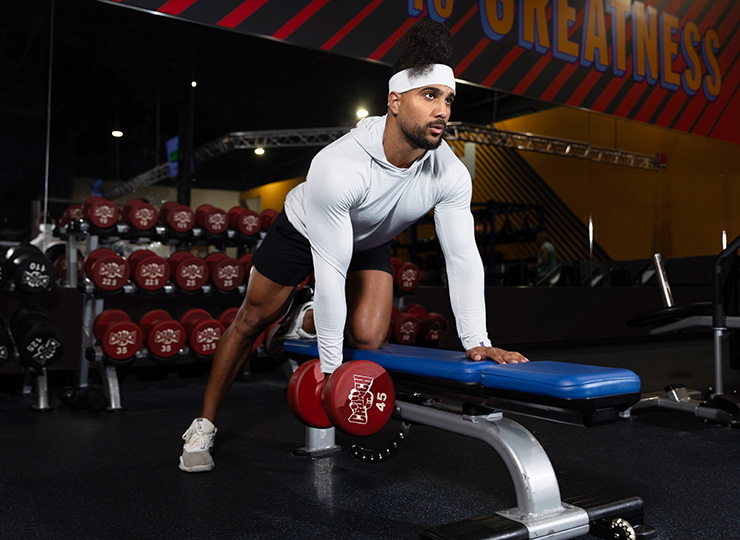
Your core is involved in almost every movement you make, from lifting heavy weights to picking up groceries. So why train it with the same bodyweight crunches forever? Adding dumbbells to your core exercises introduces resistance training that challenges your abdominal muscles, obliques, and lower back in a much more effective way.
When you load movements like plank rows, dumbbell Russian twists, or even a weighted sit-up, your core muscles must stabilize your spine and control movement under tension. That builds true core strength, not just surface-level muscle tone.
It also improves posture, balance, and overall core stability, which supports better performance in deadlifts, overhead squats, and other compound lifts.
Another bonus? Progressive overload. By gradually increasing weight, you stimulate muscle activation and long-term progression. That’s key to strength gains and functional fitness. While nutrition and overall training impact fat loss and body fat percentage, strengthening your core helps create a solid foundation for every goal.
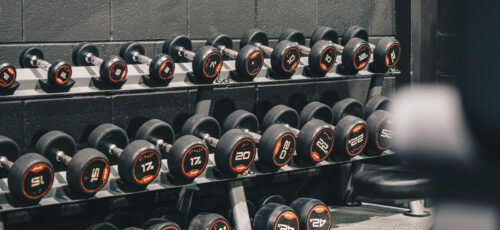
You can get great results with just a few basic pieces of equipment.
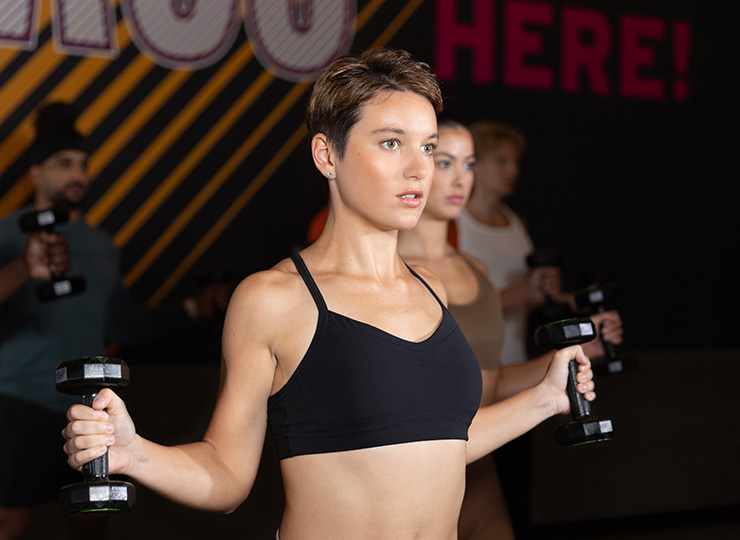
Research consistently shows that core training plays a meaningful role in both athletic performance and injury prevention. A 2025 study found that structured core exercises significantly improved dynamic balance in both athletes and non-athletes.
That means better stability, not just while standing still, but during movement, running, lifting, rotating, and changing direction. In other words, your core is not just for aesthetics. It’s the foundation of functional strength.
Strong core stability makes it easier to maintain proper form during strength training. When your abdominal wall and transverse abdominis are engaged, your spine stays neutral under load. This is especially important during compound movements like deadlifts, Romanian Deadlifts, overhead squats, and front squats.
When core muscles are weak, the lower back often compensates. That compensation increases stress on the spine and can lead to imbalances or discomfort. Studies in sports medicine have shown that insufficient trunk stability is associated with a higher risk of lower extremity injuries. Strengthening the core helps distribute force evenly and reduces unnecessary strain.
A strong core improves how efficiently your body transfers force. During movements like pushups, plank rows, or overhead carry variations, power generated from the lower body must travel through the trunk before reaching the upper body. If the core lacks stability, energy “leaks,” reducing output and control.
Research published in Behavioral Sciences in 2023 reported that targeted core training improved endurance and balance measures in athletes, contributing to enhanced overall performance. This reinforces what many fitness experts observe: improved muscle engagement in the trunk leads to smoother, more controlled movement patterns.
Your core acts as the link between your upper and lower body. Exercises that challenge anti-rotation and lateral stability, such as windmill variations, single-leg Romanian Deadlifts, or rotational wood chops, activate the obliques and deep stabilizers responsible for maintaining balance.
Dynamic stability is crucial not only for athletes but also for everyday movement. Improved balance reduces the likelihood of falls, awkward landings, or joint misalignment during activity. Strong core stability supports efficient body biomechanics in both controlled and unpredictable environments.
Core Strength enhances performance across a wide range of activities. Whether you’re lifting heavy weights, sprinting, or performing resistance training circuits, a stable trunk allows greater force production. Research examining core conditioning programs has shown measurable improvements in power output and endurance over time.
This is especially relevant for movements that require full-body coordination, such as deadlifts, pull-up bar work, or overhead squat patterns. A well-trained core supports greater load tolerance and progression without sacrificing technique.
Core training also improves everyday agility. Rotational control and lateral stability make it easier to carry groceries, twist safely, or lift objects from the floor. The internal obliques and external obliques help guide controlled rotation, while the transverse abdominis stabilizes the abdominal wall during movement.
Agility is not just about speed; it is about control. Strong core muscles allow your body to change direction and manage load without unnecessary strain.
One of the most well-documented benefits of core training is injury prevention. A stable trunk reduces overcompensation by other muscle groups. When the abdominal muscles and lower back function properly, the spine remains supported during demanding lifts.
In particular, strengthening the core can reduce stress on the lumbar region during heavy strength training. Research in rehabilitation science has shown that improving trunk endurance is associated with decreased lower back discomfort and improved functional outcomes.
Core muscles also influence breathing mechanics. The transverse abdominis works in coordination with the diaphragm to regulate intra-abdominal pressure. Proper engagement supports upright posture and efficient breathing during cardio workouts or high-intensity sessions.
Maintaining an upright position during recovery improves airflow and helps regulate heart rate more effectively. A strong core makes this posture easier to maintain under fatigue.
Low back discomfort is often linked to poor trunk endurance and weak stabilizers. When the abdominal muscles do not adequately support the spine, excessive load shifts to passive structures like ligaments and discs.
Strengthening both the front and back of the core, including the spinal stabilizers, helps create balanced support. Consistent core training has been shown to reduce certain types of lower back pain, particularly when combined with proper movement patterns.
Your core plays a direct role in posture. The abdominal wall, along with muscles like the trapezius and latissimus dorsi, helps maintain spinal alignment. When these muscles fatigue, slouching becomes more likely.
Improved core strength enhances postural endurance. Over time, better posture supports healthier spinal mechanics and reduces strain during long periods of sitting or standing.
Mobility is not just about flexibility exercises. It is about controlled, stable movement through a range of motion. A strong core provides the stable base necessary for efficient hip, shoulder, and spinal mobility.
When the trunk is stable, joints can move more freely without compensation. This allows smoother transitions during exercise and everyday activity. Core training supports progression in strength, endurance, and functional performance.
A strong core is about building a solid foundation that supports your spine, boosts stability, improves performance, and protects your body during workouts and in daily life.
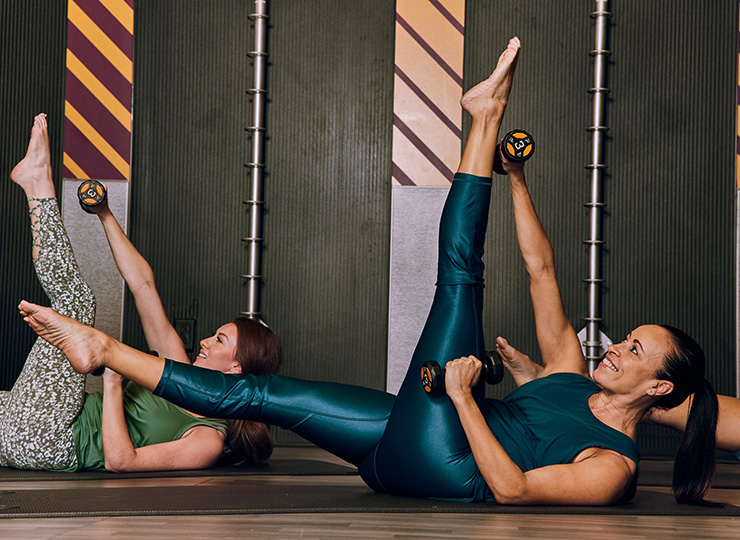
Building real core strength takes more than just adding a few crunches at the end of your workout. At Crunch Fitness, we support your core training with the right programming, coaching, and equipment, so you can move better, lift stronger, and avoid injuries.
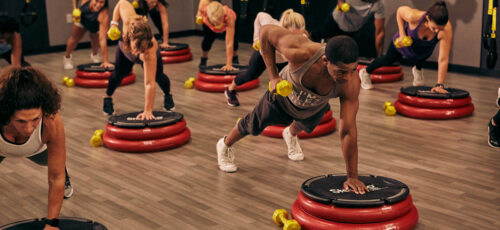
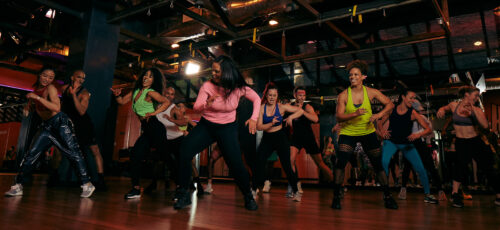
If you thrive on energy and accountability, group fitness is a powerful way to strengthen your core muscles. Many classes naturally incorporate planks, rotational movements, resistance training, and stability work that challenge your abdominal muscles and lower back.
Whether you’re working through strength circuits or high-intensity intervals, your core stays engaged the whole time. Group classes are structured, motivating, and much more fun than doing sit-ups by yourself.
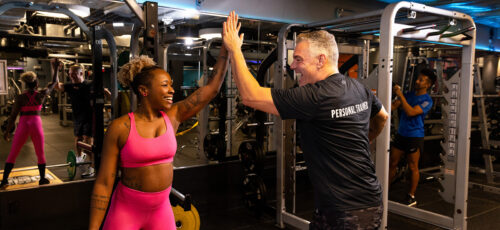
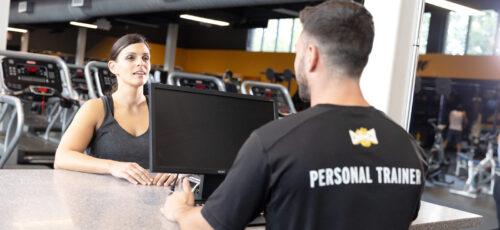
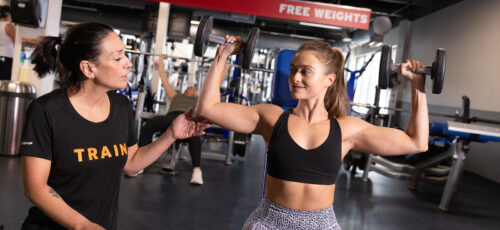
Not sure where to begin? A personal trainer can check your movement and posture. They’ll teach you proper form for exercises. With expert help, you’ll build strength safely and make steady progress.
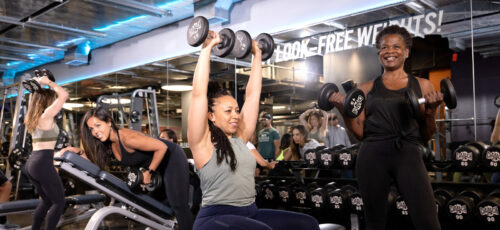
Crunch offers everything from dumbbells and cable stations to turf areas, giving you the tools to train your core with real movement. This leads to smarter workouts and better results.
Crunch promotes a culture of positivity, inclusivity, and fun with no judgments by providing an environment for all individuals, regardless of their health and fitness goals. Find a Crunch gym near you to try our free trial membership, or join Crunch now. We’re here for you – at the gym or at home. Access the best live & on-demand workouts anytime, anywhere with Crunch+. Ready to get sweaty? Try hundreds of workouts for free! Start your free trial now!
Dumbbell core exercises can help build stronger, more defined abdominal muscles, but visible abs also depend on overall body fat percentage. Strength training your core improves muscle tone, while nutrition and consistent workouts play a key role in fat loss. A strong core makes your abs more noticeable once body fat decreases.
Yes, you can easily add dumbbells to your regular core workouts to increase resistance and challenge your muscles. Adding weight to movements like Russian twists, sit-ups, or plank rows boosts muscle engagement and core stability. It’s a simple way to progress without changing your entire routine.
Your dumbbells should be heavy enough to challenge you but light enough to maintain proper form and spine control. Start with a manageable weight and focus on slow, controlled reps. If your lower back feels strained or your posture breaks down, the weight is too heavy.
Yes, beginners can do dumbbell ab exercises as long as they start light and prioritize technique. Simple moves like a dumbbell crunch or controlled Russian twist help build core strength safely. Master bodyweight control first, then gradually add resistance.
You can perform dumbbell ab workouts two to four times per week, depending on your overall fitness routine. Your core muscles need recovery just like any other muscle group. Consistency, not daily volume, drives results.
Yes, dumbbell ab exercises can be adjusted for all fitness levels by modifying weight, reps, or movement complexity. Beginners can use lighter resistance, while advanced lifters can increase load or add progressive overload. The key is maintaining core stability and proper form.