









What Does Red Light Therapy Do? | Crunch Fitness
August 24, 2026
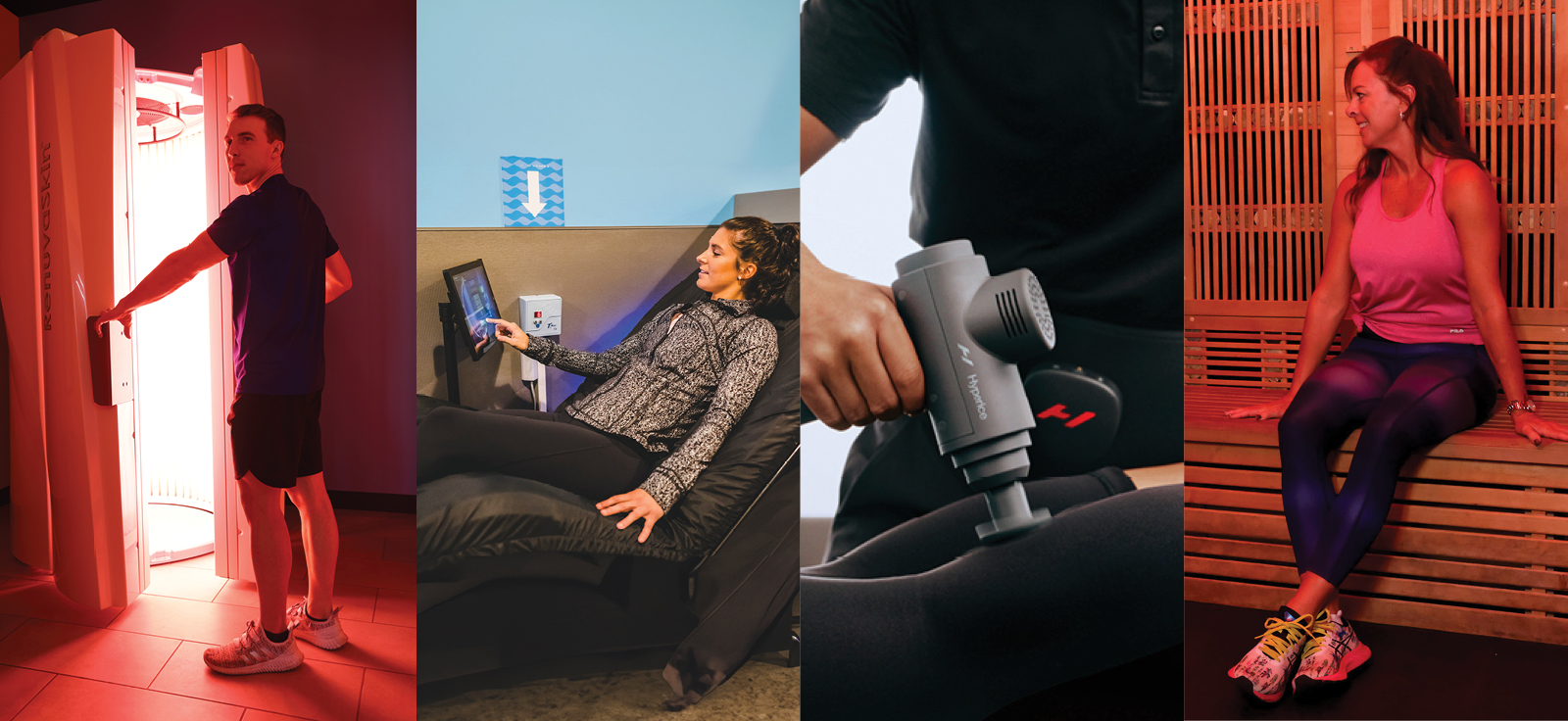
What Does Red Light Therapy Do? Benefits, Uses, and What to Expect
The information provided in this article is intended for educational purposes only and should not be considered medical advice. Always consult a qualified healthcare provider before making decisions about your health or treatment.
Have you ever asked yourself if red light therapy is truly supported by science, or if it’s simply another passing wellness trend?
Red light therapy has become popular with everyone from LeBron James and celebrities like Victoria Beckham and Emma Stone to Navy SEALs and regular fitness fans. People use it not just for athletic recovery, but also to support healthier-looking skin and general well-being.
Red light therapy is a non-invasive treatment that uses certain wavelengths of red and near-infrared light to trigger natural processes in your body’s cells.
Scientists are still exploring how red light therapy might help with muscle recovery, lower inflammation, improve skin, ease joint pain, and boost overall well-being.
This guide covers what research says about red light therapy, how it works, its possible benefits, the types of devices you can use, and what results you can expect. We’ll also clear up common myths, talk about safety, and offer tips to help you get the most from each session.
Curious if red light therapy should be part of your recovery routine? Let’s dive in and find out what you need to know.
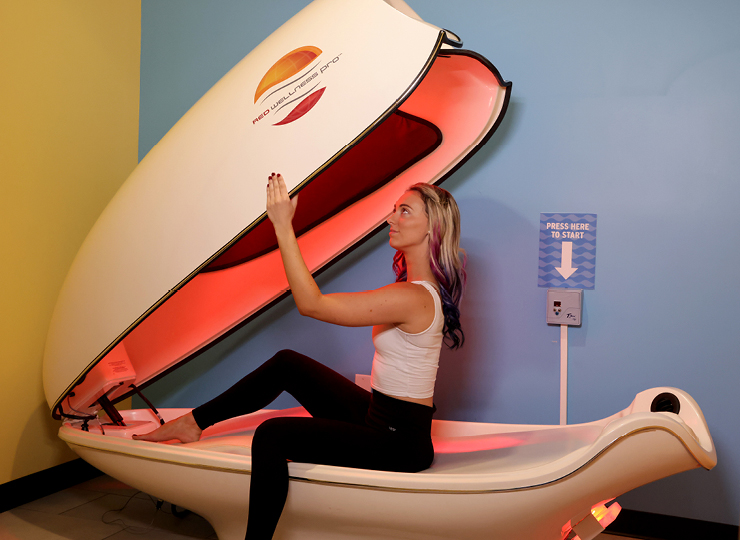
Red light therapy is quickly gaining popularity, but how much of its reputation is actually backed by research?
The truth is more complex than headlines make it seem. Scientists have found promising evidence for some uses, but not every claim is proven.
According to dermatologists at Stanford Medicine, red light therapy, also known as photobiomodulation, has been studied for decades and has shown the strongest evidence in areas such as hair growth, skin rejuvenation, and reducing tissue inflammation.
However, researchers point out that results can vary depending on the wavelength, how long you use the therapy, and the quality of the device.
So, what happens inside your body when you use red light therapy?
Nour Kibbi, Zakia Rahman, and many other scientists believe specific wavelengths of red and near-infrared light penetrate the skin and stimulate biological processes within cells.
These light waves might boost your cells’ energy, improve blood flow, and help repair tissue, all without causing heat or harming your skin.
Research has found several promising results:
What about using red light therapy for exercise recovery, better sleep, or athletic performance? Stanford experts say these uses make sense biologically, but the evidence is still limited and inconsistent. Bigger, more standardized studies are needed before we can draw strong conclusions.
Red light therapy isn’t a miracle cure, but it’s not a myth either. There’s real scientific support for some uses, but it works best as a wellness tool alongside exercise, medical care, and other proven treatments.
Discover: Relax & Recover® at Crunch
If you’re curious why both elite athletes and regular gym-goers are talking about red light therapy, you’re not alone.
Here’s what science says about its benefits:
Inflammation helps your body heal, but if it sticks around too long, it can cause soreness, stiffness, and slow down your recovery.
Research suggests that photobiomodulation (another name for red light therapy) may help regulate the inflammatory response by reducing oxidative stress and influencing how cells communicate during healing. A review published by Harvard Medical School researcher Dr. Michael Hamblin highlights its anti-inflammatory effects across muscles, joints, and soft tissues.
Possible benefits include:
Most people want healthier-looking skin. One of the main reasons people use red light therapy is to improve how their skin looks. Researchers think certain wavelengths can stimulate fibroblasts, the cells that make collagen and elastin, which may help your skin’s texture, tone, and elasticity over time.
Dermatologists at Stanford Medicine say that clinical studies have shown improvements in wrinkles, skin smoothness, and overall skin quality after regular treatments, though results can vary for each person.
Can light really help your body heal? Red light therapy seems to help form new blood vessels, boost circulation, and increase your cells’ energy (ATP), all of which are important for tissue repair.
Some studies have found faster healing of wounds and soft tissue injuries, but experts agree that more large clinical trials are needed.
“For body surface structures, studies show that red light therapy holds promise in accelerating wound healing. In sport performance studies, low-level laser therapy is typically delivered pre-exercise and reveals beneficial effects on exertion recovery, improvements in muscle strength, endurance, and reduced fatigue.”
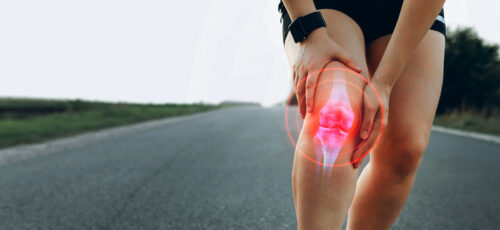
Whether you’re recovering from a tough workout or dealing with ongoing knee pain, easing discomfort can help you stay active.
Healthcare reviews suggest red light therapy might reduce pain and improve movement in people with muscle or joint issues by lowering inflammation and helping tissue heal.
The review described photobiomodulation as “an effective treatment modality for pain and inflammation,” highlighting its potential to support recovery through anti-inflammatory and regenerative effects. While more standardized clinical trials are needed, the findings suggest it may be a useful addition to a broader treatment plan.
It shouldn’t take the place of medical treatment, but it can work alongside exercise, mobility routines, and physical therapy.
Collagen is a protein that keeps your skin firm, smooth, and strong, but your body makes less of it as you get older.
Lab and clinical studies suggest red light therapy can activate fibroblast cells, which help your body make more collagen and improve skin elasticity over time. That’s why it’s often used in dermatology and cosmetic treatments.
In a randomized controlled trial involving 136 volunteers, researchers found that participants receiving red and near-infrared light therapy showed “significantly improved… collagen density,” along with better skin complexion and texture.
Keep in mind that, like building strength, boosting collagen takes time. Being consistent is important.
This is why many gym-goers are interested in red light therapy. Could a few minutes of light exposure help you recover faster after a tough workout? It’s possible.
Several sports medicine studies suggest photobiomodulation may reduce delayed onset muscle soreness (DOMS), decrease muscle fatigue, and support recovery by improving mitochondrial function, reducing oxidative stress, and increasing cellular energy production.
Some studies have even seen small improvements in muscle performance, though the methods used still vary.
“The results demonstrated a statistically significant reduction in VAS scores at 72 h (pooled SMD = -0.55) and 96 h (pooled SMD = -0.56), indicating a moderate effect. Muscle strength showed significant improvement at 24 h (pooled SMD = 0.97) and 48 h (pooled SMD = 0.99), reflecting a large effect size… These findings suggested that PMT may be an effective intervention for managing DOMS, with potential effects on reducing pain, enhancing muscle strength, and decreasing biochemical markers of muscle damage.”
Researchers are looking into whether red light therapy can improve sleep, support your body’s natural rhythms, and boost mental well-being. Even just better sleep can help with recovery, energy, mood, and exercise performance.
Early results are promising, but experts say we need more high-quality research before we can be sure about mental health benefits.
One of the largest reviews to date analyzed 204 randomized clinical trials involving more than 9,000 participants. Researchers found moderate evidence supporting red light therapy for several conditions, including knee osteoarthritis, fatigue associated with fibromyalgia, and hair growth, but concluded that many other applications still require additional research.
Have you ever thought about your recovery routine being just as important as your workout?
A lot of people spend hours planning their workouts but only a few minutes thinking about recovery. But it’s during recovery, not while you’re lifting or running, that your body repairs muscles, adapts, and gets ready for your next challenge.
That’s why recovery is such a big topic in fitness. Ice baths, foam rollers, massage guns, compression boots; and now, red light therapy is part of the mix.
Why the excitement?
Unlike treatments that just help you relax, red light therapy works at the cellular level. It’s not a miracle cure, but research suggests it may support your body’s natural recovery, making it a good option for people who want to stay active without always feeling sore.
To build a strong recovery plan, remember the habits that always deliver results:
Your best workouts often come after your best recovery days. When you recover well, you can train more consistently, perform better, and keep moving toward your fitness goals.
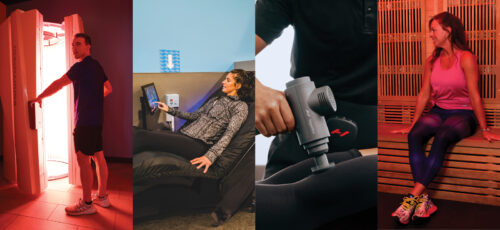
Red light therapy devices aren’t all the same. Some treat large areas, while others focus on things like skin care or joint pain. Knowing the differences can help you pick the right one for your needs.
For most healthy adults, red light therapy is safe when used as directed. Unlike UV light, red and near-infrared light won’t damage your skin or raise your risk of skin cancer. Treatments are non-invasive, painless, and don’t require needles, medicine, or downtime.
Still, safe doesn’t mean risk-free. How well red light therapy works and how safe it is depends on things like the wavelength, how long you use it, the device’s quality, and how you use it. Using a device too much won’t give you better results and could cause temporary skin irritation or eye discomfort if you don’t take the right precautions.
Before starting red light therapy, keep these tips in mind:
If you’re unsure whether red light therapy is right for you, talk to a qualified healthcare professional before starting.
Learn more: Benefits of Sauna
Wouldn’t it be great if one session fixed everything? Just like strength training or building your fitness, red light therapy works best with regular use.
Some people feel temporary relief from muscle soreness after just one session, but most research shows that real improvements happen after several weeks of regular treatments.
How long it takes depends on your goals:
There’s a lot of hype about red light therapy, but not everything you hear is true. Here are some common myths and the real facts.
Discover: Does an Infrared Sauna Burn Calories?: Facts and Myths
At Crunch, you’ll find the tools, guidance, and support you need to recover smarter, train regularly, and keep making progress toward your fitness goals.
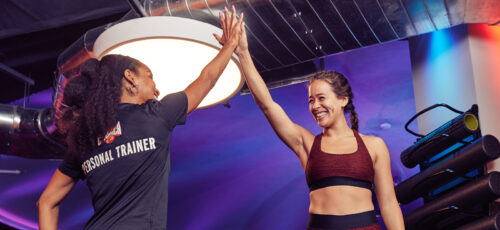
Everyone’s fitness journey is unique. Crunch’s certified trainers can help you figure out your goals, fitness level, and recovery needs, then create a program that balances tough workouts with enough recovery. Training smarter helps you perform better and avoid overtraining.
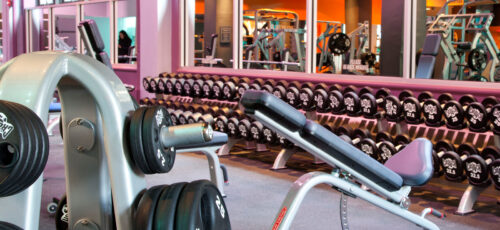
Whether you’re lifting weights, working on mobility, or focusing on movement, Crunch has a wide range of equipment to support every part of your fitness journey. Functional training spaces, free weights, cardio machines, and recovery amenities at some locations make it easier to build a balanced routine.
Recovery also means staying consistent without burning out. Crunch’s group fitness classes help you stay motivated and active, with options from strength and cycling to yoga and mobility. Mixing up your workouts can prevent overuse, keep things fun, and support long-term success.
Crunch promotes a culture of positivity, inclusivity, and fun with no judgments by providing an environment for all individuals, regardless of their health and fitness goals. Find a Crunch gym near you to try our free trial membership, or join Crunch now. We’re here for you – at the gym or home. Access the best live & on-demand workouts anytime, anywhere with Crunch+. Ready to get sweaty? Try hundreds of workouts for free! Start your free trial now!
Red light therapy might help with muscle recovery, lowering inflammation, improving skin, easing joint pain, and helping wounds heal. Research looks promising, but it works best when you use it along with other healthy habits.
Yes, red light therapy is a real treatment that has been studied for many years. Research shows it can help with skin health, muscle recovery, and pain, but more studies are needed for some uses.
Red light therapy does not hurt and usually feels warm and relaxing. Most people just sit or stand in front of the device while the light shines on their skin for a few minutes.
Yes, you can use red light therapy at home with a quality device designed for personal use. Professional equipment may provide higher power and larger treatment areas, but consistency and proper use are important regardless of the device.
Red light mainly works on the surface of your skin, so it is often used for skin health and boosting collagen. Near-infrared light goes deeper into muscles and joints, so people use it to help with recovery and soreness.
Red light therapy might help with joint pain by helping your body heal and lowering inflammation. Many people use it along with exercise, stretching, and advice from a healthcare professional for the best results.
No, red light therapy is not a substitute for stretching, rest days, or eating well. It works best when you also exercise, get good sleep, drink enough water, and follow healthy recovery habits.