









Is Red Light Therapy Safe? | Crunch Fitness
October 10, 2026
The information provided in this article is intended for educational purposes only and should not be considered medical advice. Always consult a qualified healthcare provider before making decisions about your health or treatment.
After a workout, sore muscles can make any recovery shortcut look appealing, especially one that involves standing in front of a red light. Athletes, new gym members, and longtime lifters are adding it to their routines, but the main question is: is red light therapy safe?
When used properly and following the device’s instructions, red light therapy may help muscle recovery with few side effects for most healthy adults. Whether you are a beginner or have years of training, the same rules apply. Device quality is important, timing matters, and you need to protect your eyes and skin. Recovery should feel relaxing, but it should always be done with care.
In this article, we’ll explain the differences between red and near-infrared light and how each may affect muscle recovery. We’ll also look at UV exposure, burns, eye safety, side effects, and whether it’s better to use red light therapy before or after exercise.
We’ll also cover how long sessions should last and review research on DOMS, strength, endurance, fatigue, pain, and injury recovery. Finally, we’ll show how Crunch can help everyone, from beginners to experienced athletes, build a safer, more balanced recovery routine without forgetting the basics.
Let’s get started.
Red light therapy is a type of photobiomodulation (PBM) that uses red and near-infrared light to affect how cells work. Unlike a sauna, it does not heat your muscles. Instead, a sports-medicine overview explains that the light interacts with mitochondria, the “power stations” inside cells, and can influence energy production, oxidative stress, and repair signals. In simple terms, it is not a magic fix for muscles, but a recovery tool that researchers are still learning how to use effectively.
People often think red and near-infrared light are the same, but they are different. Red light is visible and usually has shorter wavelengths, around 600 to 700 nanometers. It mostly affects tissue near the skin’s surface, so it is often used for skin and other surface treatments.
Near-infrared light cannot be seen and has longer wavelengths that reach deeper into the body. According to a review of photobiomodulation, “shorter wavelengths (600 to 700 nm) are considered best to treat superficial tissue, whereas longer wavelengths … are preferred to treat deeper tissues.” This means near-infrared light is especially useful for treating muscles, joints, or other deep tissues.
However, wavelength is not the only factor that affects how well a treatment works. The power of the device, how far it is from the skin, how long it is used, and the type of tissue all play a role in how much light reaches the target area. Many recovery systems use both red and near-infrared light to treat both surface and deeper tissues, but using more types of light does not always lead to better results.
Imagine you’ve just finished a tough leg workout and, instead of heading straight for the couch, you use a light panel on your quads. You can try photobiomodulation before exercise as “preconditioning” or after as part of your recovery.
A review of 46 studies with 1,045 participants looked at things like fatigue, repetitions, torque, creatine kinase, and muscle soreness. The researchers found that “both preconditioning (light delivered to muscles before exercise) and PBM applied after exercise can increase sports performance in athletes.” Still, because the studies used different types of light, devices, doses, and muscle groups, there isn’t one set method that works for everyone.
One randomized, double-blind trial with 24 healthy men showed more cautious results. The researchers said the treatment “reduces the muscle echo intensity response and possibly attenuates the muscle soreness.” But it didn’t make a big difference in strength. So, PBM might help with some signs of muscle damage or soreness, but it won’t make you stronger right away. The light can support recovery, but real progress still comes from your training.
For most healthy adults, red light therapy seems to be a low-risk recovery option when a reputable device is used as directed. A 2025 expert consensus on photobiomodulation found that PBM is generally safe for adults and that red-light PBM does not cause DNA damage.
However, being safe does not mean you should use it for as long as you want. Device intensity, distance, session length, eye protection, medications, and medical history are all important. Both beginners and experienced athletes need to take the same precautions; experience does not make overexposure safer.
Red light therapy should support your recovery, not hide an injury. If you have sharp pain, major swelling, weakness, numbness, or pain that keeps getting worse, you should see a professional. For everyday stiffness, you can check out Crunch’s guide to yoga for muscle recovery and create a routine that includes rest, nutrition, hydration, and gentle movement.
No. Legitimate red light therapy devices use visible red and near-infrared wavelengths, not the ultraviolet radiation used by tanning beds. That means PBM is not designed to tan the skin and does not carry the same UV-related mechanism of skin damage.
Still, make sure you know what the equipment actually provides. Some wellness booths use several technologies, so choosing the red-light setting is not the same as picking a tanning mode. Follow the posted instructions and ask a staff member if you are unsure about the controls. Red light may look impressive, but recovery should not feel like sunbathing with extra effects.
Properly delivered PBM is generally nonthermal, meaning its goal is to influence cellular activity without significantly heating tissue. The FDA reports relatively few complications from low-level light, although rare reactions can include burns, itching, sensitivity, pigmentation changes, and pain.
The amount of exposure still matters. In two randomized safety trials, very high red-light doses sometimes caused blistering or long-lasting redness, while milder reactions included temporary redness and changes in skin color. These controlled doses should not be used at home.
Use the recommended timer, keep the right distance, and stop if you feel burning or unusual discomfort. People with photosensitivity or who take medications that increase light sensitivity should talk to a healthcare professional first.
Red light therapy can be risky for your eyes if you look directly at the bright light or use the device incorrectly. Near-infrared light adds another concern because you cannot see it, but your eyes can still be affected. The FDA recommends wearing protective goggles during light-based treatments.
Follow the eye-protection instructions for your equipment exactly. Do not assume that closing your eyes is enough instead of using approved goggles. Avoid looking directly at the LEDs, and talk to a healthcare or eye-care professional before use if you have an eye condition, recent eye surgery, or increased sensitivity to light.
Remember, the basics of recovery are always important. After your session, keep supporting your body by following Crunch’s tips for staying hydrated during your workout plan.
Red light therapy is usually safe in the short term, but your body may show signs if you use too much. Common reactions include temporary redness, warmth, mild sensitivity, itching, or discomfort. These effects should be brief and should resolve by limiting or discontinuing use. If reactions persist, seek the advice of a medical professional. .
A 2026 review looked at seven clinical studies on red and near-infrared photobiomodulation for burn, hypertrophic, and postsurgical scars. The researchers found that “PBM was well tolerated; transient erythema and warmth were most common, with rare blistering at higher fluences.” Since these studies focused on scars, they do not provide a single safety or dosing guideline for workout recovery.
Both the amount of light and the type of equipment are important. In a 2023 study with tissue samples, researchers noted that “the higher the temperature increases beyond 45 °C, the higher the corresponding risk of permanent harm to cells and tissues.” This experiment used high-energy photobiomodulation in controlled conditions, so regular red light sessions do not usually heat human tissue to dangerous levels. Still, it shows that more power is not always better.
Another review of 11 home-use PBM studies found generally favorable safety outcomes but emphasized the need for more randomized research. Devices can vary considerably in wavelength, intensity, and instructions.
Stop the session if you feel burning, ongoing redness, blistering, worsening pain, or eye discomfort. Anyone with photosensitivity, an active skin condition, or who takes medication that increases light sensitivity should talk to a healthcare professional before using red light therapy.
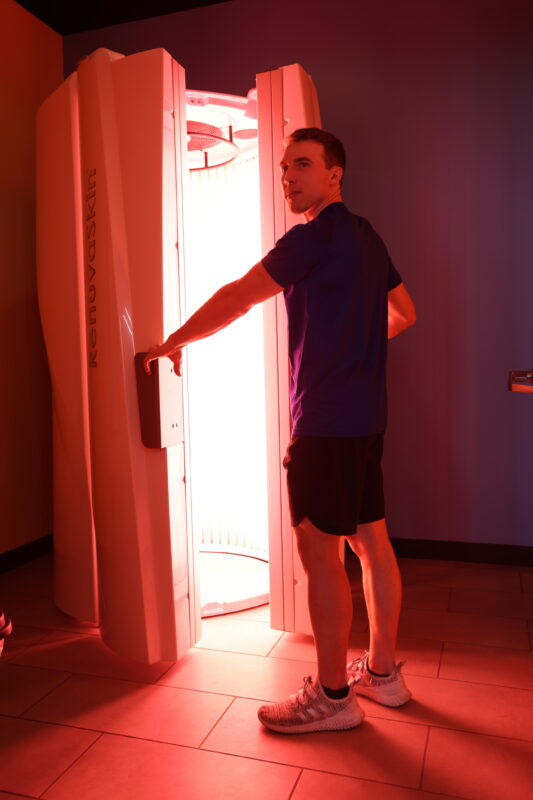
A red light therapy session commonly lasts several minutes to about 20 minutes, but there is no universal countdown that works for every device or goal. A facial mask, localized muscle panel, and full-body unit deliver light differently. The Cleveland Clinic’s LED therapy guide notes that an in-office session may last around 20 minutes, while instructions for home devices vary.
How long you use the device is just one factor. The type of light, its strength, your distance from the panel, and the area you treat all matter. Standing farther away for 10 minutes is not the same as sitting closer for 10 minutes. Always follow your device’s instructions instead of copying routines you see online.
Science sees red light therapy as promising, but not a guaranteed solution. Research suggests photobiomodulation may help with some recovery outcomes, but results depend on the wavelength, dose, timing, treatment area, and the people being studied.
Muscle soreness usually appears after unfamiliar or demanding exercise. A 2025 systematic review and meta-analysis examined 14 studies using wavelengths from 660 to 950 nanometers. The pooled data showed moderate reductions in soreness at 72 and 96 hours and improved muscle strength at 24 and 48 hours. However, only four studies provided enough data for the quantitative analysis, so the results are encouraging rather than final.
Red light therapy may help muscles recover from fatigue, but it does not seem to build strength directly. A 2023 review of 16 studies with 340 healthy adults found better recovery from fatigue, but no significant improvements in strength or functional capacity. In simple terms, PBM might help your muscles feel ready to work again, but it cannot replace regular training or make you stronger without effort.
A 2024 meta-analysis of six trials involving 205 competitive and recreational athletes found that PBM reduced musculoskeletal pain compared with control treatments. However, the two trials assessing return-to-play time did not show that athletes returned sooner.
Feeling less pain does not prove that a strain, sprain, or overuse injury has healed. Red light therapy may complement a recovery or rehabilitation plan, but persistent pain, swelling, weakness, or limited movement deserves professional assessment. The science supports PBM as a possible teammate; not the entire recovery squad.
Recovery is most effective when it includes several parts, not just one method. Crunch can help members combine amenities, training guidance, and healthy habits into a routine that supports consistency, rather than looking for a quick fix for soreness.
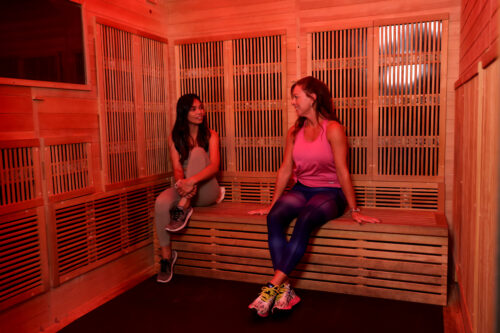
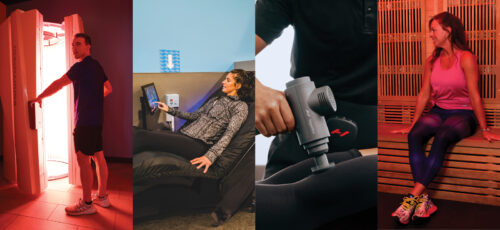
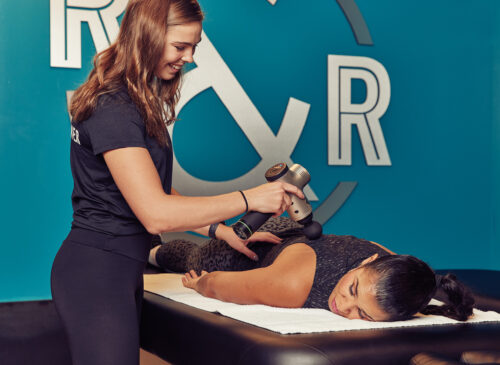
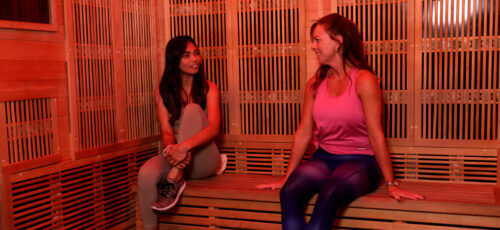
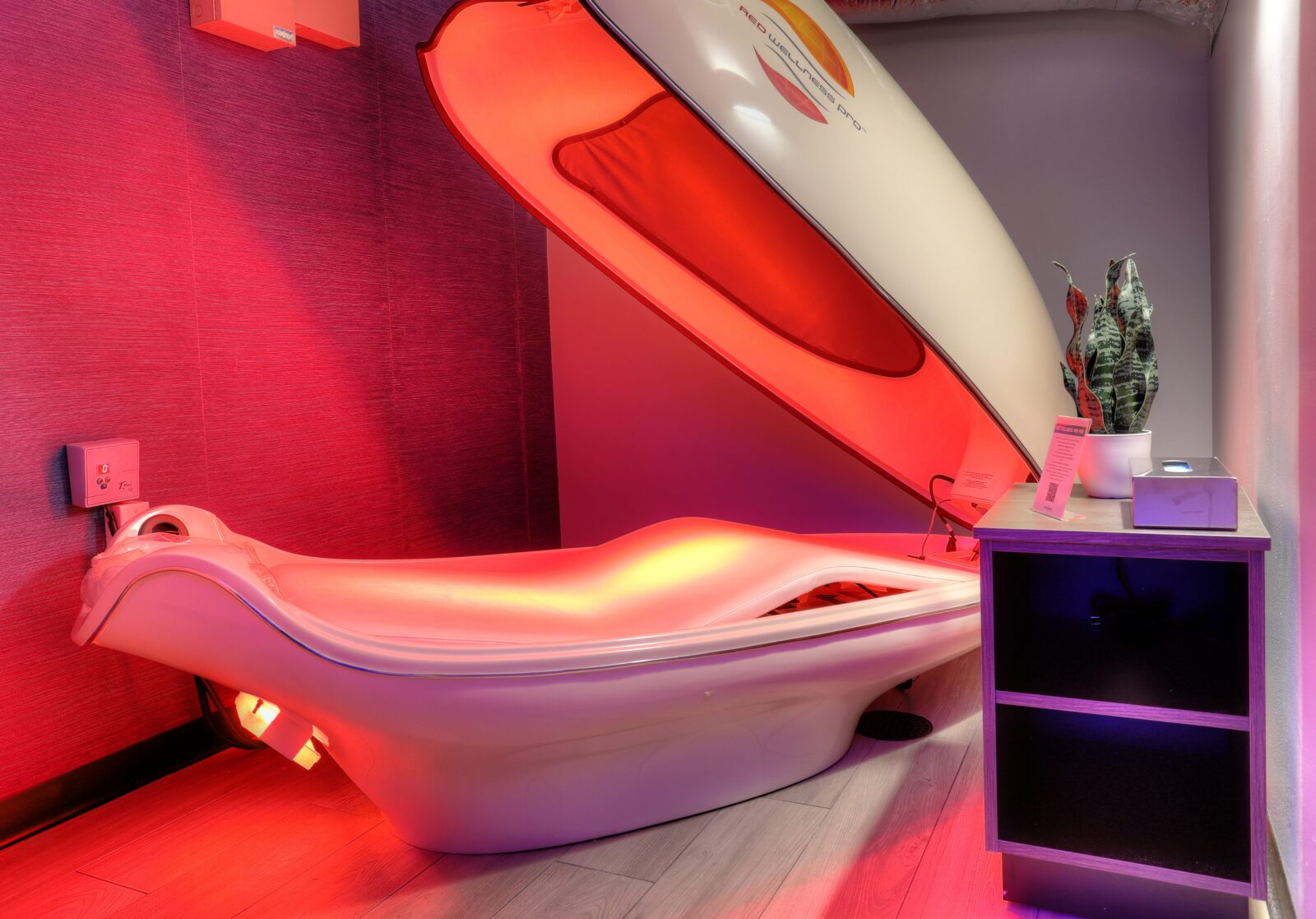
Select Crunch Fitness clubs offer Relax & Recover® amenities such as red light therapy, HydroMassage®, saunas, steam rooms, recovery pods, and massage chairs. Options serve different purposes. Red light therapy may complement muscle recovery, HydroMassage® can provide temporary relief from soreness, and heat-based amenities may help members relax.
Amenities, equipment, and membership access vary by location, so check with your club before planning your post-workout ritual. Follow the instructions for every service and respect the recommended time limits.
Sometimes the recovery problem is not what happens after the workout; it is how the workout was programmed. Through a CrunchONE Kickoff, members can discuss their goals, history, preferences, and limitations while receiving gym-floor guidance.
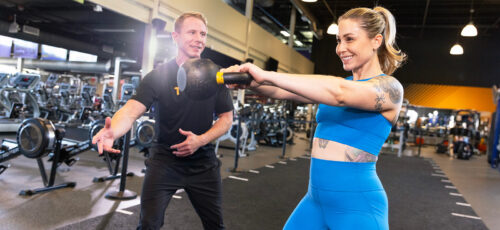
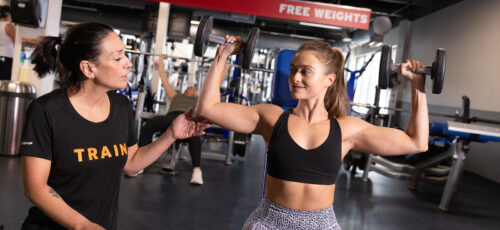
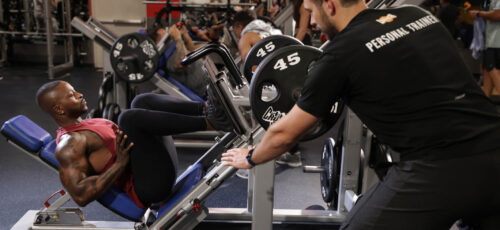
A personal trainer can help organize workout intensity, exercise selection, progression, and rest days so the same muscles are not constantly working overtime. Trainers can provide form feedback and adjust a program when fatigue begins affecting performance. They do not diagnose injuries, so persistent pain, swelling, numbness, or loss of function belongs with a healthcare professional.
Red light therapy can join your recovery plan, but it should not run the whole operation. Sleep, hydration, nutrition, mobility work, movement, and rest remain the foundation.
Check out Crunch’s muscle recovery tips or try yoga for active recovery. Use the tools that work best for your body, schedule, and goals. The best routine is not always the most complicated one; it is the one that helps you recover, get back to your activities, and keep moving.
Crunch promotes a culture of positivity, inclusivity, and fun with no judgments by providing an environment for all individuals, regardless of their health and fitness goals. Find a Crunch gym near you to try our free trial membership, or join Crunch now. We’re here for you – at the gym or home. Access the best live & on-demand workouts anytime, anywhere with Crunch+. Ready to get sweaty? Try hundreds of workouts for free! Start your free trial now!
Red light therapy might help with muscle recovery, lowering inflammation, improving skin, easing joint pain, and helping wounds heal. Research looks promising, but it works best when you use it along with other healthy habits.
Yes, red light therapy is a real treatment that has been studied for many years. Research shows it can help with skin health, muscle recovery, and pain, but more studies are needed for some uses.
Red light therapy does not hurt and usually feels warm and relaxing. Most people just sit or stand in front of the device while the light shines on their skin for a few minutes.
Yes, you can use red light therapy at home with a quality device designed for personal use. Professional equipment may provide higher power and larger treatment areas, but consistency and proper use are important regardless of the device.
Red light mainly works on the surface of your skin, so it is often used for skin health and boosting collagen. Near-infrared light goes deeper into muscles and joints, so people use it to help with recovery and soreness.
Red light therapy might help with joint pain by helping your body heal and lowering inflammation. Many people use it along with exercise, stretching, and advice from a healthcare professional for the best results.
No, red light therapy is not a substitute for stretching, rest days, or eating well. It works best when you also exercise, get good sleep, drink enough water, and follow healthy recovery habits.