









Best Hamstring Exercises for Building Stronger Legs | Crunch Fitness
August 24, 2026
What Are The Best Hamstring Exercises For Stronger, More Powerful Legs?
When people think about building stronger legs, they often focus on their quads, glutes, or calves. But one of the most important muscle groups for strength, speed, and long-term joint health sits on the back of your thighs: your hamstrings. These muscles are responsible for powerful movements like sprinting, jumping, climbing stairs, and lifting weights, while also helping stabilize your knees and reduce your risk of injury.
Hamstrings are often overlooked in training, which can cause muscle imbalances. This may lead to knee pain, tightness, lower athletic performance, and a higher risk of strains. The most effective hamstring exercises work the muscles through both hip extension and knee flexion, helping you build balanced and functional lower-body strength.
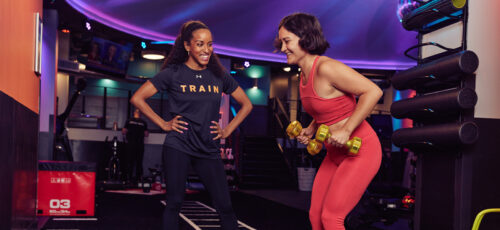
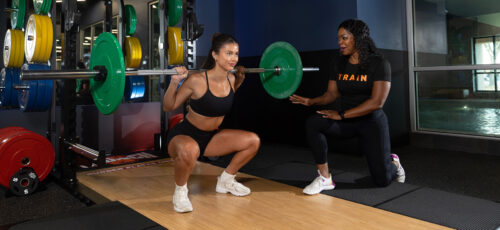
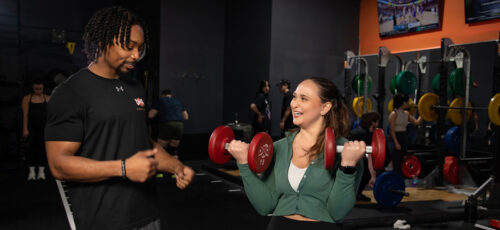
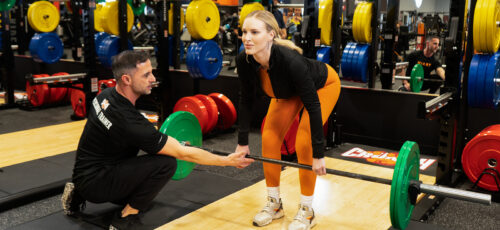
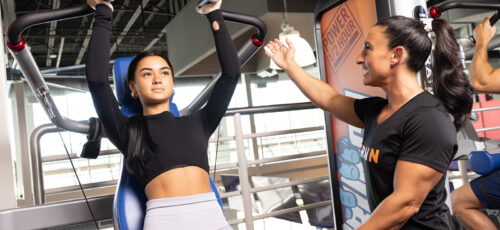
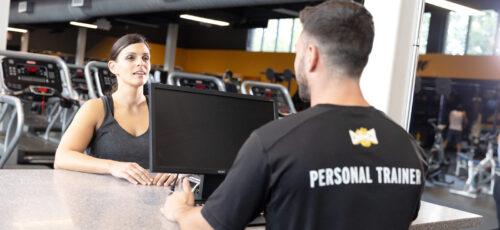
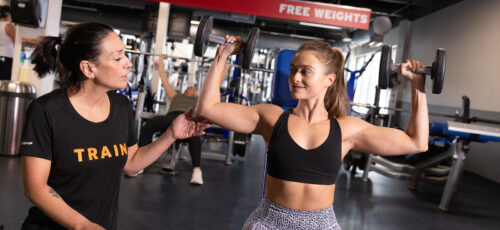
This guide covers the best hamstring exercises for all fitness levels and offers tips to help you get the most out of your workouts. While you can train by yourself, a Crunch Fitness personal trainer can check your movement, fix imbalances, and design a program to help you build stronger hamstrings safely and effectively.

Start by learning how your hamstrings work. They control both hip extension and knee flexion, so a good workout should include exercises for both movements.
Training both movement patterns helps you get stronger, perform better in sports, and keep your knees healthy. It also helps fix muscle imbalances that can happen if you focus too much on your quads.
To get the most out of each workout, remember these basics:
Do this routine two or three times a week, making sure to rest at least 48 hours between sessions. For more ways to strengthen your hamstrings and the rest of your posterior chain, check out Hamstring Strength Exercises for a Stronger Lower Body for more exercises, tips, and guidance.
If you’re new to hamstring training, focus on learning good movement habits and building strength safely. Beginner exercises help you activate your muscles, balance your quads and hamstrings, and get ready for harder workouts later on.
No matter which exercise you choose, remember these fundamentals:
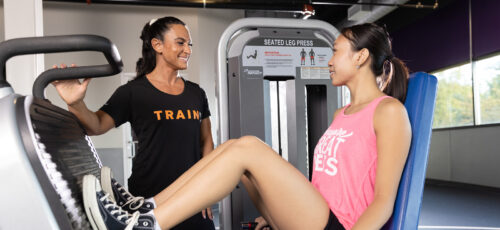
Machine leg curls isolate the hamstrings, making them an excellent starting point for beginners learning how the muscles should feel during training.
How to Do It:
Cable hamstring curls provide constant resistance while improving single-leg strength and stability.
How to Do It:
This exercise strengthens the hamstrings while also engaging your glutes and core.
How to Do It:
Glute-ham raises develop hamstring strength through both the lowering and lifting phases. Beginners can use assistance to maintain good form.
How to Do It:
The Romanian deadlift teaches proper hip hinge mechanics while strengthening the hamstrings and glutes.
How to Do It:
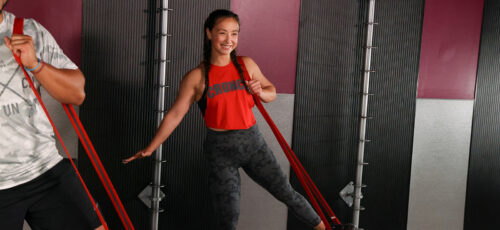
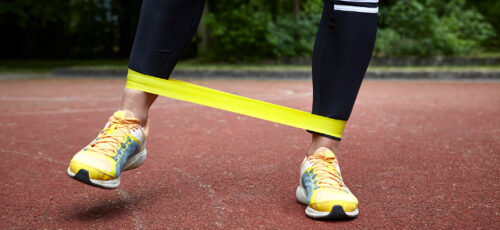
Resistance bands are a simple way to build hamstring strength at home or during warm-ups.
How to Do It:
If you’re just starting out, work on your technique before adding more resistance. Training regularly, using good form, and moving through a full range of motion will help you build stronger hamstrings, healthier knees, and better lower-body strength.
Training hip extension makes your hamstrings stronger, boosts your athletic performance, increases lower-body power, and helps protect your knees by building a stronger and more stable back side.
Here are some of the most effective hip extension hamstring exercises to add to your lower-body workouts.
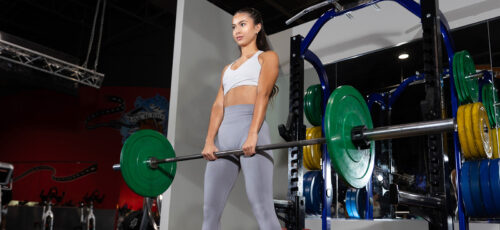
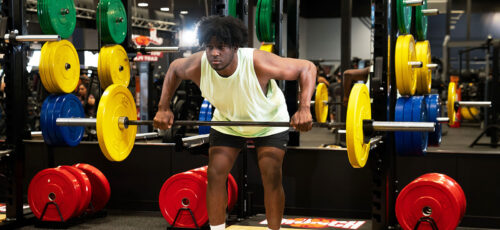
Conventional deadlifts develop total-body strength while placing significant demand on the hamstrings during both the lowering and lifting phases.
How to Do It:
This unilateral exercise improves hamstring strength, balance, coordination, and hip stability.
How to Do It:
Trap bar deadlifts are beginner-friendly while still building powerful hamstrings and explosive lower-body strength.
How to Do It:
Good mornings strengthen the hamstrings while reinforcing proper hip hinge mechanics.
How to Do It:
Moving your feet slightly farther from your body shifts more of the workload from the glutes to the hamstrings.
How to Do It:
While hip extension builds power, knee flexion exercises isolate the hamstrings by training them through their full shortening and lengthening range of motion.
These exercises are great for activating your muscles, fixing hamstring weakness, and balancing your hamstrings and quads. Stronger hamstrings help you build lower-body strength, keep your knees healthy, and lower your risk of strains.
Below are some of the best knee flexion exercises to help you build stronger, more balanced hamstrings.
Lying leg curls isolate the hamstrings while minimizing assistance from other muscle groups.
How to Do It:
Seated leg curls place the hamstrings in a stretched position, increasing muscle activation throughout the movement.
How to Do It:
Training one leg at a time improves muscular balance while strengthening stabilizing muscles.
How to Do It:
Nordic curls are an advanced bodyweight exercise that develops exceptional hamstring strength, especially during the lowering phase.
How to Do It:
This exercise combines hamstring strengthening with core and glute activation.
How to Do It:
Cable curls provide constant resistance throughout the movement and help improve single-leg strength.
How to Do It:
Knee flexion exercises work your hamstrings through their full range of motion. They help you get stronger, improve muscle balance, and keep your knees healthy.
While isolation exercises are excellent for targeting the hamstrings, compound movements train them alongside the quads, glutes, and calves to build complete lower-body strength.
These multi-joint exercises let you lift heavier weights, improve your coordination, and build the kind of strength you need for sports, lifting, and daily life.
The exercises below develop your hamstrings while strengthening every major muscle in your lower body.
A deeper hip hinge during the squat increases posterior chain activation while still developing the quads and glutes.
How to Do It:
Using a deeper range of motion increases hamstring and glute activation compared to partial repetitions.
How to Do It:
Front squats strengthen the entire lower body while reinforcing proper posture and core stability.
How to Do It:
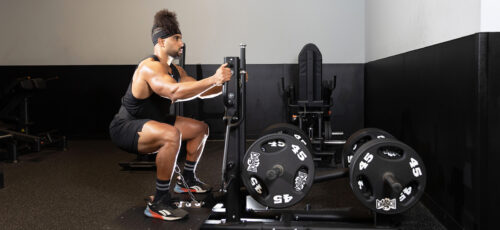
Belt squats load the lower body while reducing stress on the spine, making them an excellent option for many lifters.
How to Do It:
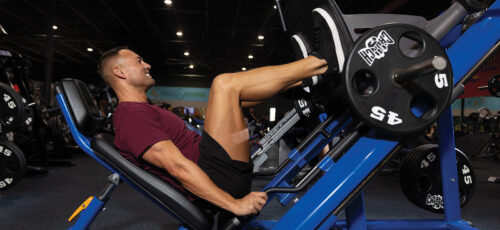
Hack squats provide a stable movement pattern that allows you to safely challenge your lower body with heavier loads.
How to Do It:
Compound exercises help you build a strong base for powerful legs by working your hamstrings, quads, glutes, and other lower-body muscles together. For more ways to build leg strength, check out What Are the Best Quad Strength Exercises Using Compound Movements?
After you have a good base of hamstring strength, you can start adding more advanced exercises to build more power, stability, and athletic ability.
These movements place higher demands on the hamstrings, hips, and core while improving explosive strength for activities like sprinting, jumping, and heavy lifting.
Below are some advanced hamstring exercises for experienced lifters looking to take their training to the next level.
This challenging unilateral exercise builds exceptional hamstring strength while improving balance and hip stability.
How to Do It:
Standing on a small platform increases your range of motion, placing the hamstrings under greater tension throughout the lift.
How to Do It:
Using resistance bands allows you to overload different portions of the movement while maintaining proper technique.
How to Do It:
A deeper hip hinge shifts more work to the posterior chain while developing explosive lower-body power.
How to Do It:
This dynamic variation reinforces powerful hip extension while strengthening the hamstrings and posterior chain.
How to Do It:
Advanced hamstring exercises work well, but they require good technique. Take your time, focus on doing each rep correctly, and stop if your form slips. If you want to move forward safely, a Crunch Fitness personal trainer can check your movement, help with your technique, and design a program that fits your goals. Learn more in Should I Hire a Personal Trainer for Lifting Weights?
Your hamstrings do more than just get sore after leg day. They are made up of three muscles (the biceps femoris, semitendinosus, and semimembranosus) that run along the back of your thighs. These muscles help you extend your hips and bend your knees.
Think about sprinting after a ball, jumping onto a box, climbing stairs, or picking up a heavy box from the floor. Your hamstrings are working hard during every one of those movements. They also act as your knees’ built-in support system, helping stabilize the joint and reduce stress on the ACL (Anterior Cruciate Ligament) during running, jumping, and quick changes of direction.
Anatomy matters because not all hamstring exercises work the muscles the same way. Hip hinge moves, such as Romanian deadlifts, focus on hip extension, while leg curls target knee flexion. Doing both types helps you build stronger, more balanced hamstrings for better performance, healthier knees, and legs that are ready for anything.
You don’t need to be injured to know your hamstrings need more work. Often, your body gives you small hints before pain or strains show up. Spotting these signs early can help you build stronger, more balanced legs and lower your risk of injury.
You may have weak or underdeveloped hamstrings if you notice:
These signs usually mean you have quad dominance. Many people spend more time on squats, leg presses, and leg extensions than on exercises for the back of their legs. Over time, this can hurt your athletic performance, put more stress on your knees, and raise your risk of ACL injuries and hamstring strains.
Balanced hamstring development helps you get more out of your other leg exercises.
Squats, deadlifts, lunges, and athletic drills become stronger and more controlled because the muscles on the front and back of your legs are working together instead of competing. That’s why many coaches recommend maintaining a balanced quad-to-hamstring strength ratio, often around 60/40 or even closer to 50/50, depending on your sport and training goals.
A common mistake in the gym is ignoring your hamstrings. Giving them as much attention as your quads helps you lift more, move better, feel more confident during lower-body workouts, and keep your legs healthy in the long run.
If you want to perform your best, a personal trainer can help by designing a program that works every part of your lower body, not just the muscles you see in the mirror.
Even the best exercises won’t work if you do them wrong. A common mistake is skipping hamstring training and spending most of your leg workouts on squats, leg presses, and leg extensions. Over time, this focus on quads can cause muscle imbalances, affect how you move, and put more stress on your knees.
Other mistakes include:
A good hamstring program includes both hip extension and knee flexion exercises to fully work the muscles.
If you’re not sure if your training is balanced, a Crunch Fitness personal trainer can check your technique, help you move better, and design a program that gets real results. Learn more about seeing results with a personal trainer.
A balanced lower-body program works your hamstrings, quads, glutes, and calves together, instead of just focusing on one muscle group. For most people, training hamstrings two or three times a week is enough to build strength and fix imbalances from quad-heavy workouts.
Start each workout with heavy compound exercises, such as deadlifts or squats, while your energy is highest. Follow these with hamstring isolation exercises like leg curls to fully fatigue the muscles before finishing with accessory work.
A simple beginner workout might include:
More experienced lifters can perform 5–7 exercises, combining bilateral and unilateral movements while varying movement patterns to challenge the hamstrings from multiple angles.
Try to train your hamstrings and quads equally. If your hamstrings are much weaker, add a bit more hamstring work until you feel balanced. Adjust how often you train based on how you recover, how sore you feel, and your progress.
If you’re looking for more ideas, explore Lower Body Strength Training That Delivers Results for additional workout strategies.
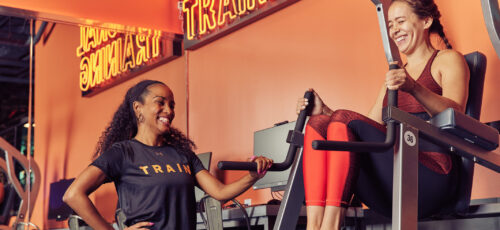
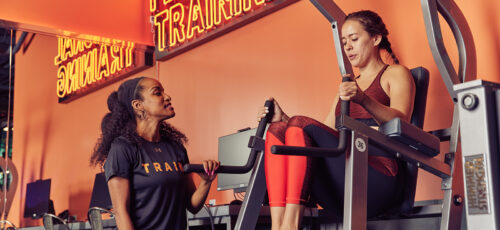
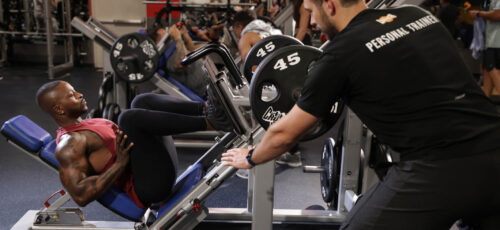
Crunch’s certified personal trainers look at how you move, find any muscle imbalances, and build a program that fits your goals and fitness level.
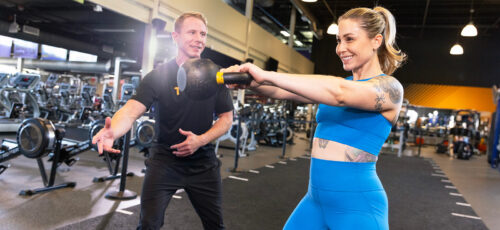
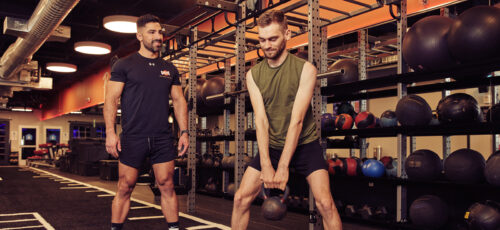
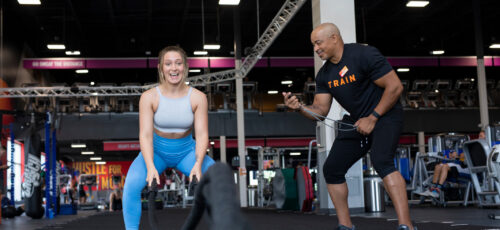
They coach you in real time on hip extension and knee flexion exercises to help you use good technique, get the most out of your hamstrings, and avoid habits that limit your progress.
As you progress, your program evolves to keep you challenged. Learn more about specialized personal trainers and customized training programs.
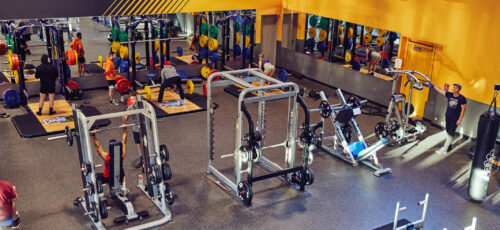
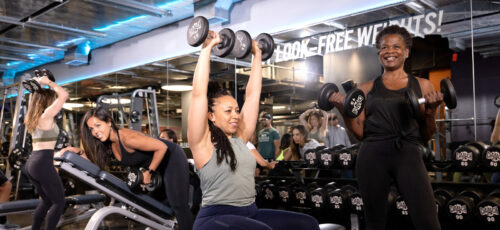
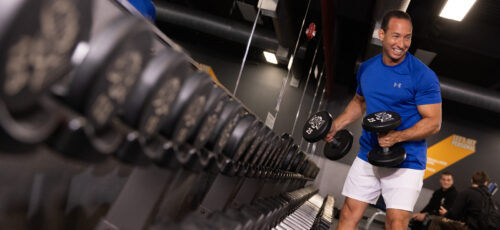
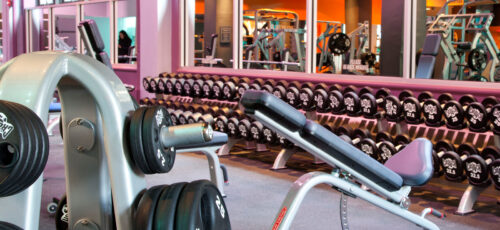
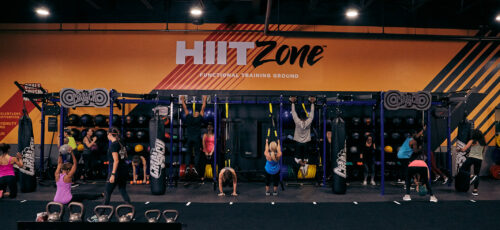
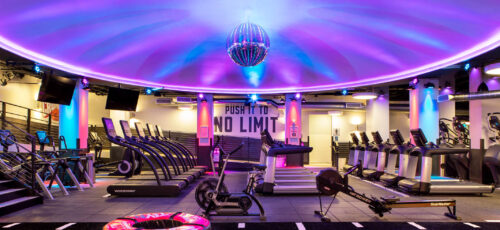
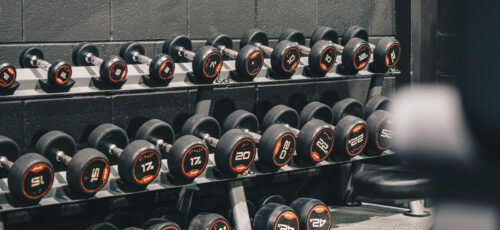
Crunch has everything you need for full hamstring training, including barbells, dumbbells, leg curl machines, cable stations, resistance bands, and other tools. This variety lets you train in different ways and keep getting stronger. Explore what equipment Crunch Fitness provides.
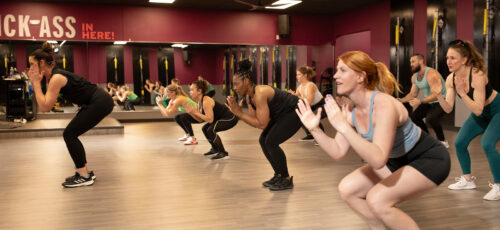
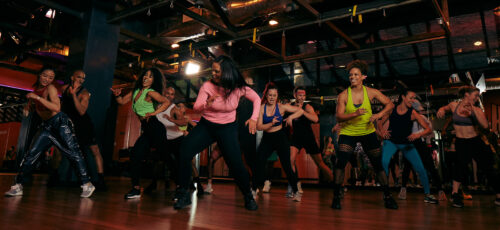
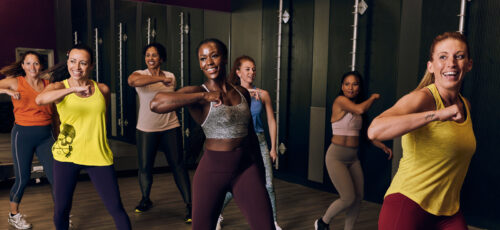
Many Crunch group fitness classes include deadlifts, hip hinges, leg circuits, and other moves that build hamstring strength in a fun, supportive setting. With expert instructors, accountability, and motivating classmates, it’s easier to stay on track and keep improving. Discover the best Crunch group fitness classes for building stronger legs.
Crunch promotes a culture of positivity, inclusivity, and fun with no judgments by providing an environment for all individuals regardless of their health and fitness goals. Find a Crunch gym near you to try our free trial membership, or join Crunch now. We’re here for you – at the gym or at home. Access the best live & on-demand workouts anytime, anywhere with Crunch+. Ready to get sweaty? Try hundreds of workouts for free! Start your free trial now!
Training your hamstrings two or three times a week, with at least 48 hours of rest between sessions, works well for most people. This routine helps you get stronger, keeps your muscles balanced, and supports knee health.
No single exercise is best for your hamstrings. Doing a mix of Romanian deadlifts, leg curls, and other moves that work both hip extension and knee flexion will help you build your hamstrings fully. For more details, check out Hamstring Strength Exercises for a Stronger Lower Body
Leg curls are great for targeting your hamstrings, but you shouldn’t rely on them alone. For the best results, add compound exercises like Romanian deadlifts and deadlifts to work all parts of your hamstrings.
Both options can work, depending on your schedule. Some people train hamstrings and quads together on leg day, while others split them up for more volume and recovery. For more ideas, see What Are the Best Quad Strength Exercises Using Compound Movements?
Most people start to see stronger hamstrings after four to eight weeks of regular training. Your results will depend on your workouts, nutrition, recovery, and how you increase the challenge over time.
Yes, deadlifts are one of the best compound exercises for building hamstring strength. They work your hamstrings through hip extension and also help strengthen your glutes and lower back.
Having strong hamstrings can lower your risk of knee injuries by making your knees more stable and supporting the ACL during activities like running, jumping, and quick changes in direction. While they can’t stop every injury, balanced leg strength is key for prevention.
You can build your hamstrings at home using bodyweight and resistance bands, but going to a gym gives you more equipment and ways to progress. To learn more, check out Gym Membership.
The top gyms have free weights, barbells, cable stations, leg curl machines, and other equipment so you can work your hamstrings from different angles. To see how machines and free weights compare, read Gym Machines vs. Free Weights: Pros, Cons, and Typical Use Cases