









Plank Variations for a Stronger, More Stable Core | Crunch Fitness
July 23, 2026
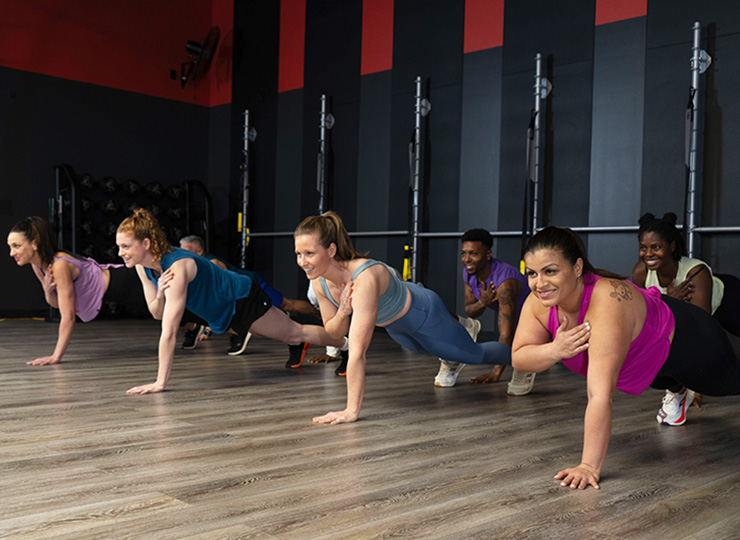
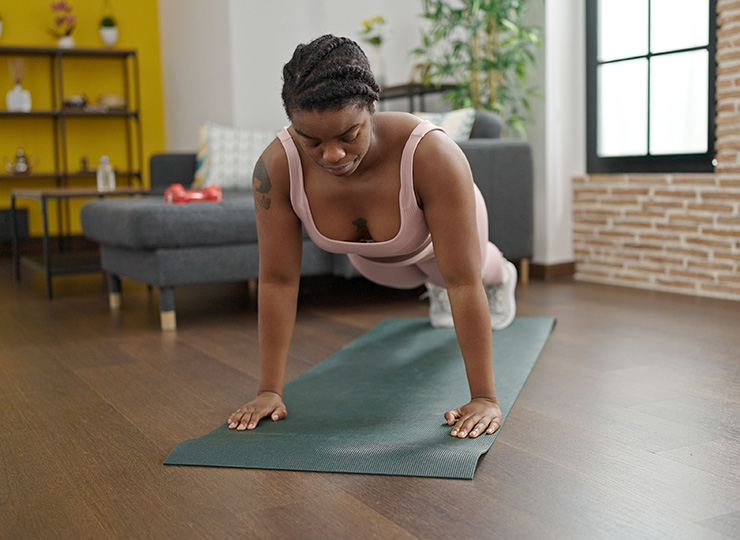
If there were a Hall of Fame for bodyweight exercises, the plank would probably have its own section. It’s simple, effective, and doesn’t need any equipment, which is why it’s so popular for building core strength and stability. Still, doing the same plank again and again can get boring fast.
That’s where plank variations help. Changing your position, adding movement, or making the exercise harder lets you work your muscles differently and keeps your workouts interesting.
Plank variations do much more than work your abs. They also help strengthen your shoulders, back, glutes, and hips, and can improve your posture, stability, and athletic performance.
In this guide, we’ll break down some of the best plank variations for beginners, intermediate, and advanced levels. You’ll also find out which muscles planks work, when to add them to your routine, how to improve your form, and how Crunch Fitness can support your core training.
Let’s get started!
Every good plank begins with a strong base. If you’re new to planks or getting back into fitness, you don’t need to start with the hardest versions. Just as you wouldn’t lift your heaviest weight on your first day, it’s best to build your core strength and stability step by step.
Planks are some of the best bodyweight exercises for building a stronger core. They also fit into almost any core workout, whether you’re training at home or using a Crunch workout plan.
If you want more guidance, take a look at Crunch’s articles on core exercises, ab workouts, and functional fitness to support your training.
The knee plank is one of the best plank exercises for beginners because it reduces the load on your lower back while teaching proper alignment.
Tip: Imagine balancing a glass of water on your back. If your hips rise or sag, the “glass” would spill.
Discover more: What Are The Best Knee Strength Exercises?
This exercise is a step between beginner planks and a full plank workout.
Tip: Actively push the floor away to create more tension throughout your body.
The forearm plank is a classic exercise for building core endurance and improving stability.
Tip: Focus on doing the plank well, not just holding it longer. A solid 30-second plank is better than a shaky one-minute hold.
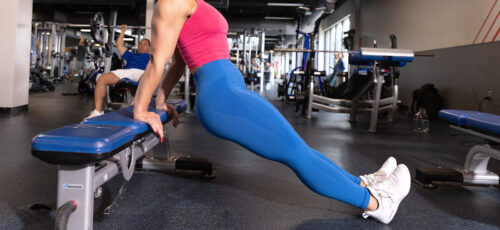
Looking for a challenge? The full plank works more upper-body muscles while still building your abs and overall stability.
Tip: If you can hold a full plank for 60 seconds without trouble, you’re probably ready to try more advanced plank variations and stability exercises.
Read more: The Best Arm Fat Workouts – Exercises That Tone & Strengthen Arms
These moderate plank variations help you build more core strength, improve stability, and train your body to stay strong during movement, which is key for functional fitness.
These exercises are a step up from beginner planks and help prepare you for advanced core training. They challenge your balance, work different muscles, and keep your workouts interesting.
This dynamic movement combines two classic plank exercises into one.
Tip: Picture balancing a book on your lower back. The less your hips move, the better the exercise works.
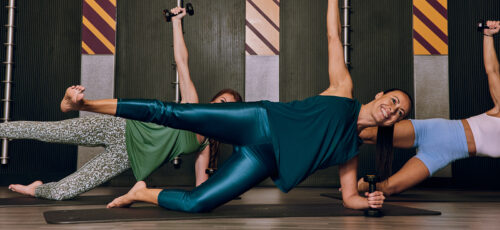
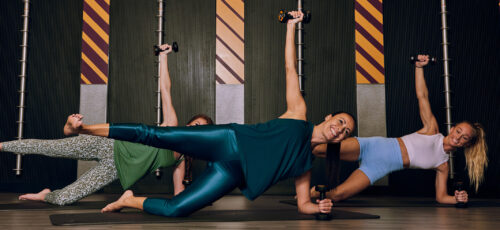
Not many core exercises work the obliques as well as the side plank. It also strengthens your glutes and hips, which are important for stability.
Tip: If you’re just starting with this exercise, keep your bottom knee on the floor until you get stronger.
This variation turns a regular plank into a full-body challenge.
Tip: Move slowly and with control. Going too fast can hurt your form.
Learn: Step Up Your Fat Burn: How to Lose Weight by Walking Like a Pro
This exercise works your balance, coordination, and core stability all at once.
Tip: If your hips are moving side to side, try widening your stance.
Most ab exercises work the front of your body. The reverse plank targets the muscles on your back while still helping you build a stronger core.
Tip: Keep your chest up and your hips high. This improves your posture and strengthens your shoulders, glutes, and hamstrings.
Now it’s time to make things harder. These advanced plank variations add more movement, coordination, resistance, and balance, helping you build a stronger core and improve your endurance and overall fitness.
Remember, advanced doesn’t mean going as fast as you can. Focus on keeping good form during each exercise. Moving well is always better than moving quickly with poor form.
This variation lights up your obliques, abs, hips, and lower body.
Tip: Move slowly and with control. If your hips are moving side to side, slow down and focus on your form.
This exercise challenges your ability to control rotation and strengthens the muscles that keep your torso stable.
Tip: Keep your shoulders facing the floor. Try not to let your body rotate.
This move, also called a renegade row, works your core and upper-body strength at the same time.
Tip: If your hips twist when you row, your weights might be too heavy. Using lighter weights can help you get better results.
Mountain climbers are both a core workout and a cardio challenge. They help build endurance and work your abs and hip flexors.
Tip: Focus on keeping a strong plank position instead of moving as fast as possible.
Tip: Keep your hips level the whole time. Your body should stay in a straight line from head to heels.
This is one of the toughest stability exercises here and is a favorite for experienced gym-goers.
Tip: Focus on pulling with your lower abs, not just moving the ball. This helps you get the most out of the exercise and build a stronger core.
These advanced bodyweight and weighted plank exercises add variety to your routine and keep challenging your strength, stability, and coordination. Once you can do them confidently, you’ll have a great set of core exercises to keep your workouts effective and interesting.
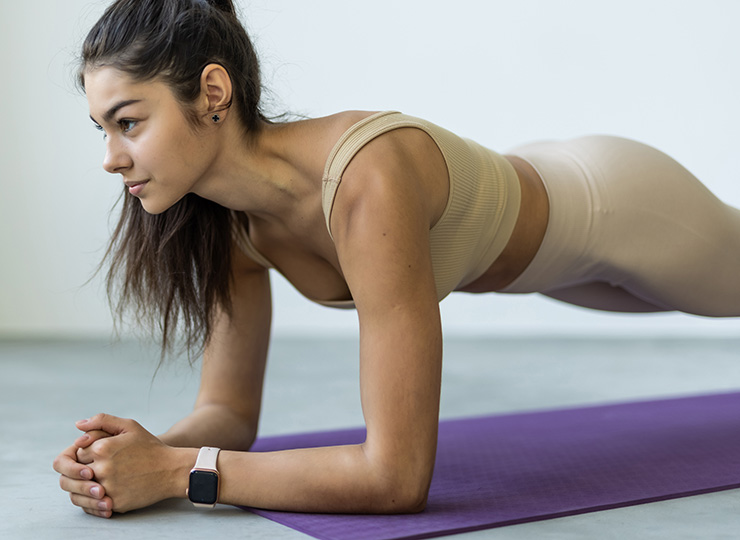
A lot of people think planks are just for abs, but they’re actually full body core exercises. Plank variations work the rectus abdominis (the “six-pack” muscles) and also the transverse abdominis, which acts like your body’s natural weight belt. This deep core muscle is important for stability and supporting your spine.
Depending on the type, planks can also strengthen your obliques, lower back, glutes, shoulders, chest, hip flexors, and even the muscles around your shoulder blades.
That’s one reason planks are great for functional fitness. They help your body resist movement and stay stable during daily activities and sports.
If you want a stronger midsection, try adding plank exercises along with other Crunch resources on deep core work, compound exercises, and functional strength training for a well-rounded approach.
It depends on your goal. If you use planks to activate your core and improve movement, doing them during your warm-up can help. A few sets of forearm planks, side planks, or shoulder taps can wake up the muscles that stabilize your spine before you do heavier exercises.
A 2019 study in the Public Library of Science, Kwong-Chung Hung and his team found that doing core exercises before a dynamic warm-up improved performance. The researchers stated, “the combination of core exercises and a dynamic warm-up was more effective than a dynamic warm-up alone for improving movement preparation.”
If your main goal is to build core strength, try doing planks near the end of your workout. This way, you can save your energy for big lifts like squats, deadlifts, presses, or rows before working your core.
For many people, the best time to do planks is as part of a full core workout after strength training.
Your body gets used to exercising quickly. If you do the same plank every time, it becomes less challenging, and your progress may slow.
Trying different plank variations helps you work muscles from different angles, improves coordination, and keeps workouts interesting. For example, side planks focus on the obliques, reverse planks work your back, and mountain climbers add some cardio.
Changing up your planks can help you reach different fitness goals, like improving athletic performance, posture, balance, or overall core strength.
The simplest way to add planks is to treat them like any other strength exercise. Start with two or three beginner plank exercises and move to harder ones as you get stronger.
For example:
You can also mix planks with other bodyweight moves like pushups, glute bridges, and mountain climbers for a quick full body workout.
Remember, being consistent is more important than doing complicated exercises. Doing a few good sets of planks several times a week works better than trying the hardest version only once in a while.
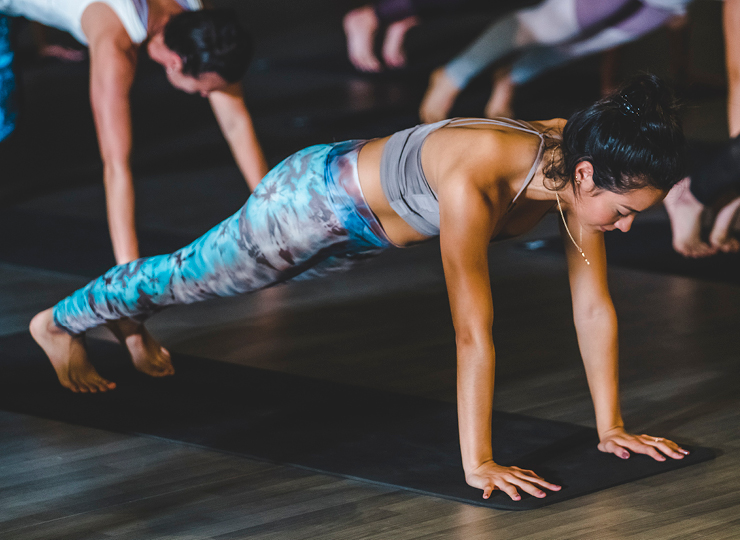
Planks might look easy, but anyone who’s held one for more than 30 seconds knows they get tough fast. Whether you’re doing basic or advanced planks, good technique is the key to building core strength, improving stability, and getting the most out of your workout.
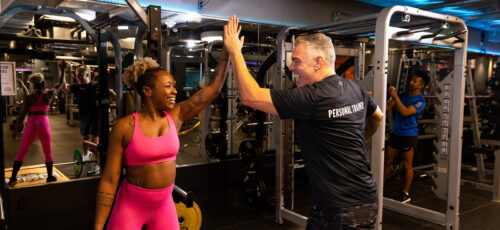
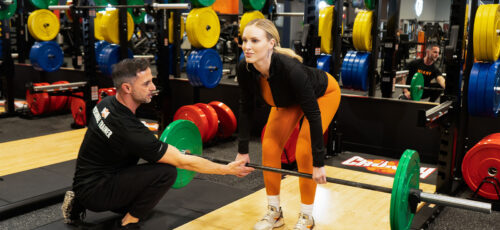
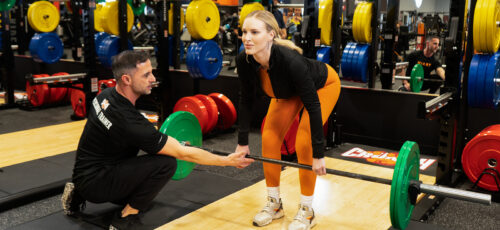
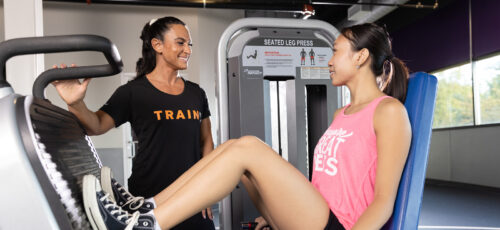
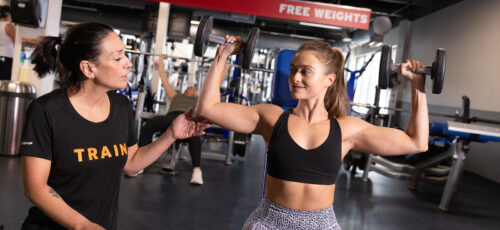
A common mistake with planks is thinking you’re doing them right. A certified personal trainer can spot small issues like sagging hips, rounded shoulders, or not engaging your core, which can lower your results or raise your risk of injury.
A trainer can also help you move safely from beginner planks to harder core exercises, making sure your workouts keep challenging you as you get stronger.
Many people think holding a plank longer is always better. In fact, a well-done 30-second plank is often more effective than a two-minute plank with bad form.
Focus on keeping your body in a straight line from head to heels, tighten your abs and glutes, and breathe steadily. Good form is always more important than how long you hold the plank.
Building a stronger core takes time. Start with the plank that fits your current level and slowly make it harder as you improve.
For example, you can move from knee planks to forearm planks, then to side planks, shoulder taps, and later to harder moves, such as plank rows or Swiss ball jackknifes. Small steps add up over time.
Like other bodyweight exercises, planks work best when you do them regularly. Adding a few minutes of planks to your weekly core workout can boost your strength, stability, posture, and overall performance.
Remember, being consistent is better than being perfect. A steady routine will help you more than just working hard once in a while.
If you want to take your plank workout further, Crunch Fitness has the resources, coaching, and training space to help you reach your goals.
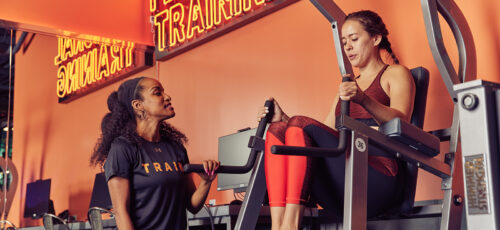
Good form is important, especially as you try harder plank variations. Crunch personal trainers can help you improve your technique, spot weaknesses, and create a plan to boost your core strength and fitness.
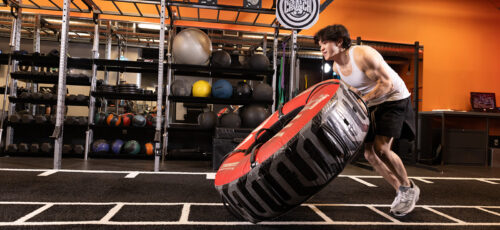
Planks are great bodyweight exercises, but adding equipment can make them more challenging and help you avoid plateaus.
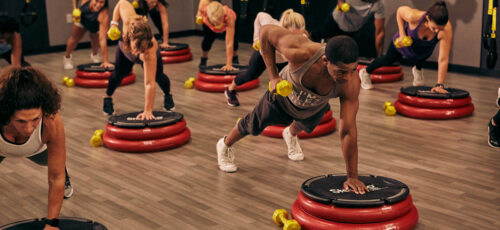
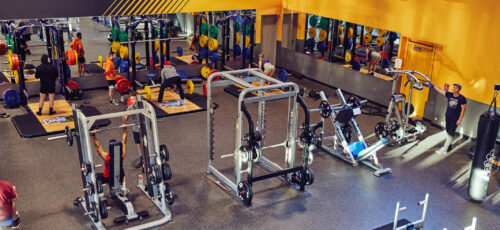
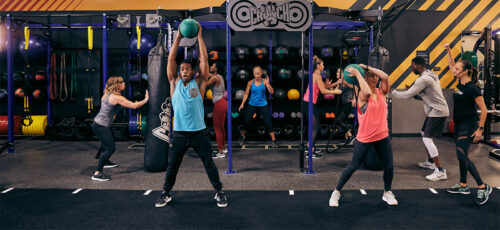
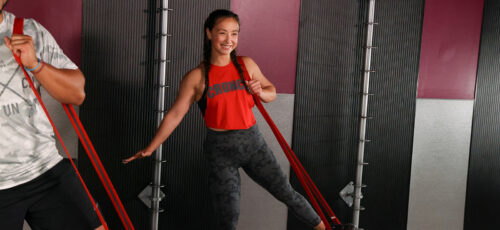
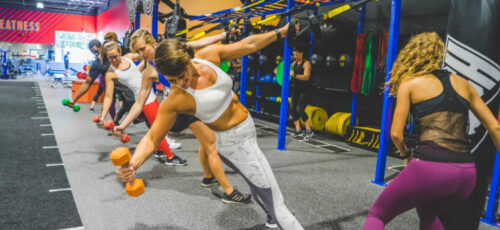
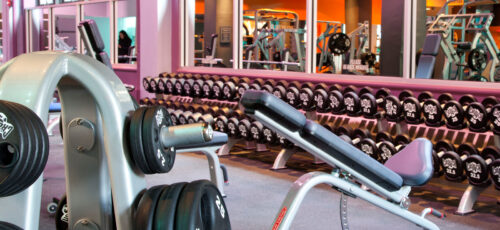
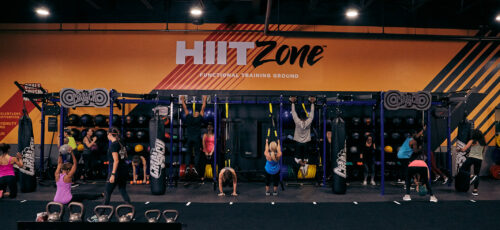
Many Crunch gyms have training areas with stability balls, resistance bands, dumbbells, medicine balls, and other tools you can use for advanced plank workouts.
These options help you build strength and core stability while keeping your workouts interesting.
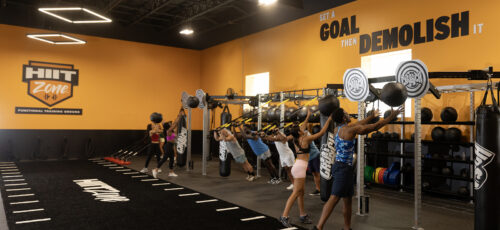
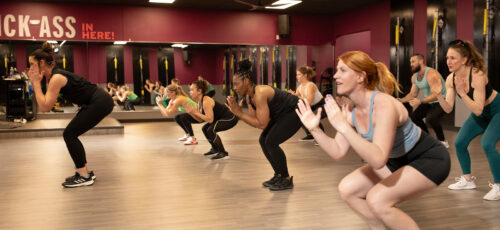
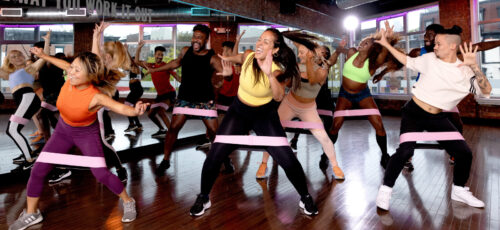
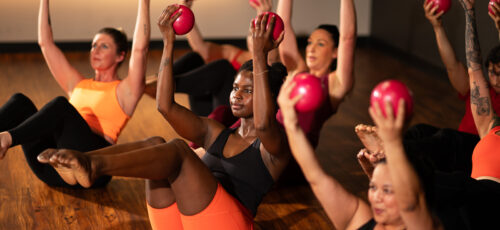
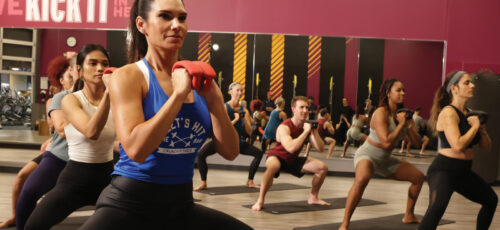
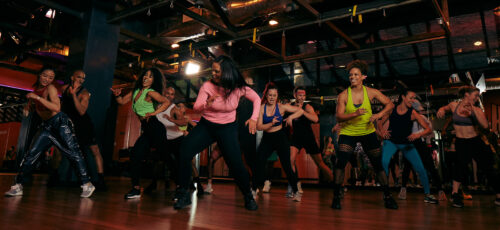
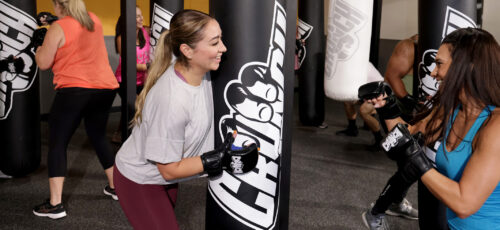
You don’t have to train your core alone. Many Crunch group fitness classes include planks, balance exercises, and other stability moves.
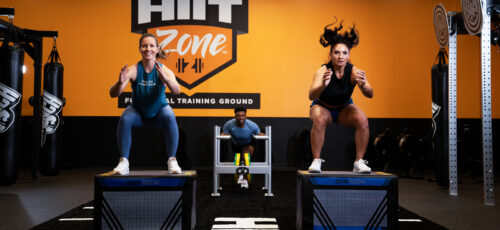
Whether you join a HIIT workout, functional training, Pilates class, or strength program, you’ll find ways to strengthen your core and enjoy the motivation of working out with others.
In the end, building a stronger core isn’t just about holding a plank longer. It’s about creating a solid base that supports every lift, workout, and movement you do, both in and out of the gym.
Crunch promotes a culture of positivity, inclusivity, and fun with no judgments by providing an environment for all individuals, regardless of their health and fitness goals. Find a Crunch gym near you to try our free trial membership, or join Crunch now. We’re here for you – at the gym or at home. Access the best live & on-demand workouts anytime, anywhere with Crunch+. Ready to get sweaty? Try hundreds of workouts for free! Start your free trial now!
Try to hold a plank for 20 to 60 seconds, making sure your form is correct. It’s better to focus on keeping your core strong and stable than on how long you can stay in the position.
Planks are usually better for building overall core strength because they work more muscles at once. They also help with core stability and put less strain on your neck and lower back compared to sit-ups.
You can do plank exercises two to five times a week as part of a balanced workout. It’s more important to train your core regularly than to do planks every single day.
The knee plank is one of the best plank variations for beginners because it helps build core strength without placing too much stress on the lower back. As your fitness improves, you can progress to forearm planks and full planks.
Yes, planks can improve your posture by making the muscles around your spine, shoulders, and hips stronger. When your core is more stable, your body is usually better aligned in daily life.
Planks can sometimes help with back pain by making your core muscles stronger, which supports your spine. But if you have ongoing pain or an injury, you should talk to a healthcare professional before trying new exercises.
Most workout plans suggest doing two to four sets of planks, depending on your fitness level and goals. Begin with shorter holds and slowly make them longer or harder as you get stronger.
Yes, getting a monthly gym membership can help you build core strength. Beyond doing plank variations, you’ll have access to machines, free weights, and other equipment that make it easier to challenge your muscles and make progress. Find out more about how a gym membership can support your fitness goals.
Choose a gym that has good equipment, is clean, offers flexible membership plans, and has plenty of strength-training tools for your workouts. Check out our guide on gym membership prices to help you compare options and find what works best for you.