






Best Oblique Exercises for Building a Better-Defined Midsection | Crunch Fitness

Best Oblique Exercises for Building a Better-Defined Midsection | Crunch Fitness

October 7, 2026
What makes an oblique exercise effective? The best oblique exercises target the internal and external obliques by using rotation, lateral flexion, and anti-rotation movements.

Oblique muscles help you twist, bend, brace, and move force through your body. If you want to boost athletic performance, build a stable core, or get a more defined midsection, stronger obliques can help.

This guide will show you how to start training your obliques, with beginner, rotational, side-bending, anti-rotation, and advanced exercises. You’ll also learn about oblique anatomy, signs of weakness, tips for progress, common mistakes, nutrition for definition, and how to build a full training plan.

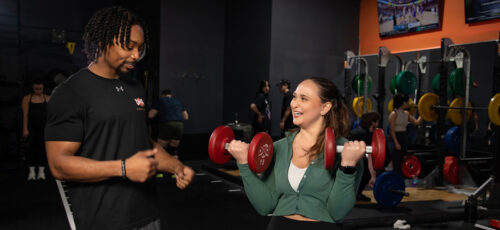
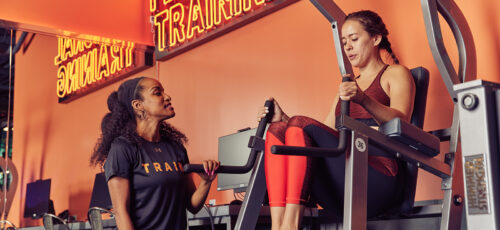
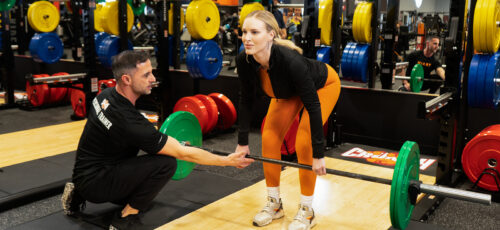
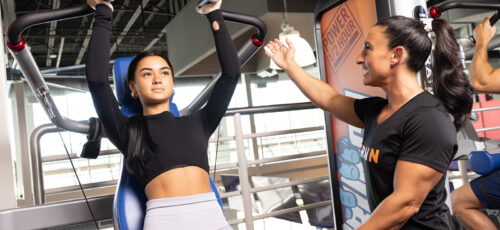
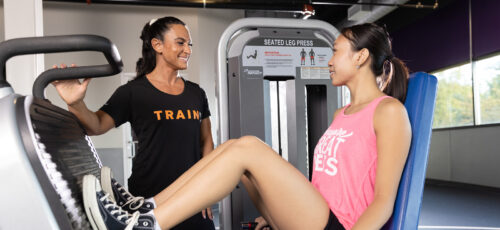
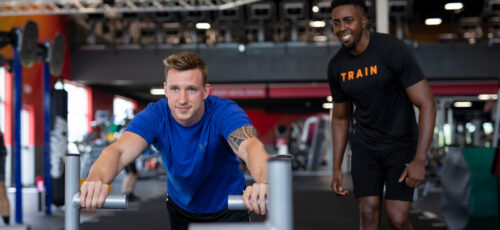
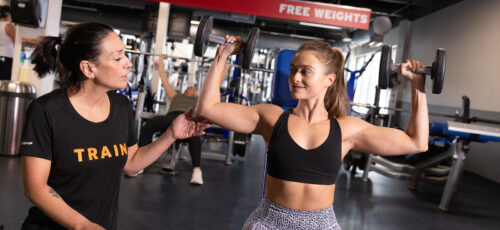
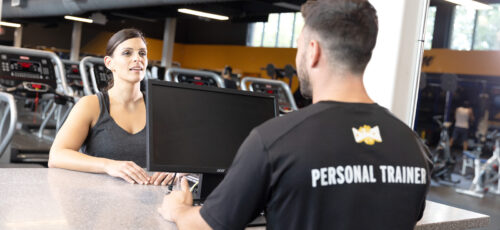
Working with a Crunch Fitness personal trainer is a safe and effective way to train. A trainer can check your core strength, help you with your form, and design a program with nutrition tips to help you get the best results.

Are you ready to give your side abs a bigger role? Let’s start twisting, bracing, and building strength.
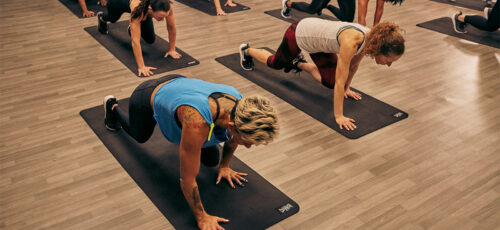
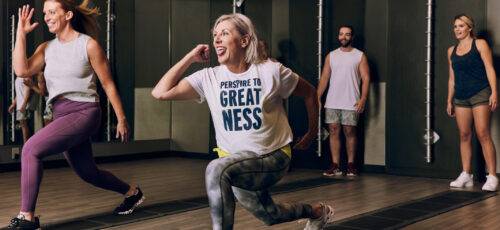
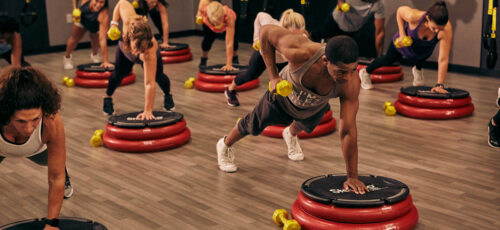
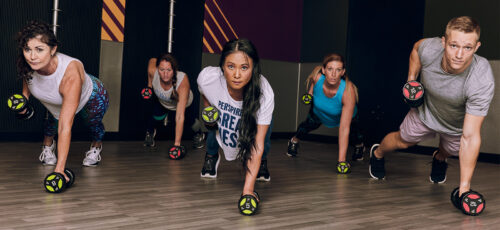
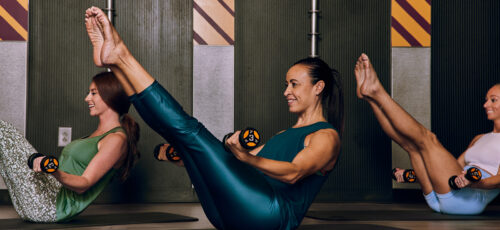
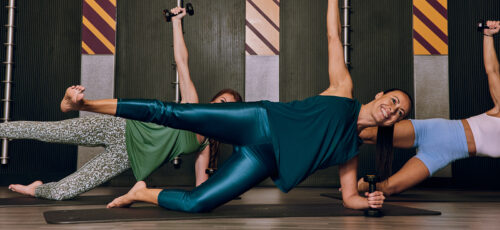
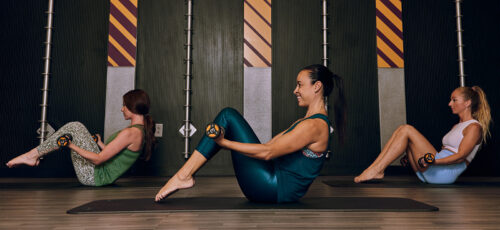
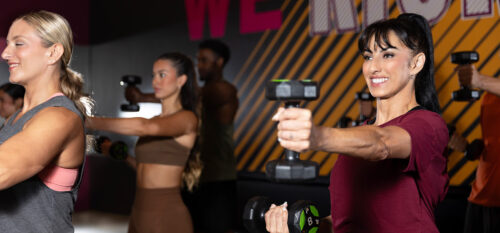
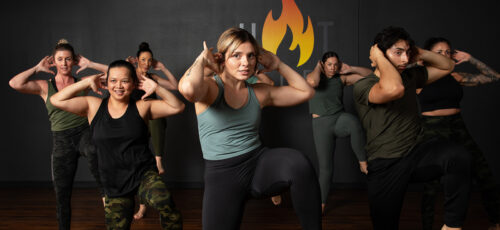
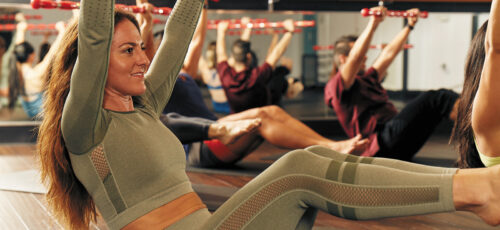
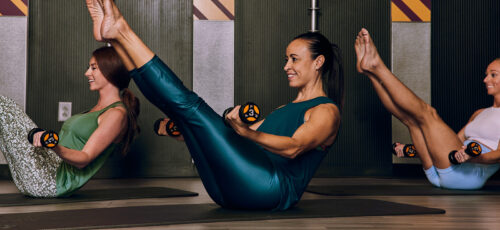
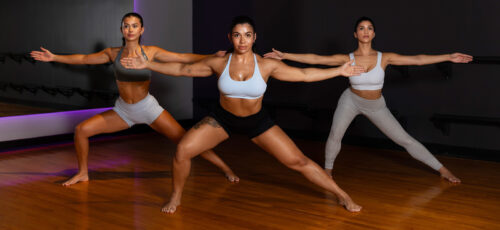
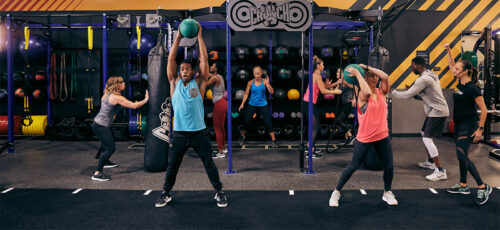
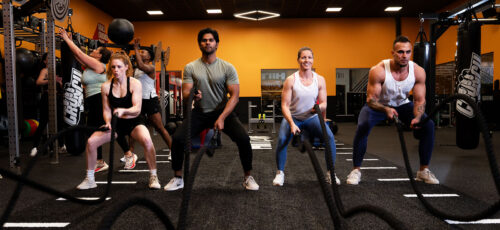
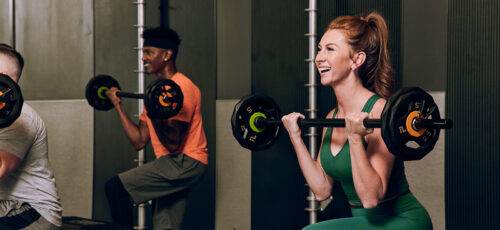
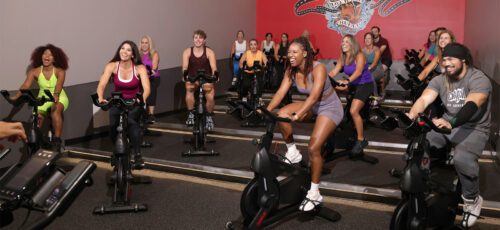
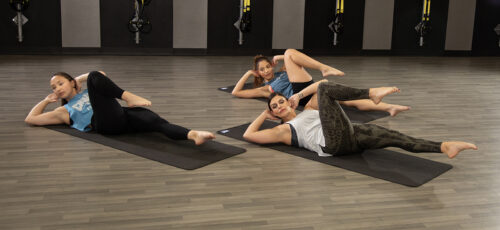
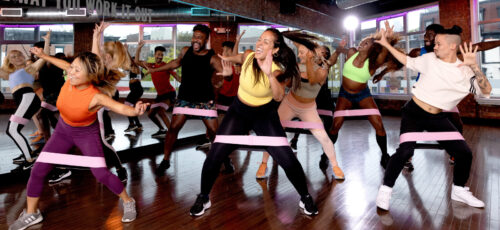
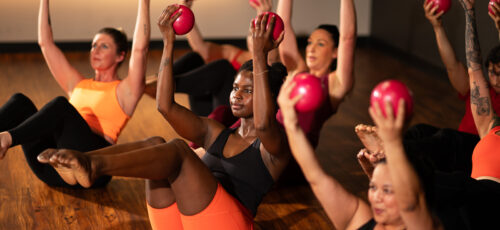
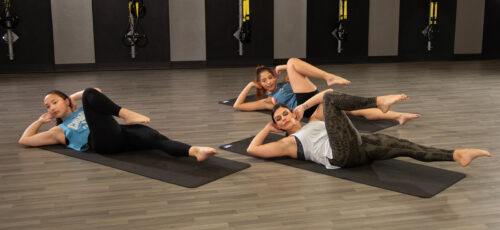
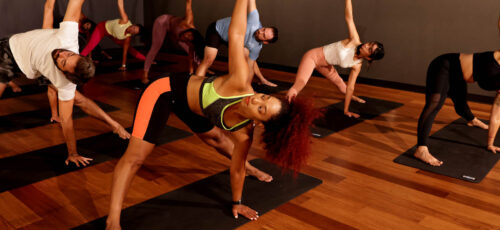
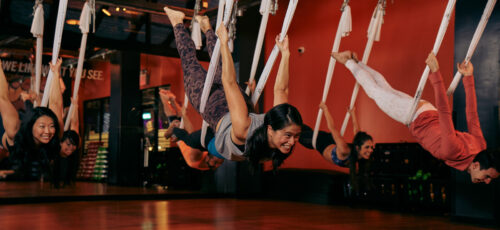
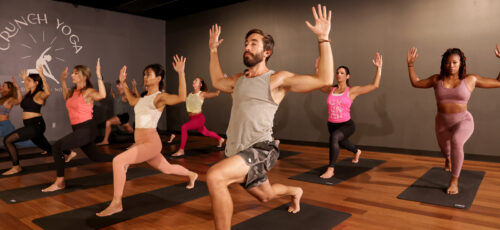
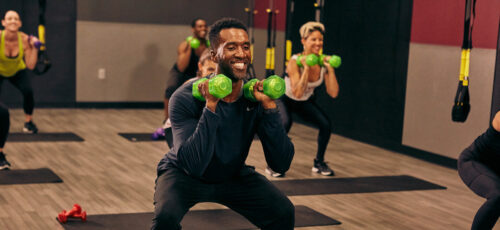
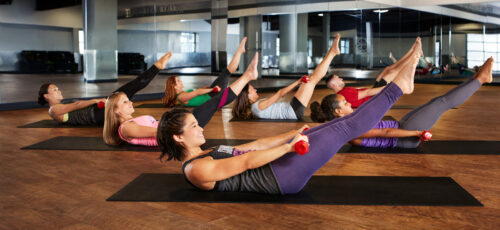
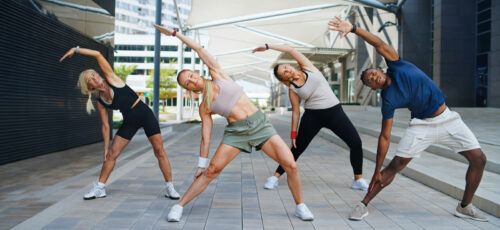
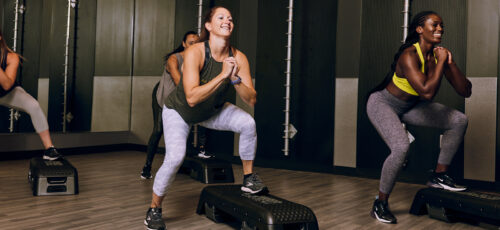
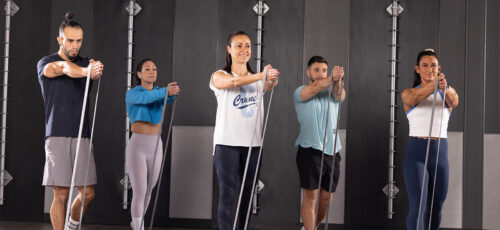
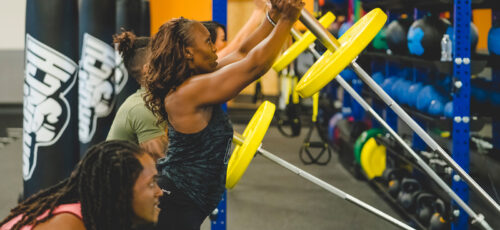
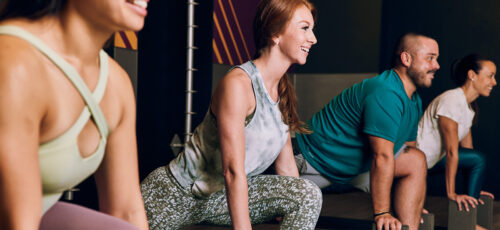
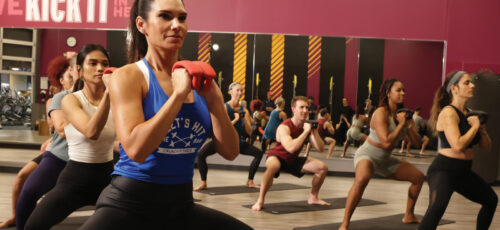
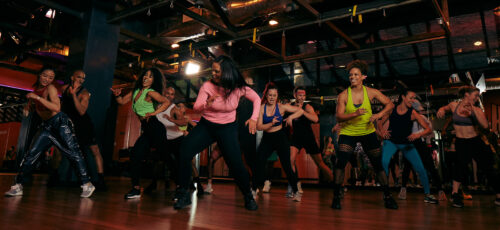
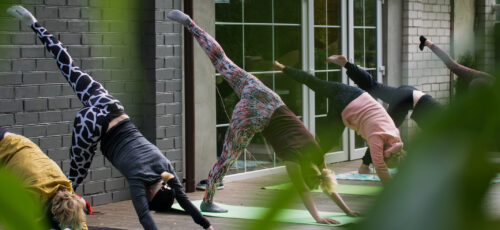
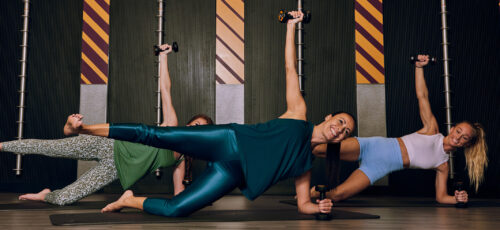
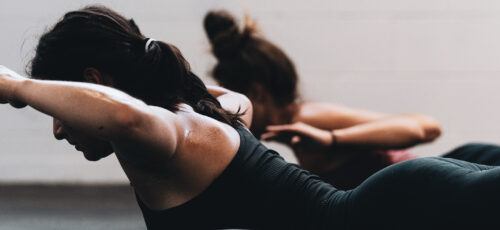
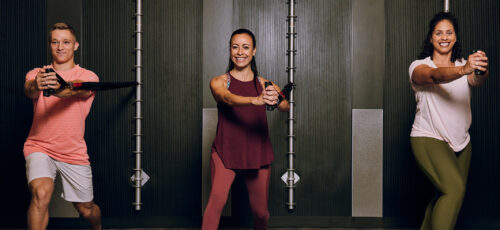
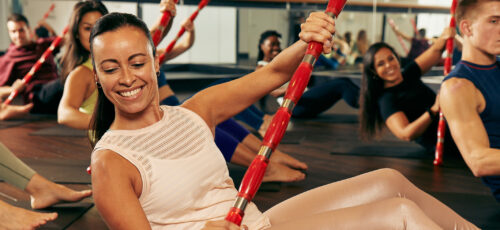
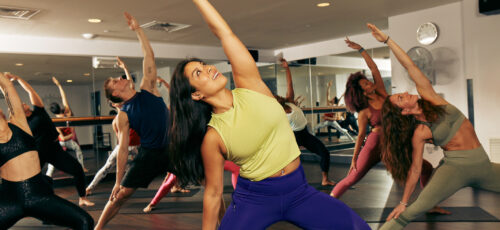
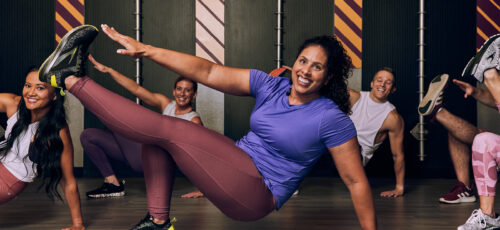
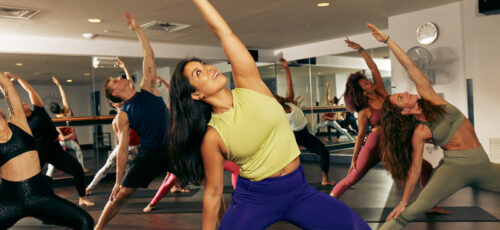
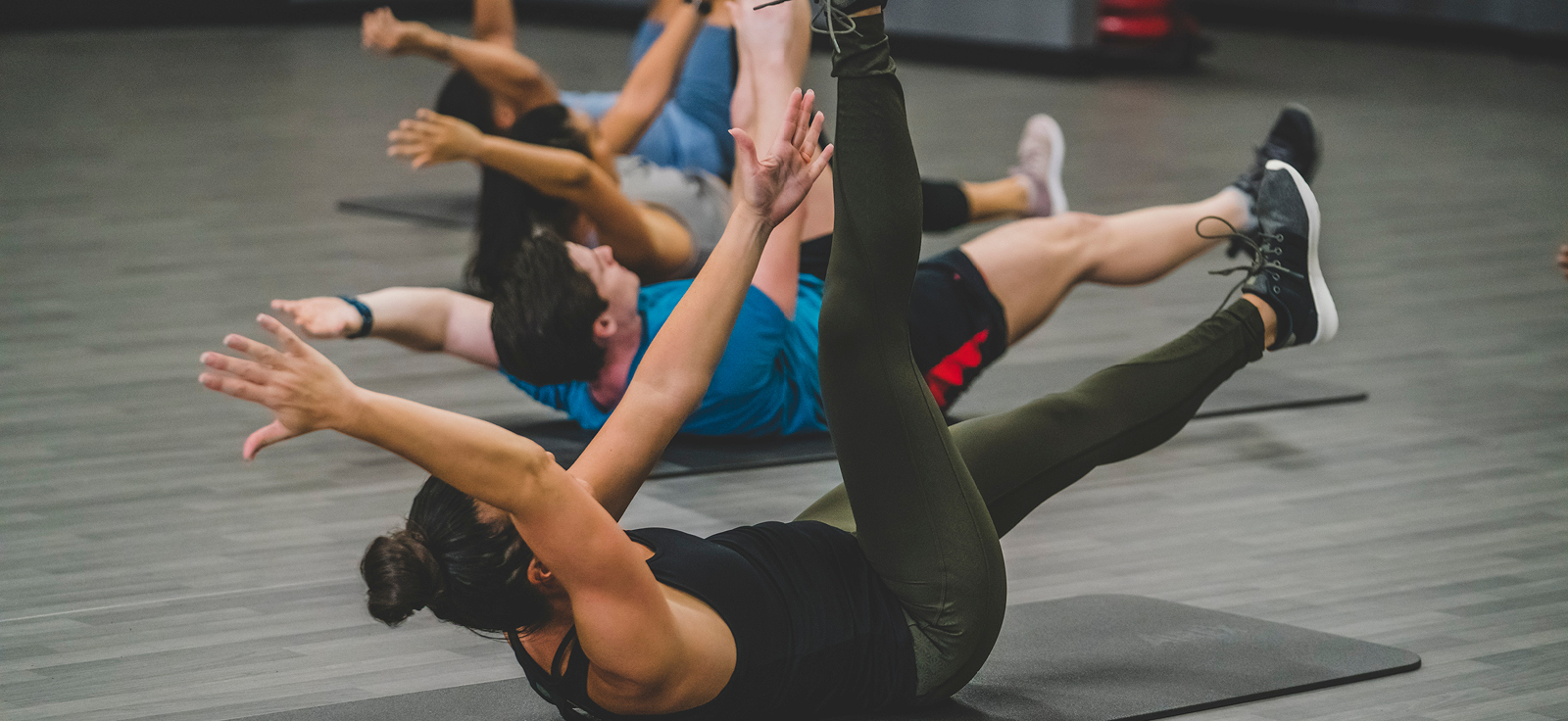
people in core group fitness class

How to Get Started With Oblique Training

Effective oblique training requires more than endless twists. For balanced development, your routine should combine three movement patterns:

  • Rotation: Turn the torso while maintaining control.
  • Lateral flexion: Bend sideways to challenge the muscles along your waist.
  • Anti-rotation: Resist twisting forces and keep your trunk stable.

The exercises below are grouped by movement type and difficulty, so you can pick the right place to start for your level of core strength. No matter which one you choose, take your time.

Keep in mind that having strong obliques and having visible obliques are different goals. Training builds the muscles, but your diet and overall body fat play a big role in how defined they look.

Best Oblique Exercises for Beginners

The best beginner oblique exercises help you build strength, coordination, and body awareness without needing heavy weights or fancy equipment.

If you’re new to rotational core training, start with moves that let you feel your obliques working while you keep your spine and hips steady.

These exercises also fit well into a beginner core workout that works your abs, lower back, hips, and other supporting muscles.

Standing Side Bends

Standing side bends teach lateral flexion; the movement of bringing your shoulder toward your hip.

This exercise might look simple, but moving slowly helps you feel your obliques working and keeps gravity from doing the work for you.

How to Do It

  • Stand tall with your feet approximately hip-width apart.
  • Place your hands at your sides or lightly behind your head.
  • Brace your core and keep your chest facing forward.
  • Slowly bend to one side without leaning forward or rotating your torso.
  • Pause when you feel the opposite side of your waist lengthen.
  • Contract your obliques to return to the starting position.
  • Alternate sides and complete 8–12 controlled repetitions per side.

Lying Side Leg Raises

Lying side leg raises work your obliques and help you learn to control your legs and hips together. The floor gives you extra support, so this is a comfortable way for beginners to build core awareness.

How to Do It

  • Lie on one side with your legs straight and stacked.
  • Extend your bottom arm or use it to support your head.
  • Place your top hand on the floor for balance.
  • Brace your core and keep your hips stacked.
  • Lift both legs a few inches from the floor without rolling backward.
  • Pause briefly, then lower your legs slowly.
  • Complete 8–10 repetitions before switching sides.

Bird Dogs With Rotation

The bird dog exercise helps your core resist unwanted movement. When you add a slow elbow-to-knee motion, your obliques have to work even harder.

How to Do It

  • Begin on your hands and knees with your wrists under your shoulders and knees under your hips.
  • Brace your core while keeping your back neutral.
  • Extend your right arm forward and your left leg behind you.
  • Slowly bring your right elbow and left knee toward each other beneath your torso.
  • Allow only a small, controlled rotation through your trunk.
  • Re-extend your arm and leg without letting your hips tilt.
  • Complete 6–10 repetitions before changing sides.

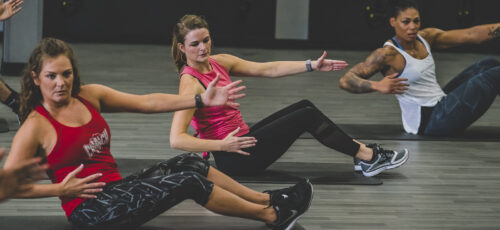
Modified Russian Twists

Modified Russian twists help you start rotational training while your feet stay on the floor. Focus on rotating your rib cage, not just swinging your arms.

How to Do It

  • Sit with your knees bent and your feet flat on the floor.
  • Keep your spine long and lean back slightly until your core engages.
  • Hold your hands together in front of your chest.
  • Rotate your rib cage slowly toward one side.
  • Return to the center before rotating toward the other side.
  • Keep your knees, hips, and feet as still as possible.
  • Complete 8–12 controlled rotations per side.

Standing Oblique Crunches

Standing oblique crunches mix side bending with balance and coordination. They are a simple alternative to floor crunches and help beginners practice tightening the obliques on each side.

How to Do It

  • Stand tall with your feet hip-width apart.
  • Place your fingertips lightly behind your head without pulling on your neck.
  • Shift your weight onto your left leg.
  • Lift your right knee while bringing your right elbow toward it.
  • Squeeze the right side of your waist at the top.
  • Lower your foot with control and reset your posture.
  • Complete 8–12 repetitions before switching sides.

For each exercise, pay attention to where you feel the movement instead of rushing through it. If your hips start to rock, your spine moves out of place, or you use momentum, make the movement smaller and reset.
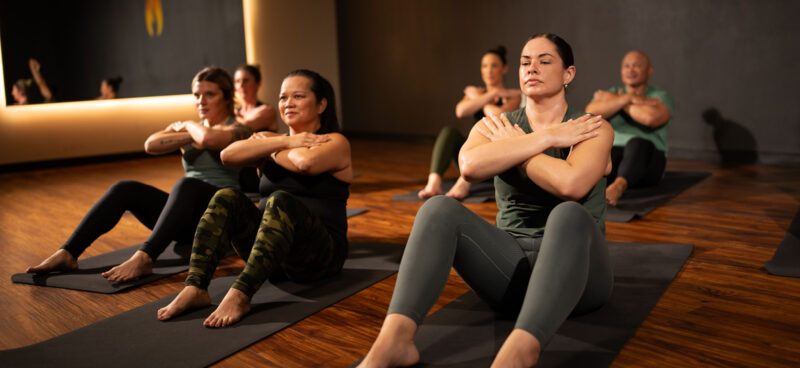
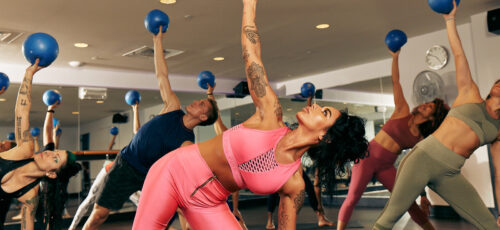
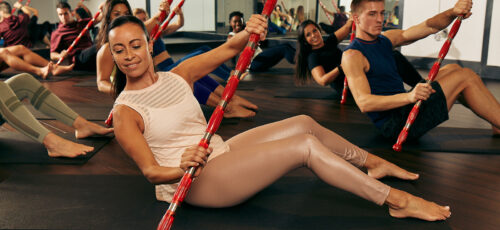
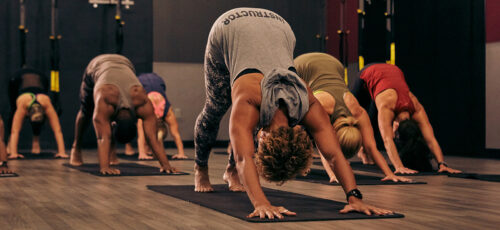
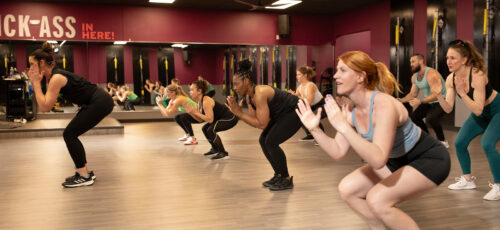
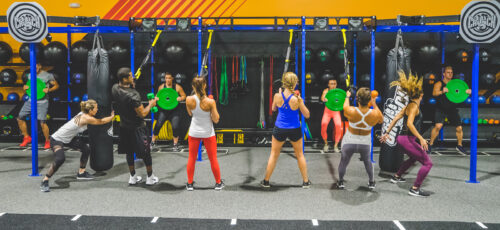
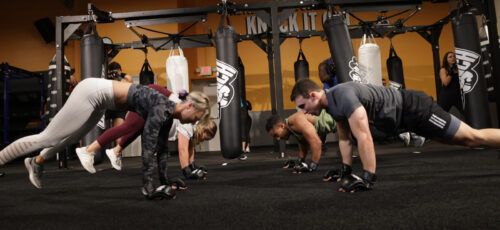
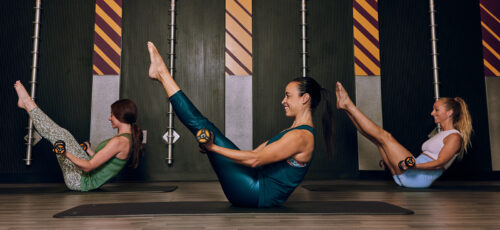
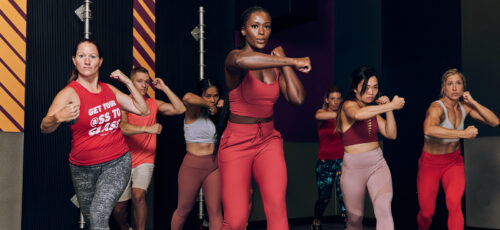
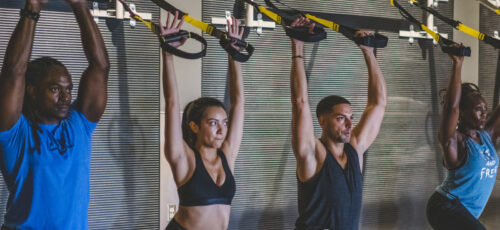
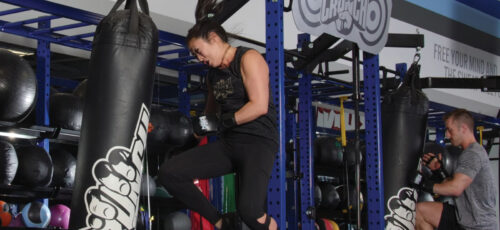
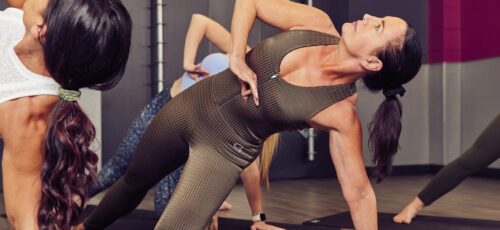
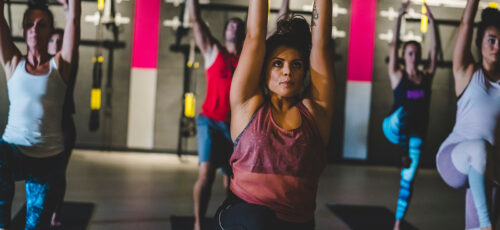
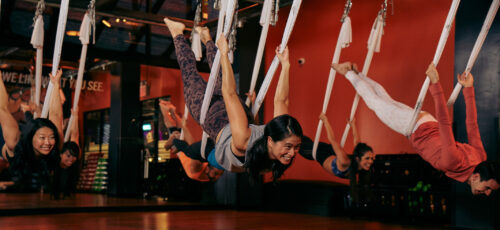
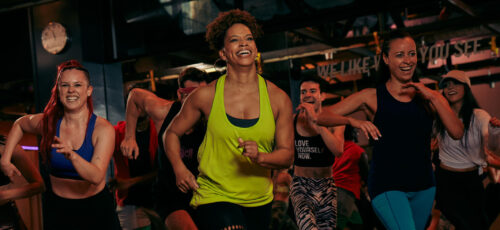
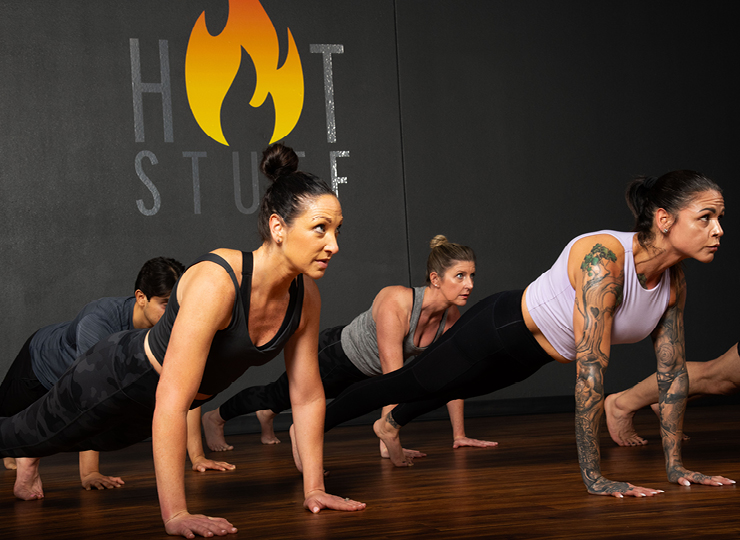
hot core group fitness class at crunch

Rotational Oblique Exercises

Rotational oblique exercises train your core to produce and control twisting force. Your obliques help transfer power between your lower and upper body, making them an important part of athletic movement and a balanced strength-training routine.

The key is to rotate using your core, not just move your arms side to side. Some exercises let your hips and feet turn, while others keep them still. In both cases, focus on control before adding speed.

Russian Twists

Russian twists train the obliques while challenging your balance and trunk control. They can be performed using only your body weight or made more difficult with a medicine ball, dumbbell, or weight plate.

How to Do It

  • Sit with your knees bent and your feet flat on the floor.
  • Lean back slightly while keeping your chest lifted and spine neutral.
  • Hold your hands together or keep a light weight close to your chest.
  • Brace your core and rotate your rib cage toward one side.
  • Return to the center before rotating toward the opposite side.
  • Keep your knees and hips as still as possible.
  • Complete 8–12 controlled rotations per side.

High-to-Low Cable Woodchops

High-to-low cable woodchops train diagonal rotation from above the shoulder toward the opposite hip. This pattern resembles the downward portion of many throwing, swinging, and striking movements.

How to Do It

  • Set a cable pulley above shoulder height and attach a handle.
  • Stand sideways to the machine with your feet approximately shoulder-width apart.
  • Hold the handle with both hands and extend your arms comfortably.
  • Brace your core and pull the cable diagonally across your body toward the opposite hip.
  • Rotate through your torso while maintaining a strong, stable base.
  • Allow a small foot pivot when needed, but avoid swinging your hips wildly.
  • Return the cable slowly rather than letting the weight pull you back.
  • Complete 8–12 repetitions before changing sides.

Low-to-High Cable Woodchops

This variation reverses the movement, taking the cable from below one hip toward the opposite shoulder.

How to Do It

  • Position the cable pulley near the floor.
  • Stand sideways to the machine and hold the handle with both hands.
  • Begin with your hands near the hip closest to the cable.
  • Bend your knees slightly and brace your midsection.
  • Pull the handle diagonally upward and across your body.
  • Rotate your rib cage toward the opposite shoulder without overextending your lower back.
  • Keep the movement smooth and allow your feet to pivot naturally when appropriate.
  • Return to the starting position under control.
  • Complete 8–12 repetitions on each side.

Medicine Ball Rotational Throws

Medicine ball rotational throws develop explosive power by teaching your legs, hips, core, and upper body to work together. They are especially useful for athletes, but beginners should master slower rotational exercises before adding speed.

How to Do It

  • Stand sideways several feet from a sturdy wall.
  • Hold a light medicine ball near the hip farthest from the wall.
  • Position your feet slightly wider than hip-width apart.
  • Load your weight into your back leg while keeping your core braced.
  • Rotate your hips and torso toward the wall.
  • Throw the ball into the wall at approximately chest height.
  • Retrieve the ball, reset your stance, and repeat.
  • Complete 6–10 throws before changing sides.

Standing Cable Rotations

Standing cable rotations provide continuous resistance throughout the movement. Unlike woodchops, the cable travels horizontally, making this exercise useful for practicing controlled trunk rotation while the hips remain relatively stable.

How to Do It

  • Set the cable pulley at approximately chest height.
  • Stand sideways to the machine with your feet shoulder-width apart.
  • Hold the handle with both hands and extend your arms in front of your chest.
  • Soften your knees and brace your core.
  • Rotate your rib cage away from the machine while keeping your arms aligned with your chest.
  • Avoid pulling the cable using only your shoulders and arms.
  • Keep your pelvis steady and stop before your lower back begins twisting excessively.
  • Return to the starting position slowly.
  • Complete 8–12 repetitions before switching sides.

Landmine Rotations

Landmine rotations work your obliques as you move the end of a barbell in an arc from one side to the other. Since this exercise uses extra weight and full-body coordination, start with a light weight and focus on control.

How to Do It

  • Secure one end of a barbell in a landmine attachment.
  • Hold the opposite end with both hands near chest height.
  • Stand with your feet slightly wider than shoulder-width apart.
  • Brace your core and move the barbell toward one shoulder.
  • Guide it through an arc toward the opposite side.
  • Rotate your torso while allowing your hips and feet to pivot naturally.
  • Keep the barbell close enough to control without bending or swinging your arms excessively.
  • Reverse the movement smoothly and repeat.
  • Complete 6–10 repetitions per side.

Add some cardio and regular stretching to support your rotational training. These will help you move with better control, endurance, and range of motion.

Lateral Flexion Oblique Exercises

Lateral flexion is the movement of bending your torso from side to side. These exercises isolate the obliques by asking them either to create that movement or prevent it.

Pick weights you can handle; using too much can put extra pressure on your spine and take the work away from your obliques.

Single-Dumbbell Side Bends

Holding one dumbbell lets the obliques on the other side control the movement and pull your body upright. If you use weights in both hands, it makes the exercise less challenging for each side, so work one side at a time.

How to Do It

  • Stand tall with your feet hip-width apart and hold one dumbbell beside your thigh.
  • Place your free hand on your waist or lightly behind your head.
  • Brace your core while keeping your chest and hips facing forward.
  • Slowly lower the dumbbell toward the outside of your knee without rotating.
  • Contract the opposite oblique to return to an upright position.
  • Complete 8–12 controlled repetitions before changing sides.

Explore more ways to train your midsection with these dumbbell core workouts.

Standing Cable Side Bends

Cable resistance keeps your obliques working the whole time. Since the weight pulls from one side, your core has to stay tight as you bend and return upright.

How to Do It

  • Set the cable pulley low and stand sideways to the machine.
  • Hold the handle with your closest hand and step away to create tension.
  • Position your feet shoulder-width apart and brace your core.
  • Bend away from the machine without leaning forward or rotating.
  • Use your obliques to return slowly to the starting position.
  • Complete 8–12 repetitions before switching sides.


Suitcase Carries

A suitcase carry doesn’t involve obvious side bending. Instead, it trains your obliques to resist being pulled toward the weight. This exercise builds real-world stability for carrying things like groceries, luggage, or a heavy gym bag.

How to Do It

  • Hold a dumbbell or kettlebell in one hand beside your body.
  • Stand tall with your shoulders level and ribs positioned over your pelvis.
  • Brace your core and begin walking with short, controlled steps.
  • Keep the weight close without allowing it to rest against your leg.
  • Resist leaning toward or away from the weight as you move.
  • Continue for 20–40 seconds before changing hands.

Side Planks With Hip Dips

Side plank hip dips add controlled side-to-side movement to a regular side plank. Lowering and lifting your hips works your obliques, while your shoulders, glutes, and deep core muscles help keep your body in line.

How to Do It

  • Lie on one side with your elbow positioned directly beneath your shoulder.
  • Stack your feet or place the top foot forward for additional balance.
  • Lift your hips until your body forms a straight line.
  • Lower your hips a few inches without touching the floor.
  • Contract your lower-side obliques to lift your hips again.
  • Complete 6–12 controlled repetitions before switching sides.

If needed, place your bottom knee on the floor for extra support. You can find additional progressions in these plank variations for core strength and stability.

Half-Kneeling Dumbbell Side Bends

The half-kneeling position gives you a stable base and makes it harder to use momentum from your legs. This way, your obliques have to do more of the work, helping you focus on controlled side bending.

How to Do It

  • Kneel on one knee with your opposite foot planted in front of you.
  • Hold a light dumbbell beside the thigh on your kneeling side.
  • Squeeze your glutes, brace your core, and keep your chest tall.
  • Bend slowly toward the dumbbell without twisting your shoulders.
  • Contract the opposite oblique to return to the starting position.
  • Complete 8–10 repetitions before reversing your stance and changing sides.

Side bending exercises should feel steady, not dramatic. If you have to swing the weight, twist your body, or lean too far, use less weight. Focus on making your obliques work and coming back upright without using momentum.

Anti-Rotation Oblique Exercises

Anti-rotation exercises train your obliques to resist twisting rather than create it. When an external force attempts to rotate your torso, your core works to keep your ribs, pelvis, and spine properly aligned. This is essential for core stability and may help reduce unnecessary strain caused by uncontrolled movement.

Pallof Press

The Pallof press is one of the most accessible anti-rotation exercises. A cable or resistance band pulls your body sideways while your obliques work to keep your torso facing forward.

How to Do It

  • Set a cable or resistance band at approximately chest height.
  • Stand sideways to the anchor and hold the handle against your chest.
  • Position your feet shoulder-width apart and soften your knees.
  • Brace your core and press your hands directly forward.
  • Pause without allowing your torso or hips to rotate.
  • Return your hands to your chest and complete 8–12 repetitions per side.

Anti-Rotation Holds

An anti-rotation hold skips the pressing part and has you hold one strong position. It might look easy, but your obliques will feel the work.

How to Do It

  • Attach a band or cable at chest height and stand sideways to the anchor.
  • Hold the handle with both hands and press your arms forward.
  • Keep your shoulders level, hips square, and spine neutral.
  • Brace your core while resisting the pull toward the anchor.
  • Maintain the position for 15–30 seconds without holding your breath.
  • Return your hands to your chest and repeat on the opposite side.

Single-Arm Carries

Holding weight on one side creates an uneven force that wants to tilt and rotate your body. Your obliques must resist that pull while you walk, making single-arm carries useful for daily activities involving groceries, luggage, or uneven loads.

How to Do It

  • Hold a dumbbell or kettlebell in one hand at your side or shoulder.
  • Stand tall with your ribs positioned over your pelvis.
  • Brace your core and keep both shoulders and hips level.
  • Walk forward using short, controlled steps.
  • Resist leaning, twisting, or shifting away from the weight.
  • Continue for 20–40 seconds before changing sides.

Renegade Rows

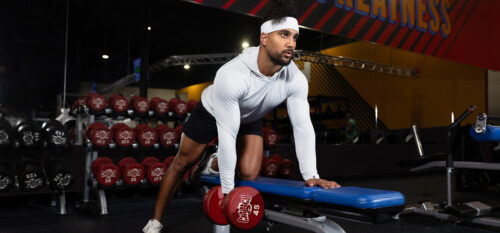
Renegade rows mix upper-body pulling strength with anti-rotation core work. When you lift one dumbbell, your obliques have to keep your hips and body from turning upward.

How to Do It

  • Begin in a high plank with each hand resting on a dumbbell.
  • Position your feet wider than your hips for greater stability.
  • Brace your core and squeeze your glutes.
  • Row one dumbbell toward your ribs without rotating your hips.
  • Lower the weight slowly before repeating with the opposite arm.
  • Complete 6–10 controlled repetitions per side.

Use your knees for support if you cannot maintain a neutral spine from your toes. Discover more loaded core movements in these dumbbell core workouts.

Stir-the-Pot

Stir-the-pot has you put your forearms on a stability ball while holding a plank. Moving your arms in circles makes your obliques and deep core muscles work to keep your body steady.

How to Do It

  • Kneel behind a stability ball and place your forearms on top.
  • Extend your legs into a plank with your feet positioned wide.
  • Brace your core and maintain a straight line from head to heels.
  • Move your forearms in small, controlled circles.
  • Keep your hips level and avoid arching or rotating your lower back.
  • Complete 5–8 circles in each direction before resting.

Anti-rotation training develops functional stability that helps protect your spine when outside forces pull your body away from its intended position.

This control can support lifting, running, throwing, carrying, and changing direction during sports. It also works alongside exercises for lower-back strength to create a more balanced and dependable trunk.

Advanced Oblique Exercises

Advanced oblique exercises use heavier weights, longer arm or leg positions, hanging moves, and fast, powerful rotation.

They are designed for people who have already developed foundational core strength and can maintain proper alignment during beginner rotational, lateral-flexion, and anti-rotation exercises.

Weighted Russian Twists

Weighted Russian twists are harder because your obliques have to control rotation while holding extra weight. The weight should move because your torso turns, not just because your arms are moving it side to side.

How to Do It

  • Sit with your knees bent and keep your feet grounded until you can maintain balance.
  • Hold a dumbbell, plate, or medicine ball close to your chest.
  • Lean back slightly while maintaining a long, neutral spine.
  • Brace your core and rotate your rib cage and weight toward one side.
  • Return through the center before rotating toward the opposite side.
  • Complete 6–10 controlled repetitions per side.

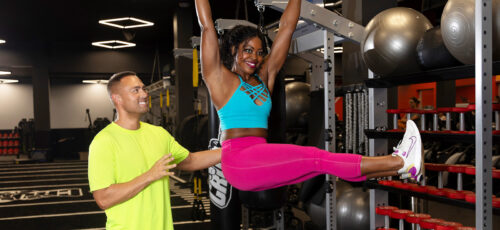
Hanging Oblique Raises

Hanging oblique raises work your grip, shoulder stability, and controlled movement of your spine. Lifting your knees to one side targets your obliques more, and keeping the movement slow helps prevent you from swinging.

How to Do It

  • Hang from a pull-up bar with your hands slightly wider than shoulder-width apart.
  • Engage your shoulders and allow your body to become completely still.
  • Brace your core and bend your knees toward your chest.
  • Lift your knees toward one side while rotating your pelvis slightly.
  • Lower your legs slowly without swinging or arching your lower back.
  • Complete 6–10 repetitions before directing your knees toward the other side.

Windshield Wipers

Windshield wipers make your obliques work to lower and lift your legs through a big range of rotation. Doing them on the floor gives you more support than the hanging version, but still requires strong core control.

How to Do It

  • Lie on your back with your arms extended out to the sides.
  • Raise your legs above your hips, keeping your knees bent or straight.
  • Brace your core and gently maintain contact between your lower back and the floor.
  • Lower your legs toward one side while keeping both shoulders grounded.
  • Use your obliques to return your legs to the center before changing sides.
  • Complete 5–8 controlled repetitions in each direction.

Weighted Side Planks With Rotation

This exercise mixes side stability, rotation control, and resistance. Your lower obliques keep your hips up while your torso turns under the weight, making your core work in several ways at once.

How to Do It

  • Begin in a side plank with your elbow directly beneath your shoulder.
  • Hold a light dumbbell in your top hand and extend it toward the ceiling.
  • Lift your hips until your body forms a straight line.
  • Rotate your rib cage and guide the weight underneath your torso.
  • Reverse the movement and extend the weight toward the ceiling again.
  • Complete 6–8 controlled repetitions before switching sides.

Explosive Medicine Ball Rotational Slams

Rotational slams teach your obliques to create power quickly by working with your legs, hips, core, and upper body. This fast movement helps with sports skills like swinging, throwing, and quick direction changes.

How to Do It

  • Stand with your feet wider than hip-width apart and hold a non-bouncing medicine ball.
  • Raise the ball above one shoulder while bracing your core.
  • Rotate your torso and pivot your feet as you drive the ball downward.
  • Slam the ball beside the foot opposite your starting shoulder.
  • Retrieve the ball, reset your posture, and repeat without rushing.
  • Complete 6–10 repetitions before changing directions.

Make sure you have a clear space and use a medicine ball made for slamming. The power should come from rotating your whole body, not twisting your lower back. Try other medicine ball core workouts before moving to explosive ones.

How Oblique Development Impacts Core Strength and Athletic Performance

Strong obliques do more than frame your abs. They support spinal stability and help your core manage twisting and lateral forces, reducing strain and injury risk during workouts and movement.

In the gym, strong obliques help move force between your lower and upper body, giving you better control during squats, deadlifts, overhead presses, cable rotations, and carries. They keep your torso steady while you lift, showing that your side abs do much more than just look good.

Balanced oblique training helps your whole core stay stable, supports better posture, and can reduce lower-back discomfort by helping your body resist unwanted movement. Add rotation, side bending, and anti-rotation exercises to your core routine for a strong and balanced midsection.

Understanding Oblique Anatomy and Function

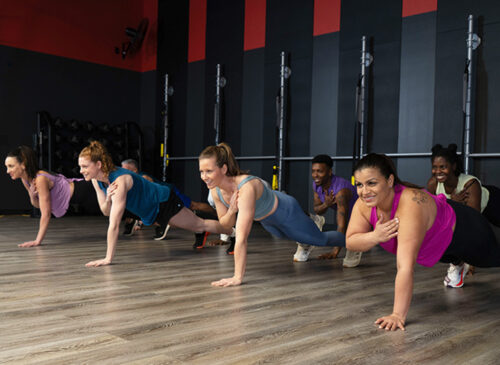
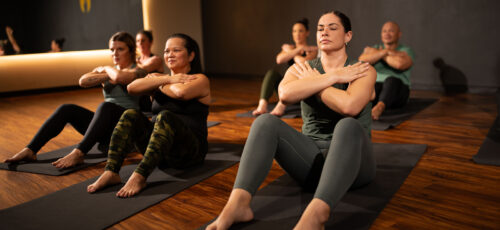
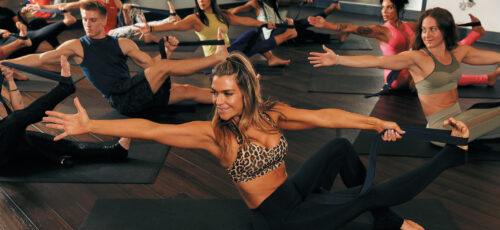
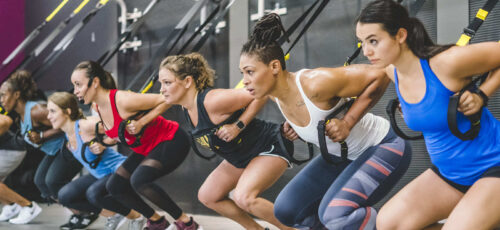
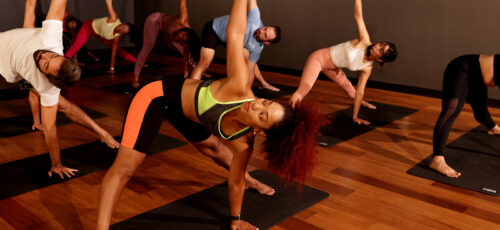
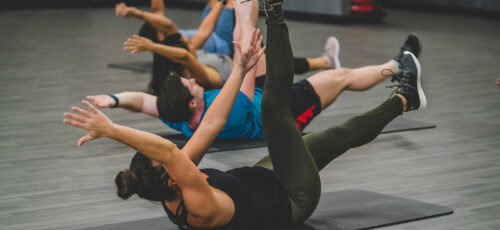
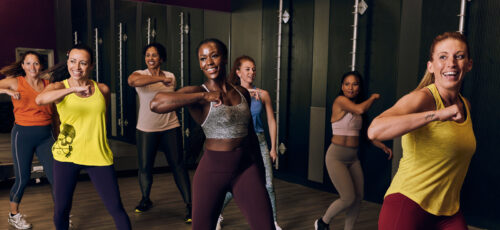
people in core group fitness class

Your obliques consist of two muscle groups on the sides of your abdomen:

  • External obliques: These are the outer muscles that run diagonally downward across your torso, similar to the direction your hands go when you put them in your pockets.
  • Internal obliques: These muscles sit beneath the external obliques and run diagonally in the opposite direction.

They work with the rectus abdominis and deep core muscles to form a complete, 360-degree support system.

This coordination matters when throwing a ball, swinging a racket, changing direction, or stabilizing a loaded barbell.

Traditional crunches primarily emphasize forward flexion and the rectus abdominis, while oblique training prepares your core for movement in several directions.

Understanding these functions also improves exercise selection: Russian twists train rotation, side bends emphasize lateral flexion, and Pallof presses challenge anti-rotation stability. Each movement pattern gives your obliques a different job.

Signs of Weak or Underdeveloped Obliques

Many people focus on crunches and sit-ups for their abs but don’t train their obliques much. This can leave the sides of your core less ready to rotate, bend, or resist movement.

Common signs may include:

  • Difficulty with rotational movements: Twisting to reach behind you, swinging a racket, or performing cable rotations may feel awkward or weak.
  • Lower-back discomfort while twisting: Your lower back may compensate when your obliques cannot control rotational forces effectively. Persistent pain should be evaluated by a qualified healthcare professional.
  • Poor core stability: Planks, loaded carries, unilateral lifts, and renegade rows may cause excessive shaking, leaning, or hip rotation.
  • Form breakdown during side-based exercises: Your hips may drop during side planks, or your torso may lean forward during side bends.
  • Reduced rotational power: Throwing, swinging, and changing direction may feel slower or less coordinated.
  • Uneven core definition: Your rectus abdominis may be visible while the sides of your midsection appear comparatively underdeveloped.

These signs don’t always mean your obliques are weak, but they can show that you might need to add more rotation, side bending, and anti-rotation exercises to your routine.

8 Tips for Building Stronger, More Defined Obliques

  1. Train your obliques two to four times per week: Regular exposure supports skill development and muscle growth, but not every session needs to be intense. Allow enough recovery between demanding workouts.
  2. Include rotational and anti-rotation exercises: Movements such as Russian twists produce rotation, while Pallof presses teach your core to resist it. Training both functions creates more complete oblique strength.
  3. Control every rep: Move slowly and avoid swinging the weights. Using momentum might finish the rep, but it usually means your obliques aren’t doing most of the work.
  4. Train your entire core: Combine oblique exercises with movements for the rectus abdominis, deep core, hips, and lower back. A coordinated core provides better stability than training one muscle group alone.
  5. Focus on quality: Pay attention to your obliques working, whether they’re shortening, lengthening, or holding steady. Good muscle tension is more important than moving fast or using heavy weights.
  6. Change up your exercises: Mix rotation, side bending, and anti-rotation moves. Each one trains a different skill and keeps your routine from getting repetitive.
  7. Support definition with nutrition: Oblique exercises build muscle, but reducing overall body fat is usually necessary to make that development more visible. Pair consistent training with balanced eating habits that support your goals.
  8. Work with a Crunch trainer: A trainer can correct your form, evaluate your current core strength, and create a personalized progression. Learn how personal trainers can improve athletic performance through purposeful programming and coaching.

Common Mistakes That Limit Oblique Development

  • Using excessive momentum: Swinging quickly through Russian twists or cable rotations lowers muscle tension and can put extra stress on your spine. Rotate with control and let your obliques, not momentum, move the weight.
  • Only doing rotational exercises: Twisting is important, but it is just one job of the obliques. Add anti-rotation moves like Pallof presses and one-sided carries to build full stability.
  • Using too much weight: Lifting too heavy can make your hips shift, your spine round, or your lower back do the work. Choose a weight that lets you keep good form for every rep.
  • Training too quickly: Rushing through side bends and rotations means your muscles do not work as long. Slower reps help you feel your obliques working and notice when your form changes.
  • Using too little frequency or volume: Doing just one quick set a week is not enough for real progress. Work your obliques regularly, but give yourself enough time to recover between tough workouts.
  • Ignoring hip and spine position: When doing side-bending exercises, keep your hips steady and avoid leaning forward or twisting by accident. Move with control from your sides, not by letting your lower back collapse.
  • Expecting exercise alone to reveal definition: Oblique exercises make muscle, but they cannot burn fat just from your waist. Seeing definition also depends on your nutrition, body fat, genetics, and regular full-body workouts.

The Role of Nutrition in Oblique Definition

How visible your obliques are depends mostly on your overall body fat, not just your workouts. Exercise makes your obliques stronger, but losing fat is what makes them show.

Eating a little less than you burn helps you lose fat while still having energy for your workouts. Getting enough protein also helps you keep your muscle as you lose weight.

Drinking enough water and choosing your foods wisely can change how your midsection looks from day to day. Water helps with digestion and performance, and some foods can cause short-term bloating, which is not the same as gaining fat.

Crunch trainers can help you build healthy habits and give basic nutrition advice. If you need more detailed help, they can refer you to a qualified nutrition expert.

Creating a Complete Oblique Training Program

A good core program works your obliques, upper and lower abs, lower back, hips, and deep stabilizer muscles. The goal is not just to do random ab moves, but to train the main ways your core moves:

  • Flexion: Crunches, cable crunches, and reverse crunches.
  • Lateral flexion: Dumbbell side bends and side plank hip dips.
  • Rotation: Cable woodchops, Russian twists, and landmine rotations.
  • Anti-rotation: Pallof presses, single-arm carries, and renegade rows.
  • Anti-extension: Planks, dead bugs, and ab-wheel rollouts.

Your obliques can usually recover fast enough for two to four workouts each week if you manage the amount and difficulty. These sessions do not all have to be long or just for your core. You can add a couple of oblique exercises after a lower-body workout, do some anti-rotation moves with your upper-body routine, and finish with a full core session later in the week.

Do explosive rotational exercises first, when you are fresh and can move powerfully and safely. After that, do controlled strength moves, isolation exercises, and stability holds. Always keep good form; do not let fatigue come before technique.

Sample Beginner Oblique Workout

Complete two sets of each exercise, resting as needed to maintain control:

  1. Cable woodchop: 8–10 repetitions per side.
  2. Reverse crunch: 10–12 repetitions.
  3. Modified side plank: Hold for 20–30 seconds per side.
  4. Pallof press: 8–12 repetitions per side.

These four exercises cover rotation, flexion, side stability, and anti-rotation without being too much for someone new to the gym. Beginners should focus on bracing, breathing, and noticing where they feel each movement.

Sample Advanced Oblique Workout

Complete two to four sets of each exercise based on your experience and recovery:

  1. Medicine ball rotational slam: 6–8 repetitions per side.
  2. Landmine rotation: 8–10 repetitions per side.
  3. Hanging oblique raise: 6–10 repetitions per side.
  4. Weighted cable crunch: 10–15 repetitions.
  5. Weighted side plank with rotation: 6–8 repetitions per side.
  6. Pallof press hold: Hold for 20–30 seconds per side.


How Crunch Fitness Can Help You Build Strong, Defined Obliques

Crunch Fitness offers expert coaching, a variety of equipment, and smart programs to help you build stronger, more defined obliques. This makes Crunch a great place to train all your core movements safely and regularly.

Expert Coaching on Oblique Training and Proper Form

Crunch personal trainers check your core strength, find any weak spots, and help you fix your form during rotation and anti-rotation exercises. They can create a program just for you, whether you want to perform better or see more definition, and give you practical tips on nutrition and body composition.

Complete Equipment for Oblique Training

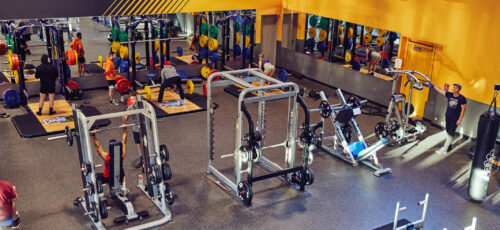
Cable machines let you adjust resistance for controlled rotations and Pallof presses, while medicine balls help you build rotational power. Resistance bands, stability balls, landmine attachments, and other tools let you train rotation, side bending, and anti-rotation in different ways.

Fun Group Fitness Classes That Support Oblique Development

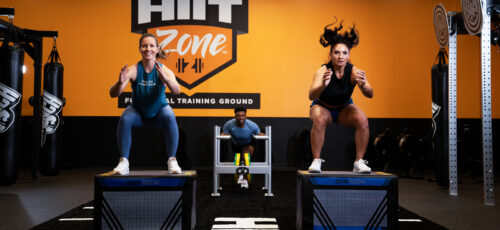
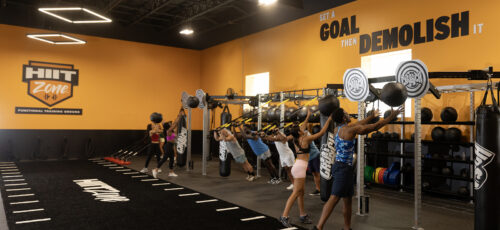
Crunch group fitness classes include oblique exercises in fun, organized workouts. Strength, functional, and core classes offer helpful variations and coaching on your technique. Working out with a group also keeps you motivated and accountable, so core training feels less like a chore and more like something you want to do again.

Join Us!

Crunch promotes a culture of positivity, inclusivity, and fun with no judgments by providing an environment for all individuals, regardless of their health and fitness goals. Find a Crunch gym near you to try our free trial membership, or join Crunch now. We’re here for you – at the gym or at home. Access the best live & on-demand workouts anytime, anywhere with Crunch+. Ready to get sweaty? Try hundreds of workouts for free! Start your free trial now!

FAQs

Why Don’t My Obliques Show Even Though I Have Visible Abs?

If your obliques aren’t visible, it could be due to your muscle development, genetics, or how your body stores fat. Try adding rotational, side-bending, and anti-rotation exercises, and make sure your nutrition is consistent.


Can Oblique Exercises Help With Lower Back Pain?

Oblique exercises can help some people with lower back discomfort by making the core stronger and more stable. If your pain doesn’t go away or gets worse, see a healthcare professional before continuing your workouts.

How Long Does It Take to See Oblique Definition?

It can take anywhere from a few weeks to a few months to see your obliques, depending on your body fat, muscle, nutrition, and how consistent you are. You’ll likely notice better strength and control before you see visible changes.

Will Oblique Exercises Make My Waist Wider?

Doing oblique exercises as part of a balanced routine probably won’t make your waist much wider. Lifting heavy weights might add a little muscle, but your genetics, bone structure, and body fat have a bigger effect on how your waist looks.

Can I Get Defined Obliques Without Losing Weight?

Yes, you can get more defined obliques without your weight changing if you lose fat and gain muscle at the same time. If your body fat is already low, building up your oblique muscles can help them show even more.

Should I Use Weights for Oblique Exercises or Just Do Bodyweight Exercises?

Both bodyweight and weighted oblique exercises can make you stronger. Start with bodyweight moves to learn good form, then add weights once you can do the exercises correctly and with control.

Should I Join a Gym to Start Training My Obliques?

Yes, joining a gym like Crunch Fitness can help you start training your obliques more effectively. You can still begin at home with side planks, bird dogs, and bodyweight Russian twists. Still, a gym membership gives you access to cables, medicine balls, landmine attachments, and coaching for more exercise variety and better results.

What Gyms Have the Best Free Weights and Machines for Oblique Training?

Gyms that have cable stations, dumbbells, medicine balls, landmine equipment, and functional training areas give you the best choices for oblique workouts. Crunch Fitness often has both free weights and machines, but the equipment can be different at each location.

Explore More Articles