









Hip Mobility Exercises to Increase Flexibility & Reduce Pain | Crunch Fitness
October 7, 2026
Your hips are involved in almost every movement you make. Everyday actions like walking, running, squatting, and even basic tasks rely on healthy hip joints, flexible muscles, and a stable pelvis.
But if you spend a lot of time sitting, repeat the same workouts, or skip mobility training, your hip flexors, glutes, and hamstrings can get tight. This often makes your lower back work harder, which can cause stiffness, limit your movement, and sometimes lead to discomfort in your hips.
This is where Hip Mobility Exercises become essential. The right exercises improve hip flexibility, support the surrounding joint structures, and help the muscles move more efficiently. Effective routines typically combine dynamic stretches, controlled strength training, and targeted hip exercises that activate the gluteal muscles, hip rotators, and stabilizers responsible for smooth hip rotation and movement.
This guide will show you some of the best hip mobility exercises to help you become more flexible and reduce pain. Whether you sit a lot, work out often, or just feel tight in your hips, these exercises can help you move better.
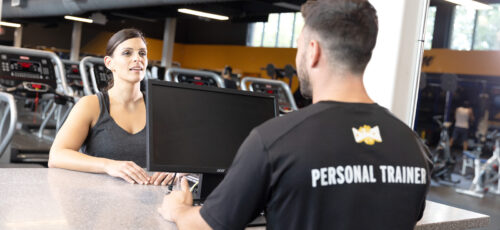
If you want quicker and safer results, a Crunch Fitness personal trainer can help find what’s holding you back and create a plan just for you.
Improving hip mobility isn’t about pushing yourself into deep stretches. Instead, it’s about using gentle stretches, dynamic movements, controlled strength work, and taking things step by step. The hips are one of the body’s most complex joints, linking your pelvis, lower back, and legs.
Studies in sports medicine and physical therapy show that sitting for long periods can shorten your hip flexors, like the psoas and Tensor Fascia Latae. This can lead to a tilted pelvis, less mobility, and tension in your lower back. Working on hip mobility helps bring balance back to your hips, keeps your joints healthy, and improves how you move.
It’s safest to begin with simple mobility drills and then move on to more challenging strength and flexibility exercises. The exercises below are grouped by how hard they are and what they do, so you can pick the ones that fit your experience and mobility level.
If you want to strengthen the muscles that support hip mobility, check out Crunch’s guide to hip strengthening exercises: What Are the Best Hip Strength Exercises?
If you’re new to hip mobility exercises or experiencing stiffness in the hip region, starting with gentle movements helps build awareness and control.
These exercises focus on restoring the range of motion without placing excessive stress on the hip joints, hip bones, or surrounding tissues.
Supine Hip Circles
Knee-to-Chest Stretch
Figure-Four Stretch
Pelvic Tilts
Supine Hip Rotations
Dynamic movements are essential for warming up the muscles, improving blood flow, and preparing the hips for activity. These dynamic stretches move the hips through controlled ranges of motion to improve functional mobility.
Front-to-Back Leg Swings
Side-to-Side Leg Swings
Quadruped Hip Circles
Cat-Cow With Hip Emphasis
Walking Hip Openers
Controlled Hip Flexor Marches
Static stretching helps lengthen tight muscles and makes your hips more flexible. It works best when you do these stretches after a workout or mobility session.
Pigeon Pose
Butterfly Stretch
Happy Baby Pose
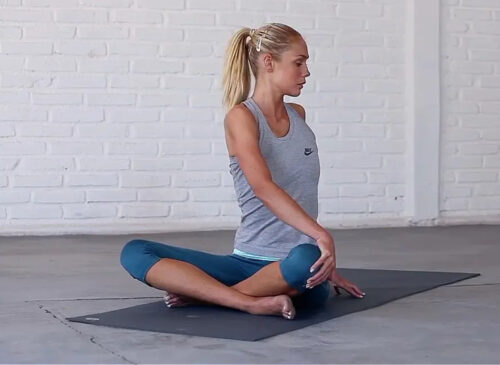
Seated Hip Stretch
Child’s Pose
For more flexibility routines, explore: Flexibility and Stretching Exercises You Should Do Every Day
Stretching by itself won’t improve your mobility for the long run. Strength training is also important because it helps keep your hips stable and supports your flexibility.
Clamshell Exercise
Side-Lying Hip Abduction
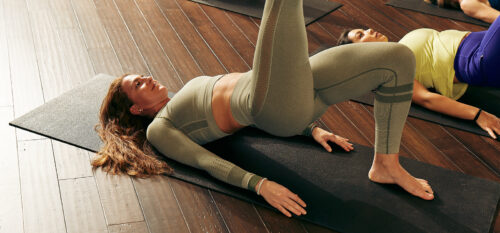
Glute Bridge
Single-Leg Deadlift
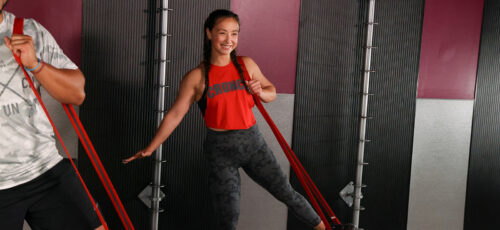
Banded Hip Extensions
After you’ve built a good base, more advanced mobility exercises can help you get even more flexible and boost your performance.
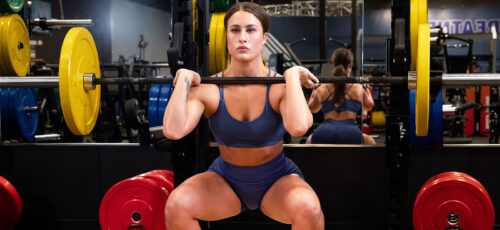
Deep Squat Hold
90/90 Hip Mobility Drill
Hip Airplane
Rotational Hip Flexor Stretch
Loaded Mobility Patterns
Healthy hips are key to nearly every move you make. Your hip joints link your pelvis, legs, and lower back, so they’re at the center of walking, running, sitting, lifting, and sports.
Imagine Alex, an office worker who spends eight hours a day sitting at a desk. When Alex goes to the gym and tries squats or deadlifts, the hips feel stiff, and the lumbar region begins to compensate. Instead of the gluteal muscles doing the work, the lower back absorbs the stress, increasing the risk of pain or injury.
This happens to a lot of people. When your hips can’t move well, your body spreads the effort to other joints like your knees, ankles, or spine. This can make those joints stiff, less efficient, and more likely to get injured from overuse.
For a deeper look at how flexibility supports training and recovery, explore: How Improving Flexibility Boosts Your Workout Plan and Supports Fitness Goals
Building strong and flexible hips helps everyone, whether you’re an athlete or spend most of your day at a desk. When your hips move well, your whole body works better.
Some of the key benefits of improving hip mobility and flexibility include:
Older adults also gain a lot from better hip mobility. Keeping your hips flexible can help you stay balanced, lower your risk of falling, and keep you independent in daily life.
If hip mobility limitations are contributing to lower back discomfort, strengthening the surrounding muscles can also help. Learn more here: Top 10 Exercises for Lower Back Strength
To understand why hip mobility exercises are so important, it helps to look briefly at hip anatomy. The hip joint is a ball-and-socket joint where the femoral head (the ball) fits into the acetabulum (the socket) of the pelvis. This design allows the hips to move in multiple directions, including flexion, extension, abduction, and rotation.
Surrounding the joint are several key muscle groups that influence mobility:
If these muscles get out of balance, it’s common to develop mobility problems.
Physical therapists and physiotherapists often evaluate hip pain through movement assessments like the FABER test or FADDIR test, which help identify restrictions in the hip joint or surrounding muscles.
Understanding the source of tightness or discomfort helps guide the selection of effective hip exercises and mobility drills. Instead of simply stretching randomly, targeted exercises can address the root cause of movement limitations.
Hip mobility issues usually build up slowly, so many people don’t notice them until they feel pain or stiffness. Spotting the early signs helps you fix these problems before they get worse.
Some common indicators that your hips may need attention include:
Sometimes, hip problems can cause pain in other places, like your knees or lower back, instead of just your hips.
At Crunch Fitness, trainers regularly incorporate mobility work into warm-ups, strength sessions, and recovery routines. By combining mobility drills, targeted strength training, and expert guidance, members can build stronger hips, improve movement quality, and stay active for years to come.
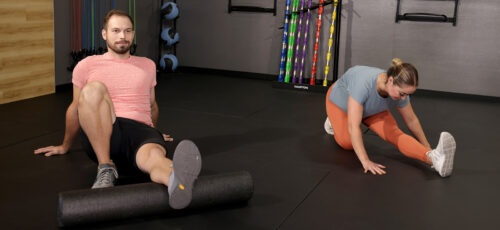
One helpful strategy is foam rolling or self-massage, which can reduce muscle tension in areas like the iliotibial band, piriformis, and hip flexor muscle group. These techniques help release tight tissues that restrict movement and limit hip flexibility.
Strengthening the core is another key component of healthy hip function. When the lower abdomen and surrounding stabilizers are strong, they support proper pelvic alignment and reduce excess pressure on the lumbar region and core discs during movements like squats or deadlifts.
Mobility in other joints also affects the hips. Limited ankle mobility, for example, can prevent athletes from reaching proper squat depth, causing the body to compensate by shifting stress to the hips or lower back.
Your lifestyle matters too. Getting good sleep, managing stress, and moving regularly during the day can help relax your muscles and speed up recovery. Studies show that ongoing stress can make pain and tightness worse, so mobility work is less helpful if you skip recovery.
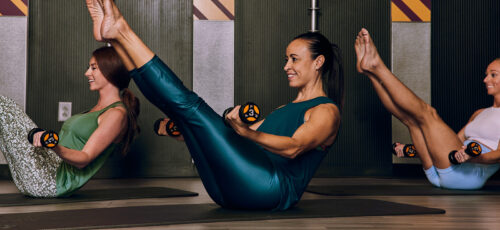
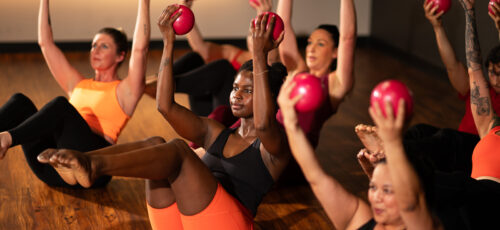
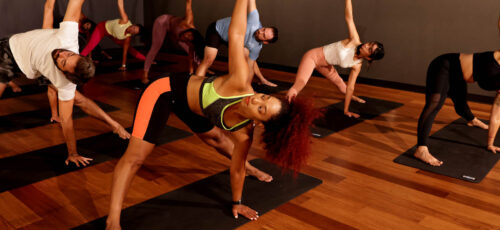
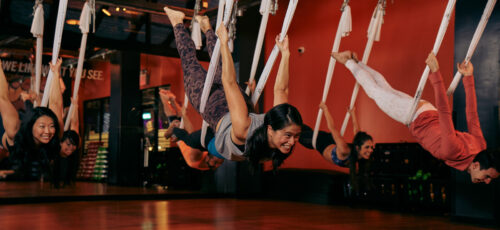
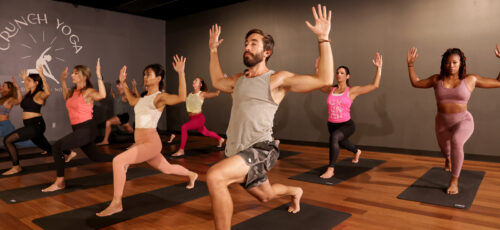
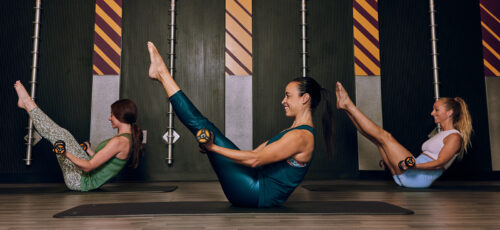
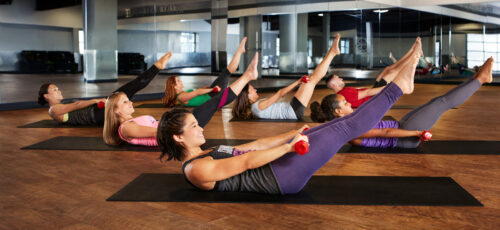
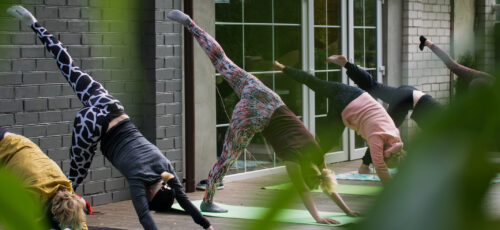
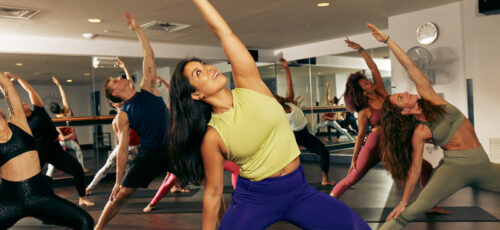
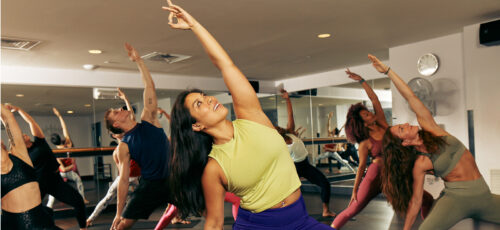
Crunch Fitness supports a holistic approach to hip health by offering multiple ways to improve mobility and recovery. Many members incorporate yoga flows that open the hips or Pilates routines that strengthen hip stabilizers to complement strength workouts.
You can learn more about these complementary practices here:What Happens to Your Body When You Do Pilates Regularly?
And explore how yoga supports muscle recovery here:
Is Yoga the Secret to Faster Muscle Recovery After Exercise?
Crunch Fitness offers a supportive place where you can work on hip pain, mobility issues, and movement problems with help from experts and great resources.
With personal coaching, special equipment, and group fitness classes, Crunch takes a complete approach to help you improve hip flexibility, strengthen important muscles, and move better overall.
Below are three ways Crunch helps members move better and feel better.
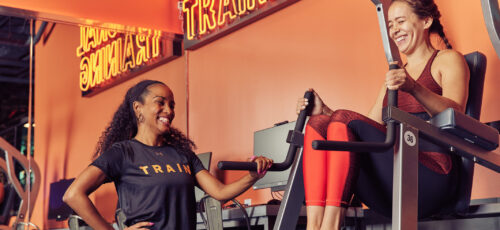
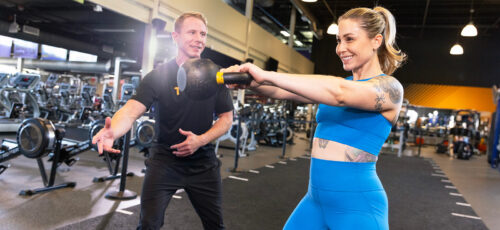
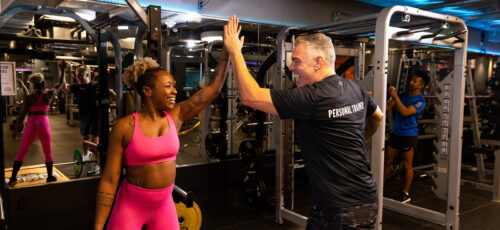
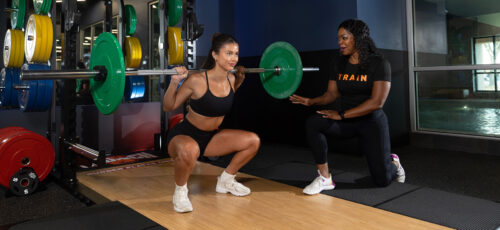
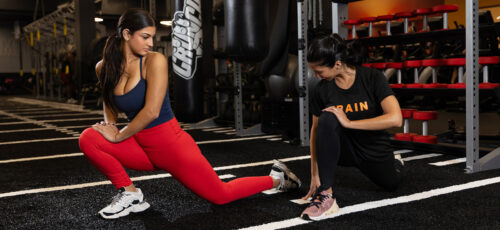
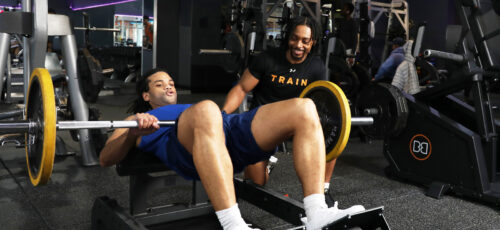
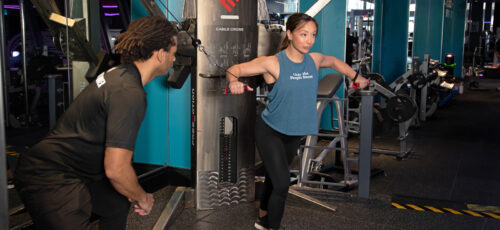
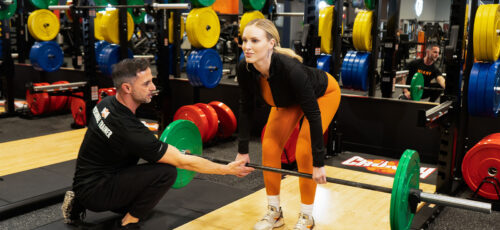
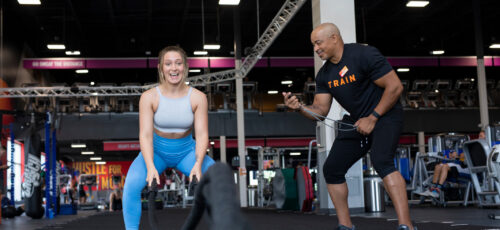
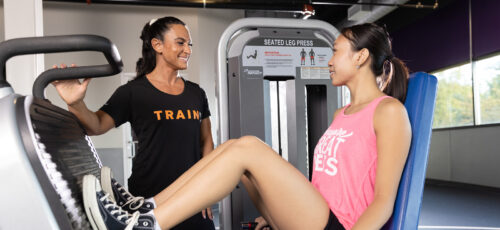
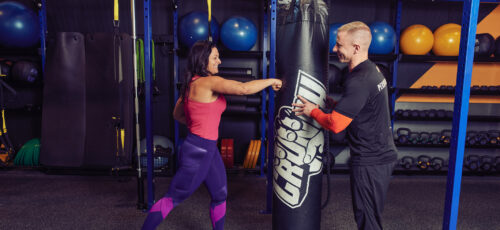
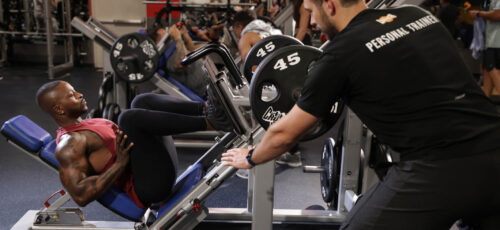
Crunch Fitness certified trainers begin by conducting a comprehensive movement assessment to evaluate your mobility, strength, and movement patterns.
This evaluation helps identify the root causes of mobility restrictions rather than simply treating symptoms. For example, tight hip flexors combined with weak glutes may create excessive stress in the lower back during lifting.
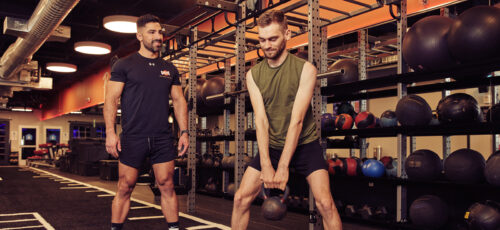
Based on the findings, trainers develop a customized program that combines targeted mobility drills, strengthening exercises, and corrective movements. They also provide real-time coaching on posture and technique, helping ensure exercises improve mobility rather than aggravate pain.
As mobility improves, trainers adjust programs to introduce new challenges while maintaining safe progression.
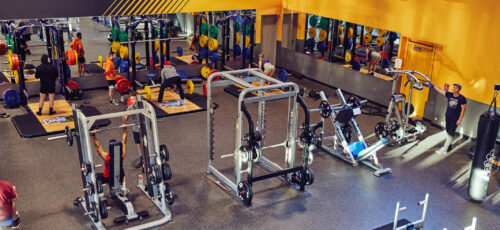
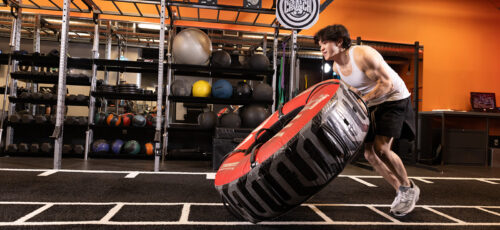
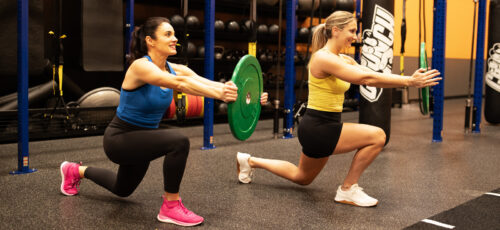
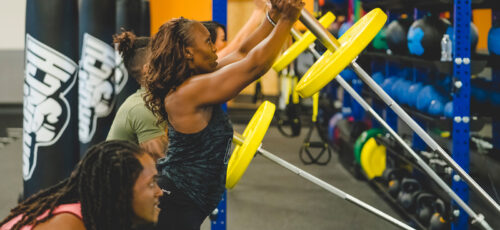
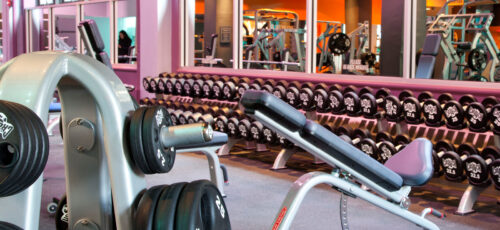
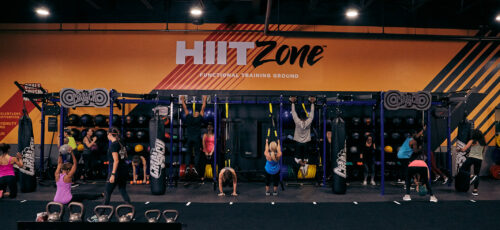
Crunch Fitness clubs are equipped with a wide variety of tools that support effective mobility training.
Members have access to equipment such as:
Dedicated training areas allow members to perform exercises like hip airplanes, mobility drills, or deep squat holds safely and comfortably.
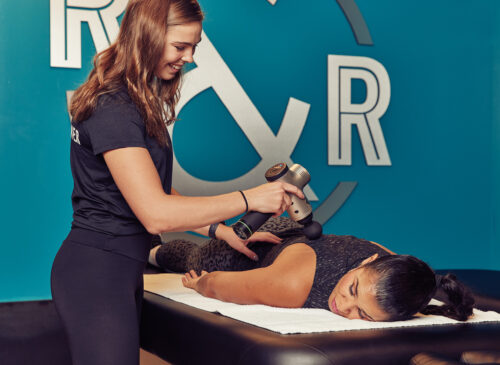
Recovery tools help reduce tension in muscles like the piriformis, iliotibial band, and hip adductors, which can restrict hip mobility if left unaddressed.
Learn more about Crunch equipment and training spaces here: What Equipment Does Crunch Fitness Provide?
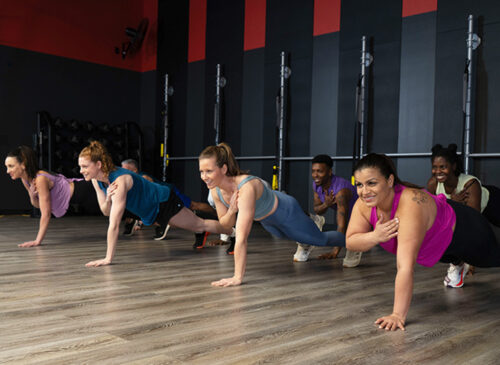
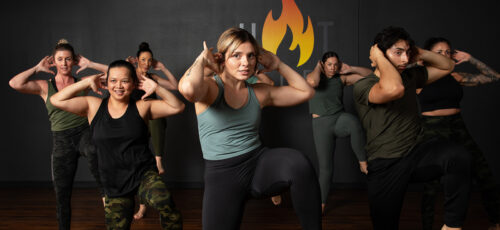
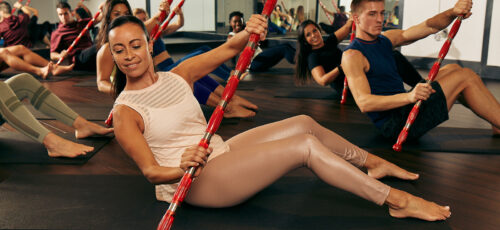
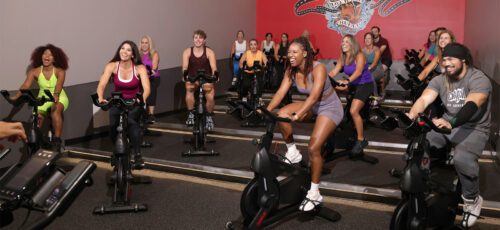
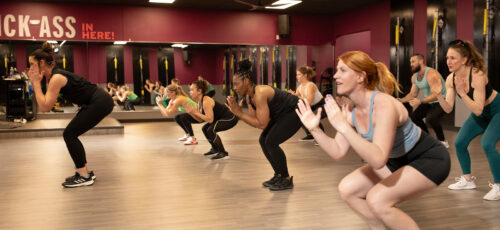
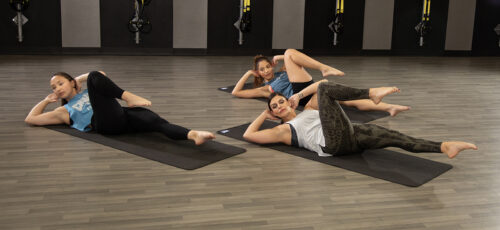
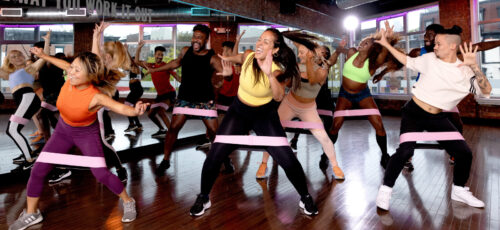
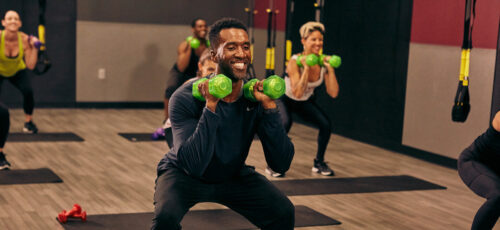
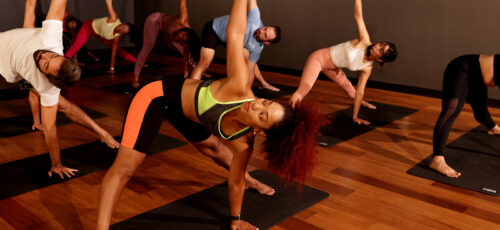
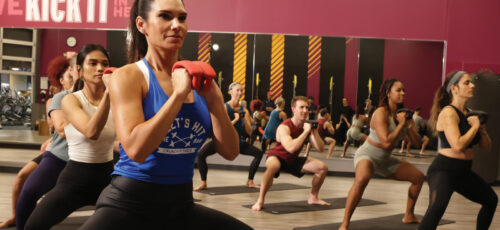
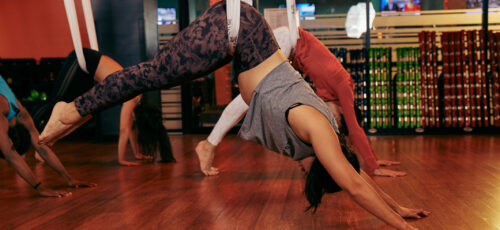
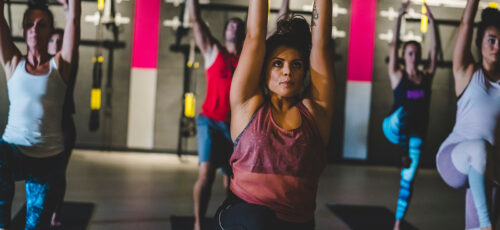
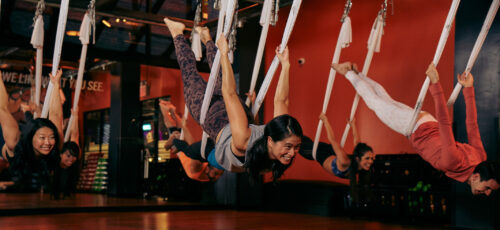
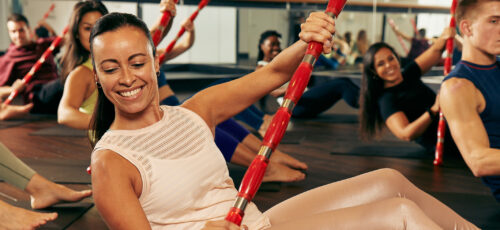
Group fitness classes can be an excellent way to improve mobility while staying motivated.
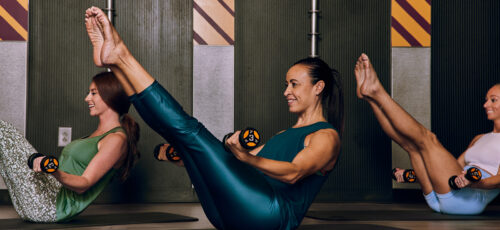
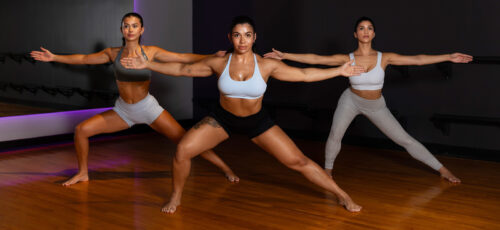
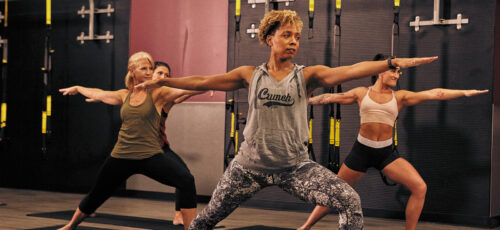
At Crunch Fitness, several classes incorporate movements that help increase hip flexibility and improve overall joint health.
Group classes give you expert guidance, motivation, and variety, making it easier and more fun to stick with your mobility routine.
By combining strength training, recovery tools, and mobility-focused classes, Crunch Fitness helps members improve hip mobility, reduce discomfort, and build stronger, healthier movement patterns for everyday life.
Crunch promotes a culture of positivity, inclusivity, and fun with no judgments by providing an environment for all individuals, regardless of their health and fitness goals. Find a Crunch gym near you to try our free trial membership, or join Crunch now. We’re here for you – at the gym or at home. Access the best live & on-demand workouts anytime, anywhere with Crunch+. Ready to get sweaty? Try hundreds of workouts for free! Start your free trial now!
Tight hips and hip pain often happen because of sitting for long periods, weak glutes, or tight hip flexors. When these muscles are not balanced, your hips may not move as well, and you might feel extra stress in your pelvis and lower back. Doing exercises like squats or running with poor form can also lead to hip discomfort over time.
Most people start to see better hip flexibility after doing hip mobility exercises regularly for 2 to 4 weeks. Stretching often, building stronger glutes and hip muscles, and working on joint movement can slowly ease stiffness and pain. How quickly you improve depends on how often you exercise, your current flexibility, and how long your hips have been tight.
To get the best results, try to do hip mobility exercises and stretches 4 to 6 times a week. Practicing regularly helps loosen tight hip flexors, wake up your glutes, and improve how well your hips move. Even short daily routines can make a real difference over time.
Yes, hip mobility exercises can reduce back pain by helping your hips and pelvis move better during daily activities. If your hips are stiff, your lower back often has to work harder, which can strain your spine. By improving hip flexibility and glute strength, you spread movement more evenly and take pressure off your back.
No, you should not feel sharp pain when doing hip mobility exercises. It is normal to feel a gentle stretch or some muscle tension, but you should always stay within a comfortable range. If you feel pain in your hips, groin, or lower back, ease up or stop and check your form.