









Best Trap Exercises for a Stronger, Bigger Upper Back | Crunch Fitness
June 14, 2026
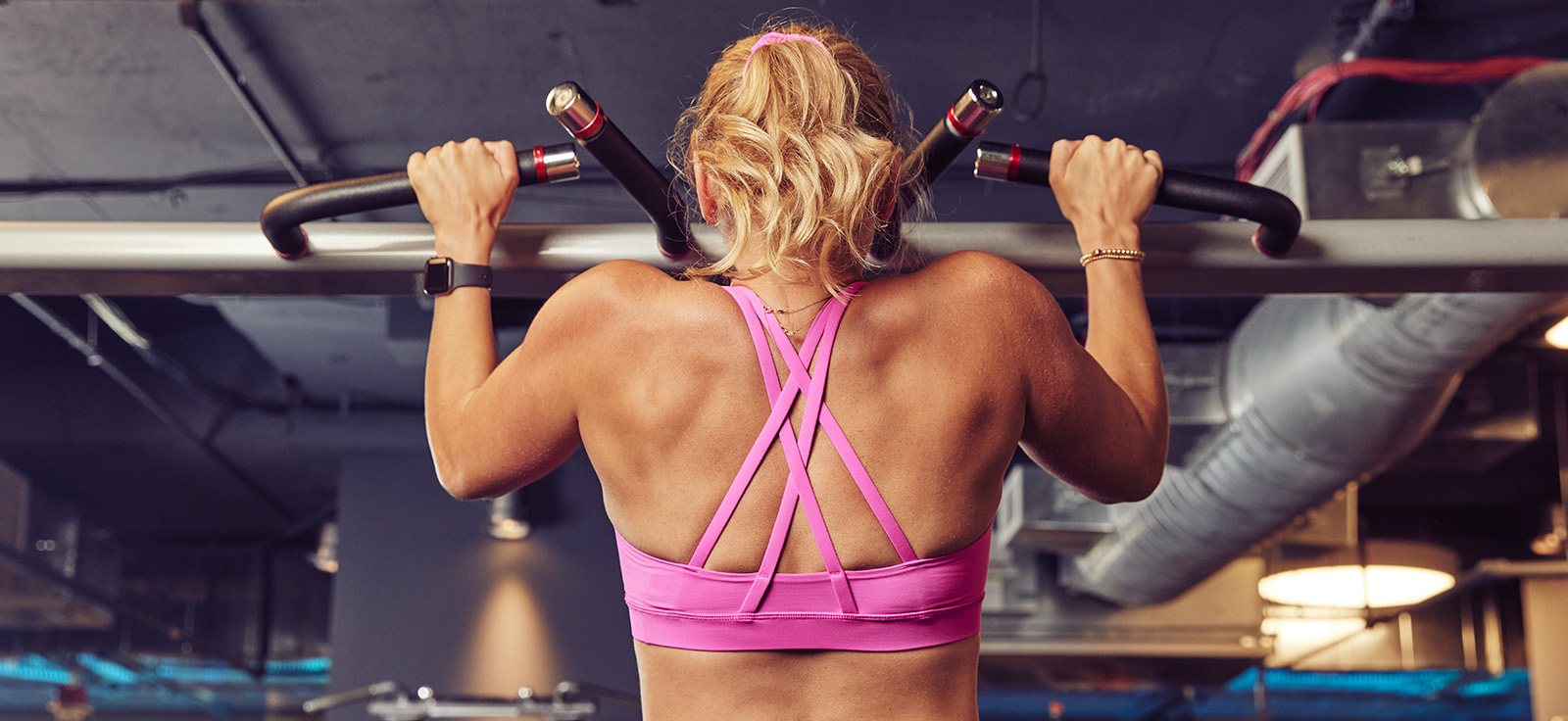
When people think about building a stronger back, they often focus on their lats or shoulders and overlook one of the most important muscle groups: the traps.
Trap exercises strengthen the trapezius muscles, which stretch from your neck across your upper back and shoulders. These muscles are key for good posture, stable shoulders, pulling strength, and many everyday and gym movements.
Strong traps help you lift heavier weights, but they also give you a balanced, athletic look and help build the thick upper back many people want.
This guide covers our top trap exercises for the upper, middle, and lower parts of the muscle. We’ll also include compound moves, resistance band options, common mistakes, training tips, and how to build a full upper back routine for lasting results.
If you want a stronger, bigger upper back, read on.
The trap exercises below are grouped by trap region to help you build a balanced upper back. Focus on moving with control, using good shoulder blade mechanics, and gradually increasing weight instead of just lifting as heavy as possible.
A good trap workout not only makes your upper back look better, but also helps it work better and supports stronger, healthier shoulders.
Most people think of shrugs when it comes to building traps, and for good reason. The upper traps are the most noticeable part of the muscle and play a big role in creating that strong “yoke” look.
How To Do It
How To Do It
How To Do It
How To Do It
How To Do It
Many of these upper trap exercises also build the muscles you need for pulling strength and upper back stability. If you want to boost your overall back strength while working on your traps, see our guide to upper back strengthening exercises.
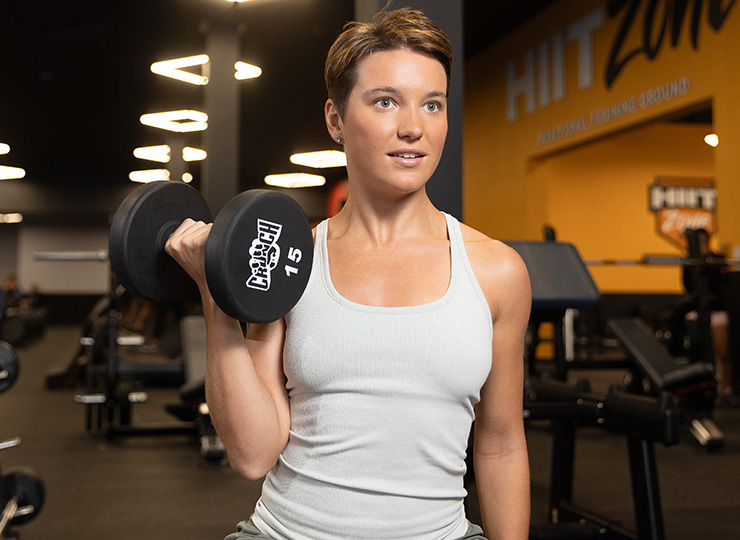
The middle traps pull your shoulder blades back and are important for good posture. If you spend a lot of time at a desk or on your phone, working on this area can make a big difference.
How To Do It
How To Do It
How To Do It
How To Do It
How To Do It
People often overlook the lower traps, but they are key to healthy shoulders and smooth overhead movements.
How To Do It
How To Do It
How To Do It
How To Do It
How To Do It
The lower traps play a critical role in shoulder health, posture, and overhead movement mechanics. Developing strength in this area can complement many of the movements featured in our guide to the best shoulder strength exercises, helping create stronger and more resilient shoulders.
Some of the best trap exercises are actually compound lifts, not just isolation moves. These let you use heavier weights and build overall back strength while growing your traps.
Top choices include:
These exercises are great for building trap size because they work your whole back. Since Olympic style lifts need good technique, learning from a qualified coach can help you get better results and avoid injuries.
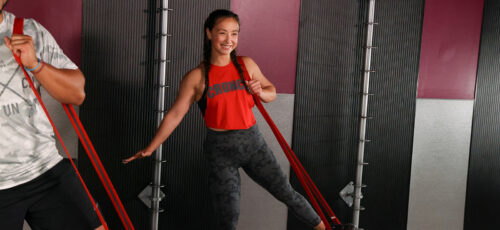
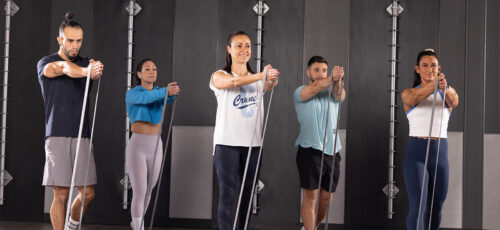
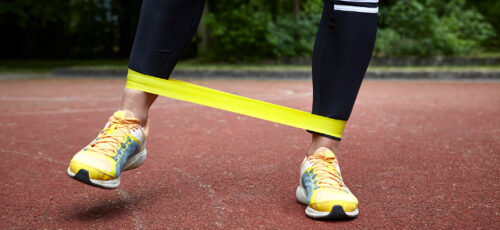
If you don’t have a barbell, that’s okay. Bodyweight and resistance band exercises can still give you a great trap workout and help with muscle control and endurance.
Some excellent options include:
You can use these moves as warm-ups, finishers, travel workouts, or even on their own. Slow down the pace and focus on good muscle contractions—you might be surprised at how tough they get.
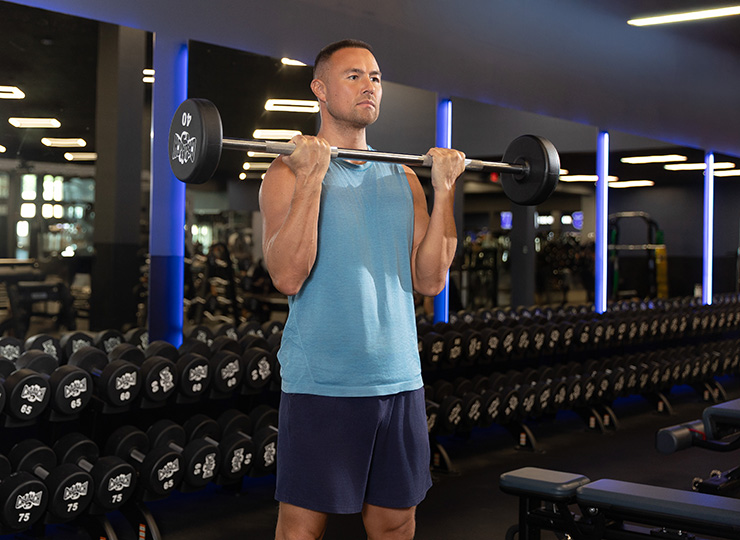
Strong traps do more than just make your upper back look powerful. They help protect your neck and shoulders during heavy lifts, sports, and daily activities like carrying, pulling, or reaching overhead.
Traps also add width and thickness to your upper body, giving you a stronger and more athletic look.
It’s important to train all three parts of the traps. If you skip the middle and lower traps, you might end up with poor posture, shoulder problems, or weaker overhead presses.
Many of the moves in our article, “Which Back Strength Exercises Build the Most Muscle Fast?”, also help with trap training by working your whole upper back. Doing these together can help you build a stronger, healthier, and more balanced body.
The trapezius, or “traps,” is a big, diamond-shaped muscle that covers most of your upper and middle back. It’s made up of three parts that work together to support your posture, shoulder health, and upper body strength.
Each part of the traps has its own job, but they all work together during exercises like pull-ups, rows, deadlifts, and overhead presses.
Knowing how the traps work can help you pick the best exercises for full development.
For example, shrugs emphasize the upper traps, rows target the middle traps, and Y-raises help strengthen the lower traps.
Training all three parts of the traps is key for a stronger upper back, better posture, and healthy shoulders.
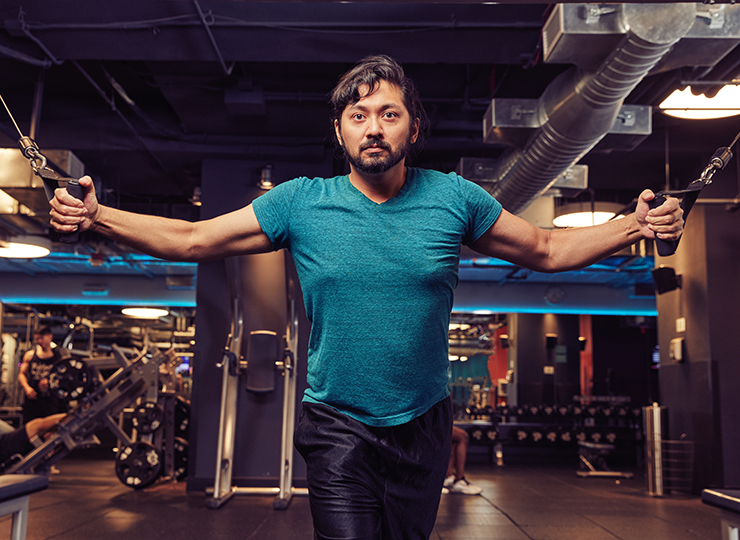
Weak or underdeveloped traps can hurt your performance and posture. Signs include rounded shoulders, trouble squeezing your shoulder blades together during rows, shoulder discomfort when reaching overhead, and having big upper traps but little thickness in the middle back.
You might also notice weaker grip strength during heavy lifts or frequent neck tension. Often, the upper traps work too hard to make up for weak middle and lower traps, leading to muscle imbalances, discomfort, and poor movement. Since grip strength and upper back stability go hand in hand, building your traps can also help with wrist strengthening exercises.
A lot of people do shrugs for years, but skip exercises for the middle and lower traps. Spotting these warning signs early can help you build a more balanced program before posture and shoulder issues get harder to fix.
Discover: What Are Quick Wrist Strengthening Exercises I Can Do Every Day?
A common mistake is only training the upper traps and ignoring the middle and lower parts. Heavy shrugs can build big upper traps, but if you skip the rest, you might end up with poor posture, muscle imbalances, and shoulder problems.
Another mistake is using too much weight for shrugs and other trap exercises. If the weight is too heavy, people often use less range of motion, swing the weight, or bounce through reps instead of controlling the movement. This means your traps work less and your risk of injury goes up.
Avoid rolling your shoulders backward during shrugs. Even though it’s a common gym myth, this move doesn’t help your traps and can put extra stress on your shoulder joints.
A lot of people skip exercises like rows, face pulls, and band pull-aparts that work on pulling your shoulder blades back. These moves are key for building the middle traps, improving posture, and adding thickness to your upper back.
Some people end up using their neck muscles instead of their traps during upper trap exercises, which can cause tension and discomfort instead of muscle growth. A Crunch Fitness trainer can help you spot these problems early, fix your technique, and make sure your traps develop evenly for long-term strength and shoulder health.
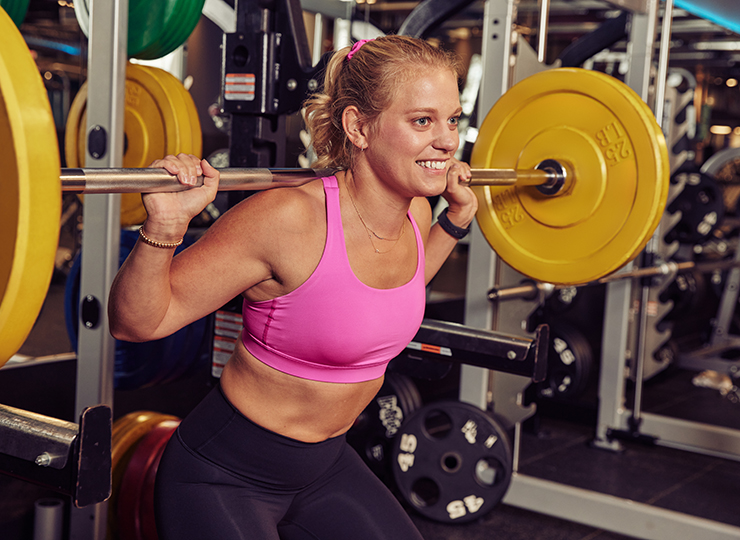
Building bigger traps matters, but a strong upper back needs more than just trap exercises. The best routines mix direct trap work with moves for the lats, rhomboids, rear delts, and other upper back muscles to build balanced strength, better posture, and a more athletic look.
A good program should have both vertical pulls, like pull-ups and lat pulldowns, and horizontal pulls, like rows and face pulls. This way, every part of your upper back gets worked and your shoulders stay healthy.
Start your workout with heavy compound lifts when you have the most energy, then finish with isolation exercises for specific trap areas. Try to do as many pulling exercises as pressing ones, or even a bit more, to keep your posture, shoulders, and upper body balanced.
Building strong, well-developed traps takes more than just doing shrugs. You need good coaching, a smart program, and the right equipment. Crunch Fitness offers all of these, making it a great place to improve your trap strength, posture, and overall back development.
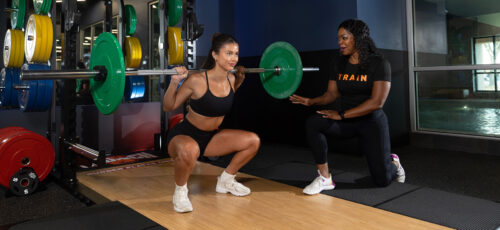
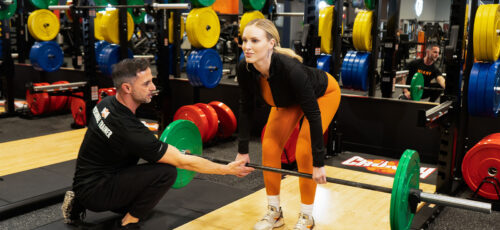
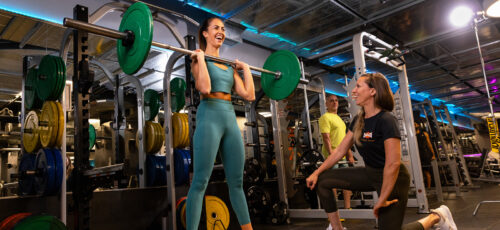
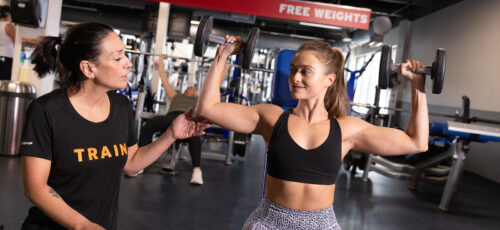
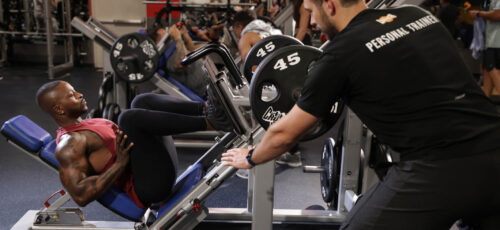
Crunch’s certified trainers help you learn the right exercise technique, control your shoulder blades, and use good movement patterns for trap growth. They can check your posture, find weak spots in your middle and lower traps, and build a program that fits your goals and experience.
Coaching in real time helps you avoid mistakes like using momentum, overusing your neck, or missing important parts of the traps. As you get stronger, trainers can update your program to keep you moving forward. Learn more about the benefits of working with personal trainers and custom programs.
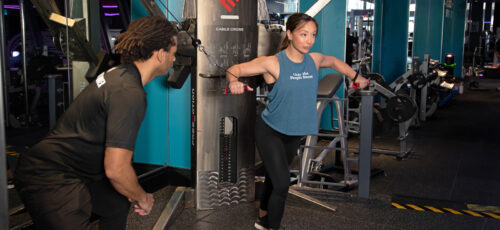
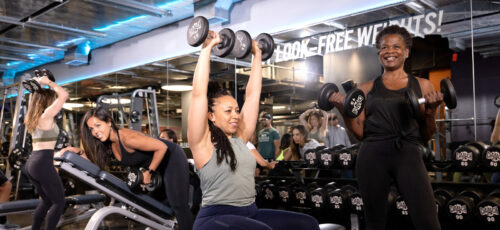
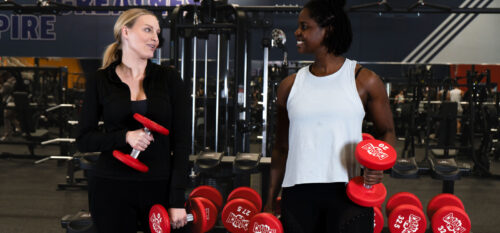
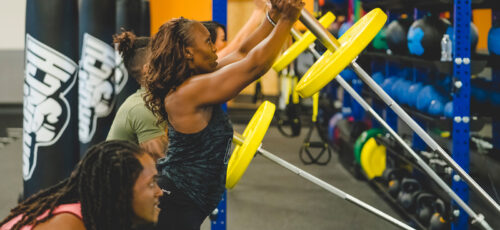
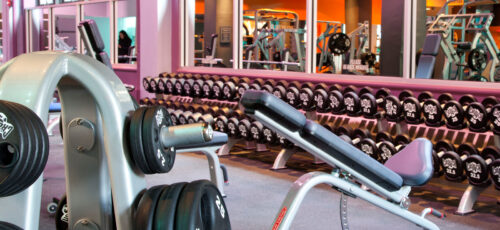
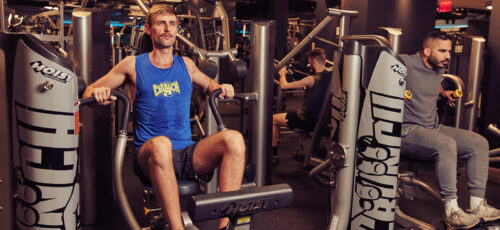
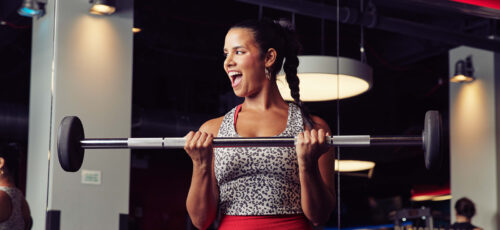
Crunch provides access to all the equipment you need for full trap development. You’ll find barbells, dumbbells, trap bars, cable stations, resistance bands, and adjustable benches; everything you need to train your upper, middle, and lower traps.
Heavy free weights let you keep adding weight to shrugs, deadlifts, and carries, while cable machines make it easy to do face pulls and other upper back moves from different angles. Check out our guide to see all the equipment Crunch Fitness offers.
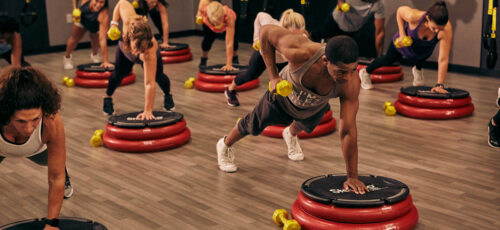
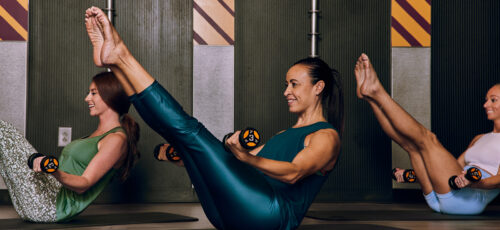
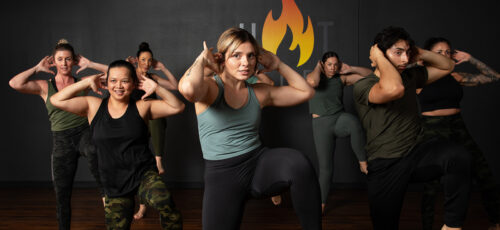
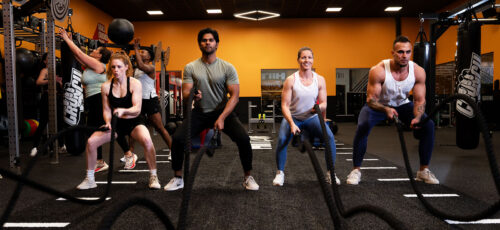
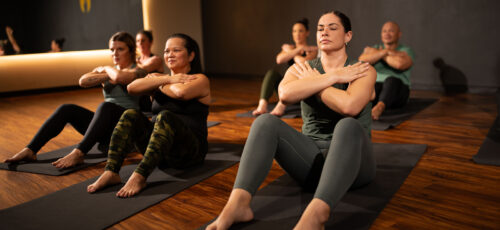
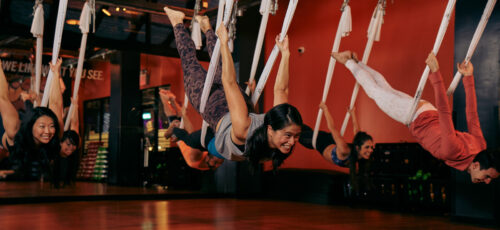
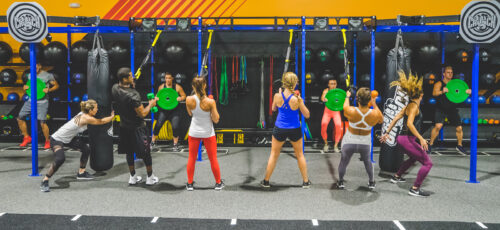
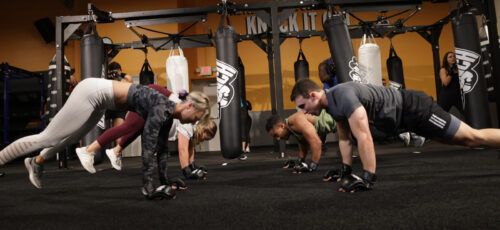
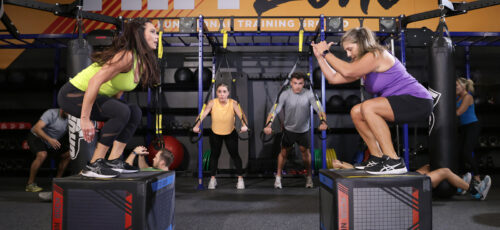
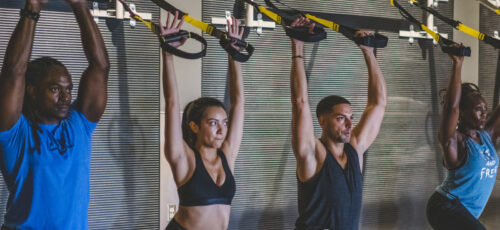
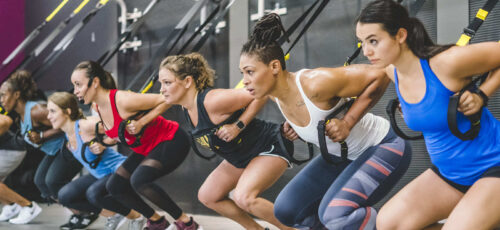
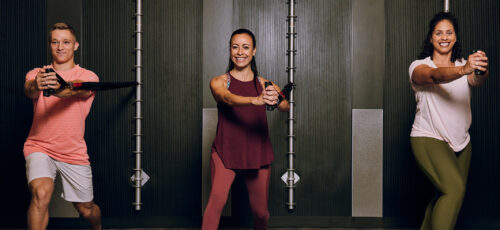
Many Crunch group fitness classes include rowing, pulling, and posture exercises that help build your upper back and traps. These classes offer expert instruction in a motivating, supportive setting and help you learn the right way to move.
Whether you join a strength class or a full-body workout, group training helps you practice good technique and keeps your routine interesting. If you like working out with others, these classes are a fun way to stay consistent and build upper back strength. See our guide to the 12 best group fitness classes for more options.
Crunch promotes a culture of positivity, inclusivity, and fun, with no judgment, by providing an environment for all individuals regardless of their health and fitness goals. Find a Crunch gym near you to try our free trial membership, or join Crunch now. We’re here for you – at the gym or at home. Access the best live & on-demand workouts anytime, anywhere with Crunch+. Ready to get sweaty? Try hundreds of workouts for free! Start your free trial now!
If you’re just starting out, try dumbbell shrugs, face pulls, farmer’s walks, and resistance band pull-aparts. These exercises are simple to learn and help strengthen all parts of your traps, while also improving your posture and shoulder stability.
Barbell shrugs are great for building bigger traps since you can lift heavy and focus on your upper traps. For the best results, add rows, face pulls, and other upper back exercises to your routine.
No, you shouldn’t train your traps every day. Like any muscle, they need time to recover. Training them two or three times a week is usually enough to build strength and muscle.
To grow your traps, try doing 3 to 5 sets of 8 to 15 reps for most exercises. For heavier moves like shrugs and deadlifts, you can go for 4 to 8 reps to build strength and size.
Most people start to see stronger and more defined traps after 6 to 12 weeks of regular training. Your results will depend on your workouts, nutrition, recovery, and how hard you train.
You can train your traps with either your back or shoulders, depending on how you set up your workouts. Many people like to work traps on back day since these exercises go well with rows, pull-ups, and other pulling movements.
Yes, deadlifts do help build your traps because your upper back and shoulders have to stabilize the weight as you lift. If your traps feel sore after deadlifts, it usually means they worked hard to support the weight and keep your posture strong.
Your upper traps lift your shoulders, the middle traps pull your shoulder blades together, and the lower traps help stabilize and rotate your shoulder blades. Training all three parts is important for balanced trap growth and healthy shoulders.
Yes, training your traps can help your posture, especially if you also work on your middle and lower traps. A stronger upper back helps prevent rounded shoulders and supports better alignment all day long.
Yes! You can use bodyweight exercises and resistance bands at home, but a gym membership gives you access to more equipment like machines, barbells, and dumbbells, which can help you create a more well-rounded workout to build bigger, stronger traps.
The best gyms for training traps have lots of free weights, cable machines, trap bars, and other equipment. Choose a gym that lets you do shrugs, rows, carries, face pulls, and other trap exercises safely and easily.