









Strength Training & Weight Gain: How to Build Muscle Without Excess Fat | Crunch Fitness
October 13, 2026
When you start strength training, a common concern is whether you’ll gain muscle but also put on unwanted fat. Many people want to build muscle without excess fat.
The good news is that it’s absolutely possible with the right combination of resistance training, smart nutrition, and consistent recovery.
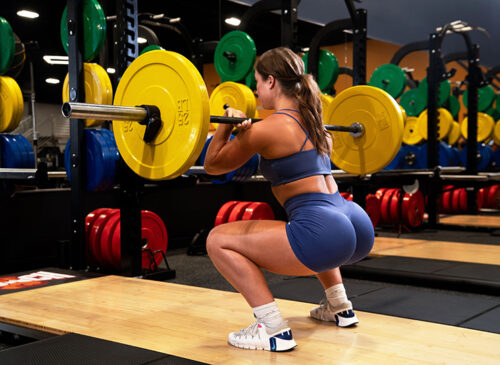
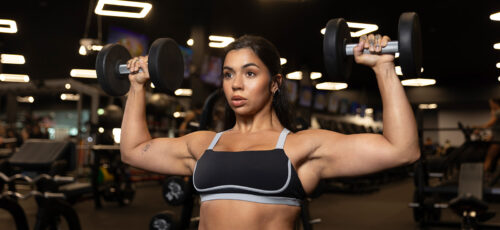
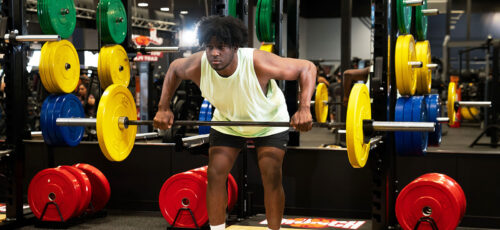
Exercises such as squats, deadlifts, bench presses, and overhead presses help muscles grow when you gradually increase the challenge. Eating enough protein, keeping calories balanced, and getting good sleep all help your muscles recover and grow.
So, how much should you eat? How many reps and sets really help you build muscle? And how do you know if your gains are from muscle, not fat?
This guide will show you how to build muscle without adding fat, what to eat for muscle growth, how often to eat, and how to track your progress. You’ll also learn how Crunch Fitness classes can help you build lean muscle for the long term.

Building lean muscle doesn’t mean you have to bulk up a lot or do tons of cardio. It’s about using smart resistance training, eating the right amount of protein and calories, and giving your body time to rest and adapt.
Here are the main strategies that help you build muscle while keeping your body fat in check.
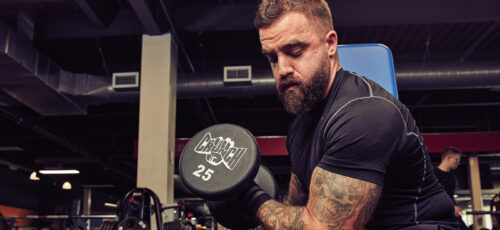
If you want to build muscle, progressive overload should be the core of your training. This simply means making your workouts a bit harder over time so your muscles keep getting stronger.
This can happen by increasing:
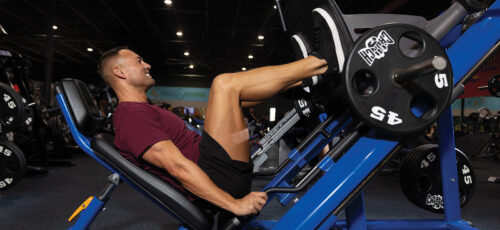
Classic compound exercises are especially effective because they recruit multiple muscles at once. Examples include:
These movements stimulate large muscle groups and promote muscle protein synthesis, the biological process responsible for repairing and building muscle tissue after resistance exercise.
Research backs this up. Studies show that lifting weights regularly helps you gain muscle and strength, especially if you train with enough sets, reps, and effort.
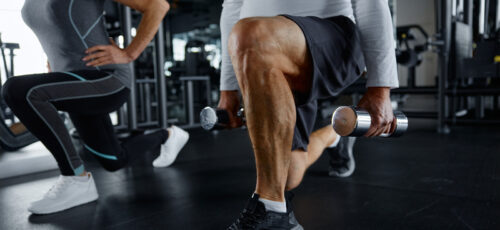
For example, someone starting at Crunch Fitness might do squats with a moderate weight for three sets of eight reps in their first week. After a few weeks, they add more weight or do more reps. These small changes tell the body to get stronger and build more muscle.
A simple structure for a balanced week might include:
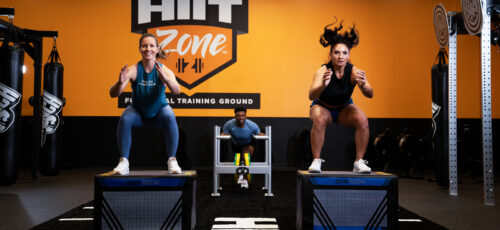
Even short workouts like HIIT or Tabata can help your heart health and won’t get in the way of building muscle.
The main point: making steady progress is what builds muscle, not just doing random workouts.
Read more: What Are the Best Strength Training Reps and Sets for Building Muscle?
When people hear “bulking,” they often think they should eat a lot more. But eating too much is a common reason for gaining extra body fat while trying to build muscle.
Instead, try to eat just a little more than usual; about 250 to 400 extra calories a day. This gives your body enough energy to build muscle without adding a lot of fat.
Why does this matter? Because your metabolism and metabolic rate determine how efficiently your body uses calories. Eating far beyond what your body needs can lead to excess fat gain, even if you’re training consistently.
A controlled calorie surplus helps maintain a healthier body composition, meaning you gain more muscle mass relative to body fat.
For example:

If strength training provides the stimulus for muscle growth, protein intake provides the building blocks.
Protein contains amino acids, which help repair muscle tissue and stimulate muscle protein synthesis after workouts. Without adequate protein, your muscles simply don’t have the materials needed to recover and grow.
Eating protein with healthy carbs, such as whole grains, also helps your body recover and refuel after exercise.
These foods help your muscles recover, keep your blood sugar steady, and improve your workouts.
Sleep and recovery foods are just as important. Research from groups like the Centers for Disease Control and Prevention shows that getting enough sleep helps keep your metabolism healthy and supports your activity levels.
If you don’t get enough rest, your muscles won’t recover or grow as well, even if your workouts and diet are great.
Learn more: The Ultimate Protein Diet Plan
When it comes to building muscle, most people focus on workouts. But nutrition is just as important. Eating the right foods helps your body repair muscles, build new muscle, and get more out of your training.
If you want to build muscle without gaining extra fat, focus on eating lean proteins, balanced carbs, healthy fats, and staying hydrated. Don’t go for extreme bulking or strict diets.Think of food as fuel for building muscle and recovering well.
According to research in sports nutrition, a balanced approach to protein intake, calories, and micronutrients supports improved body composition and sustainable muscle mass growth.
Here’s what that looks like in real life.
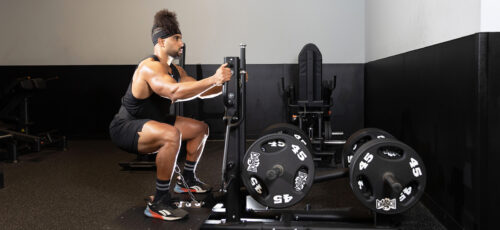
Protein is key to building muscle. When you do strength exercises like squats, deadlifts, bench presses, and overhead presses, your muscles get stressed. As you recover, your body repairs and builds those muscles, making them stronger and bigger.
To help this process, many fitness experts suggest eating protein at different meals throughout the day.
Good sources of lean protein include:
These foods give you the amino acids your body needs to fix and build muscle after you work out.
It’s also important to balance your macronutrients. A good meal for building muscle usually has:
If you want more guidance on balancing nutrition with workouts, the article “Food for Fitness: What to eat before a HIIT workout?” is for you.
A common mistake when trying to gain muscle is eating too many processed foods just to get more calories.
It’s easy to eat extra calories with fast food or sugary snacks, but these foods usually add more fat than muscle.Instead, choose foods full of nutrients that help you perform better and recover faster.
Better calorie sources for muscle growth:
Research from organizations like the Centers for Disease Control and Prevention highlights that whole foods provide vitamins, minerals, and nutrients that support metabolism, cardiovascular health, and blood pressure regulation.
For people who work out, these nutrients help you recover, stay active, and keep your metabolism healthy while building muscle.
For example, a balanced post-workout meal might include:
This combination gives you the protein, carbs, healthy fats, and nutrients you need to recover after a workout.
Carbs are often misunderstood, especially by people worried about weight or body fat. But when you use them wisely, carbs are important for giving you energy during strength training and helping your muscles last longer.
When you do exercises like deadlifts, squats, kettlebell moves, or push-ups, your body uses stored carbs for energy. If you don’t eat enough carbs, your workouts can feel harder, and you might not be able to do as much.
Eating carbs at the right times can boost your energy and help you recover better.
Good pre-workout carbohydrate sources:
Post-workout carbohydrates help replenish glycogen and support recovery when combined with protein.This combo helps your body build muscle after you train.
If you’re balancing strength training with cardio, such as steady-state cardio, cycling, or high-intensity interval training, carbohydrates become even more important to sustain performance.
Staying hydrated might not seem exciting, but it’s one of the most important and often forgotten parts of building muscle and recovering well.
Your muscles need water and electrolytes to work properly. Even a little dehydration can make your workouts harder, make you feel tired, and slow down your recovery.
Staying hydrated helps support:
Electrolytes such as sodium, potassium, and magnesium are important for muscle function and your metabolism.
A simple strategy is to:
For longer or tougher workouts, especially HIIT or metabolic resistance training, drinks with electrolytes can help keep your energy up.
Building muscle without gaining extra fat isn’t about strict diets. It’s about giving your body the right fuel. Eating balanced meals, getting enough protein, and training regularly help you build lean muscle and make steady progress.
Next, we’ll look at how often and when you eat can affect muscle growth and recovery, and how Crunch Fitness classes can help you reach your goals.
When you start trying to build muscle, you might wonder how fast you’ll see results. It depends on your experience, how often you train, and your nutrition.
If you gain weight too fast, you might add more fat. If you go too slow, you might not build much muscle. The key is to find a good balance.
Most people should aim to gain about 0.25 to 0.5 percent of their body weight each week when building lean muscle.
This slow and steady gain helps your body build muscle and keeps extra fat to a minimum.
For example:
This way, your body can focus on building muscle instead of storing fat, especially if you stick to regular strength training.
How long you’ve been training also affects how fast you gain muscle.
Beginners usually see faster results because their bodies respond quickly to resistance training.
Early progress may include:
People who have been lifting for a while tend to gain muscle more slowly because their bodies are already used to training.
Keeping track of your progress over time helps you see if you’re eating the right amount for your goals.
If you notice:
You may need to increase calories slightly.
On the other hand, if weight increases too rapidly or your body fat percentage rises significantly, it may be helpful to reduce your calorie surplus.
Balancing your workouts, nutrition, sleep, and recovery helps you steadily improve your muscle and body composition.
Building muscle takes time. Even though social media might make it look quick, big changes don’t happen overnight.
Sticking with strength training, eating well, getting enough sleep, and making your workouts a bit harder over time all help you slowly build muscle and get stronger.
Organizations like the Centers for Disease Control and Prevention recommend regular resistance training and physical activity as part of a healthy lifestyle, not just for muscle growth, but also for cardiovascular health, metabolism, and blood pressure regulation.
The most successful people in the gym are patient, keep track of their progress, and focus on habits they can stick with instead of looking for quick fixes.
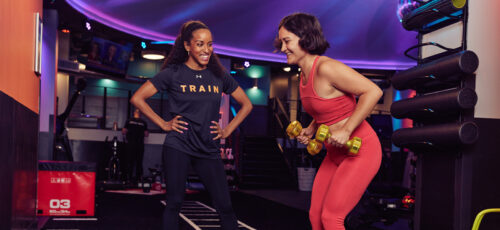
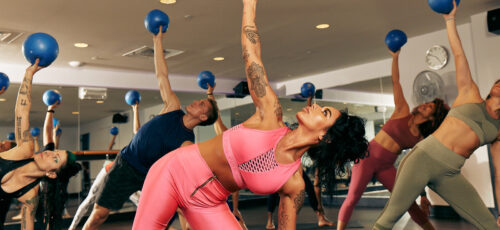
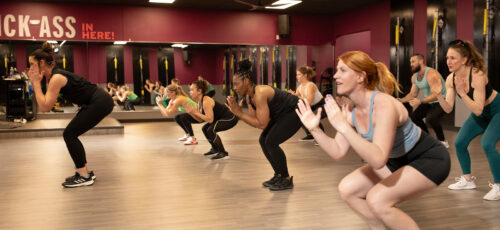
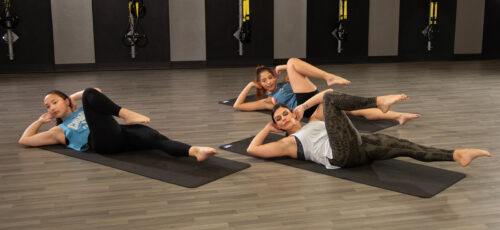
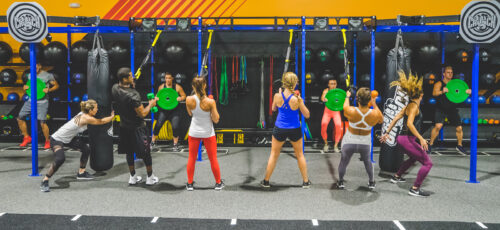
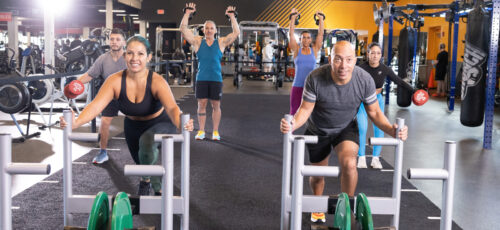
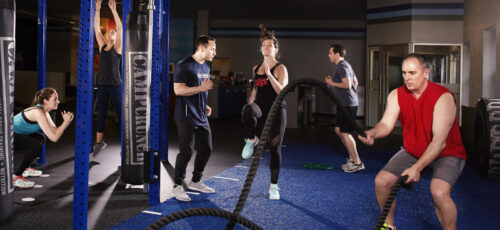
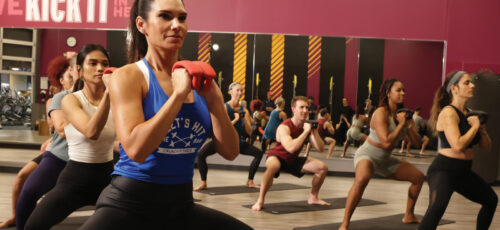
You don’t have to train alone in the weight room to build muscle. Many people see great results from group classes that mix strength training, resistance exercises, and steady progress.
Crunch Fitness offers classes that help you get stronger, build muscle endurance, and improve your body composition; all while keeping workouts fun and motivating.
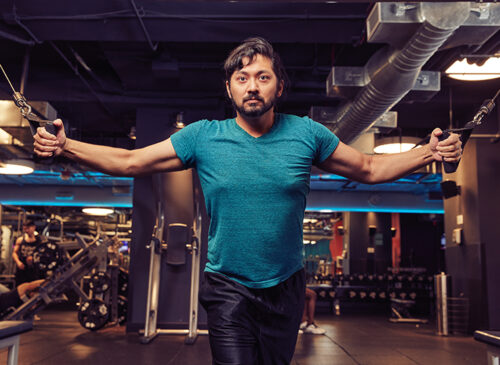
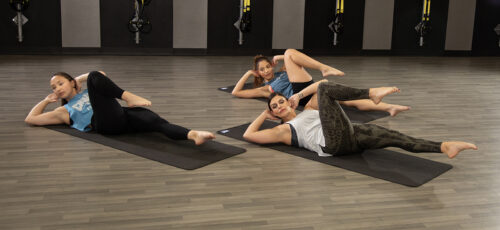
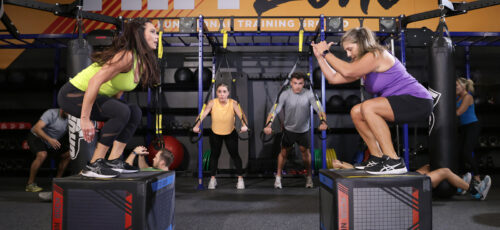
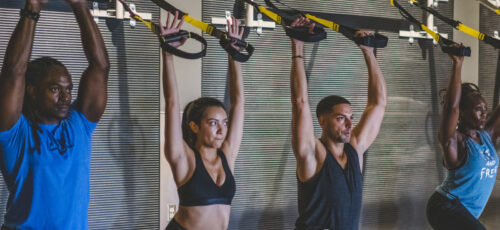
The BodyWeb with TRX® class uses suspension straps to create resistance through bodyweight exercises. Movements like rows, squats, and push-ups challenge stabilizing muscles, helping improve muscle development and core strength.
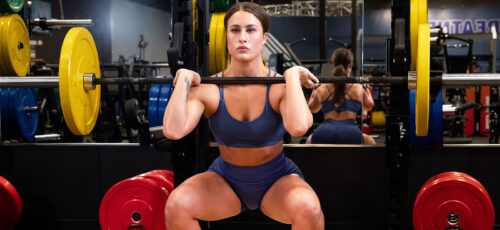
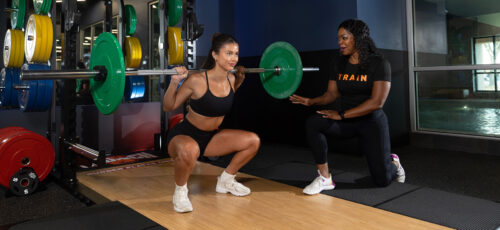
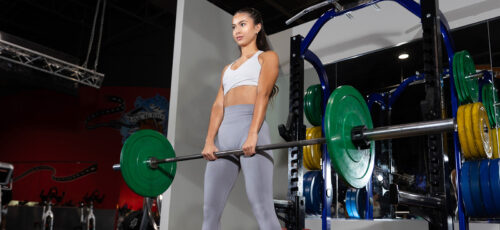
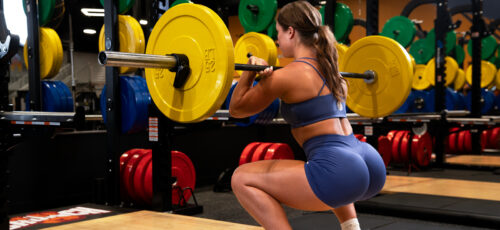
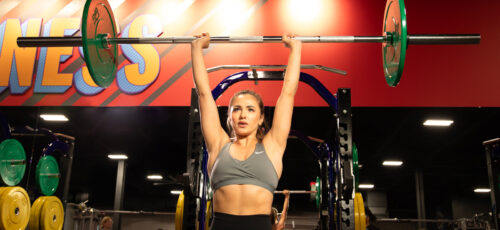
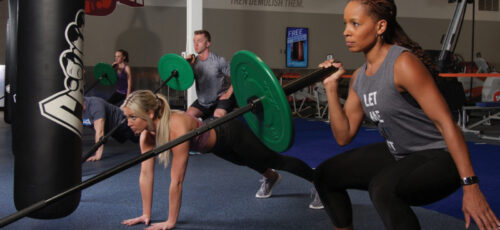
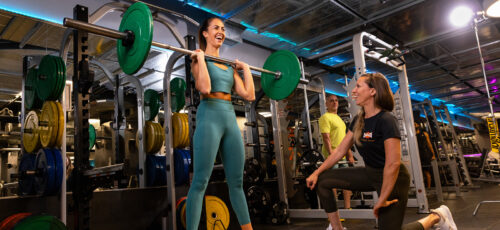
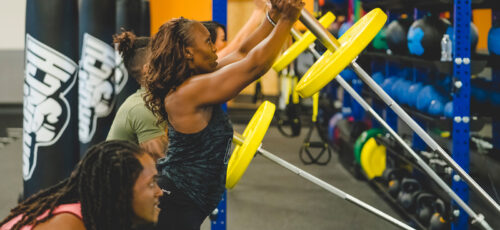
For those focused on increasing muscle mass, Barbell Bound is one of the most direct approaches. This class emphasizes classic lifts such as squats, bench presses, overhead presses, and deadlifts, all proven to stimulate muscle protein synthesis and strength gains.
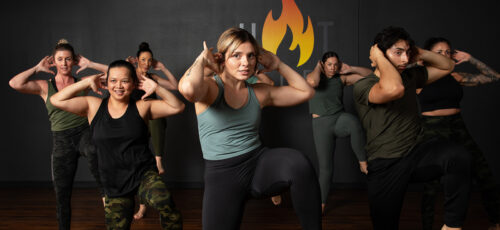
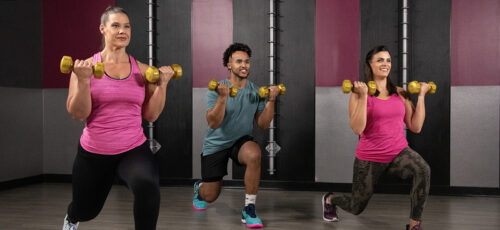
While energetic and rhythmic, Pound still challenges major muscle groups through lunges, squats, and upper-body movements. These exercises contribute to muscle endurance and help support an active lifestyle.
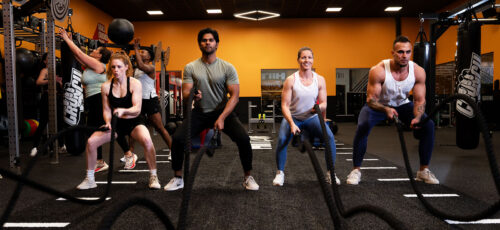
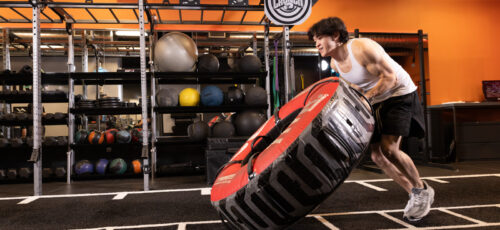
Chisel® is a strength-focused class using weights and resistance tools to target multiple muscle groups. It’s ideal for improving muscularity and overall body composition through consistent resistance training.
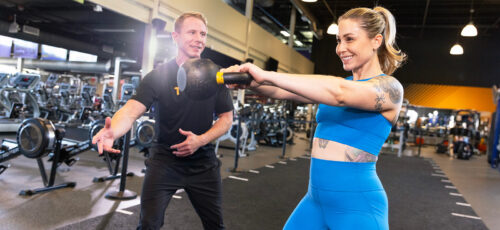
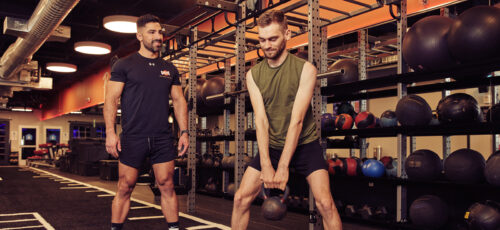
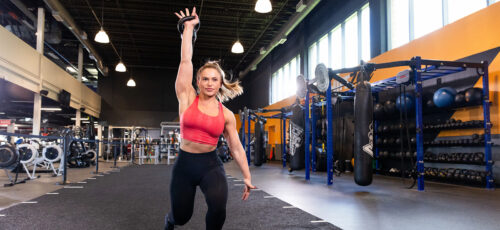
Kettlebell training builds strength in the posterior chain, including the glutes, hamstrings, and back. Dynamic movements increase muscle endurance, metabolism, and training performance.
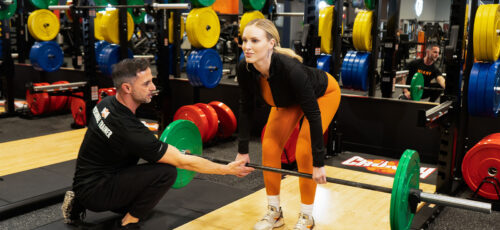
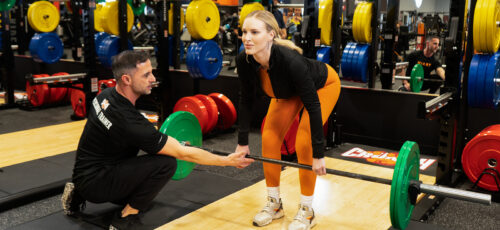
This introductory session helps members learn proper lifting techniques, creating a safe and effective training program with guidance from certified personal trainers.
This class combines strength training, cardio, and functional resistance exercises to stimulate full-body muscle development while supporting cardiovascular health.
All these classes give you different ways to build muscle, get stronger, and make steady progress in a fun, supportive community.
Crunch promotes a culture of positivity, inclusivity, and fun with no judgments by providing an environment for all individuals, regardless of their health and fitness goals. Find a Crunch gym near you to try our free trial membership, or join Crunch now. We’re here for you – at the gym or at home. Access the best live & on-demand workouts anytime, anywhere with Crunch+. Ready to get sweaty? Try hundreds of workouts for free! Start your free trial now!
Lift weights about 3–4 times per week to build muscle while limiting fat mass. This schedule gives your muscles enough stimulus for growth while allowing recovery, which is essential for body recomposition and steady progress tracking.
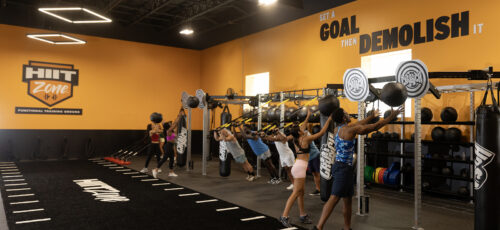
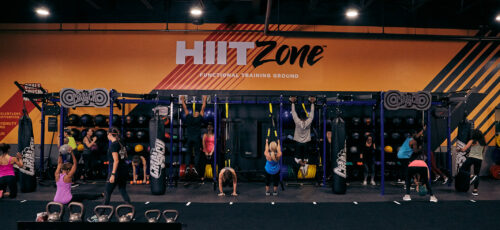
Yes, moderate aerobic exercise can help support cardiovascular training and manage body fat without interfering with muscle growth. Short sessions like HIIT Zone workouts or a Tabata workout can increase calorie burn through excess post-exercise oxygen consumption while preserving strength gains.
Most people should aim for about 0.7–1 gram of protein per pound of body weight daily to support muscle protein synthesis. Choosing foods rich in complete proteins helps your muscles recover after strength training and supports healthy body recomposition.
A slow pace, about 0.25–0.5% of body weight per week, helps maximize muscle growth while minimizing fat gain. Tracking progress through tools like bioelectrical impedance analysis or regular measurements can help ensure your weight gain supports muscle rather than excess fat mass.
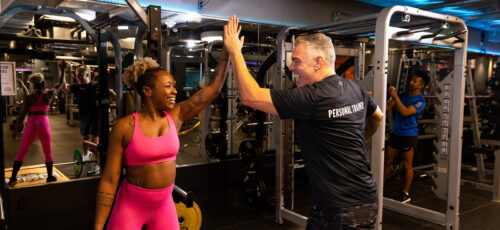
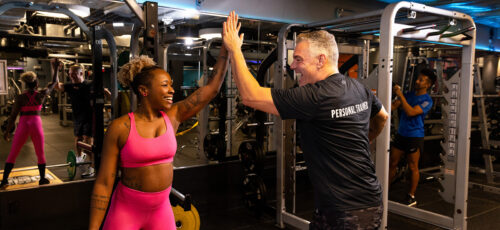
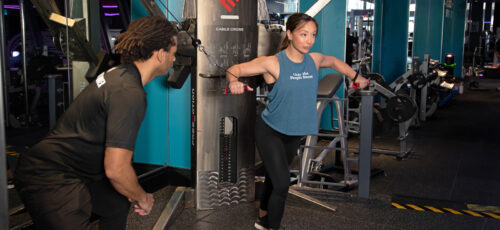
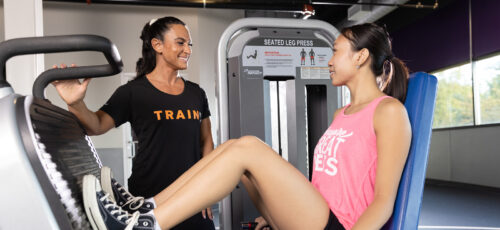
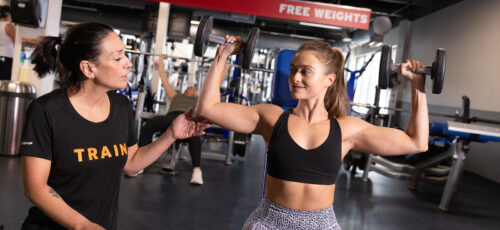
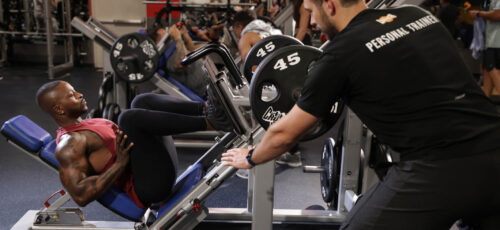
Yes, a personal trainer can help you build muscle without gaining extra fat. They do this by designing a strength training plan that includes the right balance of exercise, nutrition, and rest. Your trainer will check your current fitness level, keep track of your progress, and make changes to your program as needed. This way, you can build muscle and improve your body composition without adding unwanted fat.
You don’t have to eat constantly. For most people, 3 to 5 balanced meals a day are enough. Make sure you get enough calories and protein, and try to eat every 3 to 4 hours to help your muscles grow and recover.
Check your progress by looking at your strength gains, body measurements, and progress photos, not just your weight. You can also use body composition scans or keep a simple log to see if you’re building muscle instead of fat.