






Best Lower Ab Exercises for Developing Core Definition | Crunch Fitness

Best Lower Ab Exercises for Developing Core Definition | Crunch Fitness

August 24, 2026
What Are The Best Lower Ab Exercises for Building a Stronger and Better Core?

If you’ve been doing lots of crunches but still can’t see your lower abs, you’re not the only one. Most core workouts target the upper abs, so the lower part often gets less attention. This can cause uneven core strength, less stability, and slower progress toward a stronger, more defined midsection.

Your lower abs are important for core stability, supporting your spine, good posture, and everyday movement. You can’t fully isolate them, but the right exercises focus more on the lower part of the rectus abdominis and strengthen your whole core.

This guide will show you some of the best lower ab exercises to help you build a stronger, more stable core and improve your abdominal definition. We’ll also explain how Crunch personal trainers can support your progress. Whether you want to lift better, boost your athletic performance, or just get a stronger midsection, these exercises can help.

Let’s get started!
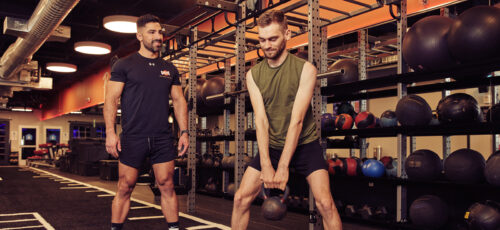
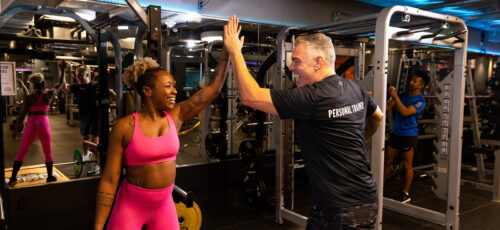
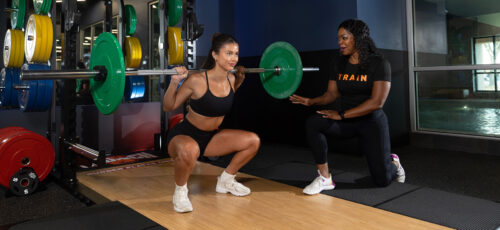
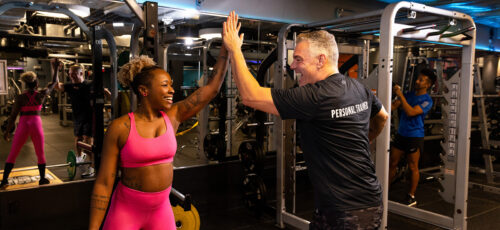
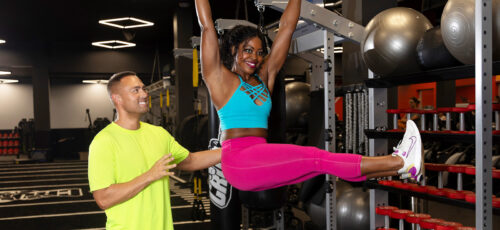
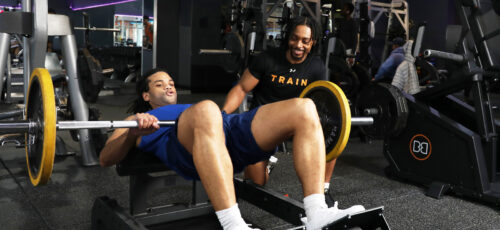
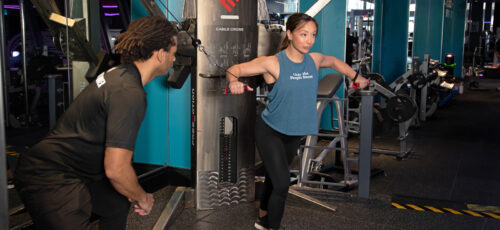
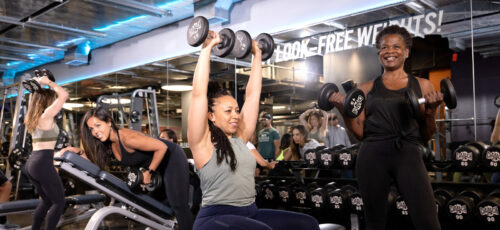
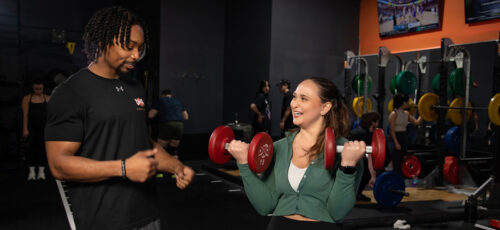
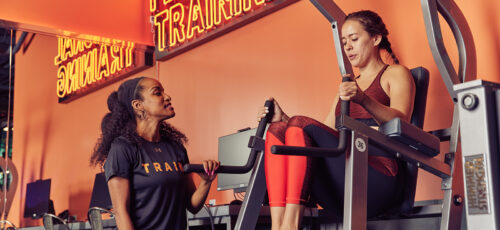
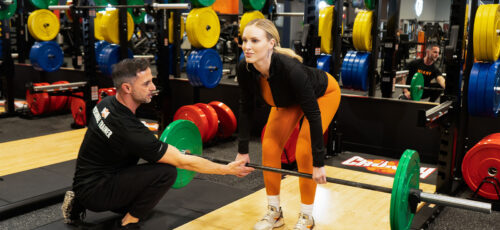
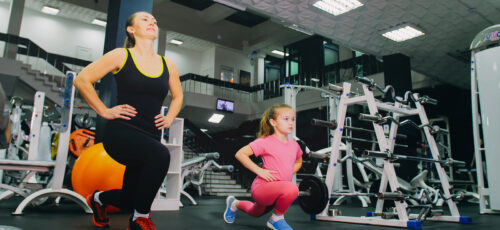
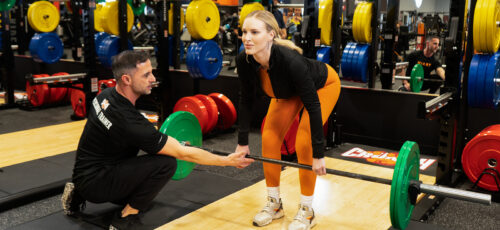
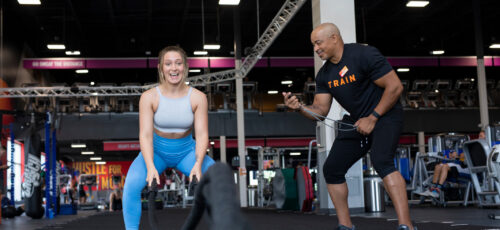
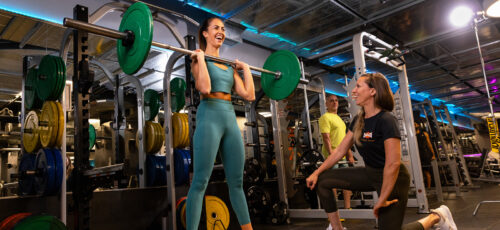
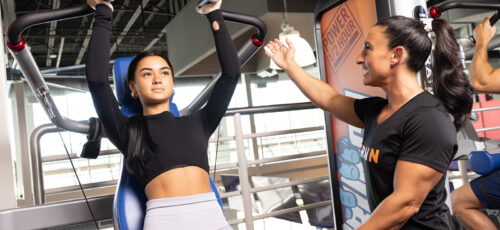
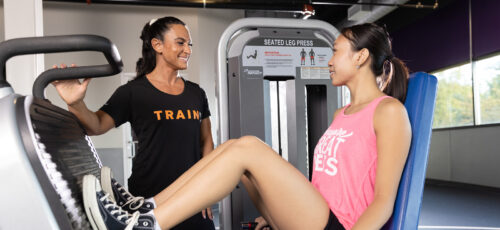
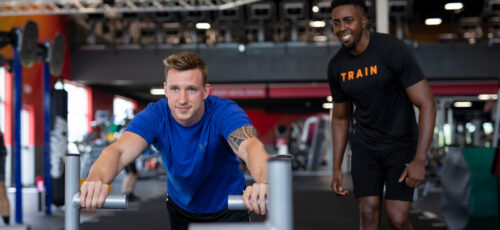
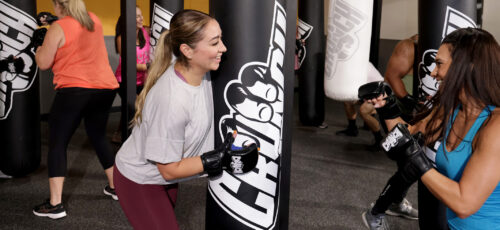
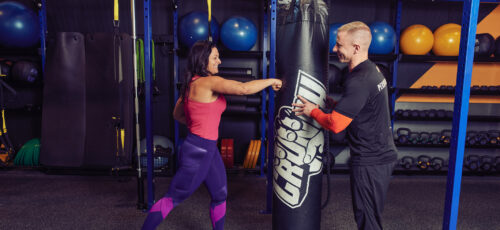
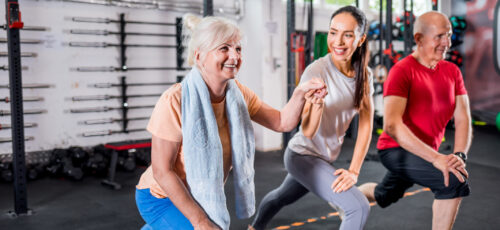
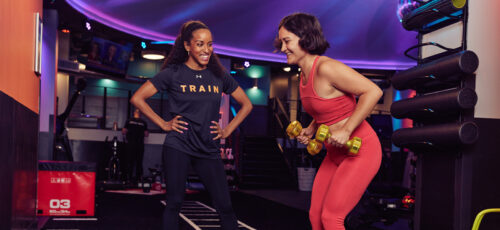
gym-goer working out with trainer

How to Get Started with Lower Ab Training

Training your lower abs isn’t just about doing lots of reps. Choosing the right exercises, using good technique, and staying consistent will help you build a stronger, more functional core.

As you start working on your lower abs, remember these basics:

  • Pick the right exercises: Start with movements that match your current strength and progress as you improve.
  • Engage your lower abs: Keep your core tight throughout each exercise to prevent your hip flexors from doing most of the work.
  • Slow down your reps: Controlled movements increase muscle activation and reduce unnecessary strain on your lower back.
  • Train regularly: Aim to include lower ab exercises two to three times per week as part of a balanced core routine.
  • Master technique before difficulty: Good form will deliver better results than adding more reps or advanced variations too soon.
  • Pair training with healthy nutrition: Lower ab exercises build muscle, but visible definition depends on overall body fat levels.

For more tips on building a defined midsection, check out What Are the Best Ab Workouts to Build a 6-Pack?

Best Lower Ab Exercises for Beginners

Dead Bug

The dead bug is one of the best beginner core exercises because it teaches stability while strengthening the lower abs.

How to Do It:

  • Lie on your back with your arms extended toward the ceiling and knees bent at 90 degrees.
  • Press your lower back into the floor.
  • Slowly extend your right arm and left leg.
  • Return to the starting position.
  • Repeat on the opposite side while keeping your core engaged.

Double-Leg Dead Bug

This progression increases the challenge by requiring greater core control.

How to Do It:

  • Begin in the dead bug position.
  • Brace your core and press your lower back into the floor.
  • Slowly lower both legs while keeping your arms extended overhead.
  • Stop before your back begins to arch.
  • Return to the starting position with control.

Lying Leg Raises (Bent Knees)

Bent-knee leg raises reduce stress on the lower back while strengthening the lower abs.

How to Do It:

  • Lie on your back with your knees bent and feet lifted.
  • Press your lower back into the floor.
  • Slowly raise your knees toward your chest.
  • Lower your legs under control without arching your back.
  • Repeat while keeping your core tight.

Modified Stability Ball Pike

This exercise develops lower ab strength while improving balance and core stability.

How to Do It:

  • Start in a plank with your shins resting on a stability ball.
  • Brace your core and keep your back flat.
  • Roll the ball slightly toward your hands by lifting your hips.
  • Pause briefly.
  • Slowly return to the starting position.

Reverse Crunch

The reverse crunch emphasizes pelvic movement instead of swinging the legs.

How to Do It:

  • Lie on your back with your knees bent and feet off the floor.
  • Press your lower back into the floor.
  • Curl your hips upward a few inches using your lower abs.
  • Lower slowly with control.
  • Avoid using momentum.

Reverse Ball Pass

This variation adds coordination while challenging the lower abs.

How to Do It:

  • Lie on your back holding a stability ball between your feet.
  • Lift your legs and pass the ball to your hands.
  • Lower both your arms and legs slowly while keeping your lower back on the floor.
  • Raise them again and pass the ball back to your feet.
  • Continue alternating with controlled movements.

Lying Knees-to-Chest

This simple movement teaches beginners how to initiate movement from the lower abs.

How to Do It:

  • Lie on your back with your legs extended.
  • Draw your knees toward your chest using your abdominal muscles.
  • Pause briefly at the top.
  • Slowly extend your legs without letting your lower back lift from the floor.
  • Repeat with slow, controlled repetitions.

Learning these basic exercises will help you build the core strength, stability, and body awareness you need for harder lower ab workouts. If you’re new to fitness, check out Best Core Muscle Workout for Beginners for more tips and exercises.
Cable Machine Lower Ab Exercises

Cable Crunch with Knee Drive

This variation combines a traditional cable crunch with a knee drive to place greater emphasis on the lower abs.

How to Do It:

  • Attach a rope to the high pulley and kneel facing the machine.
  • Hold the rope beside your head and brace your core.
  • Crunch downward while simultaneously driving one knee toward your chest.
  • Slowly return to the starting position.
  • Alternate legs on each repetition.

Cable Machine Hip Flexion

This exercise strengthens the lower abs while improving hip control.

How to Do It:

  • Attach an ankle strap to a low cable.
  • Secure it around one ankle and face away from the machine.
  • Brace your core and lift your knee toward your chest.
  • Pause briefly.
  • Lower your leg slowly and repeat before switching sides.

Machine Leg Raises

Many gyms have dedicated leg raise or captain’s chair machines that provide additional support while targeting the lower abs.

How to Do It:

  • Position yourself on the machine with your back firmly supported.
  • Grip the handles and brace your core.
  • Raise your knees toward your chest by tilting your pelvis upward.
  • Pause at the top.
  • Lower slowly without swinging.


Cable Abdominal Crunch (Lower Ab Emphasis)

Adjusting your body position can shift more emphasis toward the lower portion of the rectus abdominis.

How to Do It:

  • Kneel in front of a high cable with a rope attachment.
  • Keep your hips stable and your core engaged.
  • Curl your torso downward while drawing your pelvis slightly under.
  • Slowly return to the starting position.
  • Avoid pulling with your arms.

Rope Crunch for Lower Abs

This variation increases time under tension while reinforcing proper core engagement.

How to Do It:

  • Attach a rope to the high pulley and kneel comfortably.
  • Hold the rope beside your head.
  • Crunch downward while maintaining a posterior pelvic tilt.
  • Squeeze your abs at the bottom.
  • Return slowly, resisting the pull of the weight stack.

Bodyweight Lower Ab Exercises

Hanging Leg Raises

A challenging exercise that develops lower ab strength and total core stability.

How to Do It:

  • Hang from a pull-up bar with your arms fully extended.
  • Brace your core and keep your body still.
  • Raise your straight legs until they’re parallel to the floor or higher.
  • Pause briefly.
  • Lower your legs slowly without swinging.

Hanging Knee Raises

This beginner-friendly variation emphasizes the lower abs while reducing the difficulty.

How to Do It:

  • Hang from a pull-up bar with a stable grip.
  • Engage your core and avoid swinging.
  • Lift your knees toward your chest while tilting your pelvis upward.
  • Pause at the top.
  • Lower with control.

Captain’s Chair Knee Raises

The captain’s chair provides upper-body support, allowing you to focus on lower ab engagement.

How to Do It:

  • Position yourself on the captain’s chair with your forearms on the pads.
  • Press your lower back into the support.
  • Lift your knees toward your chest.
  • Squeeze your lower abs at the top.
  • Lower slowly without using momentum.

L-Sit Hold

The L-sit is an advanced isometric exercise that builds exceptional core strength.

How to Do It:

  • Support yourself on parallel bars or dip handles.
  • Extend both legs straight in front of you.
  • Keep your core tight and shoulders stable.
  • Hold the position while breathing normally.
  • Lower with control when the hold is complete.

Decline Bench Leg Raises

The decline angle increases the challenge by extending the range of motion.

How to Do It:

  • Lie on a decline bench and hold the handles above your head.
  • Press your lower back into the bench.
  • Raise your legs until they’re nearly vertical.
  • Slowly lower them without arching your back.
  • Repeat with controlled movement.

Inversion Table Leg Raises

This variation uses gravity to create a unique lower ab challenge while requiring excellent control.

How to Do It:

  • Secure yourself safely on an inversion table.
  • Invert to a comfortable angle.
  • Brace your core and raise your legs toward your torso.
  • Pause briefly at the top.
  • Lower your legs slowly while maintaining control.

Bodyweight lower ab exercises are great for building real core strength because your muscles have to keep your body steady during each move.

As you get stronger, move from bent-knee exercises to straight-leg ones to keep challenging your core.

For more bodyweight core training ideas, explore the HIIT Ab Workout guide.

Free Weight Lower Ab Exercises

Weighted Decline Crunch (Lower Ab Focus)

Performing decline crunches with light resistance increases the demand on your lower abs.

How to Do It:

  • Lie on a decline bench holding a light dumbbell against your chest.
  • Brace your core and keep your lower back stable.
  • Curl your hips and torso upward with control.
  • Pause briefly at the top.
  • Lower slowly to the starting position.

Weighted Lying Leg Raises

Adding a light dumbbell increases the challenge while reinforcing core control.

How to Do It:

  • Lie on your back and hold a light dumbbell between your feet.
  • Press your lower back into the floor.
  • Raise your legs until they’re nearly vertical.
  • Lower them slowly without letting your back arch.
  • Repeat with controlled movement.

Dumbbell Pulses

Small pulses increase time under tension and improve lower ab endurance.

How to Do It:

  • Lie on your back holding a light dumbbell between your feet.
  • Raise your legs to about a 45-degree angle.
  • Keep your core braced.
  • Perform short, controlled upward pulses.
  • Continue without using momentum.

Weighted V-Ups

This advanced exercise challenges the entire core while placing significant demand on the lower abs.

How to Do It:

  • Lie on your back holding a light dumbbell with both hands.
  • Extend your arms overhead and straighten your legs.
  • Simultaneously raise your upper body and legs to form a “V.”
  • Reach the dumbbell toward your feet.
  • Lower slowly and repeat.

When you use free weights for lower ab training, focus on control instead of just adding more weight. Slowly increase the weight over time to challenge your muscles without losing good form. This helps you build stronger lower abs safely.

For more weighted core exercises, explore The Best Core Workouts You Can Do With Dumbbells

Advanced Lower Ab Exercises

Weighted Hanging Leg Raises

Adding resistance increases the challenge while maintaining the benefits of traditional hanging leg raises.

How to Do It:

  • Hang from a pull-up bar holding a light dumbbell between your feet or wearing ankle weights.
  • Brace your core and keep your body still.
  • Raise your legs with control.
  • Pause at the top.
  • Lower slowly without swinging.

Single-Leg Hanging Raises

This unilateral variation challenges core stability while correcting strength imbalances.

How to Do It:

  • Hang from a pull-up bar with your core engaged.
  • Raise one straight leg while keeping the other extended.
  • Pause briefly.
  • Lower with control.
  • Alternate sides.

Decline Sit-Ups (Lower Ab Emphasis)

The decline angle increases the range of motion and core demand.

How to Do It:

  • Secure your feet on a decline bench.
  • Brace your core and maintain a slight posterior pelvic tilt.
  • Sit up with control, focusing on your abs rather than pulling with your hips.
  • Pause at the top.
  • Lower slowly.

Weighted L-Sit Hold

Adding light resistance increases time under tension for the lower abs.

How to Do It:

  • Support yourself on parallel bars or dip handles.
  • Hold a light dumbbell between your feet.
  • Extend your legs straight to form an “L.”
  • Keep your core tight and shoulders stable.
  • Hold for the desired time before lowering.

Medicine Ball Lower Ab Throws

This dynamic exercise develops power while challenging lower ab control.

How to Do It:

  • Lie on your back holding a medicine ball.
  • Raise your legs while bringing the ball toward your feet.
  • Toss the ball lightly to a partner or against a wall, if appropriate.
  • Catch the ball while maintaining core tension.
  • Repeat with controlled movement.

Explosive Hip Flexion Core Drill

This advanced movement combines lower-body power with upper-body coordination.

How to Do It:

  • Begin lying on your back with your arms extended overhead.
  • Explosively drive your knees toward your chest while reaching your arms forward.
  • Briefly contract your lower abs at the top.
  • Return to the starting position under control.
  • Repeat without sacrificing technique.

Only try advanced lower ab exercises after you’ve built strong core muscles and learned good movement habits. Take your time, focus on doing each move well, and don’t rush into harder exercises.

If you’re ready to take your training to the next level, a Crunch Fitness personal trainer can check your form, create a step-by-step plan, and help you reach your goals with confidence.

Learn more in Should I Hire a Personal Trainer for Lifting Weights?

Why Lower Ab Development Matters for Core Strength and Definition

Strong lower abs are important for more than just how your midsection looks. They help keep your core stable, support your spine, and keep your body steady during activities like squats, deadlifts, walking, and climbing stairs.

Having strong lower abs helps take pressure off your lower back. If these muscles are weak, your lower back has to work harder during lifting and daily movements, which can lead to discomfort or injury.

Well-developed lower abs help give your midsection a more defined look. While you need a low body fat percentage to see them, focused training builds the muscle underneath.

If you skip training your lower abs, your core strength and abdominal development may be lacking. For more ways to build a strong core, check out Core Stability Workouts That Really Strengthen Your Core

Understanding Lower Ab Anatomy and Function

You don’t have a separate “lower ab muscle” hiding somewhere that you’re failing to train. Your lower abs are simply the lower portion of the rectus abdominis: the muscle that runs from your rib cage to your pelvis and gives your midsection its six-pack appearance.

Your lower abs have an important job. They help:

  • Flex your spine during core movements.
  • Tilt your pelvis posteriorly to support your lower back.
  • Maintain core tension during lifting, running, and everyday activities.
  • Work with your upper abs, obliques, and deep core muscles to keep your body stable and moving efficiently.

Unlike traditional crunches, many lower ab exercises combine leg movement with pelvic control. That’s why exercises like reverse crunches, leg raises, and knees-to-chest feel so different; they challenge your ability to stabilize your pelvis while your legs move.

One of the most common mistakes is letting your hip flexors do the work instead of your abs. If you swing your legs or arch your lower back, your abs aren’t working as hard as they should.

Signs of Weak or Underdeveloped Lower Abs

Weak lower abs affect more than just your appearance. They can also hurt your posture, lifting ability, and how well you move. Many routines focus on crunches and sit-ups, so the upper abs get stronger while the lower abs stay weak.

You may benefit from more targeted lower ab training if you notice any of the following:

  • Visible upper abs but little definition in the lower abdominal area.
  • Lower back discomfort during core exercises.
  • Difficulty performing leg raises or reverse crunches with good form.
  • Excessive arching of the lower back during ab exercises.
  • Weak core stability during squats, deadlifts, or overhead lifts.
  • Lower back strain during compound movements.
  • Difficulty maintaining control during leg-raising exercises.

If you notice these signs, your lower abs probably need more work. Strengthening them can improve your posture, make your core more stable, take pressure off your lower back, and help you move better in daily life and sports.

For more ways to build a stronger core from every angle, check out Core Strength Exercises You Should Do Every Day to Build Strength & Stability

8 Tips for Building Stronger Lower Abs

  • Train your lower abs two to four times a week: Like any muscle, they get stronger with regular workouts, but make sure to give them time to recover between sessions.
  • Move slowly and avoid using momentum: If you swing your legs or rush, your abs don’t work as much. Controlled movements help your muscles work harder and make each rep count.
  • Maintain a posterior pelvic tilt: Keep your lower back gently pressed into the floor during floor exercises to better engage your lower abs and reduce unnecessary stress on your spine.
  • Train your entire core: Strong lower abs work best as part of a balanced core. Combine lower ab exercises with movements that strengthen your upper abs, obliques, and deep core muscles for better stability and performance.
  • Focus on good form, even when you get tired: When you’re fatigued, it’s easy to use your hip flexors or lower back instead. Aim for quality reps instead of just doing more.
  • Include plenty of leg-raising exercises: Movements like hanging knee raises, reverse crunches, and lying leg raises place greater emphasis on the lower portion of the rectus abdominis and should be regular parts of your routine.
  • Pair your workouts with healthy eating: Building strong lower abs is just one part; eating well and lowering body fat helps show the muscle you’ve built.
  • Work with a Crunch Fitness personal trainer: A trainer can correct your technique, recommend the right exercises for your fitness level, and create a personalized program that helps you build stronger lower abs safely.

Learn more in How Personal Trainers Can Improve Athletic Performance

Common Mistakes That Limit Lower Ab Development

If you’re not seeing progress, one of these common mistakes might be the reason.

  • Only training your upper abs: Crunches and sit-ups are great, but they shouldn’t be your entire core routine. Include lower ab-focused movements like reverse crunches, leg raises, and knees-to-chest.
  • Using momentum instead of muscle: Swinging your legs during leg raises reduces lower ab activation and shifts the work to your hip flexors.
  • Letting your lower back arch: Failing to maintain a posterior pelvic tilt places extra stress on your lower back and makes it harder to engage your lower abs.
  • Not training consistently: Lower abs need regular stimulation. Training them only occasionally makes it difficult to build noticeable strength or definition.
  • Continuing after your form breaks down: Once technique suffers, your lower back and hip flexors often compensate. End the set before sacrificing form.
  • Expecting visible lower abs from exercise alone: Lower ab exercises build muscle, but reducing overall body fat through nutrition is essential for definition.
  • Using too much weight too soon: Heavy resistance often leads to poor movement patterns. Master bodyweight exercises before adding external load.

You’ll get the best results by following a good workout plan, using proper technique, and eating well.

If you’re not sure about your exercise form, a Crunch Fitness personal trainer can give you personalized coaching and help you work your lower abs more effectively.

Learn more in Effective Exercise to Lose Belly Fat: Tips and Techniques You Can Trust

The Role of Nutrition in Lower Ab Definition

You might have strong lower abs even if you can’t see them. This is because lower ab visibility mostly depends on your body fat, and for many people, the lower belly is the last place to lose fat.

That’s why people say, “Abs are built in the kitchen.” Lower ab exercises make the muscle stronger, but your diet decides if you’ll see the results.

To support lower ab definition:

  • Maintain a moderate calorie deficit if your goal is fat loss.
  • Eat enough protein to preserve muscle while losing body fat.
  • Stay hydrated to support performance and reduce temporary bloating.
  • Stay patient and keep at it. Visible lower abs take time to develop, and how quickly you see them depends on your starting body fat, your workouts, and your genetics.

You’ll get better results by combining a good workout plan with healthy eating, rather than focusing on just one.

Crunch Fitness personal trainers can also help with nutrition advice and create a balanced plan for your goals.

Learn more in How to Achieve Your Goals by Eating a Balanced Diet for Your Daily Routine and Do Personal Trainers Offer Advice on Diets & Nutrition?

Creating a Complete Lower Ab Training Program

Your lower abs are just one part of your core, so make sure your routine works all areas. Training every part of your core helps you get stronger, more stable, and improves your posture and athletic performance.

A balanced program should include movements for:

  • Lower abs: Leg raises, reverse crunches, knees-to-chest.
  • Upper abs: Crunches and cable crunches.
  • Obliques: Side bends and rotational exercises.
  • Rotation: Woodchops and medicine ball twists.
  • Anti-rotation: Pallof presses and plank variations.

Beginner Lower Ab Workout (3–4 exercises)

  • Dead Bugs
  • Reverse Crunches
  • Lying Knees-to-Chest
  • Lying Leg Raises (Bent Knees)

Advanced Lower Ab Workout (5–7 exercises)

  • Weighted Hanging Leg Raises
  • Single-Leg Hanging Raises
  • Weighted L-Sit Holds
  • Weighted V-Ups
  • Cable Crunch with Knee Drive
  • Medicine Ball Lower Ab Throws
  • Rope Crunches for Lower Abs

Try to do your hardest lower ab exercises at the start of your workout, when your core is fresh and your form is best. Train your core two to four times a week, and adjust how often you train based on how you recover and your overall schedule.

Keep in mind, your goal is to build a strong and functional core. Focus on good movement, slowly make your workouts harder, and train all parts of your midsection for lasting strength and performance.

How Crunch Fitness Can Help You Build Strong Lower Abs

Building stronger lower abs requires more than the right exercises: it takes proper technique, progressive training, and consistency. Crunch Fitness provides the coaching, equipment, and group classes to help you strengthen your core safely and effectively.

Expert Coaching on Lower Ab Training

Crunch Fitness certified personal trainers can teach you the right lower ab techniques, help you keep good form, and make sure you’re using your abs instead of your hip flexors. They’ll check your core strength, design a program just for you, and offer nutrition advice to help you perform better and define your abs. Learn more about Specialized Personal Trainers & Customized Training Programs

Complete Equipment

Crunch has all the equipment you need for lower ab exercises, from cable machines and benches to leg raise stations, medicine balls, resistance bands, and stability tools. This variety helps you build strength in many different ways. Learn more in What Equipment Does Crunch Fitness Provide?


Group Fitness Classes

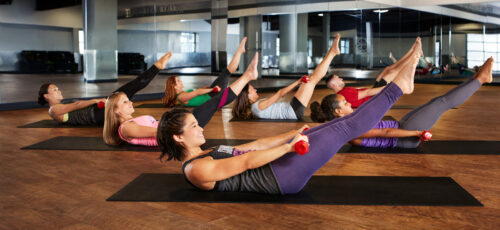
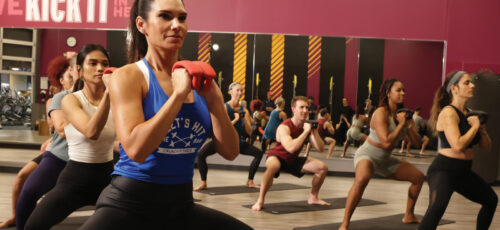
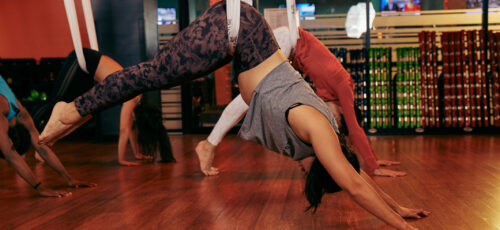
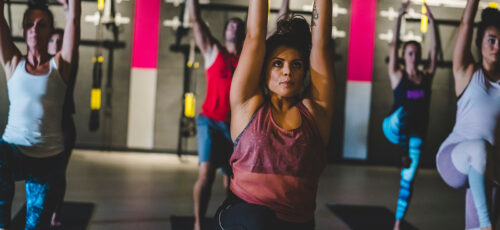
Many Crunch group fitness classes focus on core exercises that strengthen your lower abs and improve your stability and endurance. With expert guidance, a mix of exercises, and group motivation, these classes help you stay consistent and keep making progress. Explore The 12 Best Group Fitness Classes to Keep Your Gym Workouts Fun

Join Us!

Crunch promotes a culture of positivity, inclusivity, and fun with no judgments by providing an environment for all individuals regardless of their health and fitness goals. Find a Crunch gym near you to try our free trial membership, or join Crunch now. We’re here for you – at the gym or at home. Access the best live & on-demand workouts anytime, anywhere with Crunch+. Ready to get sweaty? Try hundreds of workouts for free! Start your free trial now!

FAQ’s

How Long Does It Take To See Lower Ab Definition?

Most people begin building stronger lower abs within a few weeks of consistent training, but visible definition depends largely on overall body fat percentage. With regular exercise and proper nutrition, noticeable changes often take several weeks to a few months.

Do Leg Raises Work Lower Abs?

Yes. Leg raises are great for your lower abs because they target the lower part of your rectus abdominis and also work your whole core. Move slowly and with control for the best results.

Can I Train Lower Abs Every Day?

It’s usually best to train your lower abs two to four times a week instead of every day. Your core muscles need time to rest and get stronger, just like any other muscle group.

Why Do My Hip Flexors Hurt During Lower Ab Exercises?

If your hip flexors hurt during lower ab exercises, it often means they’re working harder than your abs. Try to keep your pelvis tilted back, move slowly, and keep your core tight to help your abs do more of the work.

How Many Sets Should I Do For Lower Ab Growth?

Try doing two to four sets of each lower ab exercise, depending on your fitness level and how much you’re training overall. Focus on good form and slow, controlled reps instead of just doing more sets.


Are Lower Abs Harder To Build Than Upper Abs?

Not always, but lower abs can be harder to see because most people lose fat from that area last. Regular lower ab workouts and healthy eating are both key for getting definition.

Should I Do Lower Ab Exercises On An Empty Stomach?

No, you don’t have to work out on an empty stomach. Exercise when you feel your best, and have a light snack first if you need more energy.

Should I Join A Gym To Start Training My Lower Abs?

No, you can get stronger lower abs by doing bodyweight exercises at home. A gym does offer more equipment like cable machines and benches, which can help you add variety and progress. Learn more about gym memberships.

What Gyms Have The Best Free Weights And Machines For Lower Ab Training?

The best gyms have free weights, cable machines, decline benches, leg raise stations, and other equipment so you can do many different lower ab exercises. Learn more about gym machines vs. free weights

Explore More Articles