









Best Lat Exercises for Pulling Power & Back Strength | Crunch Fitness
September 8, 2026
Have you ever wondered which exercises really help you build stronger lats and boost your pulling strength? The latissimus dorsi, often called the lats, are the big back muscles that are essential for upper-body strength.
These muscles connect your arms to your spine and power movements like pull-ups, chin-ups, lat pulldowns, and barbell rows. Strong lats help you maintain good posture, boost athletic performance, and keep your upper back stable during tough workouts.
The best lat exercises combine vertical and horizontal pulling. Moves like lat pulldowns, dumbbell rows, seated rows, and straight-arm pulldowns work several muscles at once, including your biceps, traps, and core.
If you train regularly, use the right amount of sets and reps, and keep challenging yourself, these exercises will help your muscles grow and give you that strong V-shaped back many people want.
In this article, you’ll learn some of the best back exercises to strengthen your lats and develop greater upper-body strength. While you can practice many of these movements independently, working with a coach can help refine technique and maximize results.
If you’re thinking about working with a trainer, check out this guide to see if hiring a personal trainer for weightlifting is a good fit for you.
Building strong lats begins with knowing how the latissimus dorsi muscles work. These big back muscles link your arms to your spine and are key in almost every upper-body pulling move.
The best way to train your lats is to mix vertical pulls, horizontal rows, and exercises that focus just on the lats. Doing all three helps you activate more muscle, build pulling strength, and grow your back over time.
For more safe ways to build a stronger back, check out these upper back exercises that boost pulling strength: Upper Back Strengthening Exercises That Improve Pulling Power
If you’re new to training, focus on slow, controlled movements that build basic lat strength and help you learn good technique.
Vertical pulling exercises are essential for building width in the latissimus dorsi and creating the well-known V-taper torso.
Rowing exercises help make your mid-back thicker and strengthen the muscles along the back of your body.
Isolation exercises focus just on the lats and work well alongside bigger back movements.
Straight-Arm Pulldowns
Dumbbell Pullover
Advanced lifters looking to maximize pulling power can include exercises such as:
These movements require strong rotator cuffs, proper scapular stability, and excellent control.

Strong lats play a big role in athletic performance. The latissimus dorsi muscles help with shoulder extension and adduction, so they power almost every explosive pulling, climbing, and throwing movement in sports.
If you want more speed, control, and power in your upper body, your lats are doing much of that work without you noticing.
But not every athlete should train their lats the same way. What your sport requires makes a difference.
For power sports like grappling, climbing, overhead throwing, or sprint swimming, the goal is to get better at producing force quickly. This means training with explosive movements while staying in control:
These exercises train the stretch-shortening cycle. In this cycle, the controlled lowering phase, called the eccentric phase, helps you produce more force as you come back up. This is important for explosive performance.
For endurance sports like rowing, distance swimming, or cycling, the focus is on keeping tension in your muscles and holding good posture even when you get tired:
This kind of training helps you keep your stroke efficient, your posture strong, and your shoulders in the right position during long workouts.
You can also adjust your lat exercises to fit your sport:
When your lats, core, and shoulders work well together, you not only get stronger but also move better, create more power, and handle pressure more easily.
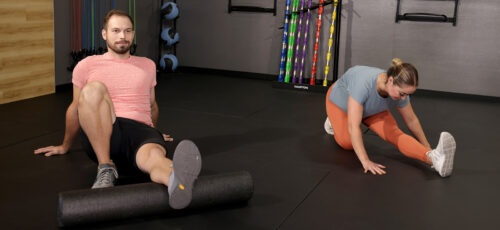
Stretching your lats often can help loosen tight muscles and make your shoulders move better.
Effective Lat Stretches
For more mobility ideas, explore these flexibility and stretching exercises you should do every day: Flexibility and Stretching Exercises You Should Do Every Day
Having strong lats helps you stand taller, boosts your performance in lifting and sports, and can even help prevent shoulder pain and upper back aches.
A lot of people focus on chest or arm workouts when building upper-body strength. But if your pushing strength gets ahead of your pulling strength, you can end up with rounded shoulders, tight chest muscles, and poor posture.
Your latissimus dorsi muscles pull your shoulders back and down, which helps fix the forward shoulder position that often comes from sitting a lot or too much screen time. Building up these back muscles brings balance to your pushing and pulling movements, making your upper body stronger and more stable.
Strong lats are important for keeping your core stable and your spine in the right position during big lifts. When your lats work as they should, they create tension through your back, which helps you stay in control and takes pressure off your spine during exercises like rows or deadlifts.
In sports that need strong upper-body pulling, such as swimming, rowing, climbing, grappling, or throwing, your lats are a main source of power. They move force from your core through your shoulders and arms, which boosts both your strength and coordination.
Building your lats evenly also helps keep your shoulders healthy. The lats and rotator cuffs work together to keep your shoulder blades stable, which lowers the risk of shoulder impingement and upper-back pain during workouts and everyday activities.
If you want to learn more about building back strength the right way, take a look at:
Which Back Strength Exercises Build the Most Muscle Fast?
Functionally, the lats help pull your arms down, back, and toward your body. This action happens during many common back exercises, including pull-ups, chin-ups, lat pulldowns, seated rows, and barbell rows.
Every time you perform a pulling movement, the latissimus dorsi muscles help generate force and stabilize the upper body.
But the lats don’t work alone. They coordinate with other important back muscles, including the rhomboids, trapezius muscles, and teres major. Together, these muscles help control shoulder movement, stabilize the shoulder blades, and maintain proper posture during training.
Understanding this teamwork between muscles makes it easier to perform exercises correctly. When you know that the lats should initiate the movement, you can focus on pulling your elbows toward your ribs instead of relying too heavily on the arms. This improves muscle activation, enhances muscular recruitment, and helps you get more out of every repetition.
Simply put, the more you know about your lats, the easier it is to pick the right exercises and build a stronger, balanced back.
Even regular gym-goers can have weak lats. Many workouts focus on pushing moves like bench presses or pushups, so pulling strength often gets left out.
One of the most obvious signs of weak lats is difficulty performing pull-ups or chin-ups. If you struggle to lift your body weight or feel that your biceps fatigue quickly during pulling exercises, your lats may not be contributing enough to the movement.
Another common sign is poor posture. When the lats and other upper back muscles are weak, the shoulders often drift forward, creating a rounded posture. This position places extra strain on the neck and upper back and can lead to discomfort over time.
You might also notice that you can’t feel your lats working during exercises like lat pulldowns, seated rows, or barbell rows. Instead, the effort may shift toward the arms or the trapezius, which can limit effective muscle growth in the back.
Other indicators of lat weakness include:
Weak lats can also contribute to shoulder problems. Without strong lats supporting scapular control, the shoulders may move inefficiently during overhead activities, increasing the risk of shoulder impingement or upper back pain.
The good news is that noticing these signs is the first step to fixing them. With consistent lat training, you can build a stronger back, balance your pushing and pulling, and improve your performance and posture.
Once your lats start working as they should, you’ll feel the difference in your workouts, and in your everyday movements.
Looking to build stronger lats and boost your pulling strength? It takes more than just a few pull-ups. Having a good plan, using the right technique, and staying consistent are what really matter.
Here are seven easy tips to help you build a stronger back and keep your muscles growing.
Here are some mistakes that can limit effective latissimus dorsi development:
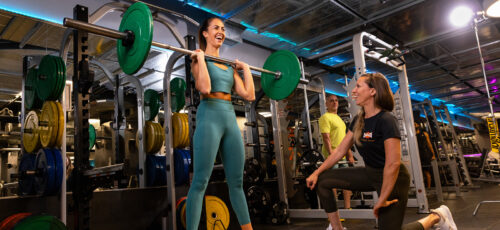
To build strong lats, you need more than just motivation; you also need good coaching, the right equipment, and a supportive environment. Crunch Fitness offers all of these, making it a great place to get stronger, improve your pulling power, and reach your goals.
Here are three big reasons why Crunch is a great place to build your back strength.
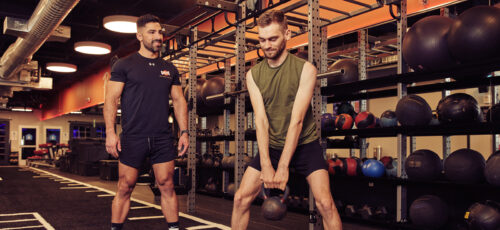
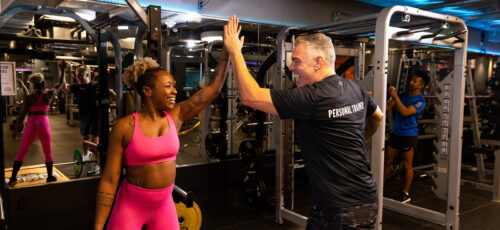
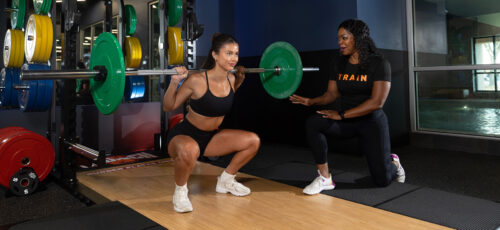
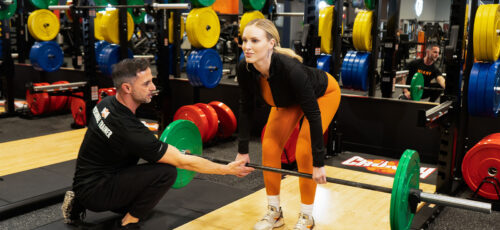
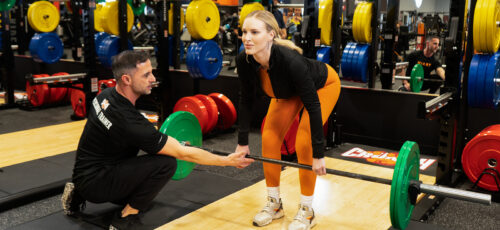
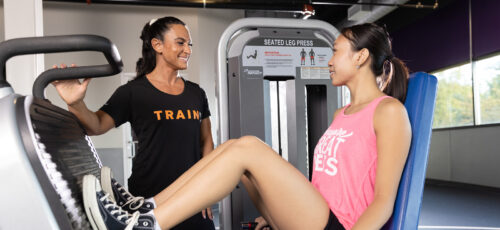
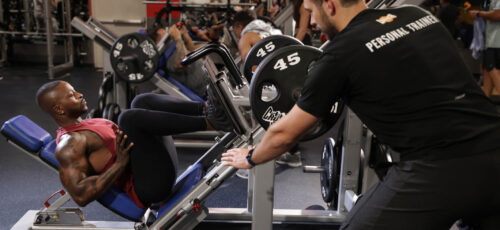
Crunch’s certified personal trainers specialize in teaching proper pulling mechanics and effective lat activation techniques. During an initial assessment, a trainer can evaluate your current strength levels, posture, and movement patterns to identify potential weaknesses in the lats, upper back, or supporting muscle groups.
With real-time coaching, trainers make sure you use good form. This helps your muscles work better and lowers the risk of hurting your shoulders or back.
Another big plus is getting a program made just for you. Whether you want to do more pull-ups, build muscle, or get better at sports, trainers can design a plan that fits your needs.
As your strength improves, they can adjust exercises, training volume, and progression strategies to keep you moving forward.
To learn more about how trainers create customized programs, visit: Do Personal Trainers Create Customized Workout Plans?
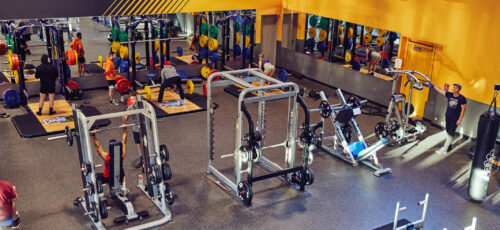
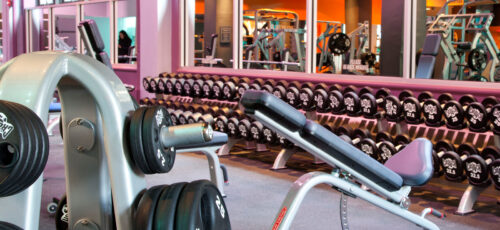
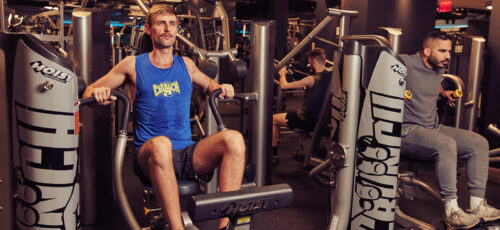
Crunch Fitness gyms have flexible training spaces and equipment, so anyone can train their lats effectively, no matter their fitness level.
Crunch has lots of grip options, like wide bars, neutral handles, and row grips. Training your lats from different angles helps your muscles work harder, prevents plateaus, and keeps workouts interesting.
Additionally, properly calibrated weight stacks and progressive resistance options support safe progressive overload, which is essential for continued muscle growth and strength development.
To explore the full range of equipment available at Crunch gyms, check out: What Equipment Does Crunch Fitness Provide?
With great coaches and top equipment, Crunch gives you everything you need to build stronger, more powerful lats.
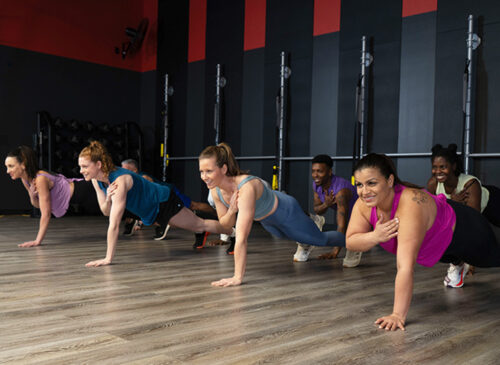
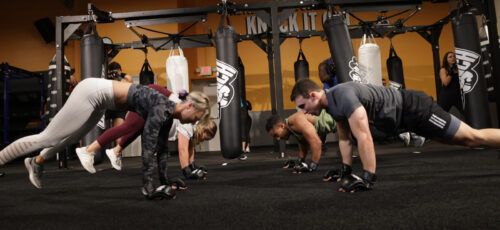
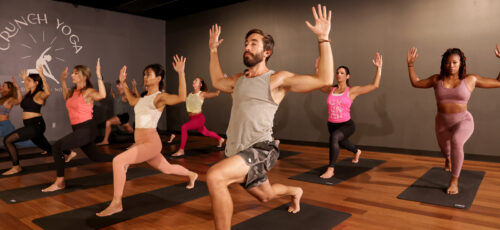
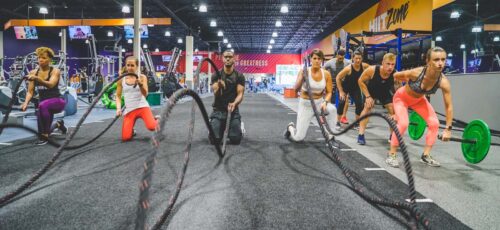
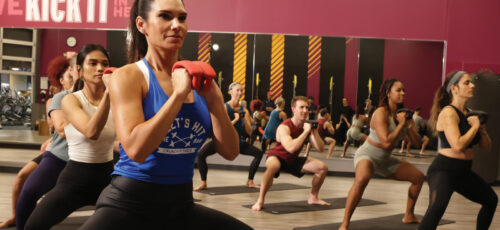
Strength training is key for building lats, but Crunch’s group classes can also help you stay motivated and stick with your routine.
Group classes give you a supportive space where everyone works toward similar goals. Watching others push through tough workouts can inspire you and help you stay on track with your own training.
Many classes include strength-based movements, functional training, and conditioning exercises that complement back exercises and overall upper-body development.
Classes also teach new exercises and techniques you can add to your own routine or use with a Crunch trainer. This variety keeps things fresh and helps you avoid getting bored, especially if you’re tired of doing the same pull-ups or rows.
Most importantly, group classes show that Crunch believes fitness should be challenging, effective, and fun. When workouts are enjoyable, it’s easier to stick with them, and that’s what leads to stronger lats, better posture, and lasting results.
Crunch promotes a culture of positivity, inclusivity, and fun with no judgments by providing an environment for all individuals, regardless of their health and fitness goals. Find a Crunch gym near you to try our free trial membership, or join Crunch now. We’re here for you – at the gym or at home. Access the best live & on-demand workouts anytime, anywhere with Crunch+. Ready to get sweaty? Try hundreds of workouts for free! Start your free trial now!
To feel your lats working, try pulling your elbows down toward your ribs rather than just bending your arms. Begin each rep by squeezing your shoulder blades together and keeping your chest up during pull-ups, lat pulldowns, or rows. Moving slowly and with control helps your lats do most of the work instead of your biceps.
Train your lats 2 to 3 times a week to give your muscles enough work to grow but also time to recover. Try to include both vertical pulls, like pull-ups, and horizontal pulls, like dumbbell rows, for balanced back strength.
Most people notice their lats getting stronger after 4 to 8 weeks of regular training. Your progress depends on how often you train, using good form, and slowly adding more weight. Exercises like lat pulldowns, rows, and pull-ups all help build lat strength over time.
For building your lats, try doing 3 to 4 sets of 8 to 12 reps for exercises like lat pulldowns, seated rows, or pull-ups. This range helps your muscles grow and lets you use enough weight to challenge your lats. If you’re new, start with lighter weights and add more as you get stronger.
Having a strong grip lets you hold heavier weights during pull-ups, deadlifts, and rows. If your grip gives out before your lats get tired, your back muscles won’t get the full workout. Working on your grip strength helps you do more controlled reps and get the most out of your lat exercises.